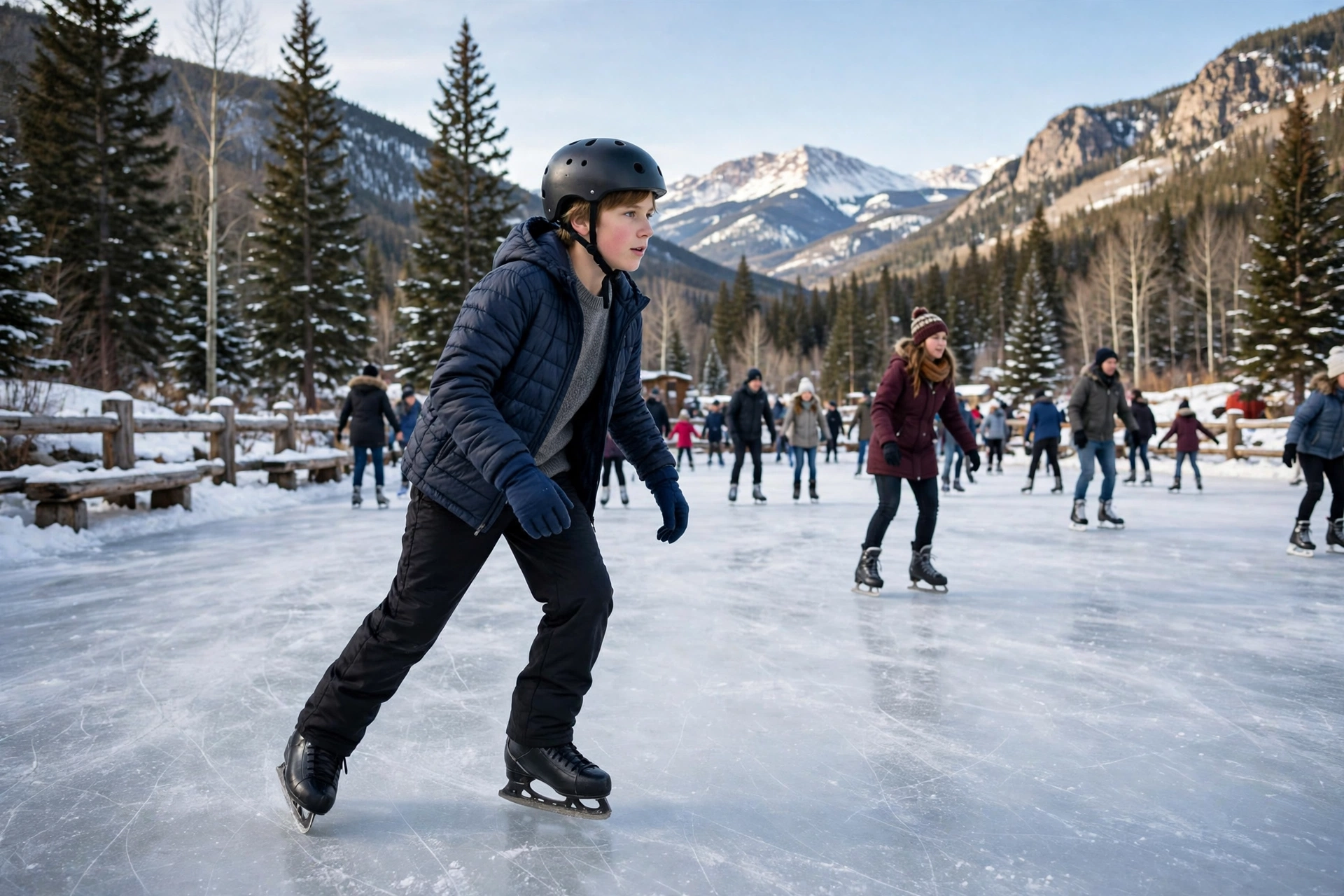
Short answer: Yes — a child can wear a bike helmet for ice skating, and a certified bike helmet is far better than a bare head. But it is not the ideal tool for the job. Bike helmets are built and certified for a single hard impact, with coverage shaped around cycling falls. A hockey or skating helmet protects the back of the head better and is made for repeated rink falls, which is what skating actually delivers.
If the bike helmet is what you have in the closet today, use it — correctly fitted, it still offers real protection. Just understand its limits, know when a program will not accept it, and plan on a proper skating helmet if your child keeps skating.
Is a Bike Helmet Better Than No Helmet on the Ice?
Absolutely, and it is not close. The most dangerous skating fall for a child is a backward fall onto hard ice, and any certified helmet puts a layer of energy-absorbing foam and a hard shell between the skull and that surface. A bike helmet covers the top, front, and sides of the head and will meaningfully reduce the severity of many head impacts.
Parents sometimes frame the choice as “the perfect helmet or nothing today.” That framing is wrong. If your child is skating this afternoon and the bike helmet is the only option, put it on, fit it properly, and go. You can upgrade the gear later; you cannot retroactively protect today’s fall.
That said, “better than nothing” is a starting point, not the finish line. The reasons a bike helmet is a compromise are worth understanding, because they affect how you should use it and when you should replace it.
Why Isn’t a Bike Helmet Designed for Ice Skating?
Two design differences matter. The first is impact type. Bicycle helmets sold in the U.S. are certified to the CPSC bicycle standard, which tests protection in a single, high-energy impact. The EPS foam inside is engineered to crush and absorb that one big hit — and once it has crushed, that area of foam is spent. It will not protect the same way a second time.
Ice skating produces a different pattern: lots of smaller falls. A beginner might go down a dozen times in one session, sometimes striking the same part of the head. A single-impact foam liner is simply not designed around repeated knocks.
The second difference is coverage shape. Bike helmets are shaped for cycling — strong coverage on top and front, but they typically sit higher and cover less of the lower back of the head. Skating’s signature injury is the backward fall onto the occiput, the exact spot where a bike helmet’s coverage is thinnest and a hockey helmet’s coverage is deliberately extended.
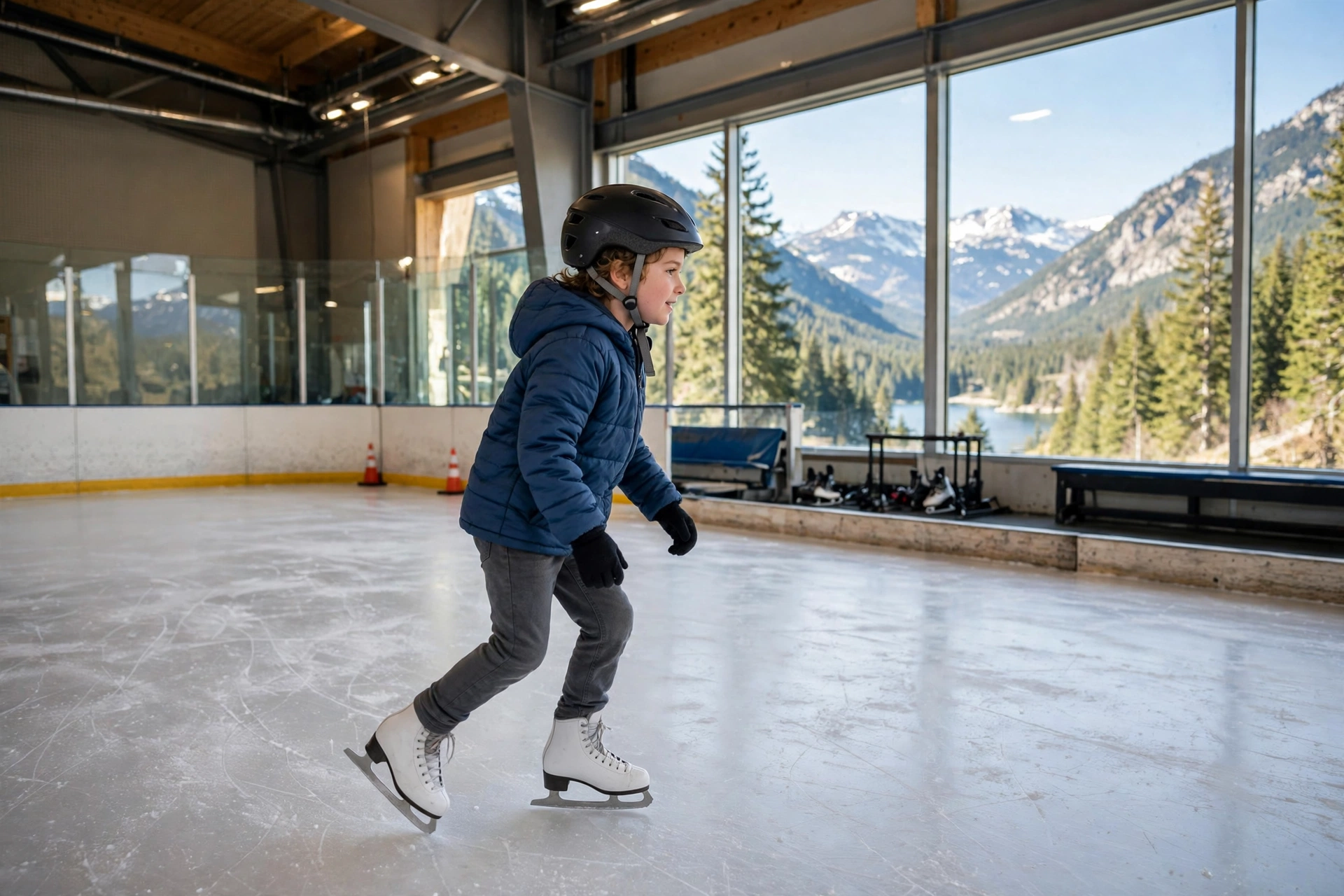
What Does a Hockey or Skating Helmet Do Better?
Hockey helmets were designed for the rink from the start. Their shells wrap lower at the back and sides, protecting the areas that hit the ice in backward and sideways falls. Their liners use multi-impact foams intended to handle repeated falls across a whole season, not one crash. Straps and fit systems are also built to stay put during quick, jerky movements and collisions.
Purpose-made recreational skating helmets borrow the same ideas: multi-impact liners, extended rear coverage, and warm liners for comfort on cold ice. Either option is a better long-term match for a child who skates weekly through the winter.
Modern helmets in several sports also add rotational-impact protection, which aims to reduce twisting forces when a head hits at an angle — common in falls. Our article on what MIPS is and how it works explains how those systems function, if you want to compare liner technologies while you shop.
Will a Skating Lesson Program Accept a Bike Helmet?
Sometimes — but do not count on it. Requirements are set by each rink and program, and they vary. Some learn-to-skate programs accept any certified helmet, including bike helmets. Others specify a hockey helmet or a certified skating helmet, especially for younger age groups, and staff can and do turn away the wrong gear at the first lesson.
The safe move is to check before the first session. Look at the program’s equipment list when you register, or call the rink and ask exactly which helmets they accept for your child’s age group. If your child progresses into hockey, the answer becomes strict: hockey programs require hockey helmets, and a bike helmet will not be allowed on the ice at all.
How Do You Use a Bike Helmet Safely on the Ice in the Meantime?
If the bike helmet is today’s solution, use it well:
- Check the label: It should carry the CPSC bicycle certification sticker. No sticker, no skating — an uncertified novelty helmet is not protection.
- Fit it level and snug: Front edge about an inch above the eyebrows, no rocking when your child shakes their head, chin strap fastened with one finger of space.
- Skip thick hats underneath: A bulky winter hat lifts the helmet and ruins the fit. Use a thin liner only if the fit stays snug.
- Inspect after falls: Look for cracks, dents, or compressed foam after any fall where the head made contact.
- Replace after a hard head impact: This is the critical rule. Once a bike helmet has taken a hard hit to the ice, its foam has done its one job and is spent in that spot. Retire it and replace it — do not keep skating in it for the rest of the season.
Follow those rules and a bike helmet is a reasonable short-term bridge. If skating becomes a regular winter habit, a hockey or skating helmet is one of the cheapest, most worthwhile upgrades you can make.
Frequently Asked Questions
Q: Is a bike helmet legal for ice skating?
A: There is no law governing recreational skating helmets, so “legal” is the wrong frame — but individual rinks and lesson programs set their own equipment rules, and some require hockey-style helmets specifically. Always check your program’s requirements.
Q: Can my child wear a bike helmet for hockey?
A: No. Organized hockey requires a proper hockey helmet, and bike helmets are not accepted. The coverage, liner, and certification are all designed for different sports.
Q: How long can we use a bike helmet for skating before upgrading?
A: As a short-term backup it is fine, provided it is certified, fits snugly, and has never taken a hard head impact. If your child skates regularly — weekly lessons or a full season — upgrade to a hockey or skating helmet, and replace the bike helmet immediately after any hard fall onto the ice.

Olivia
Writer at Helmet Today, covering helmet reviews, fit and riding safety.