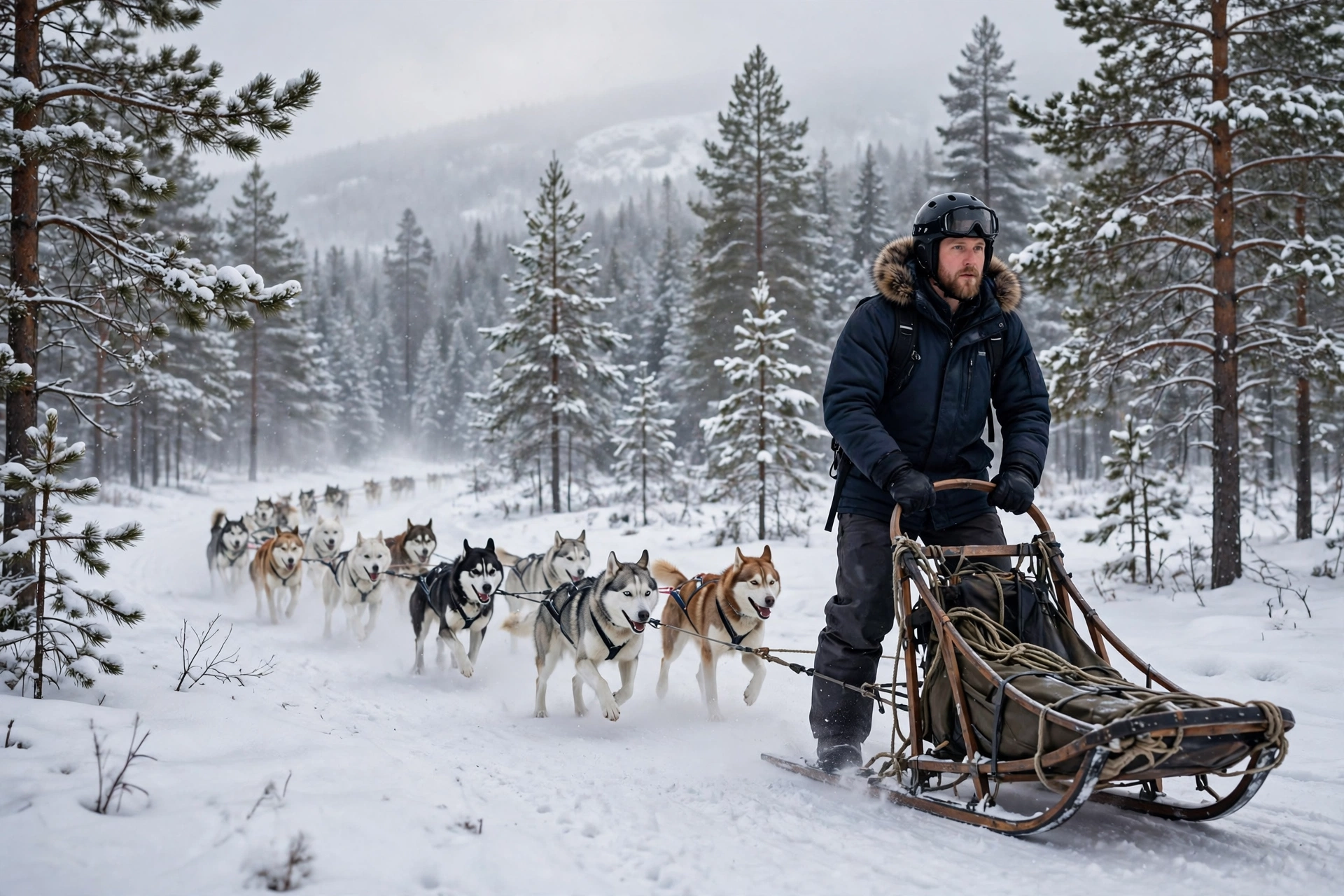
In general terms, a helmet is not standard kit in dog sledding: most mushers do not wear one, and there is no widely recognised rule that says they must. Some mushers do choose to wear a helmet in certain conditions, such as fast, icy, or rough trails, where a fall from the sled could bring the head into contact with hard ground. Dog sledding is a winter sport with its own traditions, and headgear in the sport is usually about warmth rather than impact protection. Understanding why helmets are uncommon, and when some mushers wear one anyway, helps explain the honest picture.
What Is Dog Sledding?
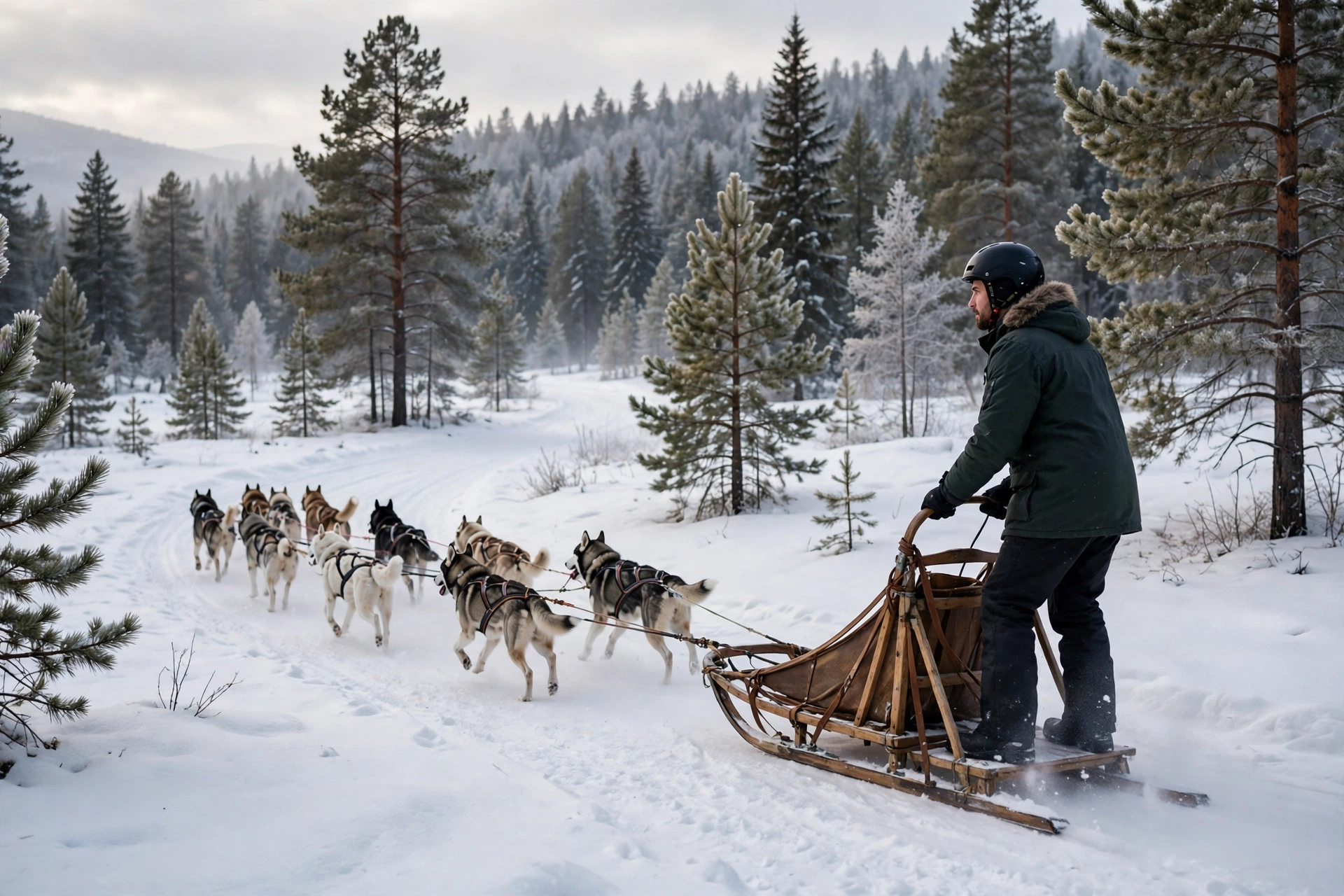
Dog sledding is a winter activity in which a team of dogs pulls a sled across snow, with the musher standing on the runners at the back, steering and braking. The dogs are harnessed in front, and the musher guides them with voice commands and by shifting weight on the sled. Dog sledding can be a working form of transport in snowy regions, a recreational tour, or a competitive race over long distances through remote terrain.
The musher stands rather than sits, holding onto the sled as it moves over the snow, and the speed depends on the dogs, the trail, and the load. On a smooth, flat trail the ride can be gentle, while on a rough or icy trail the sled can bounce, slide, or tip. The musher may need to jump off and run beside the sled on hills, or push it through deep snow. In general terms, the risks in dog sledding come from the cold, the remoteness, and the chance of falling from a moving sled.
Why Is a Helmet Not Standard in Dog Sledding?
A helmet is not standard in dog sledding largely because the sport has developed without one, and the risks it is built around are different from those in sports where helmets are the norm. Dog sleds travel at modest speeds on snow, and the musher stands low to the ground, so a fall is often onto soft snow rather than onto a hard surface. The main hazards in the sport have traditionally been seen as cold, exhaustion, and getting lost, rather than head impacts.
There is also no single governing body that sets helmet rules for all dog sledding, and practices vary from place to place and from one tour operator to another. In general terms, warm hats, balaclavas, and hoods are the usual headgear, because keeping warm matters on a long day in the cold. That does not mean a helmet is a bad idea; it means the sport has not adopted one as standard kit, and a musher who wants one is making a personal choice rather than following a rule.
When Might a Musher Choose to Wear a Helmet?
A musher might choose to wear a helmet when the trail is icy, rough, or steep, because those conditions make a fall more likely and the landing harder. On glare ice, a fall from the sled can bring the head down onto a surface almost as hard as rock, and on a rough trail the sled can tip suddenly and throw the musher off. A helmet in those conditions gives the head a layer of protection that a warm hat cannot.
Speed matters too: a fast team on a smooth trail can still be risky if the sled hits a bump or a hidden obstacle, and a musher who is learning or who is racing may want the extra protection. In general terms, the decision is about the trail and the conditions on the day, rather than about a rule. A musher who wears a helmet is not doing anything unusual, just choosing a different balance between warmth, comfort, and protection.
What Kind of Helmet Would Suit Dog Sledding?
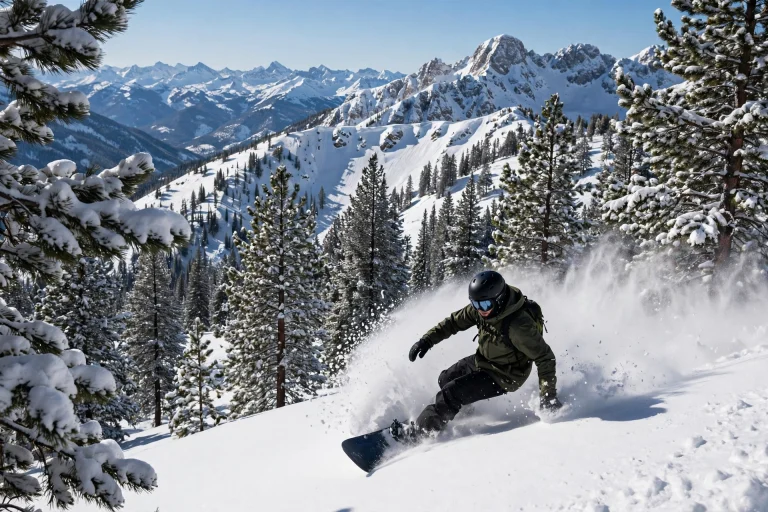
There is no helmet made specifically for dog sledding, so a musher who wants one would normally choose a helmet from another winter sport, such as a ski or snowboard helmet. A snow sports helmet is a reasonable choice because it is designed for cold weather, it fits well with goggles and warm layers, and it protects the head from impacts on snow and ice. A lightweight, well-ventilated helmet is worth considering, since the musher is active and can overheat while running beside the sled.
Fit matters as much as the type: the helmet should sit snugly and level, covering the forehead without slipping down over the eyes, and it should work with a balaclava or thin hat underneath. If you want to understand one of the safety technologies used in modern helmets, reading about what MIPS is for helmets is a good place to start, since that system is found in many snow helmets. In general terms, any helmet chosen for dog sledding should be comfortable enough to wear for hours in the cold.
What Other Safety Kit Matters in Dog Sledding?
Warm clothing is the most important safety kit in dog sledding, because the cold is the biggest and most constant risk. Insulated boots, warm gloves, a windproof outer layer, and a balaclava or face covering all help the musher stay warm through a long day on the trail. Staying warm matters more than any single piece of impact protection, because cold can sap strength and judgement.
Other kit includes a first aid kit, a way to call for help, and the skills to handle the dogs and the sled if something goes wrong. A musher should also know the trail, the weather, and the condition of the dogs before setting out. In general terms, a helmet is only one small part of staying safe on a dog sled, and it works best alongside warm kit, good planning, and experience with the team.
Should Beginners Wear a Helmet for Dog Sledding?
Beginners may find a helmet reassuring, and there is nothing wrong with wearing one while learning to handle a sled. A beginner is more likely to lose balance, misjudge a turn, or be caught out by a bumpy trail, and a helmet gives a margin of protection while those skills develop. Some tour operators may even offer helmets, and a beginner who is offered one can simply take it.
That said, a helmet should not replace learning how to stand on the sled, brake, and step off safely, because those skills are what keep a musher upright in the first place. In general terms, a helmet is a sensible extra for a beginner, especially on an icy or rough trail, but the best protection is a good guide, a steady team of dogs, and a trail that suits the musher’s level.
Do dog sledders wear helmets?
In general terms, no, most mushers do not wear a helmet, and helmets are not standard kit in dog sledding. Warm hats and hoods are the usual headgear, though some mushers wear a helmet in certain conditions.
Is a helmet required for dog sledding races?
There is no widely recognised rule that requires a helmet for dog sledding, and practices vary by event and organiser. It is worth checking the rules of a specific race or tour if you are taking part.
What helmet should I wear if I want one for dog sledding?
A snow sports helmet, such as a ski or snowboard helmet, is a reasonable choice. It should fit well with warm layers underneath and be comfortable enough to wear for hours in the cold.

Olivia
Writer at Helmet Today, covering helmet reviews, fit and riding safety.