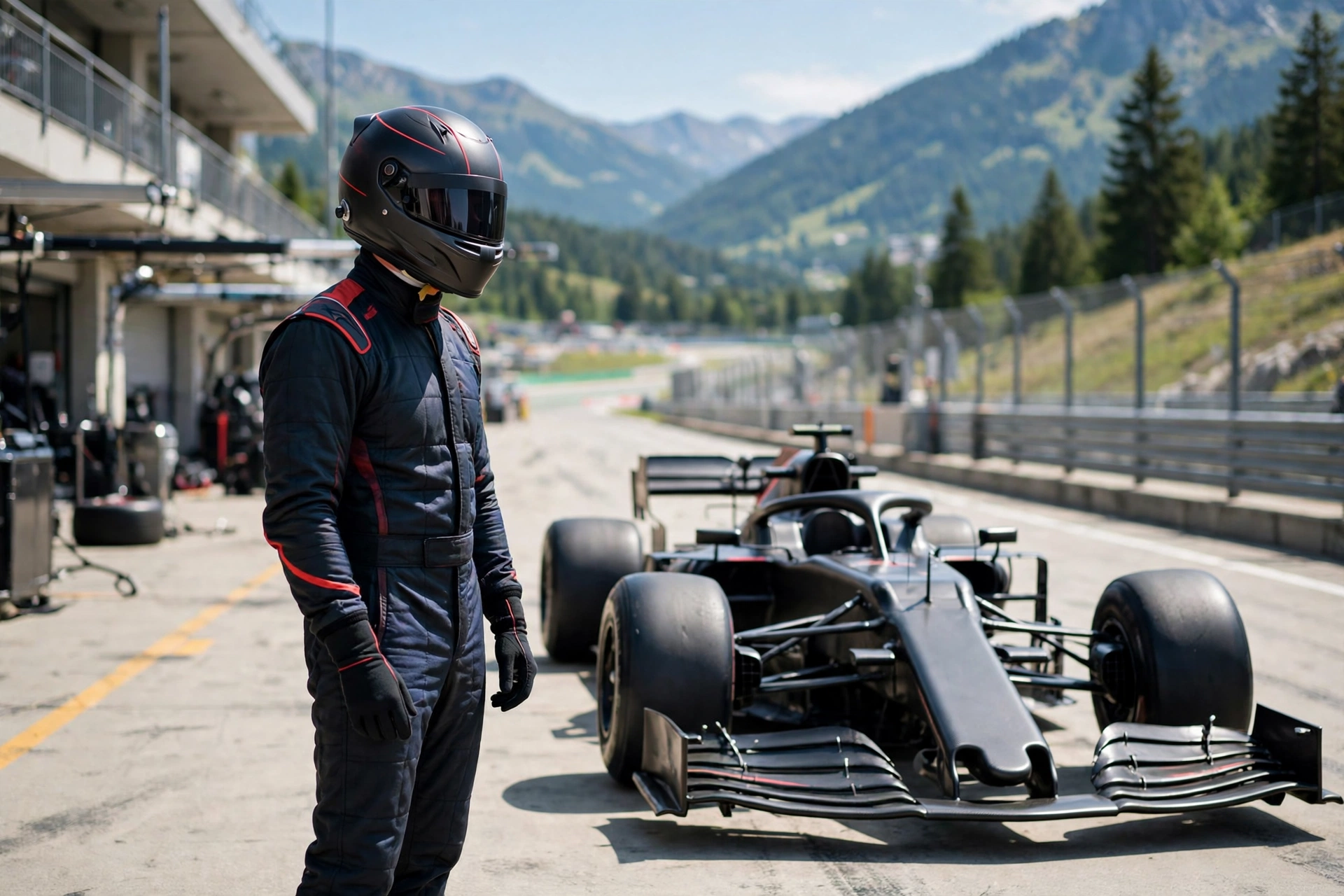
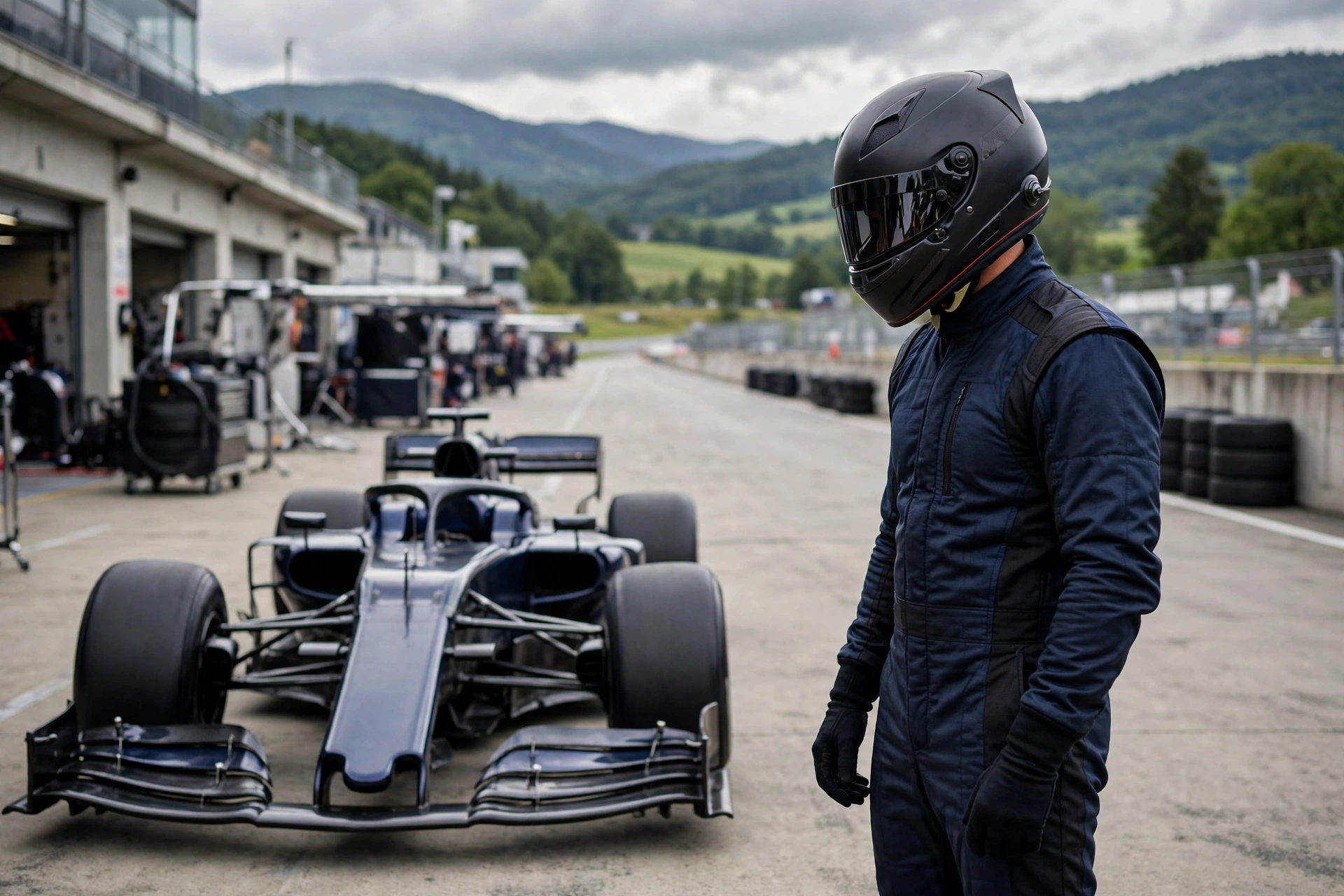
The FIA 8860-2018 helmet standard is the highest level of helmet certification set by the FIA, the governing body for world motorsport, for use in top-level racing series. It applies to helmets worn in Formula 1 and other leading championships, and it sets demanding requirements for impact protection, penetration resistance, and fire protection. The standard was introduced to replace an earlier version and to raise the bar for driver safety in the fastest forms of motorsport. If you watch a Grand Prix, the helmets you see on the grid are built and tested to this standard, or to one very much like it.
Who Sets the FIA 8860-2018 Standard?
The standard is set by the FIA, the Fédération Internationale de l’Automobile, which governs motorsport around the world. The FIA writes the technical rules for the championships it sanctions, and helmet standards are part of that work. When the FIA updates a helmet standard, manufacturers must submit their helmets for testing by approved laboratories before the helmets can be used in the series that require that standard.
The 2018 in the name refers to the year this version of the standard was introduced. Standards are updated from time to time as testing methods improve and as more is learned about head injuries in crashes. A new version usually tightens the requirements in some way, whether that means harder impacts in testing, new kinds of test, or stricter limits on how much force can reach the head.
What Does the FIA 8860-2018 Standard Test For?
In general terms, the FIA 8860-2018 standard tests a helmet’s ability to protect the driver in the kinds of crashes seen in top-level motorsport. Impact testing is at the heart of it: helmets are dropped onto hard surfaces and struck in different places, and the force that passes through to the head is measured. The standard also includes tests for penetration, where a sharp object is dropped onto the helmet to check that it cannot reach the wearer’s head.
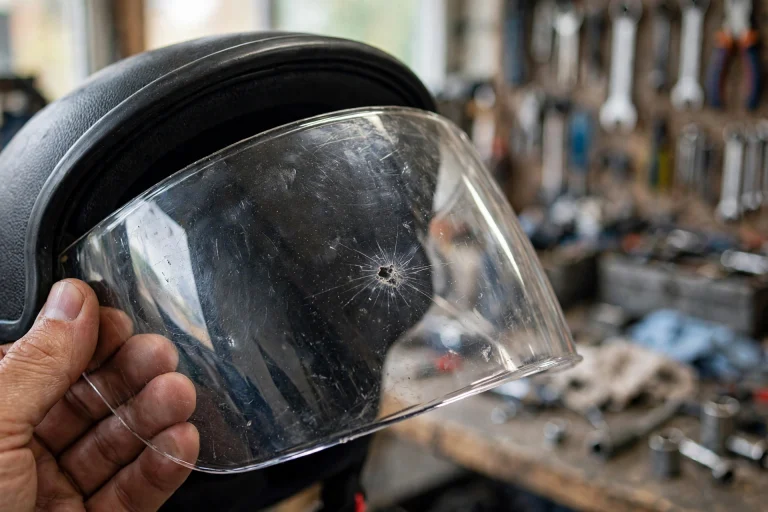
Fire protection is another major part of the standard, because a driver may need time to get out of a car after a crash. The helmet’s materials must resist heat and flame for long enough to give the driver a better chance of escaping. The visor is tested too, since it must stay in place and protect the eyes. If you want to understand one of the safety technologies used in modern helmets, reading about what MIPS is for helmets is a good place to start, as rotational protection is part of how modern helmet safety is judged.
How Is the FIA 8860-2018 Standard Different From Other Helmet Standards?
The FIA 8860-2018 standard sits at the top of the motorsport helmet world, above the standards used for most other forms of racing. Road helmet standards, such as those used for motorcycle helmets sold to the public, are designed for a different kind of crash, often at lower speeds and with different impact surfaces. The FIA standard is written for the extreme forces of a high-speed racing crash, including impacts against barriers and other cars.
It is also more demanding than the FIA’s own standard for lower levels of motorsport. That is the point of having a tiered system: a helmet for a top-level single-seater series faces greater risks than a helmet for a club-level event, so the testing is harder. In general terms, a helmet that passes the 8860-2018 standard has been through one of the toughest test programmes in the helmet world.
Do All Racing Drivers Have to Wear an FIA 8860-2018 Helmet?
No, not all racing drivers have to wear a helmet to this standard. The rules depend on the championship. Top-level series such as Formula 1 require helmets to the latest FIA standard, while other series may allow helmets certified to other recognised standards. A driver should always check the rules of the series they are entering, because wearing the wrong helmet can mean being turned away at scrutineering.
That said, many drivers in series that do not require this standard still choose helmets built to it, because of the extra protection it represents. The choice often comes down to budget and the level of risk involved. A helmet to the highest standard usually costs more than one built to a lower standard, and for a driver racing at club level, a helmet certified to the standard their series requires may be the sensible choice.
How Can You Tell If a Helmet Meets the FIA 8860-2018 Standard?
A helmet that meets the standard carries an FIA homologation label, usually found inside the helmet. The label shows the standard number and the homologation details, and it is the proof that the helmet model passed the required tests. Scrutineers at a race meeting will look for this label, so it should be kept in place and easy to read.
It is also worth checking that the label is genuine and that the helmet is the real product, not a copy. Buying from an authorised dealer is the safest way to do this. In general terms, if a deal looks too good to be true, or the label looks poorly printed or wrong, it is worth asking questions before spending money on the helmet.
When Should an FIA 8860-2018 Helmet Be Replaced?
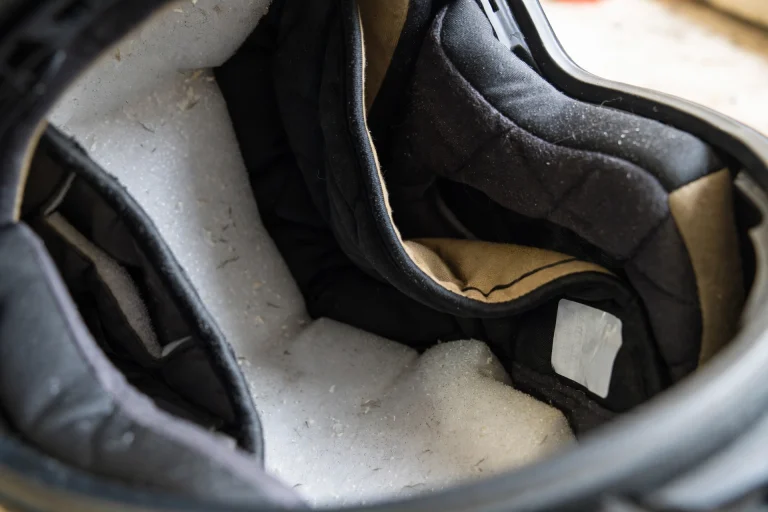
An FIA 8860-2018 helmet should be replaced after a hard impact, even if it looks undamaged from the outside. The liner inside a helmet can compress or crack when it absorbs a heavy blow, and that damage may not be visible under the shell. A helmet that has already taken a serious hit may not protect as well the next time, so it is generally sensible to retire it and use a new one.
Age matters as well. Helmet standards have a lifespan, and a homologation can expire, which means the helmet may no longer be accepted at scrutineering even if it is in good condition. Materials also age: sweat, heat, and time can wear down the liner and the straps. Checking the helmet before each event, looking for cracks, worn padding, or a loose fit, is a good habit, and replacing it when it no longer fits snugly or shows signs of wear is the right call.
Is the FIA 8860-2018 standard the highest motorsport helmet standard?
Yes, in general terms it is the highest level of helmet certification the FIA sets, intended for top-level championships such as Formula 1, with demanding impact, penetration, and fire protection tests.
Can I use an FIA 8860-2018 helmet on the road?
No, it is a motorsport helmet, not a road helmet. Road use has its own standards and rules, and a racing helmet may not meet the legal requirements for riding or driving on public roads.
Does the FIA 8860-2018 standard cover the visor?
Yes, in general terms the visor is part of the helmet’s safety system and is tested as part of the standard, so it must stay in place and protect the driver during an impact.

Olivia
Writer at Helmet Today, covering helmet reviews, fit and riding safety.