For a genuinely fast electric scooter — the kind that rides at moped or near-motorcycle speeds — yes, a full face helmet is the sensible choice. For a typical commuter scooter traveling at bicycle speeds, a certified bike or skate helmet is usually enough. The dividing line is not the scooter’s marketing name; it is how fast you actually ride and what you would hit your face on if you fell.
Electric scooters now span an enormous range. Some are gentle city runabouts, while dual-motor performance models accelerate like small motorcycles and cruise far faster than any bicycle. Riders often buy the helmet that matches the vehicle they imagine they bought rather than the speeds they actually travel. This guide helps you place your scooter on that spectrum, understand what a full face helmet adds, and decide when the extra coverage is worth the extra bulk.
How Fast Is “Fast” for an Electric Scooter?
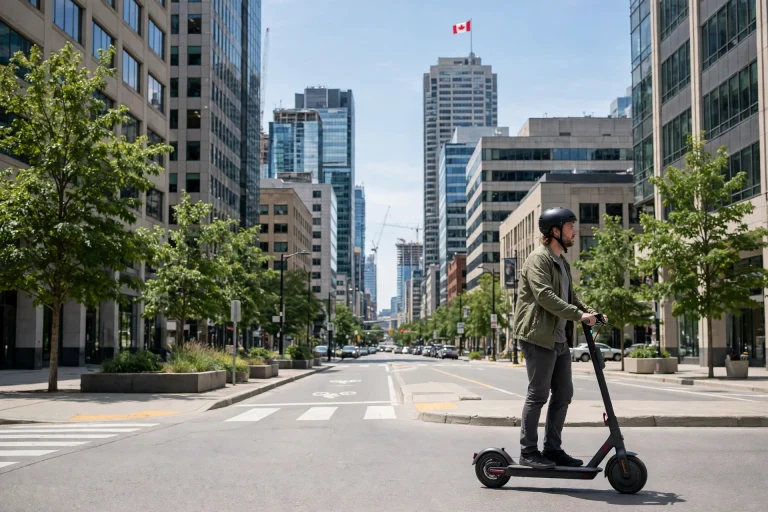
Most commuter and shared scooters are designed to travel at speeds similar to a bicycle — the pace of city bike lanes and shared paths. At those speeds, falls tend to be low-energy tip-overs and slides, and bicycle helmets are tested with exactly that kind of impact in mind.
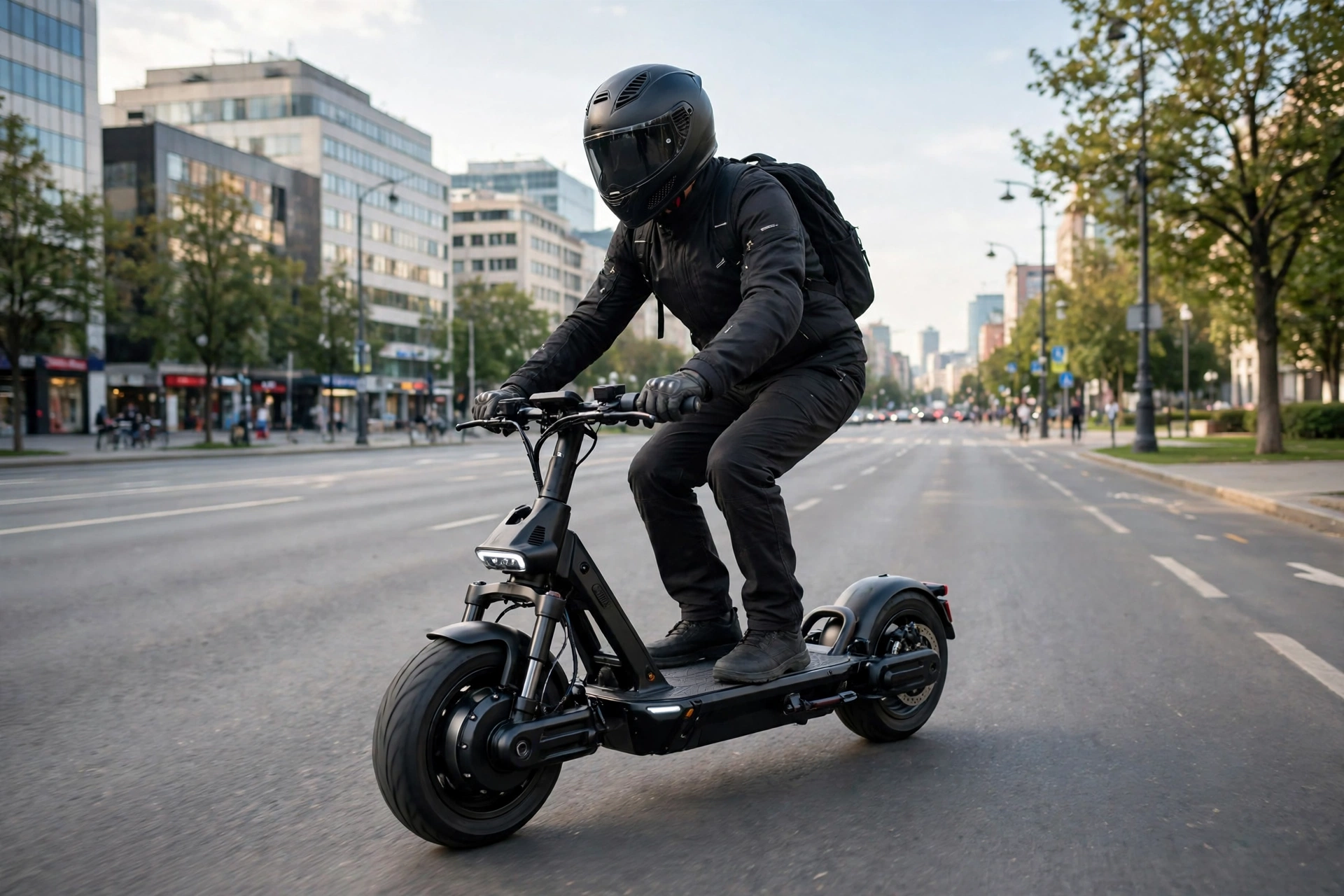
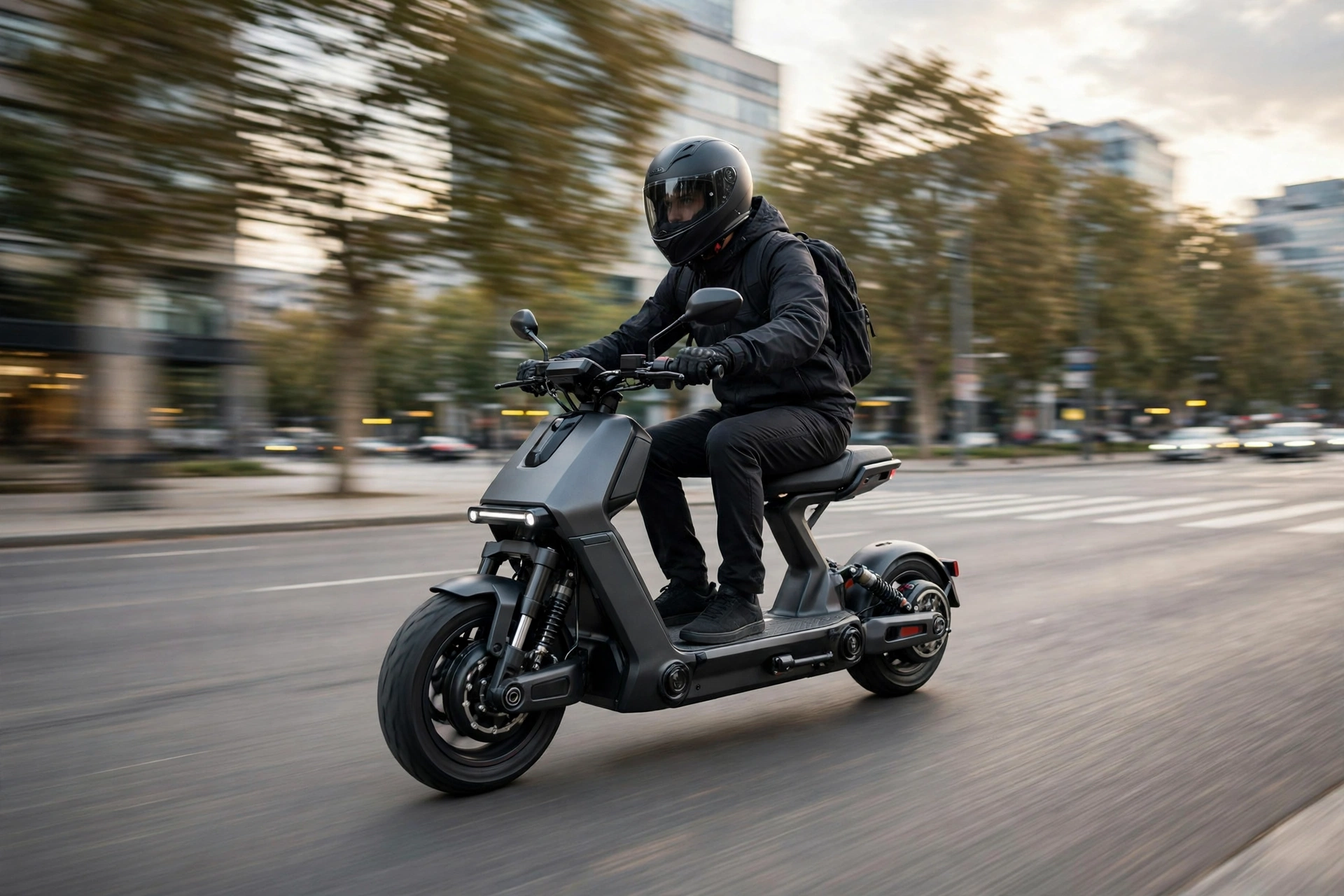
Performance scooters are a different category. They accelerate hard, weigh much more, and sustain speeds that match urban motorcycle traffic. At those speeds, a fall carries far more energy, the rider is more likely to be thrown forward, and the consequences of striking the ground or another vehicle grow sharply. In general terms, once your scooter regularly travels faster than a cyclist can, its risk profile starts to resemble a moped’s or motorcycle’s — and your helmet choice should follow that reality.
A useful self-test: if you would feel under-protected riding a small motorcycle at your scooter’s cruising speed wearing only a bicycle helmet, you have your answer.
What Extra Protection Does a Full Face Helmet Add?
A full face helmet extends protection to the chin, jaw, cheeks, and face — areas that open helmets leave completely exposed. That matters because forward falls are common on scooters: the small wheels can stop abruptly on a pothole, curb, or debris, pitching the rider face-first over the handlebars. The chin bar of a full face helmet is built to take that impact and keep your face off the pavement.
Full face helmets also tend to be built to more demanding standards. Motorcycle full face helmets are certified to the DOT standard, and many carry additional certifications. Their shells and foam are designed for higher-energy impacts than bicycle helmets face, and the retention systems are stronger.
The trade-offs are real but manageable: more weight, less airflow at low speed, and a bulkier helmet to carry. Modern lightweight full face designs — including downhill mountain bike helmets certified for bicycle use — narrow that gap for riders in the middle speed range who want chin protection without motorcycle weight.
Which Full Face Options Suit Scooter Riders?
There are three broad families to consider. A certified downhill or enduro mountain bike full face helmet is the lightest route to chin protection and is tested for bicycle-type impacts; it suits faster commuter scooters and riders who prioritize low weight and venting. A motorcycle full face helmet is the strongest option and the natural match for genuinely fast scooters ridden in traffic. Between them sit convertible helmets with removable chin bars, which let you run open-face at low speed and full-face when the ride gets fast.
Whichever family you choose, certification is the non-negotiable. Look for the standard appropriate to the class — CPSC or ASTM downhill certification for bicycle helmets, DOT (and ideally an additional rating) for motorcycle helmets. Avoid novelty or uncertified “full face” shells sold on looks alone; a chin bar without tested foam behind it adds little.
Comfort features matter more than riders expect. A fast scooter generates wind noise, so a helmet with a proper visor protects your eyes and hearing comfort, and good venting stops the helmet becoming a reason to skip it on warm days. Some riders also look at rotational-impact liners — systems like the one described in this explanation of MIPS helmet technology — though fit and certification should always come first.
What About Slower Scooters — Is Full Face Overkill?
For a scooter that lives at bicycle speeds, a full face helmet is more protection than most riders need, and the downsides — heat, weight, cost, storage — can discourage everyday use. A certified bike, skate, or urban helmet with good coverage is the standard, sensible choice, and it is far better worn daily than a full face helmet left at home.
That said, “overkill” is a personal call. Riders with dental concerns, previous facial injuries, or routes full of potholes sometimes choose a lightweight full face or convertible helmet even at moderate speeds, and there is nothing wrong with extra protection you will actually wear. The key is that the helmet is certified for the use and fits correctly.
Fit deserves emphasis at every speed: a full face helmet should be snug without pressure points, the cheek pads firm, and the helmet should not shift when you shake your head. A loose full face helmet gives up much of its advantage.
How Should You Decide for Your Own Scooter?
Work through three questions. First, what speed do I actually cruise at — not the scooter’s top speed on a spec sheet, but my everyday pace? Second, where do I ride — quiet bike lanes, or fast mixed traffic where a fall could involve another vehicle? Third, what is my scooter’s character — light and nimble like a bicycle, or heavy and powerful like a small motorcycle?
Bicycle-speed answers point to a certified bike or skate helmet. Motorcycle-speed answers point to a full face. Most riders on performance scooters discover their honest answers land closer to the motorcycle end than they assumed, which is why full face helmets are becoming common in that crowd.
Whichever you choose, treat it like protective equipment, not an accessory: replace it after any crash, store it out of harsh sun, and wear it on every ride — including the short ones, because most falls happen close to home.
Frequently Asked Questions
Q: At what speed should I switch to a full face helmet?
A: There is no single official cutoff, but in general terms, once your scooter regularly cruises beyond comfortable bicycle speeds and rides in faster traffic, full face protection becomes the sensible choice.
Q: Can I use a motorcycle helmet on a slow commuter scooter?
A: Yes — it will protect you, and it is legal to wear in general terms. Most riders find it hot and heavy at low speeds, which is why a certified bike or skate helmet is the more popular everyday pick for slow scooters.
Q: Are downhill mountain bike helmets a good middle option?
A: Yes, for many riders. A certified downhill full face helmet adds chin protection at much lower weight than a motorcycle helmet, making it a good match for faster commuter scooters.

Olivia
Writer at Helmet Today, covering helmet reviews, fit and riding safety.