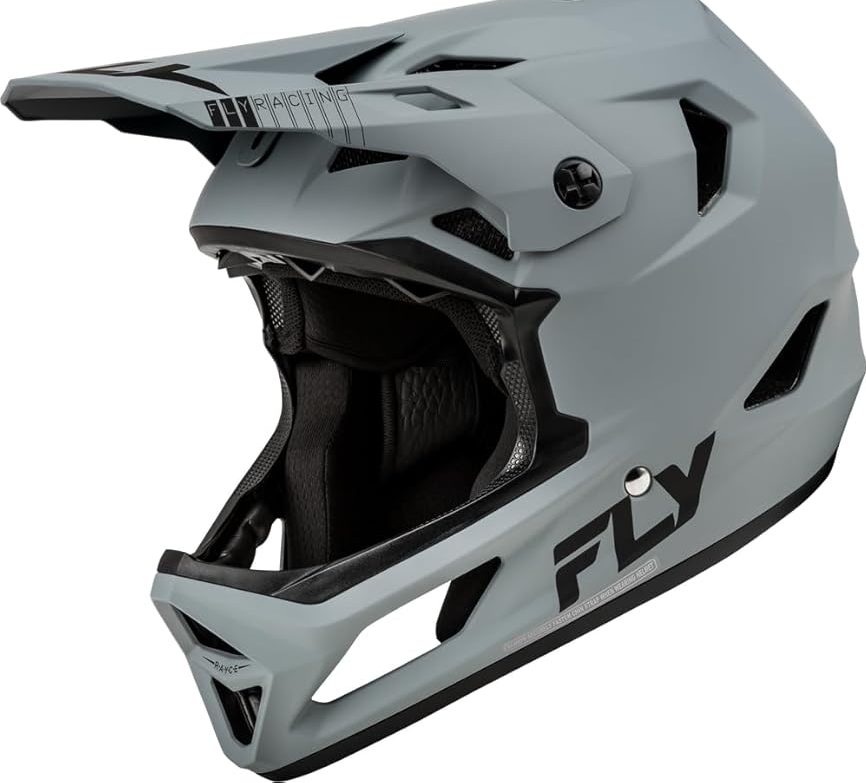

A full face Vespa helmet gives a very different riding feel from an open-face design. Your head, face, and chin are enclosed, so the helmet can feel more secure and protected. It can also feel warmer and less airy.
While researching full-face scooter helmets, I found that many buyers focus on the shell design and forget the small daily details. Fit, visor clarity, ventilation, weight, glasses, and the chin area can make a much bigger difference once you ride regularly.
Why Choose a Full Face Vespa Helmet?
The main reason to choose a full-face helmet is coverage. The design surrounds the head and extends down around the chin and face.
That extra coverage changes the riding experience. Wind hits differently, road dust is easier to keep away from your face, and the helmet feels more enclosed.
| Full-Face Feature | Practical Benefit |
|---|---|
| Chin bar | Adds lower-face coverage |
| Full visor | Helps block wind and debris |
| Enclosed shell | More covered riding position |
| Full liner | More contact around the head |
The trade-off is just as important. A full-face helmet can feel warmer and heavier than an open-face helmet.
That is not necessarily a problem. It simply means the helmet needs to suit your normal riding conditions.
How Should a Full Face Vespa Helmet Fit?
Fit is where I would spend most of the buying time. A helmet can have excellent features and still be wrong if the shape does not match your head.
A good full-face helmet should feel snug across the head. It should not wobble when you move your head.
How Tight Should a Full Face Helmet Feel?
New padding often feels firm. That is normal. The padding can settle a little after use.
What you should not accept is sharp pain or strong pressure in one small area.
| Fit Problem | What It Can Mean |
|---|---|
| Helmet slides around | Size may be too large |
| Strong temple pressure | Shape may not suit you |
| Pain at forehead | Poor fit or wrong shape |
| Helmet lifts easily | Retention needs checking |
One mistake I often see in helmet buying advice is treating “comfortable” as “loose.” Those are not the same thing.
A secure helmet can feel snug without being painful.
Does a Full Face Vespa Helmet Feel Too Heavy?
Weight becomes more noticeable with a full-face design because there is more material around the head and face.
A few minutes in a shop may not reveal this. Daily riding can.
If the helmet feels heavy on your neck or creates pressure after a longer ride, that matters.
What Makes a Full Face Helmet Feel Heavy?
Weight is only part of the story. Balance also matters.
A well-balanced helmet can feel easier to wear than a slightly lighter helmet that sits awkwardly.
| Weight Concern | What to Check |
|---|---|
| Neck feels tired | Overall helmet weight |
| Front feels heavy | Helmet balance |
| Head feels pushed down | Fit and padding |
| Long rides feel tiring | Try a longer fitting period |
Do not chase the lowest weight alone. A helmet still needs to provide the coverage and features you need.
How Important Is Ventilation on a Full Face Vespa Helmet?
Ventilation becomes one of the biggest comfort issues with a full-face helmet.
The chin bar and visor reduce direct airflow around the face. Good vents help move air through the helmet and reduce heat buildup.
Where Should the Air Flow?
Useful airflow usually comes from front intake vents and rear or upper exhaust areas.
The exact layout differs between helmets, so look at the actual vent design rather than assuming more holes always mean better airflow.
| Vent Area | Main Job |
|---|---|
| Chin vent | Moves air near the face |
| Top vents | Brings air toward the head |
| Rear vents | Helps release warm air |
Hot weather can expose poor ventilation very quickly. A helmet that feels comfortable in an air-conditioned shop may feel completely different outside.
Is the Visor Important on a Full Face Helmet?
Very much so. The visor is your main view through the helmet, so clarity matters.
A good visor should open and close smoothly. It should stay secure and give you a clear view without major distortion.
Clear or Tinted Visor?
For everyday use, clear is the simpler option. It works across more lighting conditions.
A tinted visor can help in strong daylight, but it may not suit evening or low-light riding.
| Visor | Best Fit |
|---|---|
| Clear | Mixed daily riding |
| Light tint | Bright daytime rides |
| Dark tint | Strong daylight |
I would also check how easy the visor is to clean. Dust and fingerprints become very noticeable when sunlight hits the surface.
Can You Wear Glasses With a Full Face Vespa Helmet?
Yes, but glasses need to be part of the fitting process.
The helmet should not crush the glasses against your face or push the arms hard into your ears.
What If Glasses Fog Inside a Full Face Helmet?
Fogging is a common frustration because your warm breath meets cooler air or a cooler visor.
Good airflow can help. Some helmet systems also use features designed to reduce visor fog.
| Glasses Problem | What to Check |
|---|---|
| Frame presses ears | Side padding |
| Glasses shift | Helmet fit |
| Lens fogs | Airflow |
| Visor fogs | Venting and visor system |
Do not wait until after buying the helmet to test this. Wear your actual glasses during the fitting.
Does a Full Face Vespa Helmet Work Well in Rain?
A full-face helmet can make wet rides more comfortable because the visor and chin area cover more of the face.
Rain can still create problems, though. Water may reach the visor, and fogging can become worse when the air is cool and humid.
How Can You Keep the Visor Clear in Rain?
Keep the visor clean and make sure the ventilation system works as intended.
Avoid wiping the inside with rough material. Small scratches can make night riding much harder when lights reflect across the visor.
| Rain Issue | Practical Step |
|---|---|
| Water on visor | Use a suitable visor system |
| Inside fogging | Improve airflow |
| Wet liner | Dry fully after riding |
| Poor visibility | Clean the visor |
Rain also makes helmet care more important. Never store a wet helmet inside a closed bag for long.
Is a Full Face Helmet Better for Highway Riding?
A full-face design provides more coverage than an open-face helmet, which can make it more suitable for riders who spend time on faster roads.
But helmet choice should still follow the rider’s route, speed, local rules, fit, and personal needs.
The word “full-face” alone does not tell you whether a particular helmet is right for you.
| Riding Style | What to Think About |
|---|---|
| City commuting | Weight and airflow |
| Longer rides | Comfort and fit |
| Faster roads | Coverage and stability |
| Mixed weather | Visor and ventilation |
For mostly urban riding, you may value easy daily use more than extra features.
What Safety Details Should You Check?
The helmet should meet the safety standard required in your riding area. Check the certification marking and product information before buying.
Fit also matters. A certified helmet that does not fit properly is not a good purchase.
What Should I Inspect Before Riding?
Take a quick look at the shell, visor, strap, and padding.
Do not ignore small signs of damage.
| Check | What to Look For |
|---|---|
| Shell | No obvious damage |
| Chin strap | Secure attachment |
| Visor | Clear and stable |
| Padding | Firm and intact |
After a serious impact, follow the manufacturer’s replacement guidance. A helmet can have internal damage that is not easy to see from outside.
What Mistakes Do People Make With Full Face Helmets?
The most common mistake is choosing a helmet from a photo.
Full-face helmets vary a lot in shape. Two helmets with the same listed size can feel very different on the same head.
| Mistake | Better Approach |
|---|---|
| Buying by size alone | Measure and try it on |
| Ignoring head shape | Check pressure points |
| Choosing only by weight | Check balance too |
| Forgetting glasses | Fit with glasses |
| Ignoring ventilation | Check vent layout |
Another mistake is buying the most feature-packed helmet without thinking about how those features will be used.
More features do not automatically mean a better match.
How Do You Care for a Full Face Vespa Helmet?
Full-face helmets have more surfaces and padding to clean. Sweat can build up inside, while dust and insects can collect around the visor and vents.
Follow the maker’s cleaning instructions, especially for the liner and visor.
Which Parts Need the Most Attention?
The liner, visor, chin strap, and ventilation openings usually deserve regular checks.
| Part | Simple Care |
|---|---|
| Visor | Gentle cleaning |
| Liner | Follow care instructions |
| Chin strap | Wipe and dry |
| Vents | Remove loose dust |
Avoid harsh cleaners unless they are approved for the helmet. Strong chemicals can damage some helmet materials.
Let the helmet dry naturally after cleaning or rain.
Is a Full Face Vespa Helmet Too Much for City Riding?
Not necessarily. Some riders prefer the extra coverage even on short trips.
The real question is whether you are comfortable with the added weight, heat, and enclosed feel.
If you regularly ride in hot weather, ventilation may matter more than the extra features that look impressive on a product page.
When Should You Replace a Full Face Helmet?
A full-face helmet should be replaced after a serious impact according to the manufacturer’s guidance.
You should also watch for worn padding, damaged straps, cracks, or other signs that the helmet is no longer in good condition.
Is an Old Full Face Helmet Still Usable?
Age and condition both matter. Materials can change over time, and the manufacturer may provide a recommended service life.
A used helmet is harder to judge because its past is unknown.
| Situation | Sensible Action |
|---|---|
| Major impact | Replace as advised |
| Cracked shell | Stop using |
| Damaged strap | Inspect or replace |
| Unknown used history | Avoid relying on appearance |
A helmet is not something I would choose based on the cheapest possible option.
My Full Face Vespa Helmet Buying Checklist
Before buying, I would keep the process simple.
Check the fit first. Then look at safety certification, visor quality, ventilation, weight, glasses compatibility, and daily comfort.
A useful checklist is:
- Measure your head.
- Try the helmet on.
- Check for pressure points.
- Move your head from side to side.
- Test the chin strap.
- Check visor clarity.
- Try it with glasses.
- Look at the ventilation system.
- Check the required safety marking.
- Consider your normal weather and route.
Only after those checks would I worry about color, graphics, or retro styling.
Final Thoughts
A full face Vespa helmet can be a strong choice for riders who want more head and face coverage. It can also make longer or faster rides feel more enclosed and protected from wind, dust, and rain.
The biggest lesson is not to choose by appearance or feature count. Get the fit right first. Then check the visor, airflow, weight, glasses fit, safety certification, and care needs. Those details are what you will notice every time you ride.
FAQs About Full Face Vespa Helmets
Is a full face Vespa helmet good for scooter riding?
Yes, it can suit scooter riding well. It gives more face and chin coverage, but it may feel warmer and heavier than an open-face helmet.
How should a full face Vespa helmet fit?
It should feel snug without sharp pain. The helmet should stay stable when you move your head and should not slide from side to side.
Can I wear glasses with a full face Vespa helmet?
Yes. Try the helmet with your glasses on. Check that the frame does not press your ears or move when the helmet is fitted.
Is a full face helmet too hot for a Vespa?
It can feel warm in hot weather. Good vents, light padding, and proper airflow can make a large difference during daily scooter rides.
Does a full face Vespa helmet need a clear visor?
A clear visor is useful for mixed riding. It gives a clear view in daylight and low light, while tinted visors work better in bright conditions.

Olivia
Writer at Helmet Today, covering helmet reviews, fit and riding safety.