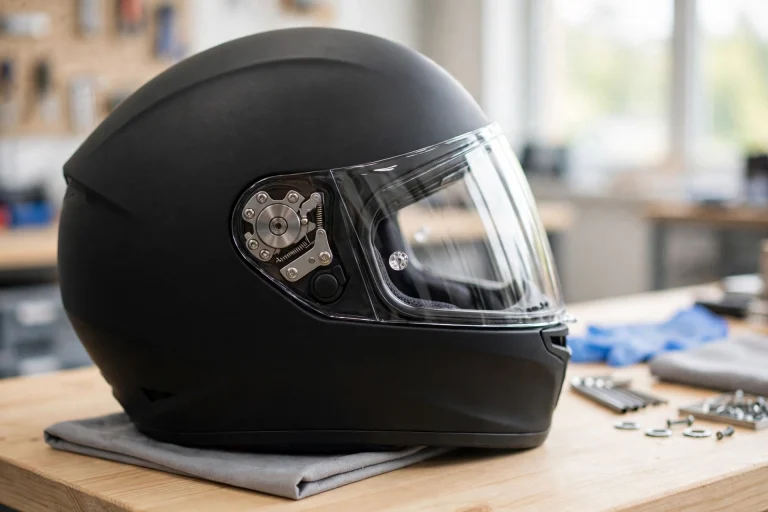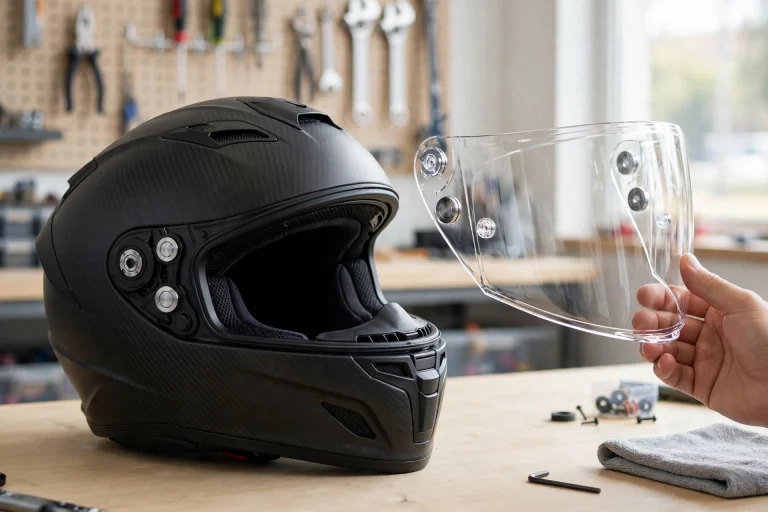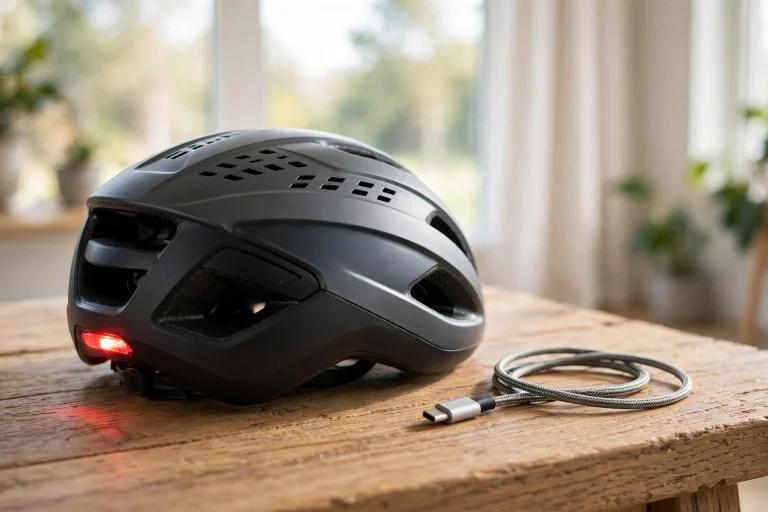
A helmet with an emergency beacon is a helmet that can send out a distress signal or an alert to your emergency contacts if you crash or get into trouble while riding. The beacon is usually a small module built into the helmet, or a sensor paired with an app on your phone, and it works by detecting a sudden impact or a fall and then raising the alarm. In general terms, it is a safety feature designed for riders who go out alone, on quiet roads or trails where help might not arrive quickly on its own.
How Does an Emergency Beacon in a Helmet Work?
Most helmet beacons work through motion sensors. An accelerometer inside the helmet, or in a small module attached to it, watches for sudden changes in movement. A normal ride has a familiar pattern of bumps and vibrations, but a crash looks very different: a sharp deceleration, a sudden change in direction, or a hard impact followed by stillness. When the sensors detect that pattern, the system treats it as a possible crash.
What happens next depends on the design. In many systems, the helmet or the paired app starts a short countdown, often with a loud alert sound and a vibration on your phone. If you are fine, you can cancel the alert within that window — usually somewhere between half a minute and a minute. If you do not cancel it, the system sends an alert to your emergency contacts, usually by text message, with your location and a message saying you may have crashed.
Some beacons work through your phone, using its GPS and mobile signal to send the alert. Others have their own cellular or satellite connection built in, so they can send an alert even if your phone is damaged or out of range. The phone-based kind is more common and usually cheaper, but it depends on your phone surviving the crash and having a signal. A standalone beacon with its own connection is more independent, but it usually costs more and needs its own subscription or charging routine.
What Happens After the Beacon Sends an Alert?
When an alert goes out, it usually reaches the emergency contacts you set up in advance — a partner, a family member, or a friend. The message normally includes your location, the time of the alert, and a note that you may have had a crash. Some systems also let your contacts see your live location afterwards, so they can find you or direct emergency services to you.
One more practical point: the beacon is only useful if someone can act on the alert. Make sure your emergency contacts know they are listed, know what the message looks like, and know what to do when they get one. A contact who ignores an unfamiliar text message is no help at all. If you are interested in the other safety technology built into modern helmets, reading about what MIPS is for helmets can help you understand how helmets protect your head in the first place.

Can an Emergency Beacon Be Trusted in a Real Crash?
An emergency beacon is a useful extra layer of safety, but it is not a guarantee. The sensors can miss a crash, especially a slow-speed fall or a slide where the impact is gradual rather than sudden. They can also trigger when nothing serious has happened, such as when a helmet is dropped or knocked hard. In general terms, the technology is good at catching the obvious, high-impact crashes and less reliable at the edges.
Signal is another weak point. A phone-based beacon needs a mobile signal to send its alert, and many of the quiet rural roads and trails where a beacon matters most have patchy coverage. If there is no signal, the alert may be delayed or may not go through at all. A satellite-based beacon avoids that problem, but it is more expensive and needs a clear view of the sky to work well. Before relying on any beacon, think about where you actually ride and whether a signal is available there.
What Should You Look for in a Helmet with an Emergency Beacon?
The first thing to check is how the alert is sent. Does it go through your phone, or does the helmet have its own connection? Does it alert your personal contacts, or a monitoring centre? Does it work where you ride, or does it need a signal you may not have? The answers will tell you a lot about whether a particular system fits your needs.
Compatibility is worth checking too. Some beacons only work with one brand of helmet, while others are small modules you can fit to a helmet you already own. A module you can move between helmets is more flexible and often cheaper than buying a whole new helmet, and it means you can keep using a helmet you already trust. If you do buy a helmet with a built-in beacon, make sure the helmet itself fits well and meets the right safety standard — the beacon is no use on a helmet that does not protect you properly.
Who Benefits Most from an Emergency Beacon?
Solo riders benefit most. If you usually ride alone, especially on quiet roads, trails, or in the mountains, an emergency beacon gives someone else a way to know if you are in trouble. Riders who go out early in the morning or late in the evening, when there are few other people around, get the same benefit. For these riders, a beacon is a sensible piece of kit, much like carrying a phone and telling someone your route.
Mountain bikers and trail riders are another group who often choose beacons. Trails can be remote, the terrain can be rough, and a fall can leave you out of sight of the trail and out of reach of other riders. A beacon that can raise the alarm without you having to reach your phone is genuinely useful in that setting, particularly if it has its own connection rather than relying on a phone signal.
Older riders and riders with a health condition may also find a beacon reassuring. If you have a condition that could leave you unable to call for help, an automatic alert adds a layer of security that a phone alone does not provide. It can also reassure your family, which matters — knowing that someone will be told if something happens can make it easier for everyone to feel comfortable about you riding alone.
Frequently Asked Questions
Q: Does an emergency beacon call an ambulance directly?
A: In general terms, no. Most beacons alert your personal emergency contacts, who then call for help if needed. A few services have a monitoring centre that contacts emergency services for you, but that usually needs a subscription — check what your system actually does.
Q: Will dropping my helmet set off a false alarm?
A: It can, because a hard drop looks like a crash to the sensors. Most systems give you a countdown window to cancel the alert before it is sent, so a false alarm is easy to stop if you notice it in time.
Q: Does an emergency beacon work without a phone signal?
A: A phone-based beacon needs a mobile signal to send its alert, so it may not work in areas with no coverage. A satellite-based beacon can work without a phone signal, but it costs more and needs a clear view of the sky.

Olivia
Writer at Helmet Today, covering helmet reviews, fit and riding safety.