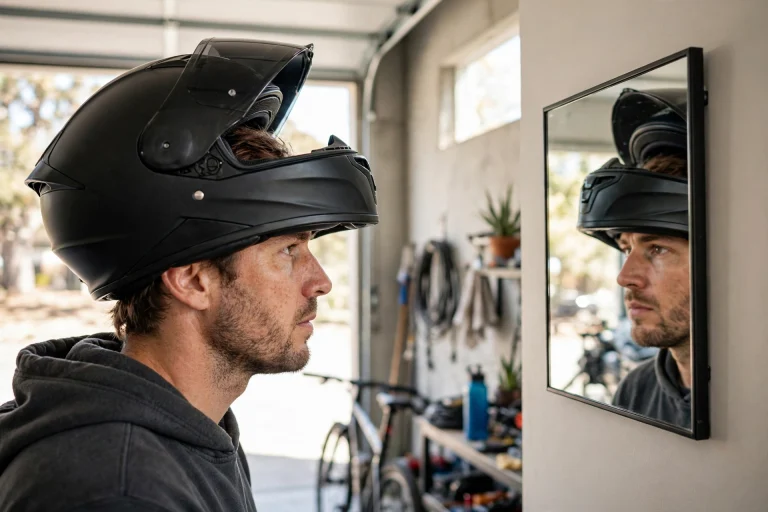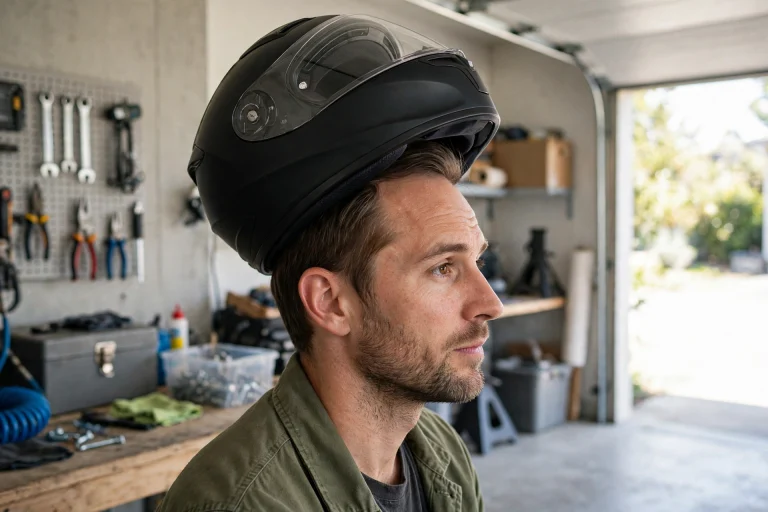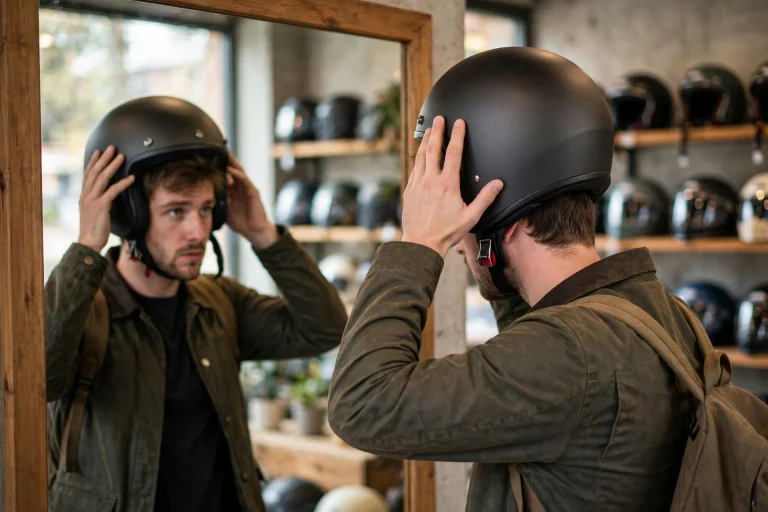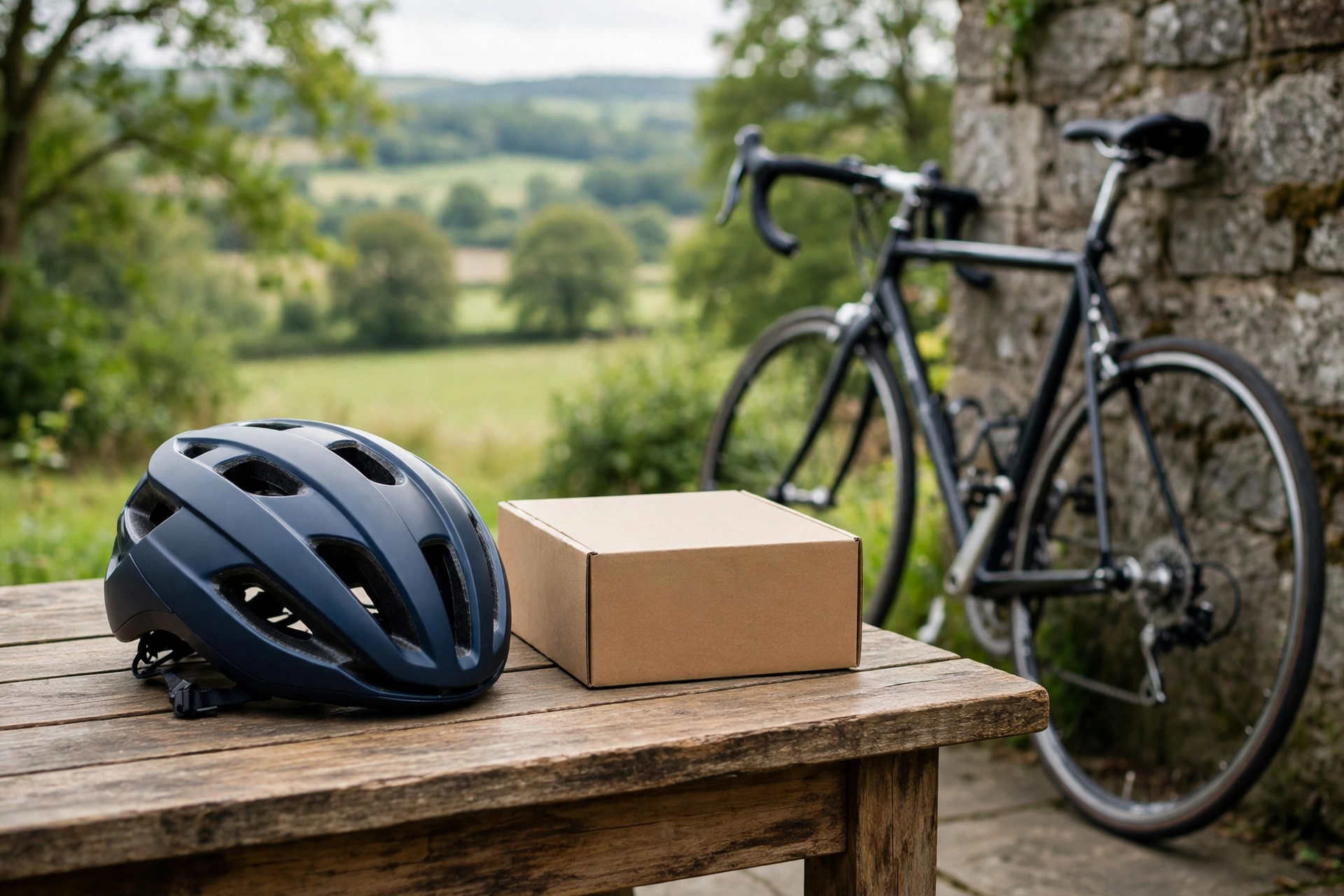
After a head injury, do not rely on a helmet fit check alone — follow your clinician’s guidance on when it is safe to ride again, and replace the helmet that was worn in the incident, because a helmet that has taken a significant impact should not be used again. A helmet fit check can tell you whether a new helmet sits correctly on your head, but it cannot tell you whether you are ready to ride, and that decision belongs to a clinician, not to a guide or a shop assistant.
Many riders who have had a head injury are keen to get back on the bike, and the first question they ask is often about the helmet: is the old one still safe, and will a new one fit the same way? Those are fair questions, but they come second to the question of recovery. This guide explains what to check about the helmet after a head injury, how to fit a replacement, and why the medical side of recovery should always come first.
What Should You Do with the Helmet Worn in the Incident?
Replace it. A helmet that was worn during a significant impact should be retired, even if there is no visible crack. The foam inside a helmet works by compressing to absorb force, and once it has been compressed by a hard knock it may not protect as well next time. A shell that looks fine on the outside can hide foam that has been damaged inside, and there is no reliable home test for that damage.
Keep the helmet for a while if your clinician, insurer, or the police ask to see it, but do not keep using it, and do not pass it on to someone else. Mark it clearly as retired so that nobody picks it up by mistake, and dispose of it as your local guidance suggests once it is no longer needed. In general terms, a helmet that has done its job once should be thanked and retired, not reused.
When Is It Safe to Think About Riding Again?
That question can only be answered by a clinician who knows your situation. Head injuries vary widely, recovery times vary, and the signs that you are ready to ride again are medical signs, not matters of helmet fit or confidence. Do not set your own return date, and do not let eagerness to ride, a planned event, or pressure from others decide it for you.
Follow the guidance you were given at the time of the injury, attend any follow-up appointments, and raise any ongoing symptoms — such as headaches, dizziness, difficulty concentrating, or sensitivity to light or noise — with your clinician, even if they seem mild. In general terms, symptoms that linger are a reason to wait and to seek advice, not a reason to push through and ride anyway.
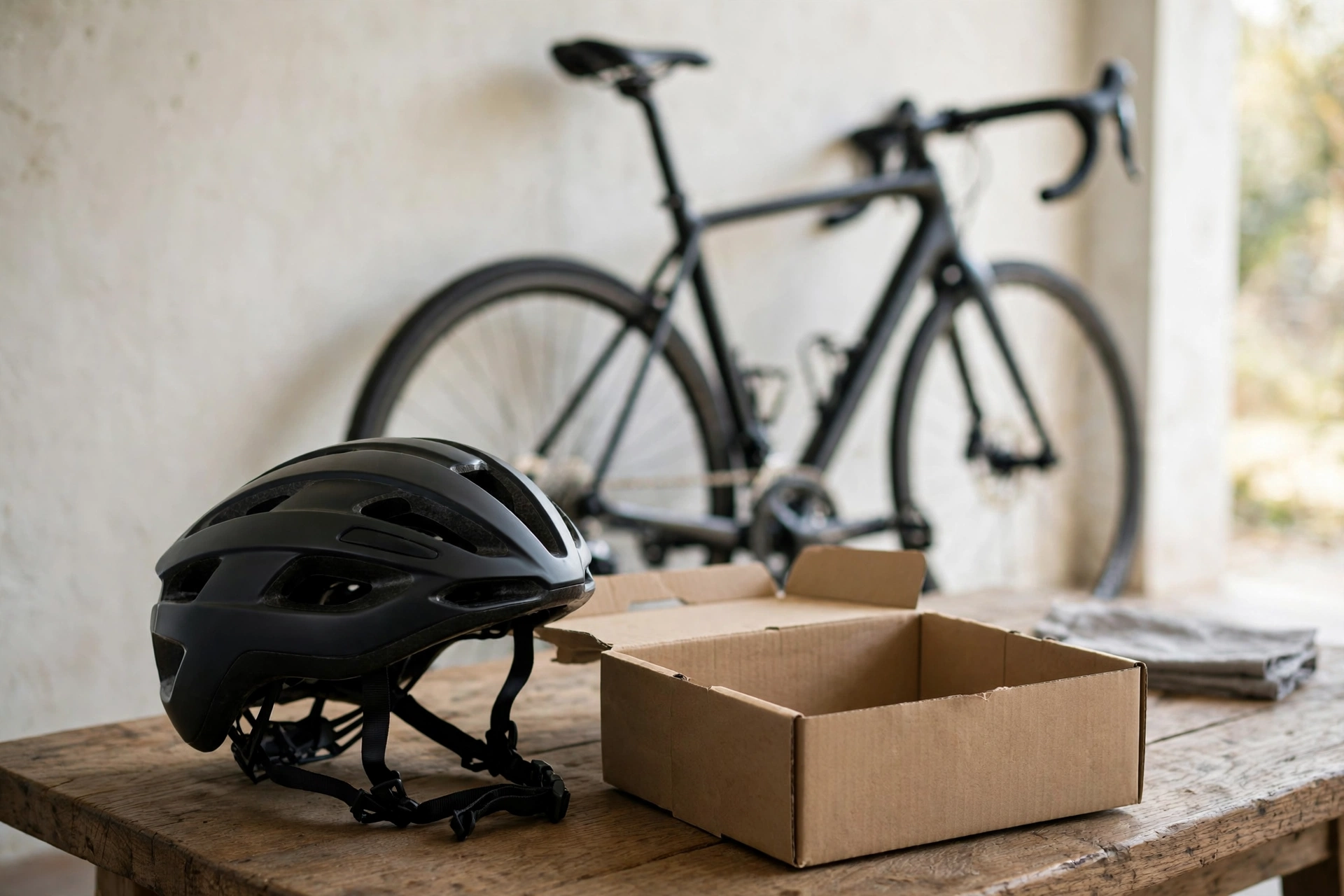
How Should You Fit a Replacement Helmet?
Once your clinician has said it is safe to ride again, fit the replacement helmet as you would any new helmet, but take extra care and do not rush the process. Measure your head, choose the right size, and try the helmet on with your hair in your usual riding style. The helmet should sit level, with the front edge about two fingers’ width above the eyebrows, and it should feel snug all round without pressing painfully.
Check the straps carefully. The side straps should meet in a V just below each ear, and the chin strap should be snug enough that only one or two fingers fit underneath. Open your mouth wide: the helmet should pull down slightly, which shows the strap is holding it in place. Shake your head gently: the helmet should move with your head, not slide around on its own. If the fit feels different from your old helmet, that may simply be because the new model has a different shape, and trying another model is better than forcing a poor fit.
Take the helmet for a short, gentle ride first, on a quiet route, and pay attention to comfort and fit. If anything presses, rubs, or feels uneven, stop and adjust the pads or straps, or try a different model. If you want to understand how some helmets handle the twisting forces that can happen in a fall, reading about what MIPS is for helmets can help you decide whether that feature is worth looking for in a replacement, but fit and your clinician’s guidance should come first.
What Should You Check Before Each Ride After a Head Injury?
Before each ride, check the helmet for damage, check the straps and the buckle, and check that the helmet still sits level and snug. This is good practice for every rider, and it matters even more after a head injury, because a helmet that has loosened or been knocked about since the last ride may not protect as well as it should. Replace the helmet after any further significant impact, however minor the incident seems.
Also check how you feel before you ride. If you notice symptoms that were not there before, or that have come back, do not ride, and speak to your clinician. In general terms, a ride should only happen on a day when you feel well, and a ride should be cut short if symptoms appear during it. Riding through discomfort after a head injury is not a sign of toughness; it is a risk that is not worth taking.
What Should You Avoid After a Head Injury?
Avoid the temptation to reuse the old helmet because it looks undamaged, and avoid the temptation to ride before your clinician says it is safe. Both are common mistakes, and both carry real risk. A helmet that has taken a significant impact may look fine while offering far less protection, and riding before you have recovered can turn a minor setback into a serious one.
Finally, avoid treating a helmet as a guarantee of safety. A good helmet, fitted well, is an important piece of protection, but it cannot prevent every injury, and it cannot replace careful riding, good judgement, and following your clinician’s guidance. The helmet is there to help if something goes wrong; the best outcome is that it never has to.
Frequently Asked Questions
Q: Can I keep using my helmet after a head injury if it looks undamaged?
A: No. A helmet worn during a significant impact should be replaced, even if there is no visible crack, because the foam inside may have been compressed and may not protect as well next time. Follow your clinician’s guidance on recovery, and fit a new helmet when they say it is safe to ride again.
Q: When can I ride again after a head injury?
A: Only your clinician can answer that, because head injuries and recovery times vary widely. Follow the guidance you were given, attend follow-up appointments, and do not set your own return date or ride through ongoing symptoms.
Q: Should I choose a different type of helmet after a head injury?
A: In general terms, the most important thing is a new helmet that fits well and meets a recognised safety standard for your type of riding. A different model or shape may fit better than your old one, so try helmets on carefully, and discuss any concerns with your clinician or a specialist shop.

Olivia
Writer at Helmet Today, covering helmet reviews, fit and riding safety.