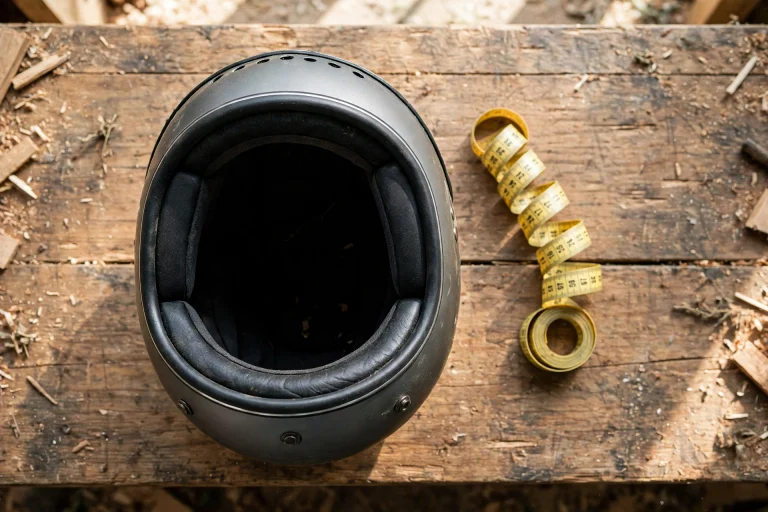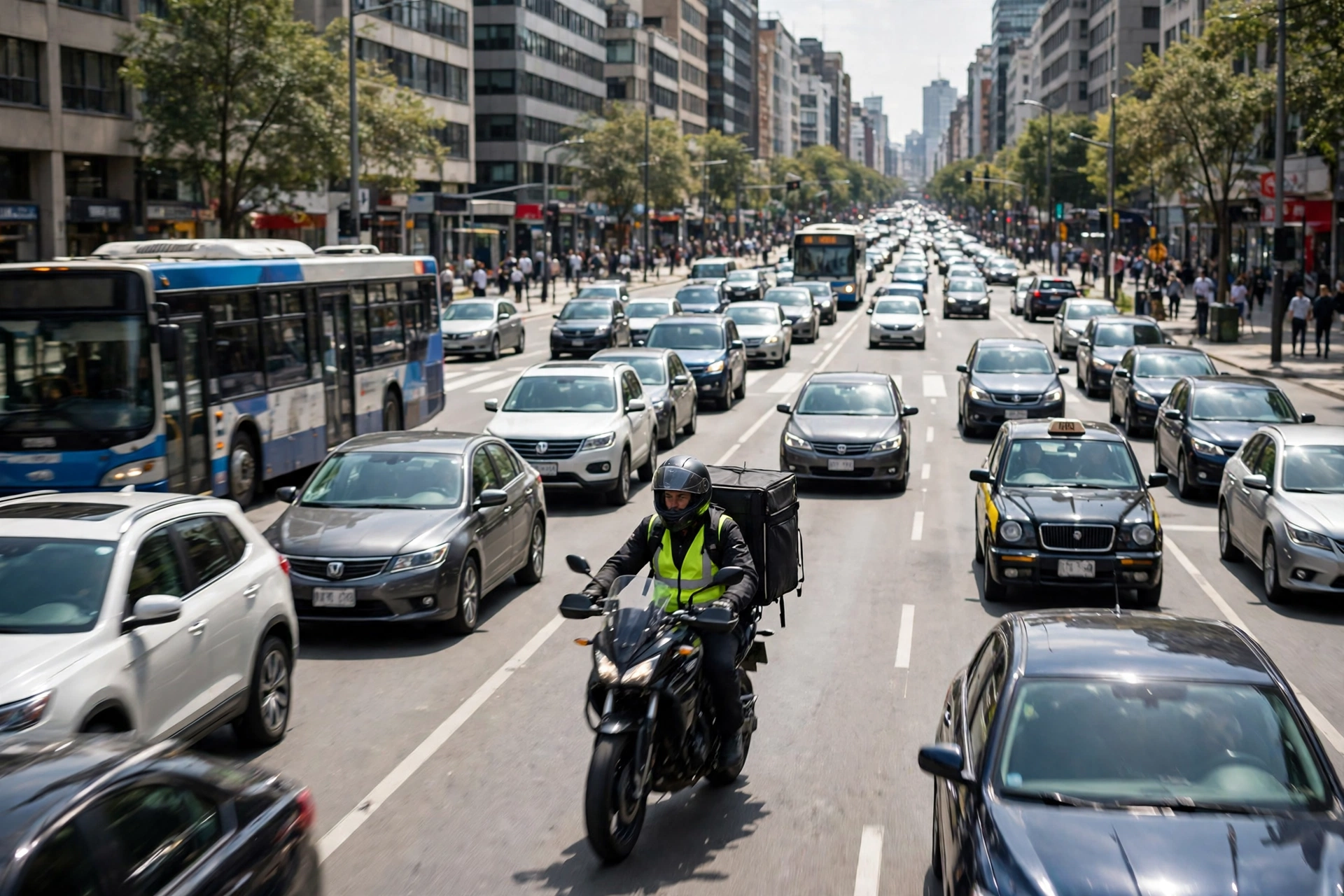
To choose a helmet for motorcycle couriers, prioritize all-day comfort, a flip-up chin bar for constant stops, easy-clean removable liners, and a drop-down sun visor — because a courier wears a helmet for eight to ten hours a day, not forty-five minutes. The helmet that wins awards on a Sunday ride can be miserable by hour six of a delivery shift, so couriers should shop for endurance features first and style last.
Courier riding is its own discipline: hundreds of stops, constant on-off with the helmet, city speeds, all weather, and time pressure at every drop. This guide covers the features that actually matter across a working week, from flip-up convenience to liner hygiene and replacement planning.
Why Do Couriers Need a Different Helmet Than Weekend Riders?
Time in the helmet changes everything. A recreational rider tolerates a slightly tight cheek pad or a fiddly buckle because the ride is short. A courier multiplies every small annoyance by hundreds of repetitions — every pressure point, every stiff shield pivot, every strap that will not fasten smoothly with gloves becomes a real problem by midweek.
The work pattern is different too. Couriers ride mostly at city speeds but constantly: mounting and dismounting, walking into buildings, talking to customers and security staff, checking phones and addresses. A helmet for this job is a piece of work equipment, closer to boots than to a fashion item, and it should be chosen the way you would choose boots — for fit across a whole shift.
Exposure adds up as well. All-day, all-weather riding means sun, rain, exhaust fumes, and road grime hitting the helmet for thousands of hours a year. Durability, cleanability, and cheap replaceable wear parts matter more to a courier than to almost any other rider.
Is a Flip-Up Helmet the Best Choice for Delivery Work?
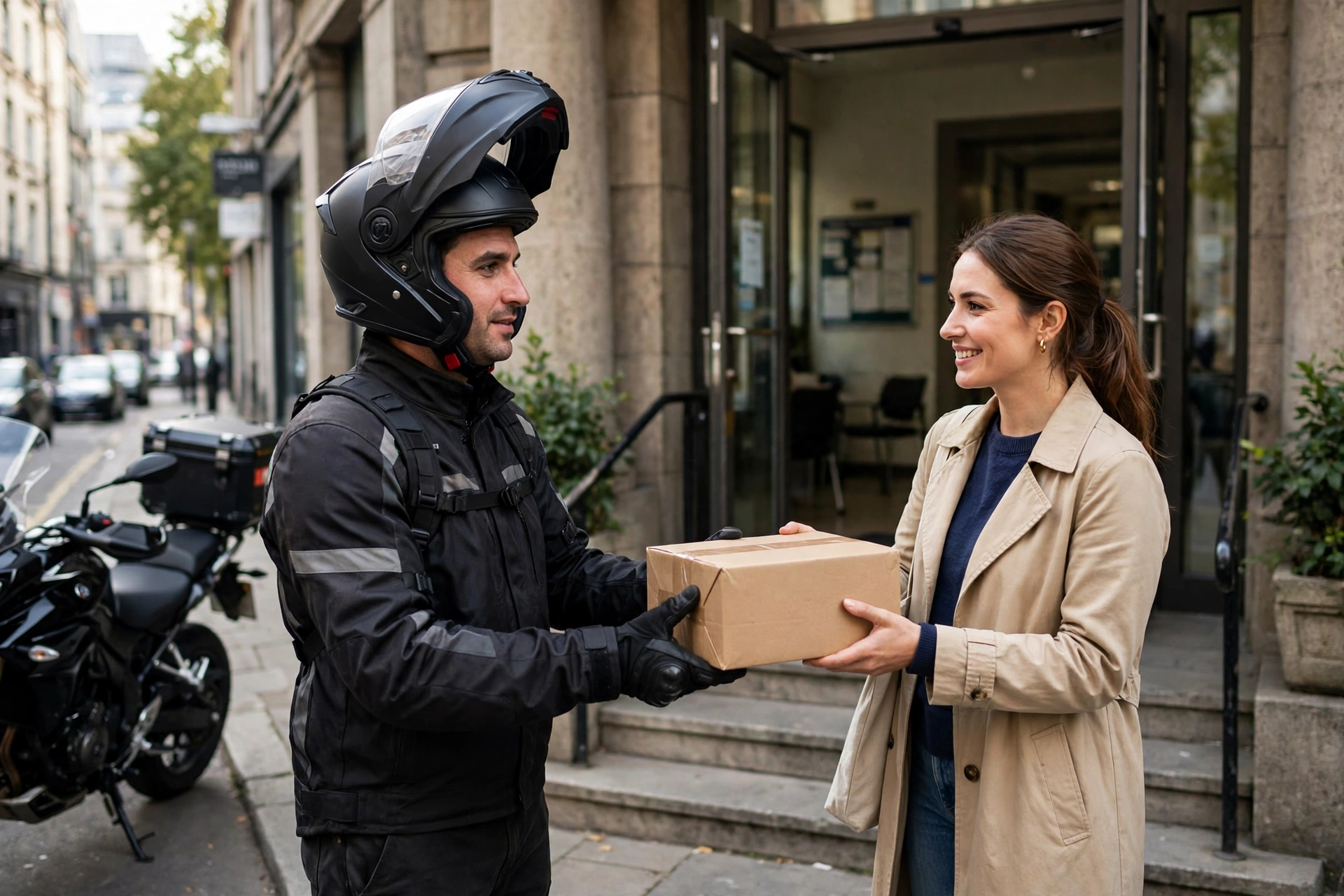
For most couriers, yes. A flip-up (modular) helmet lets you raise the chin bar at each stop to talk, be recognized, drink, and cool down without removing the helmet — and those thirty-second saves, repeated a hundred times a day, are the whole argument. Security guards, receptionists, and customers also respond better to a visible face than to a dark visor.
Choose the mechanism carefully. The flip mechanism should operate one-handed with gloves, lock positively in the raised position, and — importantly — the helmet should be approved for riding with the chin bar up if you ever plan to move off that way; in general terms, some modulars carry a dual certification for both open and closed configurations, while others are closed-only. Check what yours allows.
Know the trade-offs: flip-ups are usually a bit heavier and a little noisier than an equivalent full-face, and the mechanism is one more wear item. For a courier, the convenience almost always outweighs those costs; for a rider who rarely stops, a fixed full-face stays simpler and lighter.
What Comfort Features Matter Most Over a Full Shift?
Fit comes first, and it must be tested honestly: wear the helmet in the shop for ten minutes and reject any forehead or temple pressure point, because hour eight will find it. Cheek pads will soften, but shell-shape hotspots will not. Couriers with glasses should confirm the helmet has glasses-friendly channels and that frames slide in easily a hundred times a day without bending.
Ventilation is a shift-long issue. City speeds mean weak airflow, so look for vents that genuinely move air at low speed and that you can open and close with gloves. A drop-down sun visor is nearly essential for courier work — glare changes street by street, and stopping to swap shields costs time you do not have. A Pinlock-style anti-fog insert earns its place on cold mornings when you are breathing hard at every stop.
Also check the small things: a quick-release buckle you can work with winter gloves, a neck roll that does not fight your jacket collar, and speaker pockets if you use a comms unit or earpiece for dispatch calls. Weight matters over a shift, too — compare helmets in your size and favor the lighter one when other things are equal, because your neck is doing a full day’s work.
How Do You Keep a Courier Helmet Clean and Fresh?
A courier helmet sweats, rains, and collects city grime daily, so hygiene features are buying criteria, not afterthoughts. Choose a helmet with a fully removable liner and cheek pads, and wash them on rotation — many couriers keep a second liner set so one can dry while the other works. A helmet that cannot be stripped down will smell like it within a month of full-time use.
Build a weekly routine: wash liners with mild soap, wipe the shell and shield, check the flip mechanism and shield pivots for grit, and inspect straps and buckle for wear. Replace shields when scratches build up — a courier stares through that shield for thousands of hours, often into low sun and oncoming headlights, and a hazy shield is a genuine safety problem, not a cosmetic one.
Store the helmet indoors, out of the delivery box if you can. A helmet that lives in a hot top box ages faster, picks up smells, and takes knocks; a helmet bag on a shelf at home or the depot keeps it fresher and safer. Safety technology also depends on the helmet’s condition — as our guide to MIPS and helmet liner systems explains, the internal layers only perform as designed when the helmet is intact and undamaged.
When Should a Courier Replace a Helmet?
Sooner than a weekend rider, in general terms. Full-time use compresses liners, wears straps and mechanisms, and degrades materials far faster than occasional riding — and any crash or significant drop ends the discussion immediately: a helmet that has taken a real impact is retired, no matter how it looks.
Watch for the practical end-of-life signs: the fit has gone loose even with fresh pads, the flip mechanism or shield pivots have play in them, the strap webbing is frayed, or the liner no longer comes clean. Manufacturers typically suggest a service life measured in years of regular use; a courier’s helmet clocks those years of wear in a fraction of the calendar time.
Budget accordingly and keep the receipt. For professional riders, a helmet is a recurring work expense — tracking purchase dates and planning the replacement before the old one is clapped out keeps you legal, comfortable, and protected without a last-minute scramble.
Frequently Asked Questions
Q: What type of helmet is best for food delivery riders?
A: A certified flip-up helmet is the most practical choice for most delivery riders, because the chin bar lifts for talking, drinking, and cooling down at constant stops. Prioritize all-day fit, a sun visor, and a washable liner.
Q: Can I ride with the flip-up chin bar raised?
A: Only if your helmet is certified for use in the open configuration — some modulars are dual-certified and some are not. Check the helmet’s approval labels, and remember a closed chin bar always offers more protection.
Q: How often should a full-time courier replace their helmet?
A: More often than a casual rider, because daily use wears liners, straps, and mechanisms quickly. Replace it after any impact, when the fit stays loose with fresh pads, or when parts show real wear — and follow the manufacturer’s service-life guidance as the outer limit.

Olivia
Writer at Helmet Today, covering helmet reviews, fit and riding safety.