In general terms, no — most ski resorts do not legally require adult guests to wear a helmet, and there is no blanket helmet law for skiing in most places. The common exceptions are children: many resorts require helmets for kids in ski school, lessons, camps, and terrain-park programs, a few jurisdictions have their own rules for minors, and resort employees are often required to wear one on duty. For everyone else it is a strongly encouraged personal choice — and the large majority of skiers now make it.
“Are helmets required?” is one of the first questions new skiers and parents ask, and the answer is confusing because it mixes three different things: actual laws, resort policies, and program rules. Which one applies to you depends on your age, where you are skiing, and what you signed up for. This guide separates the three and covers how the rules usually treat children differently from adults.
Is There a Law That Requires a Ski Helmet?
In most ski regions, there is no general law requiring recreational skiers or snowboarders to wear a helmet. In general terms, helmet mandates written into law are rare worldwide, and where they exist they usually target children rather than adults. A small number of jurisdictions have rules for minors on the slopes, and the details — the age covered, who enforces it, and any penalty — vary from place to place.
That is different from the law around other activities on the same mountain. Bike parks in summer, for example, almost universally require helmets as a condition of the lift ticket, and some competitive events impose helmet rules through their sanctioning bodies. Those are contractual and organizational rules rather than statutes, but they are enforced just the same.
Because rules differ by country, state, and province, check your specific destination before you travel. Resort websites usually state their policy plainly. Do not assume the rule from one mountain — or one country — carries to another.
What Do Resort Policies Usually Say?
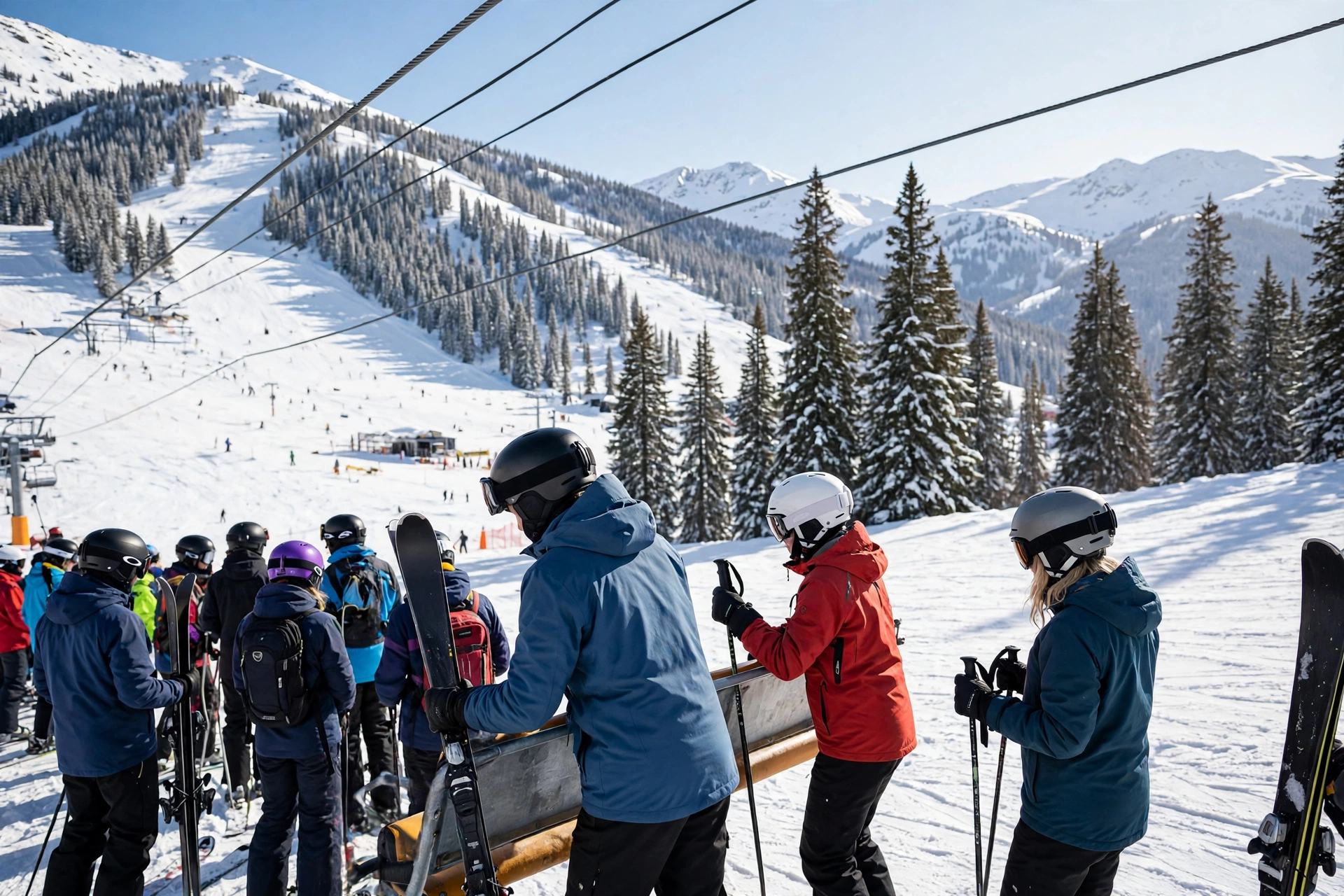
For adult guests, the standard pattern in general terms is: helmet recommended, not required. Resorts encourage helmet use in their safety messaging, rental shops offer helmets alongside skis and boots, and many package rentals with a helmet included by default for anyone who wants one. But an adult who declines can still buy a lift ticket and ski.
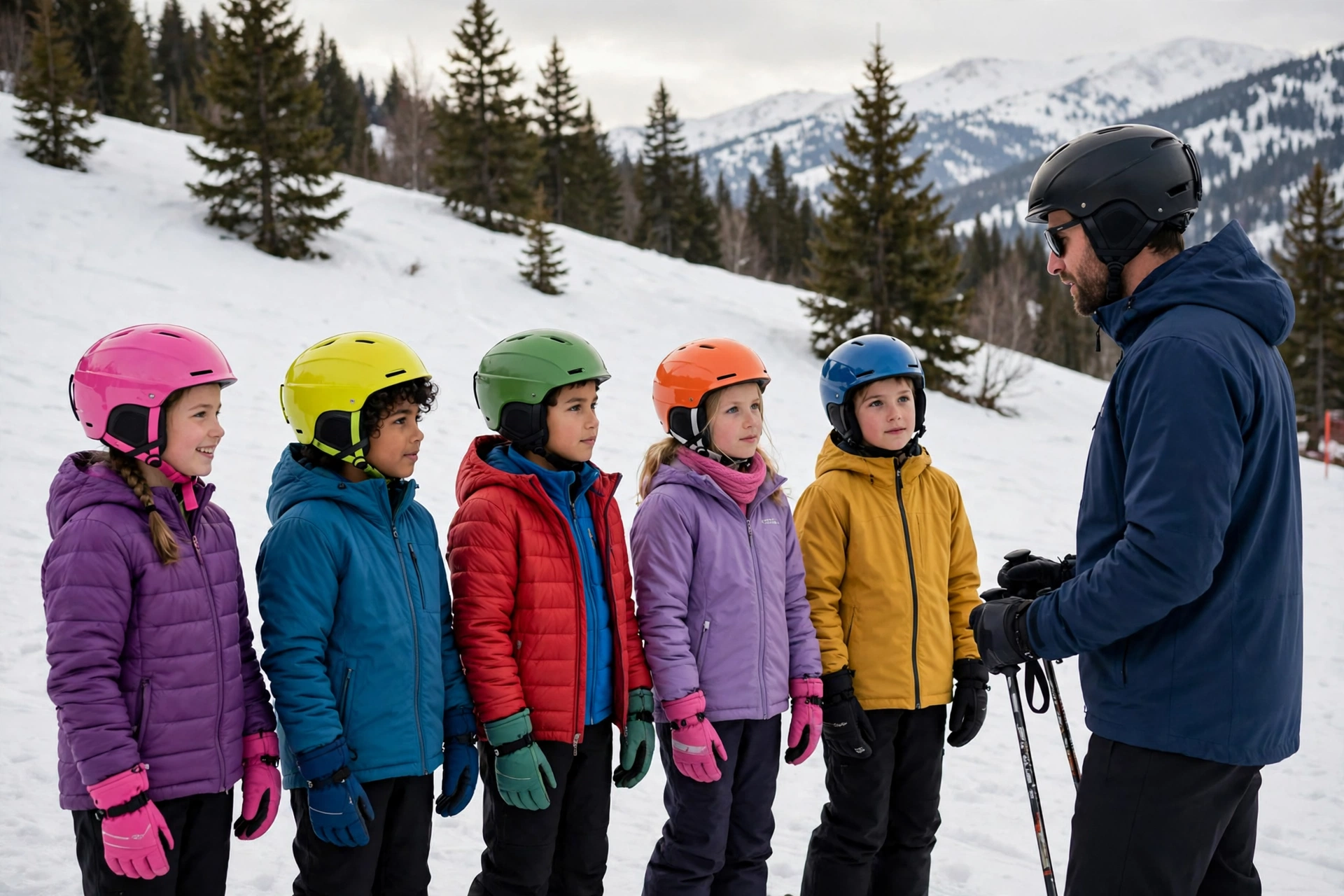
The picture changes for anything the resort organizes. Ski and snowboard schools commonly require helmets for children in lessons, and many require them for all lesson participants. Race programs, freestyle and terrain-park teams, and seasonal camps typically make helmets mandatory as a condition of participation — sometimes specifying that the helmet must be a proper snow-sport helmet rather than a bike helmet.
Employees are usually under the strictest rules of all. Instructors, patrollers, and lift staff in general terms are required by their employer to wear a helmet while working on snow. None of this comes from a statute book — it comes from the resort’s own risk management — but within the program or the job, it is not negotiable.
What Are the Rules for Children at Ski Resorts?
Children sit at the center of almost every helmet rule that does exist. Start with lessons: if your child is booked into ski school, assume a helmet is required until told otherwise. Many programs will not accept a child into a lesson without one, and rental packages for lesson kids typically include the helmet automatically.
Terrain parks and junior programs layer their own requirements on top. Youth race and freestyle programs in general terms require certified snow-sport helmets for training and competition, and some events add specifications beyond the basic standard. Childcare and nursery-slope programs at larger resorts likewise tend to treat helmets as standard equipment for the children in their care.
For free skiing as a family, the rule is yours to set — no resort will stop your child at the lift for lacking a helmet in most places — but the practical reality is that children’s helmets are inexpensive, light, and widely rented, and ski areas are full of other people moving at speed. Most parents treat it as non-negotiable family equipment, like a jacket. When you fit one, the principles are the same as any protective headgear; parents comparing technologies can see how MIPS liners work in kids’ helmets too, since many children’s models now include a version of the system.
Can You Be Turned Away or Fined for Not Wearing One?
An adult recreational skier in most resorts will not be fined or turned away for skiing without a helmet — there is usually no rule to enforce against them. The realistic consequences apply in the organized settings: a child without a helmet can be refused entry to a lesson until one is rented, a program participant can be benched, and an employee can face discipline for ignoring an on-duty requirement.
Where a jurisdiction does have a law covering minors, enforcement in general terms rests with the area and local authorities, and the practical effect is the same as the resort policies: the child needs a helmet to participate. Because these rules are localized and occasionally updated, checking before you travel beats discovering them at the rental counter.
There is one more place helmets quietly become expected: paperwork. Some travel-insurance and activity policies assume reasonable safety equipment, and rental agreements may note whether a helmet was offered. It creates no slope-side rule, but it points the same direction as everything else.
Do You Need Your Own Helmet, or Can You Rent One?
You do not need to own a helmet to have one. Rental shops at and near resorts rent helmets by the day, and lesson packages often include them. A rental helmet is a certified helmet like any other; the shop adjusts the fit, and for a first trip it is the simplest route to being properly equipped.
Buying makes sense once you ski more than a few days a season. Your own helmet fits your head and goggles exactly, you know its complete history, and it is always ready. Whichever route you take, the fit rules are identical: the helmet should sit level, feel snug without pressure points, stay in place when you shake your head, and be certified to a snow-sport standard such as ASTM F2040 or EN 1077.
One thing a rental or borrowed helmet cannot tell you is whether it has taken a hard impact before. Helmets are designed to absorb one serious hit and then be replaced. If a helmet you are offered has visible shell damage or cracked foam, ask for another — a reputable shop will swap it without argument.
Frequently Asked Questions
Q: Are helmets required by law for adults at ski resorts?
A: In general terms, no. Most ski regions have no law requiring adult recreational skiers to wear a helmet. Rules that do exist usually come from resort policies and program requirements rather than statutes, and legal mandates, where they exist at all, usually cover children.
Q: Does my child need a helmet for ski school?
A: Almost certainly yes. Ski schools and lesson programs commonly require helmets for children, and many include one in the lesson rental package. Confirm when you book so you are not sorting it out at check-in.
Q: Can I wear a bike helmet instead of a ski helmet?
A: It is not a good substitute. Ski helmets are certified to snow-sport standards, cover the ears, and are built for cold weather and for use with goggles; bike helmets are vented for summer and tested to a different standard. Programs that require a helmet generally mean a proper snow-sport helmet.

Olivia
Writer at Helmet Today, covering helmet reviews, fit and riding safety.