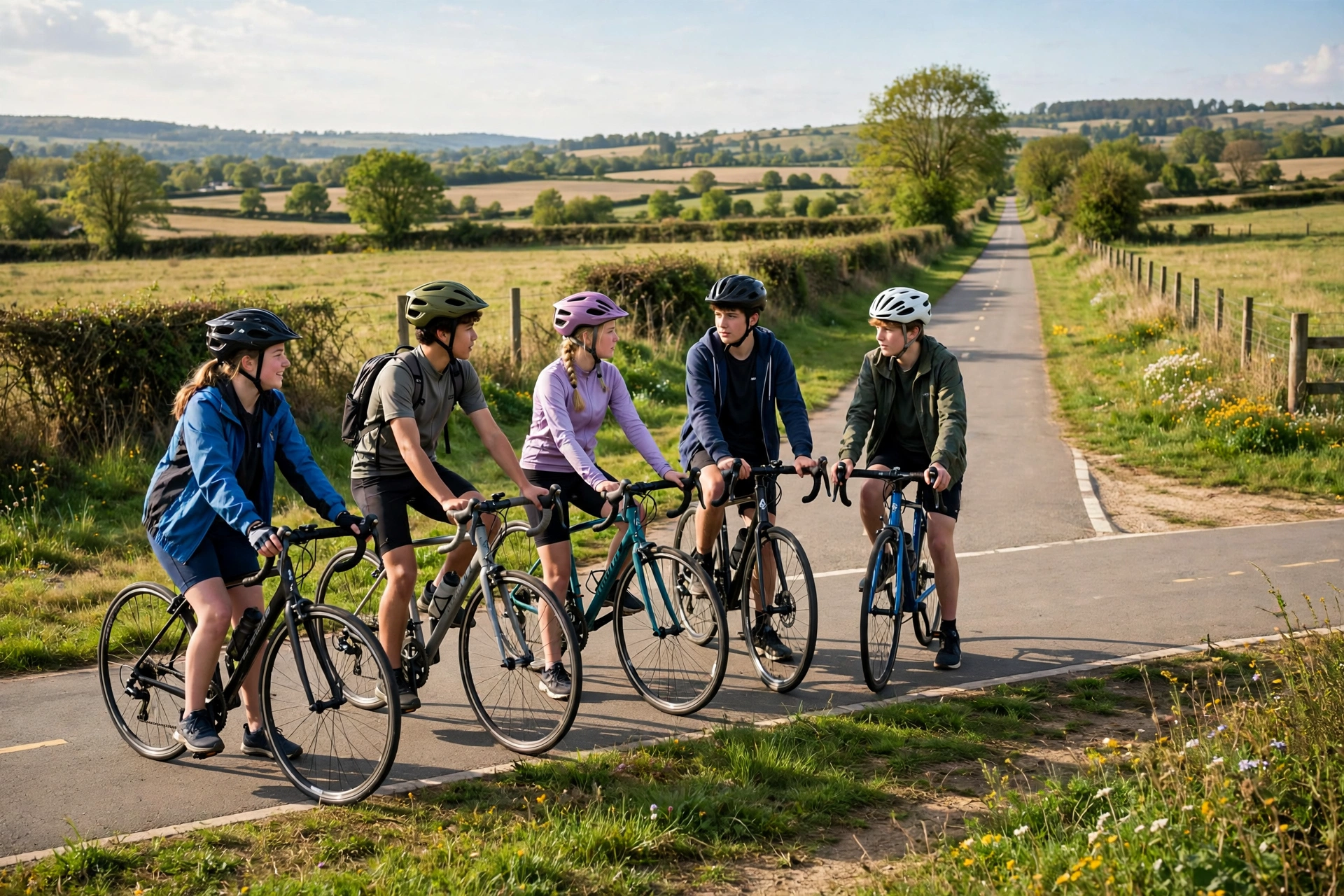
A helmet for teenage cyclists is a well-fitting, lightweight cycle helmet that suits a growing teenager, and in general terms the best one is the one they will actually wear on every ride. Teenagers are between child and adult sizes, they ride further and faster than younger children, and they care about how the helmet looks, so fit, comfort, and style all matter at once.
Choosing a helmet for a teenager is not quite the same as choosing one for a child or for an adult. A child’s helmet will usually be too small, and an adult helmet may be too big or too heavy, even if it can be tightened to fit. A teenager also has opinions about what they wear, and a helmet that sits in a cupboard because it looks wrong or feels uncomfortable does no good at all.
What size helmet does a teenage cyclist need?
In general terms, many teenagers fit an adult small or medium helmet, but size is not really about age: it is about the size of the head. Measure around the head just above the eyebrows and compare the result with the maker’s size guide. If the teenager is between sizes, try both, and pick the one that sits level and snug without squeezing.
Growth is worth keeping in mind. A teenager’s head can still be growing, so a helmet bought today may feel tighter in a year. That does not mean buying a helmet that is too big now: a helmet that is too big will slide around and may not stay in place in a fall. Buy the size that fits now, and check the fit every few months. The fit dial and the pads can take up a little growth, but they cannot fix a helmet that is the wrong size.
It also helps to try the helmet on with the teenager’s hair as they normally wear it, and with any glasses they use. A ponytail can change how the helmet sits, and some helmets have a cut-out or a gap at the back for a ponytail, which can make a real difference to comfort.
What features matter in a helmet for teenage cyclists?
Ventilation matters a lot to teenagers, because they ride hard and they get warm. Look for a helmet with plenty of vents and a lining that can be removed and washed. A helmet that feels cool is one they are more likely to keep wearing, especially on a hot day or a long ride to school.
Weight matters too. A light helmet is easier to wear and easier to carry when it is not on the head. Teenagers often carry their helmet in a bag or hooked onto a backpack, so a helmet that is light and not too bulky is more practical.
Visibility is worth thinking about as well. Teenagers often ride to school early in the morning or home in the evening, when the light is poor. A helmet in a bright colour, or one with reflective details, helps drivers notice them. Some helmets also have a clip or a mount for a rear light, which is a useful extra for riding in low light.
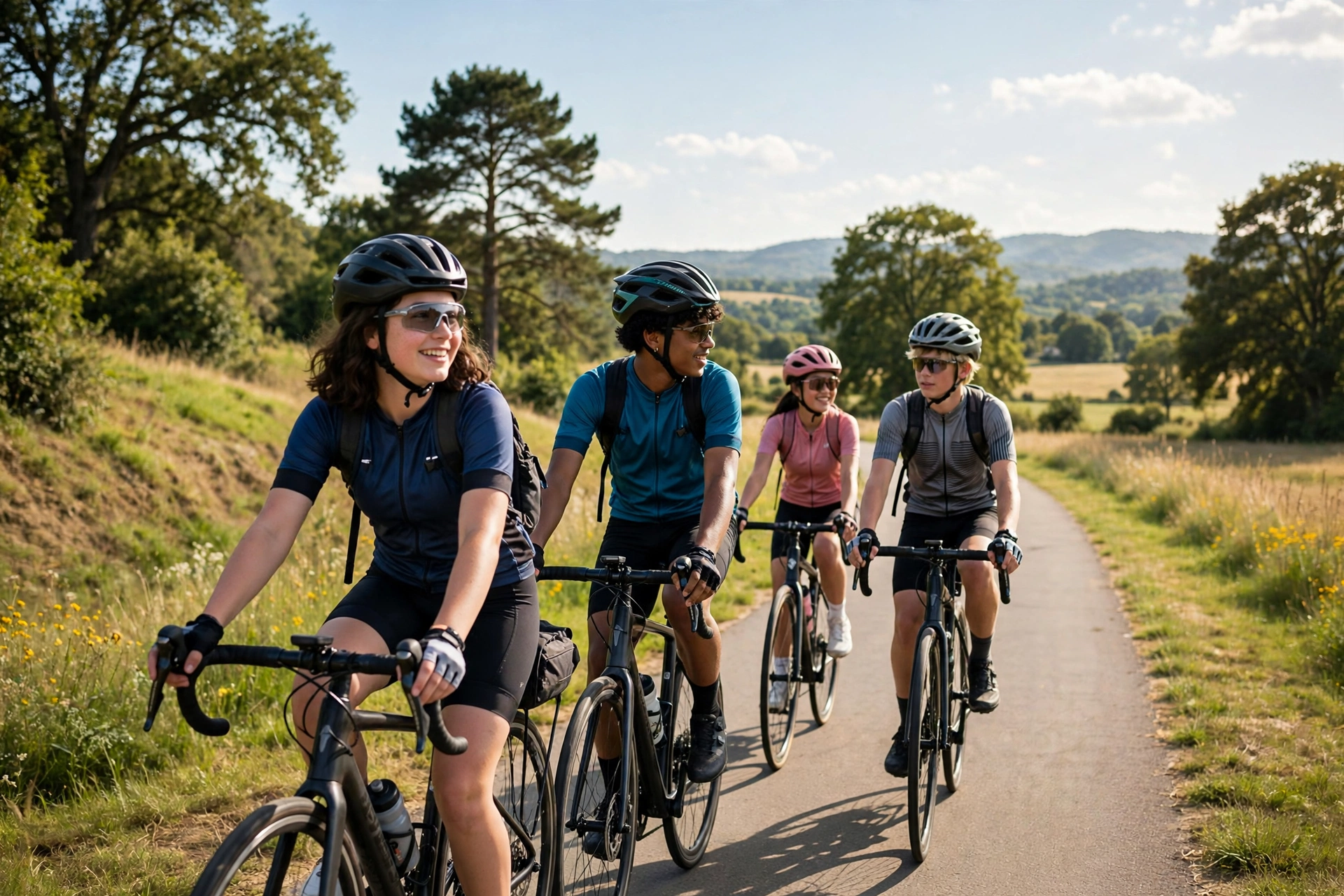
How do you get a teenager to actually wear a helmet?
This is the hardest part of the whole task, and it is not really about the helmet. Teenagers wear a helmet when it feels normal, when it looks acceptable to their friends, and when it does not feel like a rule imposed on them. Letting them choose the colour and the style, within a sensible budget, makes a big difference. A helmet they picked themselves is one they are far more likely to wear.
It helps if the adults around them wear helmets too. A teenager who sees a parent or an older sibling riding without one will quite reasonably ask why they have to wear one. Making helmets a family habit, rather than a rule for teenagers only, takes away much of the argument.
Comfort is the other key. A helmet that pinches, itches, or feels hot will be left at home, whatever it cost. Take time over the fitting, let the teenager walk around in the helmet for a few minutes in the shop, and listen if they say it hurts somewhere. A small adjustment to the pads or the straps can turn a helmet they hate into one they barely notice.
How should a helmet for a teenage cyclist fit?
A helmet for a teenage cyclist should sit level on the head, low enough at the front to cover the forehead, and snug all round without pressing painfully. It should not tip forward over the eyes or slide back when they nod, and it should stay in place when they shake their head gently from side to side.
The chin strap should be snug enough that only a finger or two fits between the strap and the chin, and the side straps should meet just below the ears. Most helmets have a dial at the back that adjusts the fit: loosen it, put the helmet on level, then tighten it just enough to hold the helmet in place. If the helmet only feels secure when the dial is wound very tight, the size or the shape is probably wrong.
Check the fit regularly, not just when the helmet is new. Teenagers grow, hairstyles change, and pads wear down. A quick check every few months, and a fresh look after a growth spurt, will catch a helmet that has become too small or too loose.
Should a teenage cyclist use a helmet with extra safety features?
Some helmets include a system designed to reduce rotational forces in a fall, such as MIPS, and it is worth asking about when you choose. These systems add a little to the price, but they are a sensible extra for a teenager who rides in traffic or on busy roads. The core question, though, is still fit: the best safety feature in the world does not help if the helmet is the wrong size or sits unworn in a cupboard.
Some smart helmets also include lights, turn signals, or a crash alert that can message a contact if the rider falls. These can be useful for a teenager riding alone, but they add cost and need charging, and they are no substitute for a well-fitting helmet and good road sense. In general terms, a simple, light, well-fitting helmet that the teenager likes is a better choice than a complicated one they will not wear.
What size helmet does a teenager need?
It depends on the size of their head, not their age. Measure around the head just above the eyebrows, compare it with the maker’s size guide, and try both sizes if they fall between two.
How do I get my teenager to wear a helmet?
Let them choose the colour and style, make sure it fits comfortably, and wear a helmet yourself. A helmet they picked and that feels good is one they are far more likely to wear.
When should a teenage cyclist’s helmet be replaced?
Replace it after a hard fall, if the shell or foam is damaged, if the straps or buckle are worn, or when it no longer fits because they have grown. In general terms, check the fit every few months.

Olivia
Writer at Helmet Today, covering helmet reviews, fit and riding safety.