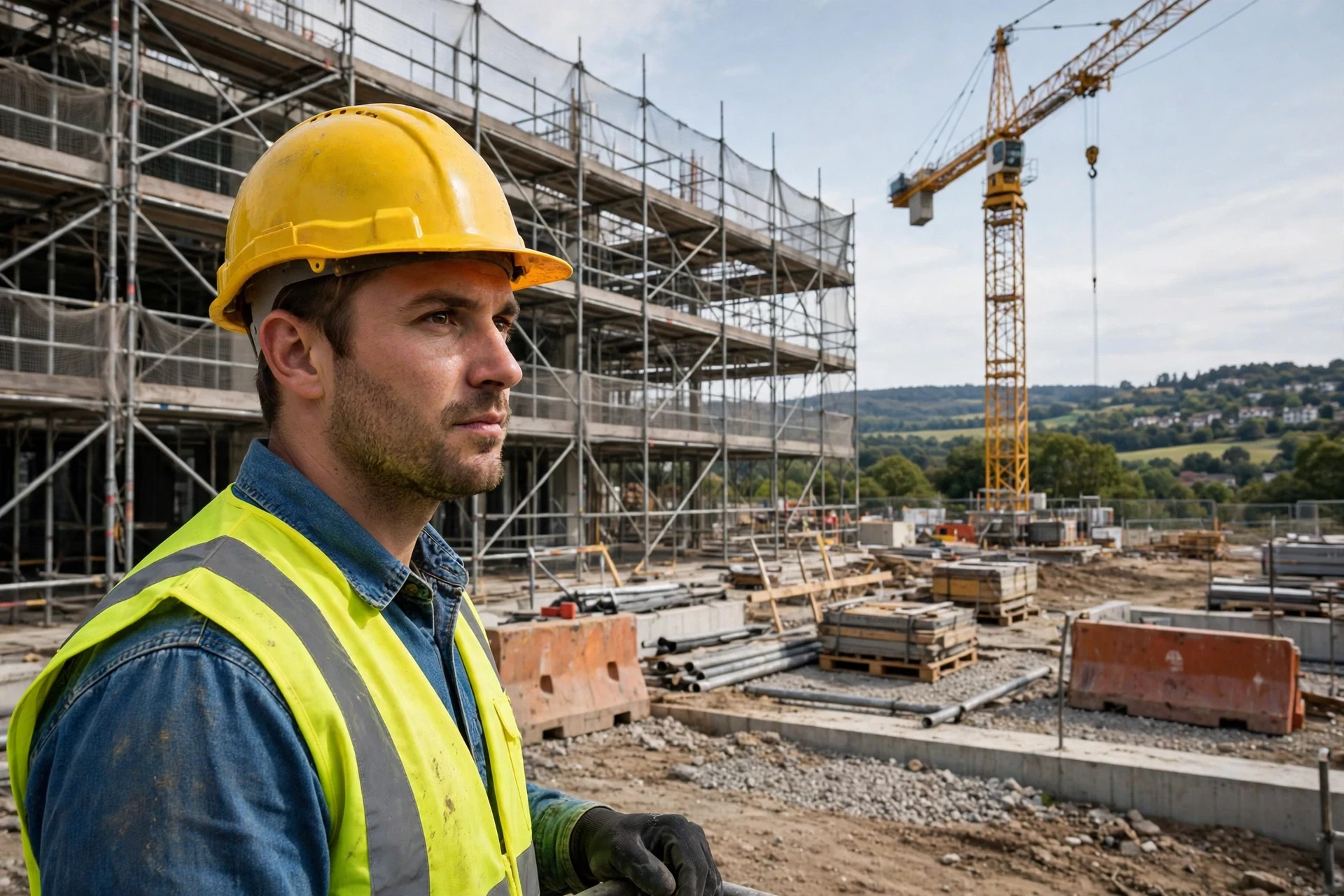
The history of the construction hard hat is the story of a simple idea, a hard shell worn on the head to guard against falling objects, that grew from early metal helmets into the lightweight plastic hard hats worn on building sites today. In general terms, the hard hat is one of the oldest and most widely used pieces of safety equipment in the world, and its basic shape, a dome with a brim, has stayed much the same even as its materials have changed a great deal.
What Came Before the Hard Hat?
Long before the modern hard hat, workers in dangerous jobs wore what protection they could find. Miners, builders, and dock workers sometimes wore cloth caps, leather hats, or even old military helmets to shield their heads from falling objects. These were better than nothing, but they were not designed for the job, and they offered only limited protection against a heavy object dropped from a height.
In some industries, workers wore metal helmets borrowed from military or firefighting use, which were strong but heavy and uncomfortable for a full day’s work. Others wore nothing at all, and head injuries were a common and accepted risk of the job. In general terms, the idea of a dedicated helmet for construction work was slow to take hold, because safety equipment was not yet seen as a standard part of the job.
How Did the First Hard Hats Appear?
The first hard hats designed for workers appeared in the early years of the twentieth century, when large construction and industrial projects made the danger of falling objects impossible to ignore. The earliest versions were often made from metal, such as aluminium or steel, pressed into a dome shape with a small brim to keep rain and debris off the face and neck. They were a big improvement on cloth caps, but they were heavy and could conduct electricity, which was a problem on some sites.
Over time, makers began to use lighter materials, including fibre and early plastics, which made the hats easier to wear for a whole working day. The design also gained an important feature: a suspension system inside the shell, with straps that held the shell away from the head. This gap meant that when something struck the shell, the force was spread out and slowed down before it reached the skull, which made the hat much more protective than a shell worn tight against the head.
How Did the Hard Hat Become Standard on Building Sites?
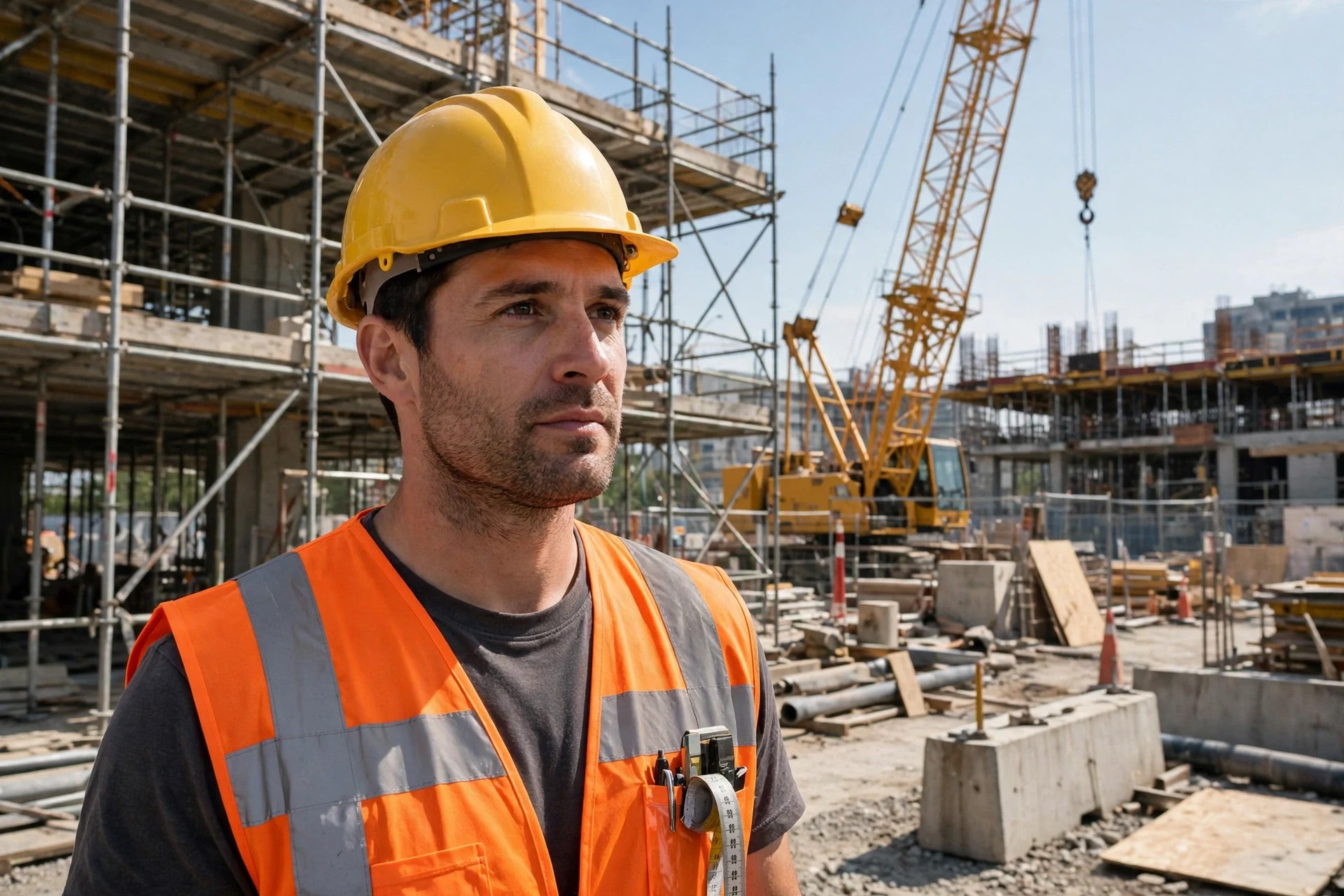
The hard hat became standard on building sites gradually, as large projects and employers began to require workers to wear one. Big construction jobs, such as dams, bridges, and tunnels, brought many workers together in places where objects could fall from scaffolding and cranes, and site managers saw that a hard hat could prevent serious injuries. Over time, wearing a hard hat became a rule rather than a choice on many sites.
Safety laws and workplace rules later made hard hats a normal requirement across the construction industry in many countries. Employers supplied the hats, and workers were expected to wear them whenever they were on site. If you want to understand one of the safety technologies used in modern helmets, reading about what MIPS is for helmets is a good place to start, though a hard hat is a different kind of protection from a sports helmet.
How Did Hard Hat Materials Change?
Hard hat materials changed a great deal over the years. Metal gave way to lighter materials, and by the middle of the twentieth century many hard hats were made from fibreglass, a strong material formed from glass fibres bonded with resin. Fibreglass hats were lighter than metal and did not conduct electricity in the same way, which made them safer on sites with electrical hazards.
Later, plastics such as high-density polyethylene became the most common material for hard hats. Plastic hats are light, tough, and cheap to make, and they can be moulded in bright colours that make workers easy to see on a busy site. In general terms, each change in material made the hard hat lighter, cheaper, and more comfortable, which helped it become standard equipment rather than a burden to wear.
Why Does a Hard Hat Have a Brim and Ridges?
A hard hat has a brim and ridges for practical reasons, and both features have been part of its design for a long time. The brim, which sticks out around the edge of the dome, helps keep rain, sun, and falling debris away from the face, ears, and neck. It also gives the hat a place to channel water away from the wearer, which matters on an outdoor site in bad weather.
The ridges that run over the top of many hard hats add strength to the shell, much like the ridges on a roof add strength to the roof. They help the shell resist denting when something strikes it, and they also give the hat its familiar shape. In general terms, these features show how the hard hat was designed for real work outdoors, not just for protection in a single impact.
What Does the Modern Hard Hat Look Like?
The modern hard hat is usually a lightweight plastic shell in a bright colour, such as yellow, white, or orange, with a suspension system of straps inside that holds it away from the head. Many modern hats have slots or clips for attaching ear protection, face shields, or lamps, and some have a chin strap to keep the hat on in windy conditions or when working at height. The basic dome-and-brim shape, though, is much the same as it was generations ago.
Different colours are often used to show a worker’s role on site, such as a supervisor, a visitor, or a specialist trade, though the exact meaning of each colour varies from site to site and from country to country. The hard hat remains one of the most recognisable symbols of construction work, and its history shows how a simple idea, a hard shell with space above the head, became a standard piece of safety equipment around the world.
When were hard hats first used on construction sites?
Hard hats designed for workers began to appear in the early twentieth century, when large construction projects made the danger of falling objects clear. They became standard on building sites gradually as employers and safety rules began to require them.
Why is there a gap between a hard hat and the head?
The suspension straps hold the shell away from the head, so that when something strikes the shell, the force is spread out and slowed down before it reaches the skull. This gap is a key part of how a hard hat protects the wearer.
What are modern hard hats made of?
Most modern hard hats are made from tough plastic, such as high-density polyethylene. Earlier hard hats were made from metal and later from fibreglass, but plastic is now the most common choice because it is light, strong, and inexpensive.

Olivia
Writer at Helmet Today, covering helmet reviews, fit and riding safety.