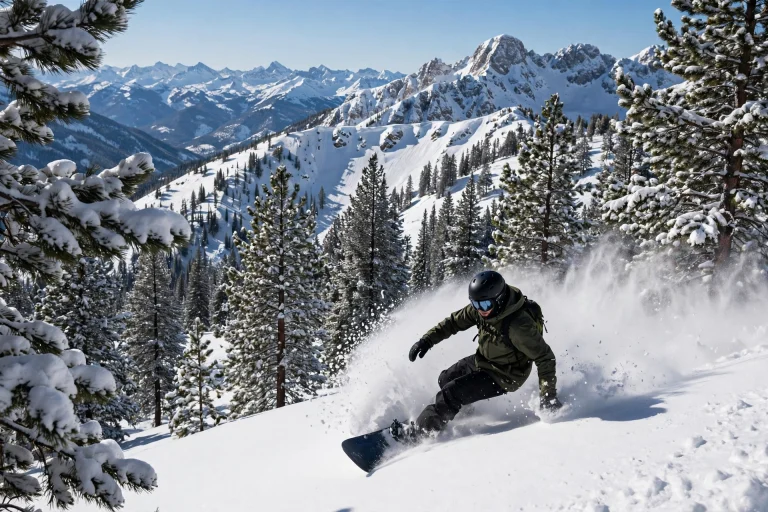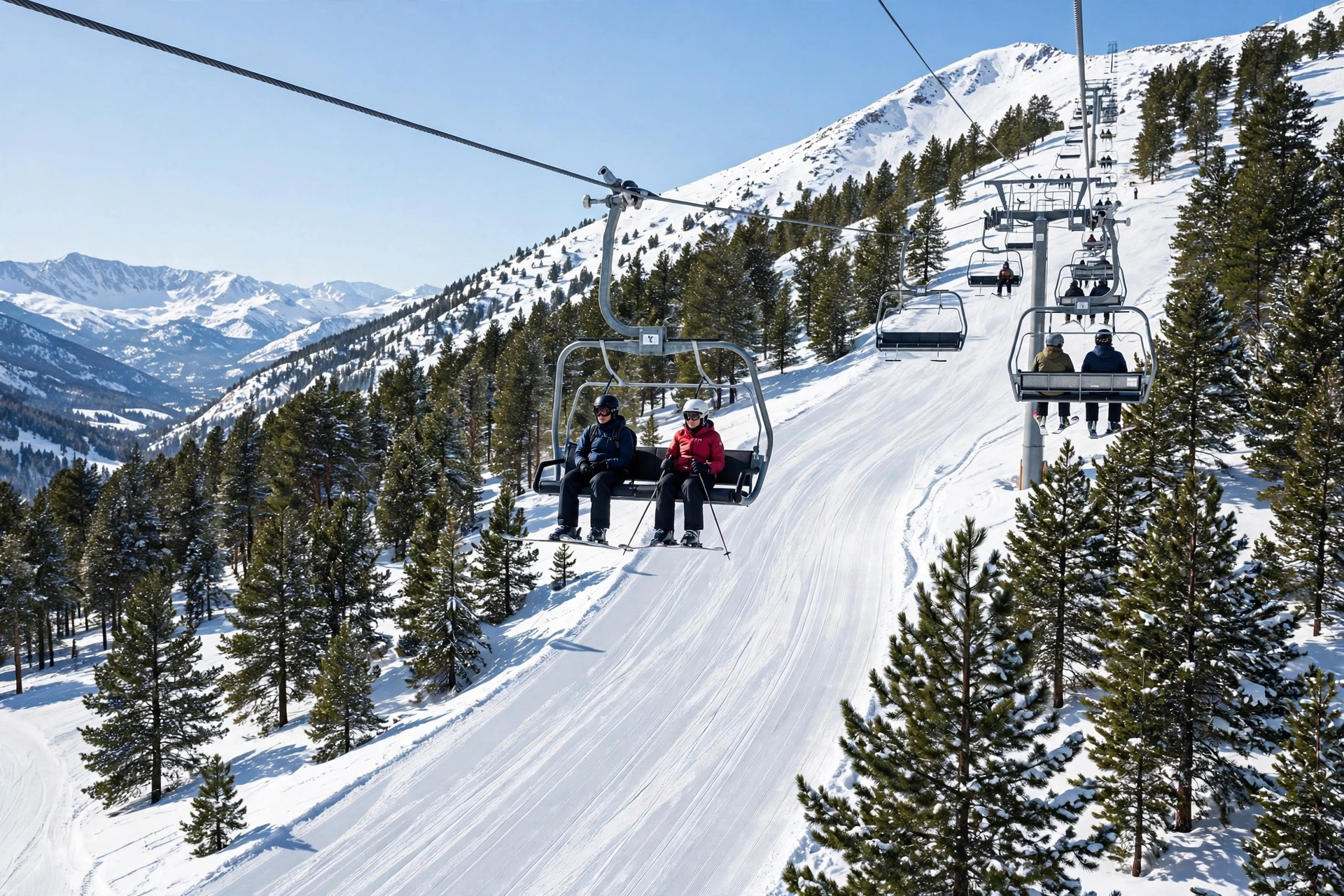
Ski helmets are compulsory in resorts in some places and for some groups, but there is no single worldwide rule that makes them compulsory everywhere. In general terms, whether you must wear a helmet depends on where you are skiing, your age, and the rules of the resort or the country you are visiting. Some countries and regions have laws that require children to wear a helmet on the slopes, while others leave it to the individual skier or snowboarder. Check the local rules before you travel.
When Did Resorts Start Requiring Ski Helmets?
Resorts began requiring helmets gradually, rather than all at once, and the change happened over many years. In the early days of skiing, helmets were rare and mostly worn by racers, while most holiday skiers wore only a hat. As skiing grew more popular and slopes became busier, head injuries became a more visible concern, and resorts, ski schools, and insurers started to take the question seriously. Ski schools were often the first to act, making helmets compulsory for children in lessons, because young skiers fall often and are still learning to control their speed.
Over time, that approach spread to race training, terrain parks, and in some resorts to everyone on the mountain. There was no single moment when the whole ski world changed, and the pattern still varies a great deal from one country to another.
Which Countries Have Laws About Ski Helmets?
A number of countries have laws that require children to wear a ski helmet, though the details differ. In Italy, for example, children below a certain age must wear a helmet on the slopes, and similar age-based rules exist in parts of Austria and in some other European countries. These laws usually apply to children and young teenagers rather than to adults, and they are often enforced through ski schools and lift operators rather than by the police on the slopes. The age limit and the exact scope of the rule can change, so it is worth checking the current rules for the country you plan to visit.
In many other countries, including France, Switzerland, the United States, and Canada, there is no national law that makes helmets compulsory for recreational skiers. Individual resorts and ski schools there often set their own requirements instead, such as helmets for children in lessons or for everyone using a terrain park. In general terms, the legal picture is a patchwork, and the resort’s own rules are often the ones that matter most to a visitor.
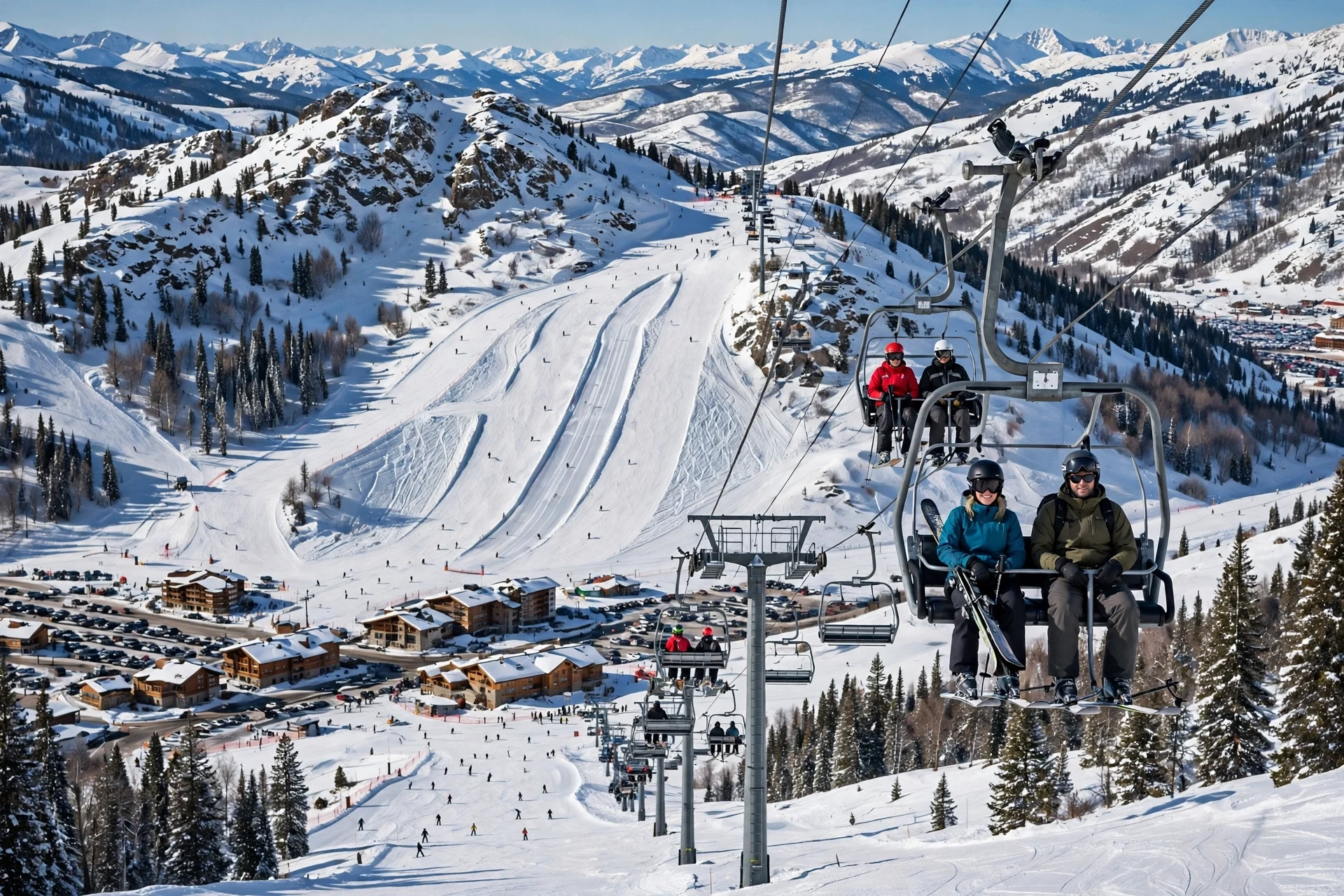
Do Resorts Require Helmets for Adults Too?
Some resorts do require helmets for adults, but this is less common than rules aimed at children. Where an adult rule exists, it often applies to specific situations rather than to all skiing. For example, a resort may require a helmet for anyone entering a terrain park, taking part in a race, or joining a guided off-piste trip. These are situations where speeds are higher or falls are more likely, so the resort sets a stricter standard. A few resorts have gone further and made helmets compulsory for everyone on the mountain, but that is still the exception rather than the rule.
Even where no rule forces adults to wear a helmet, most resorts strongly recommend one, and helmet use among adults has become very common. Many skiers now treat a helmet as basic kit, much like boots and gloves. In general terms, an adult who skis without a helmet is now in the minority at most large resorts, whether or not a rule requires it.
Why Did Helmet Rules Become More Common?
Helmet rules became more common because head injuries on the slopes were shown to be a serious risk, and helmets were shown to reduce that risk in many kinds of fall. A skier can hit a tree, another skier, a lift pylon, or hard packed snow, and a helmet spreads the force of that impact and protects the skull. As more skiers began wearing helmets voluntarily, resorts and lawmakers found it easier to make them a requirement, because the change matched what most people were already doing. The rules also gave ski schools and parents a clear standard to point to.
Helmet design also improved, so modern helmets are lighter, warmer, and more comfortable than early models, which made compulsory rules easier for skiers to accept. Better ventilation and a good fit mean that a helmet can now be worn all day without much discomfort. In general terms, the combination of better evidence, better helmets, and growing public acceptance is what turned a rare piece of kit into a normal expectation on the slopes.
How Can You Check the Helmet Rules Before You Travel?
The best way to check the helmet rules is to look at the resort’s own website before you book, and to check the rules of the country or region you are visiting. Resort websites usually have a safety page that explains whether helmets are required, recommended, or required only for children and ski school. If the information is not clear, an email to the resort or to your ski school will usually settle the question. It is also worth checking with your travel insurer, since some policies mention helmet use in their winter sports cover.
If you are hiring equipment, the rental shop is another good source of information, and most shops will include a helmet in the package or offer one for a small extra charge. If you are travelling with children, assume a helmet will be required even if you cannot find a written rule, because ski schools almost always insist on one. Packing or hiring a helmet is a small effort compared with the trouble of being turned away from a lesson or a lift. In general terms, checking early avoids surprises, and wearing a helmet is a sensible choice even when no rule demands it.
What Happens If You Ski Without a Helmet Where One Is Required?
If you ski without a helmet where one is required, the most likely result is that you will be stopped by lift staff or by your ski instructor and asked to put one on.
In places where helmet use is a legal requirement for children, there may also be fines or other penalties, though in practice the emphasis is usually on education and on making a helmet available rather than on punishment. Resorts would rather hire you a helmet than turn you away, and rental shops near the slopes normally stock them. If you want to understand one of the safety technologies used in modern helmets, reading about what MIPS is for helmets is a useful starting point before you choose one. The key point is simple: where a helmet is required, the rule is there to protect you, and it is far easier to wear one than to argue about it on the slopes.
Are ski helmets compulsory everywhere?
No. There is no worldwide rule. Some countries require helmets for children, and some resorts require them for certain groups or activities, but many places only recommend them.
Do children have to wear a ski helmet?
In many resorts and in some countries, yes. Ski schools almost always require helmets for children, and some countries have laws that require them below a certain age.
Should adults wear a ski helmet even if it is not required?
Yes, in general terms it is a sensible choice. A helmet protects against head injuries from falls and collisions, and most adult skiers at large resorts now wear one.

Olivia
Writer at Helmet Today, covering helmet reviews, fit and riding safety.