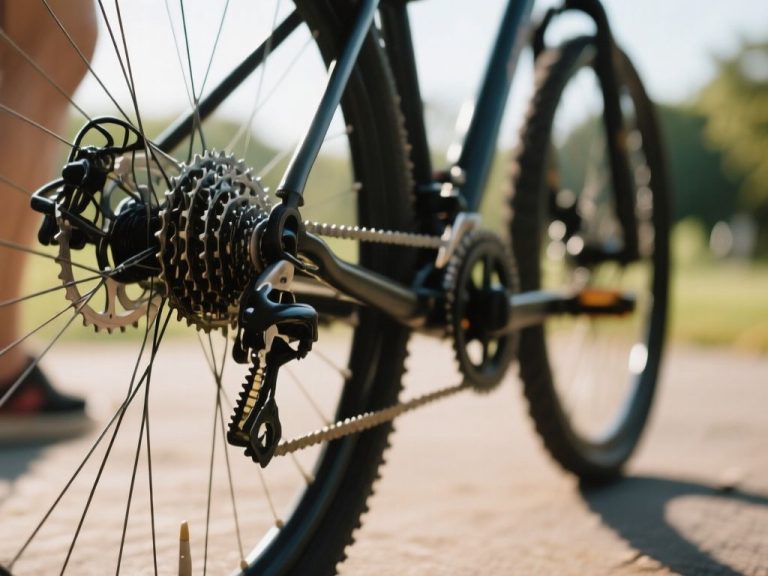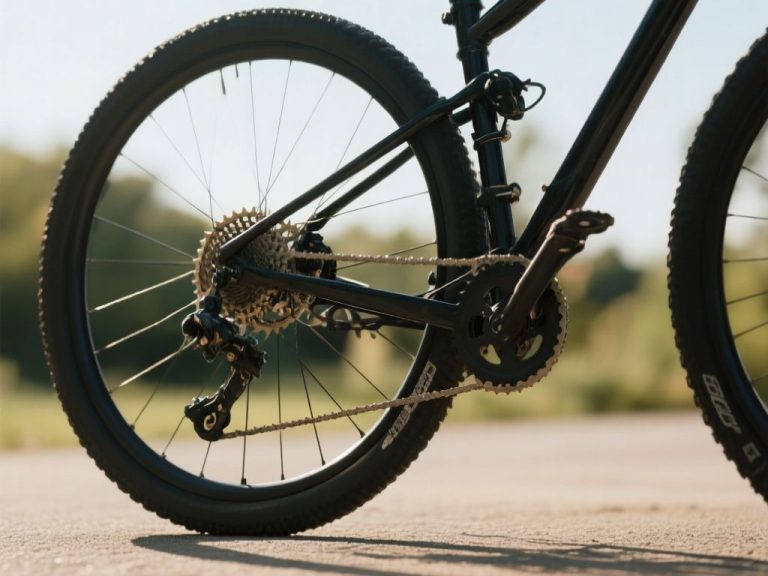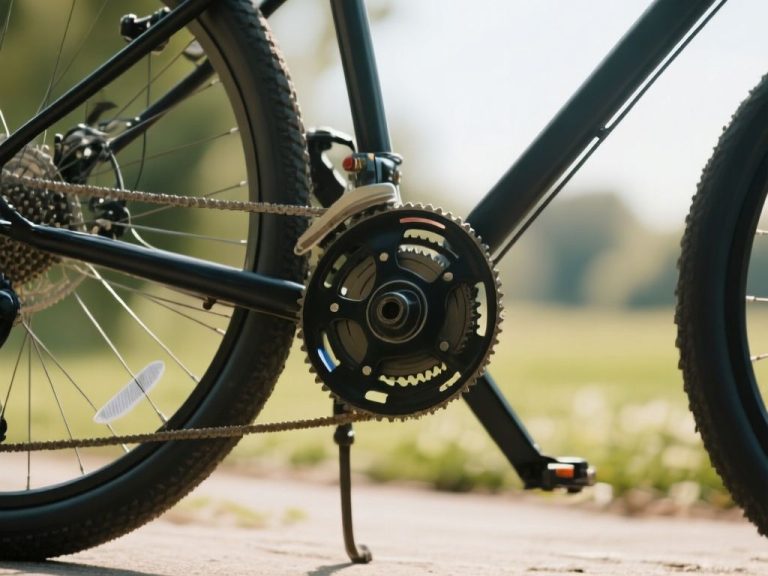

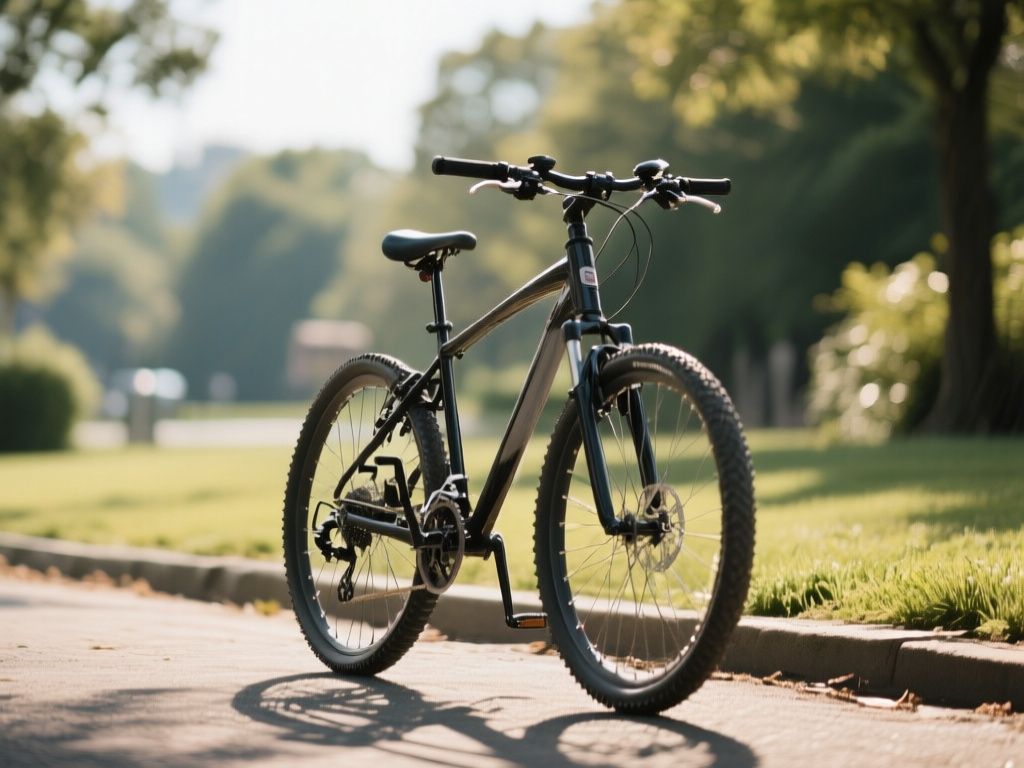
A new bicycle can cost anywhere from about $250 for a basic bike to more than $10,000 for a high-end racing, mountain, or electric model. For most everyday riders, a reliable bicycle costs roughly $500 to $1,500. The right budget depends on the bike type, components, intended use, and whether accessories and maintenance are included.
What is the average cost of a bicycle?
Most people should expect to spend between $500 and $1,500 on a new bicycle that is dependable, comfortable, and suitable for regular riding. Bikes below that range can work well for occasional trips, while more expensive models typically offer lighter frames, better shifting, stronger wheels, suspension, or electric assistance.
Prices vary sharply because “bicycle” covers several very different machines. A simple bike for paved paths has fewer demanding components than a mountain bike designed for rocks and steep descents. An electric bicycle adds a motor, battery, controller, display, and specialized wiring, which raises both the purchase price and potential repair cost.
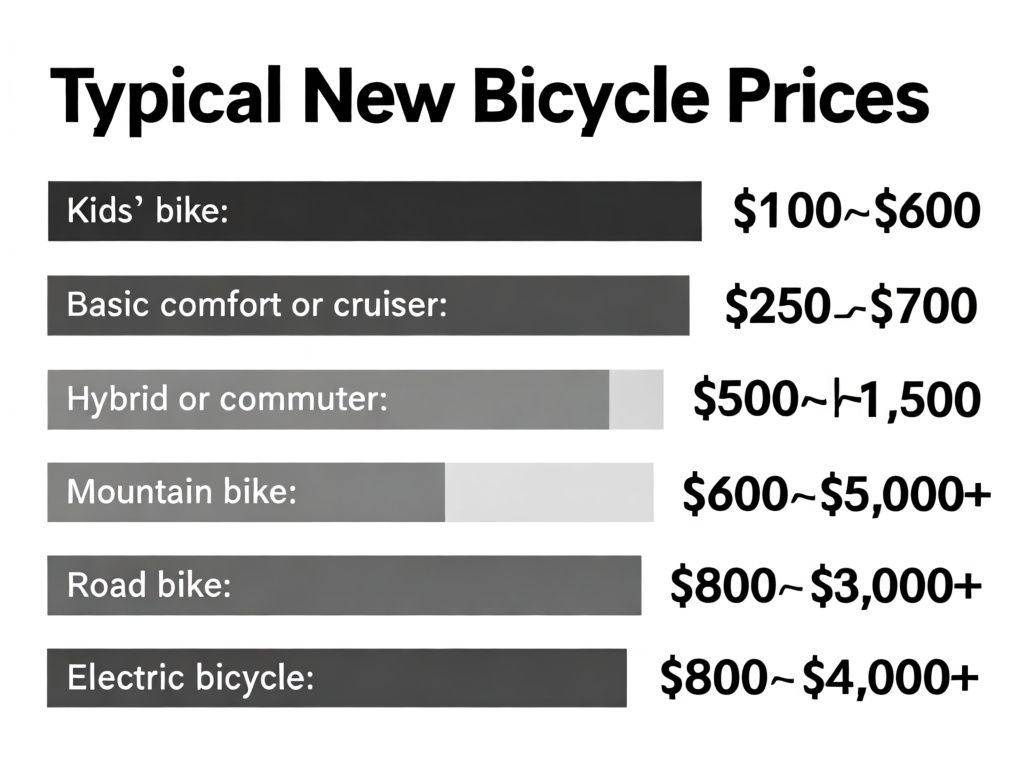
| Type of bicycle | Typical new-bike price | Best suited for |
|---|---|---|
| Basic comfort or cruiser bike | $250–$700 | Short paved rides, neighborhoods, casual use |
| Hybrid or fitness bike | $500–$1,500 | Commuting, bike paths, general fitness |
| Road bike | $800–$3,000+ | Long paved rides and organized road cycling |
| Mountain bike | $600–$5,000+ | Gravel, trails, and technical off-road riding |
| Electric bicycle | $800–$4,000+ | Commuting, hills, longer trips, reduced effort |
| Kids’ bicycle | $100–$600 | Learning, neighborhood riding, family outings |
These are broad United States price ranges for new bikes, not fixed retail rules. Local taxes, seasonal discounts, brand reputation, included equipment, and professional assembly can move the final price considerably.
How much does a basic bicycle cost?
A basic new bicycle usually costs $250 to $700. This category includes cruisers, simple comfort bikes, entry-level hybrids, and some children’s bikes. These models are generally made for paved streets, parks, bike paths, and short trips rather than demanding terrain.
The least expensive bikes often use heavy steel frames, basic gearing, inexpensive tires, and simple rim brakes. Those features are not automatically unsafe, but they can make the bike slower to accelerate, harder to carry upstairs, and less pleasant on hills. Assembly quality also matters, especially when a bike has been shipped in a box and put together quickly.
A $400 to $700 bike from a bicycle shop often provides a better starting point than a $200 department-store model. The difference may include a properly adjusted drivetrain, wheels that run straight, a frame that fits more accurately, and access to follow-up service. For a rider planning to use the bike weekly, that extra cost is often easier to justify than replacing a disappointing bike later.
How much does a hybrid or commuter bike cost?
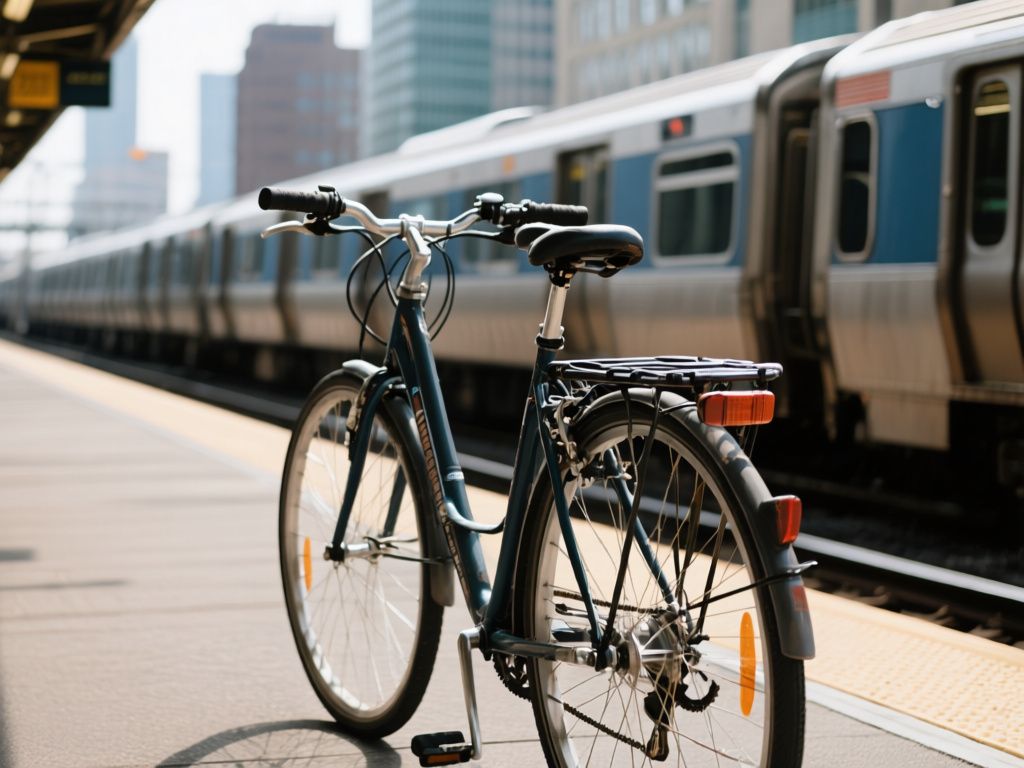
A good hybrid or commuter bicycle usually costs $500 to $1,500. A hybrid bike combines traits from road and mountain bikes: it normally has relatively smooth tires, an upright riding position, flat handlebars, and gearing suited to streets and moderate hills.
Entry-level hybrids around $500 to $800 are enough for many riders who want transportation, exercise, and weekend rides. Models near $800 to $1,500 may include hydraulic disc brakes, lighter aluminum frames, wider gearing, puncture-resistant tires, mounts for racks and fenders, and more refined contact points such as the saddle and grips.
Commuters should budget for practical features rather than paying only for a lower number on the scale. A rear rack, full-length fenders, integrated lights, and tires with useful puncture protection can matter more than saving a pound or two. Those additions may cost $100 to $400 if they are not already included.
How much does a road bike cost?
New road bikes generally start around $800 and can exceed $10,000, although most recreational riders do not need the expensive end of that range. Road bikes are designed for paved surfaces and commonly use drop handlebars, narrow tires, and a lightweight frame.
At approximately $800 to $1,500, an entry-level road bike may have an aluminum frame, a carbon-fiber fork, and a mechanical shifting system. It can be a capable choice for fitness rides, charity events, and longer weekend trips. The fit should be checked carefully because a road bike that is too long, too low, or too aggressive can become uncomfortable within an hour.
Road bikes between $1,500 and $3,500 often bring lighter carbon frames, better wheels, smoother electronic or mechanical shifting, and stronger braking systems. Prices above that level commonly reflect weight reduction, aerodynamic design, premium carbon construction, racing-focused wheels, and brand-specific components. Those improvements can matter to competitive riders, but they offer diminishing practical value for casual use.
How much does a mountain bike cost?
A mountain bike costs roughly $600 to $5,000 or more, depending mainly on its suspension and intended trail difficulty. A hardtail mountain bike has front suspension but a rigid rear frame, while a full-suspension bike has suspension at both ends.
Hardtails in the $600 to $1,500 range are often the sensible choice for beginners riding gravel roads, park trails, and moderate singletrack. They are lighter, easier to maintain, and less expensive than full-suspension bikes. A basic hardtail is also more efficient on pavement, although its knobby tires create extra rolling resistance.
Full-suspension mountain bikes commonly begin around $1,500 and reach well beyond $6,000. The added cost covers a rear shock, linkage, stronger wheels, more powerful brakes, and suspension components that can handle repeated impacts. Riders who only encounter smooth dirt paths may gain little from that complexity.
Mountain-bike prices should be judged against the terrain. A bike for rocky downhill trails needs a different frame, suspension design, and brake system than one for gentle forest roads. Buying the most expensive-looking model is not a substitute for selecting the right category.
How much does an electric bicycle cost?
A new electric bicycle, often called an e-bike, usually costs $800 to $4,000, with premium models reaching above $6,000. An e-bike uses a battery-powered motor to assist the rider while pedaling. The motor does not remove the need to pedal on most standard models, but it makes hills, headwinds, and longer commutes less tiring.
Entry-level e-bikes under about $1,200 can be useful, but shoppers should examine the battery, brakes, motor location, warranty, and replacement-parts support. A bike with a removable battery is often easier to charge in an apartment. Hydraulic disc brakes are useful on heavier e-bikes because they provide strong, controlled stopping.
Models from roughly $1,500 to $3,000 tend to offer better motors, larger or more reliable batteries, improved frames, stronger wheels, and more established service support. A premium e-bike may cost more because it integrates the motor and battery neatly into the frame or uses a specialized drive system.
Battery replacement is a long-term expense. The exact lifespan depends on use, storage, temperature, charging habits, and battery design, but owners should expect eventual replacement rather than assuming the original battery lasts forever. A replacement can cost several hundred dollars, so warranty terms and local service access deserve attention before purchase.
Is a used bicycle cheaper?
A used bicycle commonly costs 30% to 60% less than a comparable new model, although exceptional bargains and overpriced listings both exist. A well-maintained used bike can be an excellent purchase, especially for a first road bike, commuter, or mountain bike.
The main risk is hidden repair work. A used bicycle may need new tires, brake pads, cables, a chain, a cassette, bearings, or suspension service. A bike that appears to cost $300 can require another $200 or more before it is dependable.
Before buying used, check the frame for cracks, deep dents, corrosion, and suspicious repairs. Spin each wheel to look for side-to-side movement, test every gear, squeeze the brakes, and inspect the chain for heavy rust. On a carbon-fiber frame, damage can be difficult to judge, so a professional inspection is sensible.
Size is just as important as condition. A cheap bike that does not fit can cause hand, knee, neck, or back pain and may be difficult to resell. A local bike shop can often identify the correct frame size and estimate repairs before money changes hands.
What extra costs should be included in a bicycle budget?
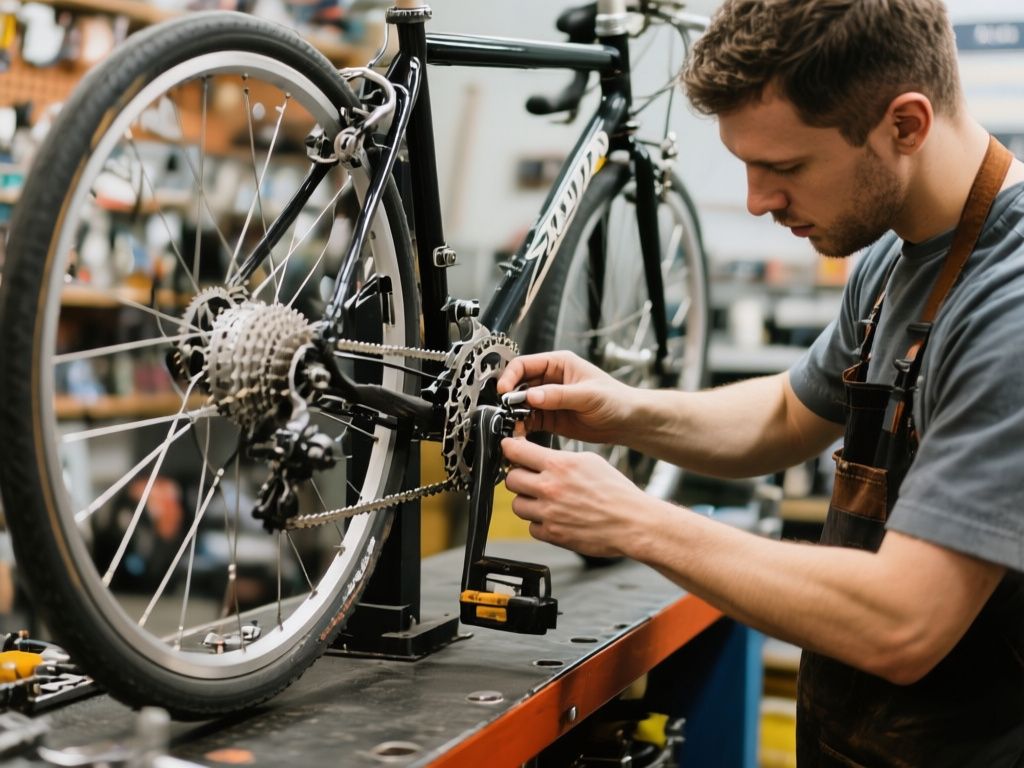
The bicycle itself is only part of the first-year cost. A practical starting budget should include safety equipment, comfort upgrades, basic tools, and at least one maintenance visit.
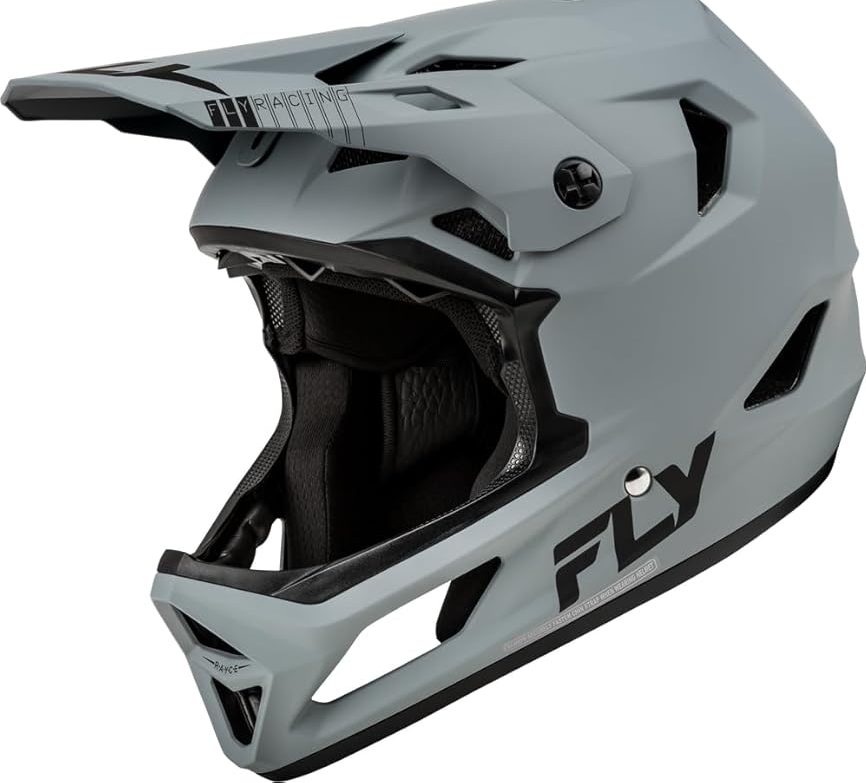
- Helmet: about $40 to $150 for a properly certified model that fits securely.
- Front and rear lights: roughly $30 to $150, depending on brightness and charging features.
- Lock: about $30 to $150; stronger locks generally weigh more but provide better resistance to theft.
- Floor pump and repair kit: approximately $40 to $120.
- Rack, fenders, and bags: commonly $50 to $300, depending on the commuting setup.
- Professional assembly or fitting: sometimes included, but otherwise often $50 to $150.
- Routine maintenance: around $75 to $250 per year for many casual riders, excluding major damage or suspension work.
A rider buying a $700 hybrid may therefore spend $150 to $500 more on useful equipment during the first year. That does not mean every accessory is necessary on day one. A helmet, lock, lights for low-light riding, and a pump usually deserve priority.
What bicycle should someone buy for the money?
The best value usually comes from matching the bike to the ride rather than buying the cheapest or lightest model. A $600 hybrid is often a strong choice for paved commuting, while a $900 hardtail makes more sense for genuine trail use. Spending extra on the wrong category does not solve the underlying mismatch.
- For occasional neighborhood rides: budget $250 to $700 for a cruiser or comfort bike.
- For commuting and fitness: budget $600 to $1,200 for a hybrid with reliable brakes and practical mounting points.
- For long paved rides: budget $1,000 to $2,500 for a road or endurance bike with a comfortable fit.
- For moderate trails: budget $700 to $1,500 for a hardtail mountain bike.
- For hilly commuting: budget $1,200 to $3,000 for an e-bike with a reputable motor and serviceable battery.
Test rides reveal problems that specifications cannot. The saddle should not force excessive pressure, the handlebars should feel natural, and the rider should be able to stop confidently without straining. A bicycle shop that asks about riding conditions is usually more helpful than a seller focused only on component names.
Frequently Asked Questions
What is a reasonable price for a first bicycle?
A reasonable budget for a first adult bicycle is $500 to $1,000. That range usually provides a dependable hybrid, fitness bike, or entry-level mountain bike without paying for specialized features a new rider may not use.
Are cheap bicycles worth buying?
Cheap bicycles can be worthwhile for very occasional, low-speed riding, but the lowest-priced models often have heavier frames and lower-quality components. For regular use, spending closer to $500 at a reputable bicycle shop generally improves comfort, reliability, and service support.
How much should a good bicycle cost?
For many riders, a good bicycle costs $700 to $1,500. The appropriate figure depends on the type: a good hybrid may cost less than a good full-suspension mountain bike, while an e-bike usually costs more because of its motor and battery.
Is it cheaper to build a bicycle from parts?
Building a bicycle is usually not cheaper than buying a complete bike, particularly when labor and specialized tools are included. Custom builds can make sense for experienced riders who already own compatible parts or need a very specific setup.
How much does a bicycle cost per year to maintain?
Many casual riders spend about $75 to $250 per year on maintenance, including adjustments, lubrication, tubes, brake pads, and occasional tires. Frequent commuters, trail riders, and e-bike owners may spend more because their bikes accumulate wear faster or require specialized service.
Should someone buy a new or used bicycle?
A used bicycle is a good option when its frame fits, its major parts work, and its repair needs are understood. New buyers who cannot evaluate mechanical condition may be better served by a new entry-level bike from a shop with assembly and warranty support.
For most buyers, the practical target is simple: choose the correct bicycle type, reserve money for a helmet and lock, and spend enough to get a proper fit and dependable assembly. That approach usually matters more than paying extra for a lighter frame or a longer list of gears.

Olivia
Writer at Helmet Today, covering helmet reviews, fit and riding safety.