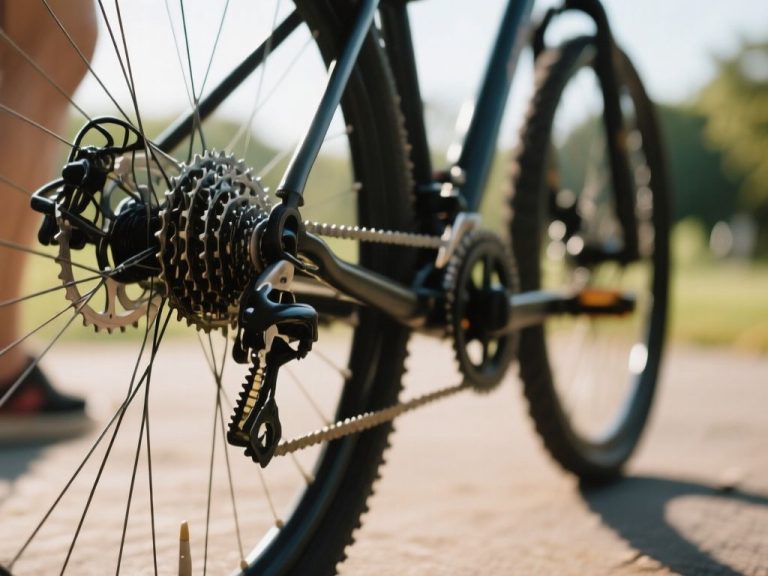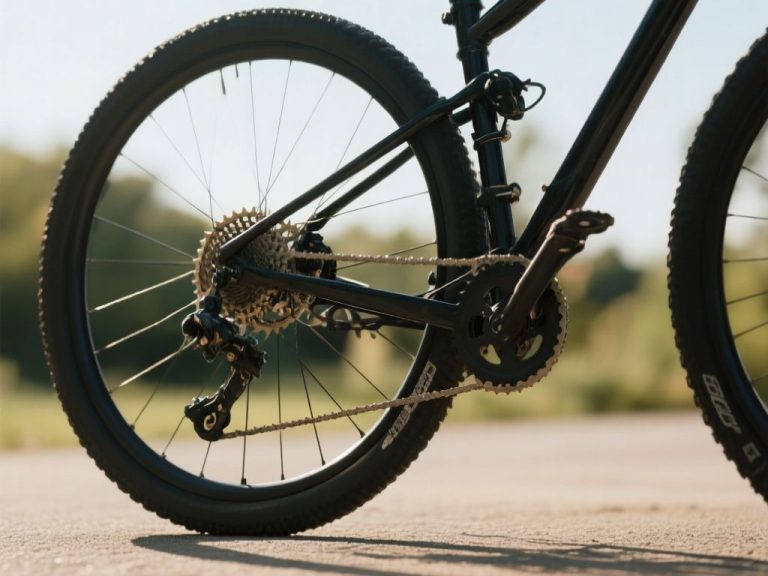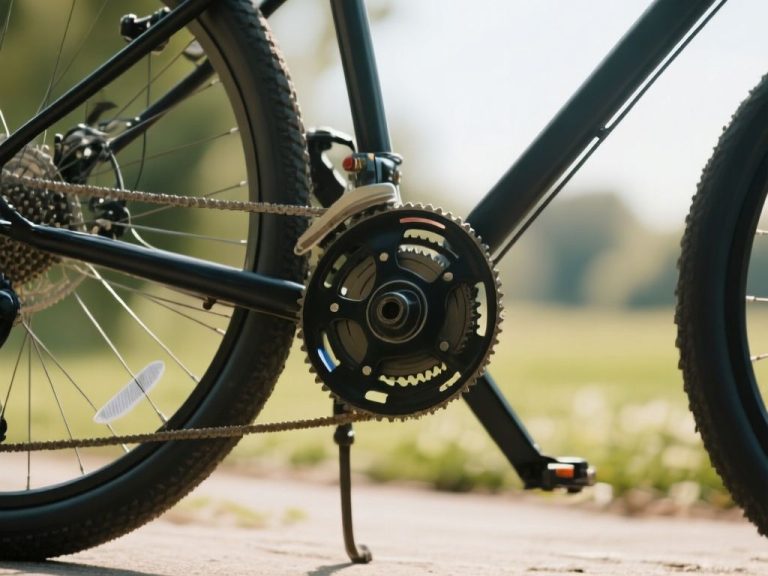

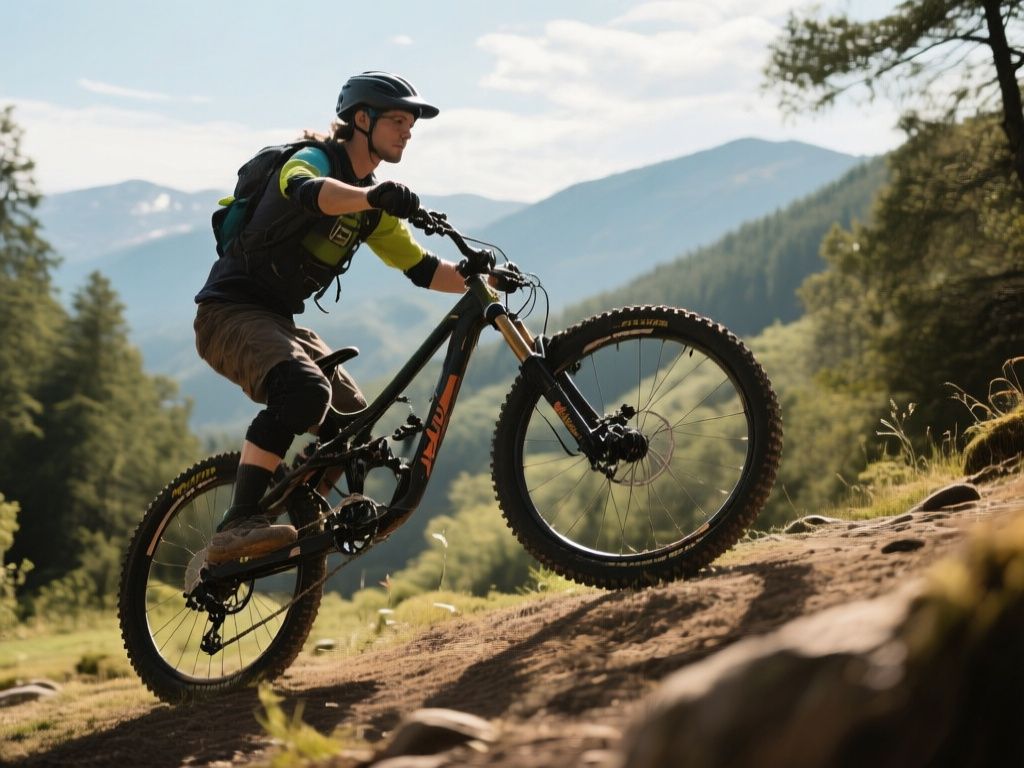
MTB usually means “mountain bike,” a bicycle designed for riding on dirt trails, rocks, roots, and uneven ground. Mountain bikes use wider, knobbier tires, stronger frames, suspension, and powerful brakes than road or city bikes. “MTB” can also refer to mountain biking, the sport of riding those bicycles off pavement.
What does MTB stand for?
MTB is short for mountain bike or mountain biking, depending on the context. A person might say, “I need a new MTB,” meaning a mountain bike, or “I went MTB riding,” meaning mountain biking.
Mountain bikes are built for control on surfaces that are rough, loose, steep, or unpredictable. Their design favors stability and impact resistance rather than low weight and maximum speed on smooth roads. That difference explains why a mountain bike feels slower than a road bike on pavement but much more secure on a rocky trail.
Mountain biking covers several styles, from relaxed rides on forest paths to timed races down steep slopes. The right bike depends on the trail, riding speed, and amount of climbing involved.
How is a mountain bike different from a regular bicycle?
A mountain bike differs from a typical city or road bicycle through its tires, frame geometry, suspension, gearing, and braking system. Each feature helps the rider manage uneven terrain and maintain traction.
| Feature | Mountain bike | Road or city bike |
|---|---|---|
| Tires | Wide, knobby tires for grip on dirt and loose ground | Narrower, smoother tires for pavement |
| Suspension | Front suspension is common; some models also have rear suspension | Usually rigid, with no suspension |
| Handlebars | Flat handlebars for leverage and steering control | Drop or swept-back handlebars, depending on the style |
| Brakes | Usually hydraulic or mechanical disc brakes | Rim brakes or disc brakes |
| Riding position | More upright and centered for control | Often more forward-leaning for efficiency |
| Gearing | Low gears for steep climbs and technical trails | Gearing focused more on speed and smooth surfaces |
The difference is most obvious when the surface becomes rough. A road bike’s narrow tires can slip or pinch flat on rocks, while a mountain bike’s tire volume and tread help it roll over and grip those obstacles.
How does a mountain bike work?
A mountain bike works by combining traction, suspension, braking, and rider positioning. The bicycle does not remove every bump or hazard; instead, it gives the rider more tools to respond to them.
Wide tires create a larger contact patch with the ground, while tread blocks bite into dirt, mud, gravel, and roots. Tire pressure also matters. Lower pressure can improve grip and comfort, but pressure that is too low increases the chance of hitting the rim or damaging the tire.
Suspension helps the wheels stay connected to the trail. A suspension fork absorbs movement at the front wheel, while a full-suspension bike adds a rear shock to control movement at the back. Suspension is measured by travel, which is the distance the wheel can move through the suspension system.
Hardtail mountain bikes have front suspension but no rear shock. They are usually lighter, simpler, and less expensive than full-suspension models. Full-suspension bikes are more comfortable and controlled on rough descents, although they cost more and require additional maintenance.
Disc brakes use a rotor attached to the wheel hub and a caliper that squeezes the rotor. Hydraulic disc brakes transfer force through fluid and generally offer strong, consistent braking with light lever pressure. Mechanical disc brakes use a cable and are easier to adjust in some situations, but they may require more hand force.
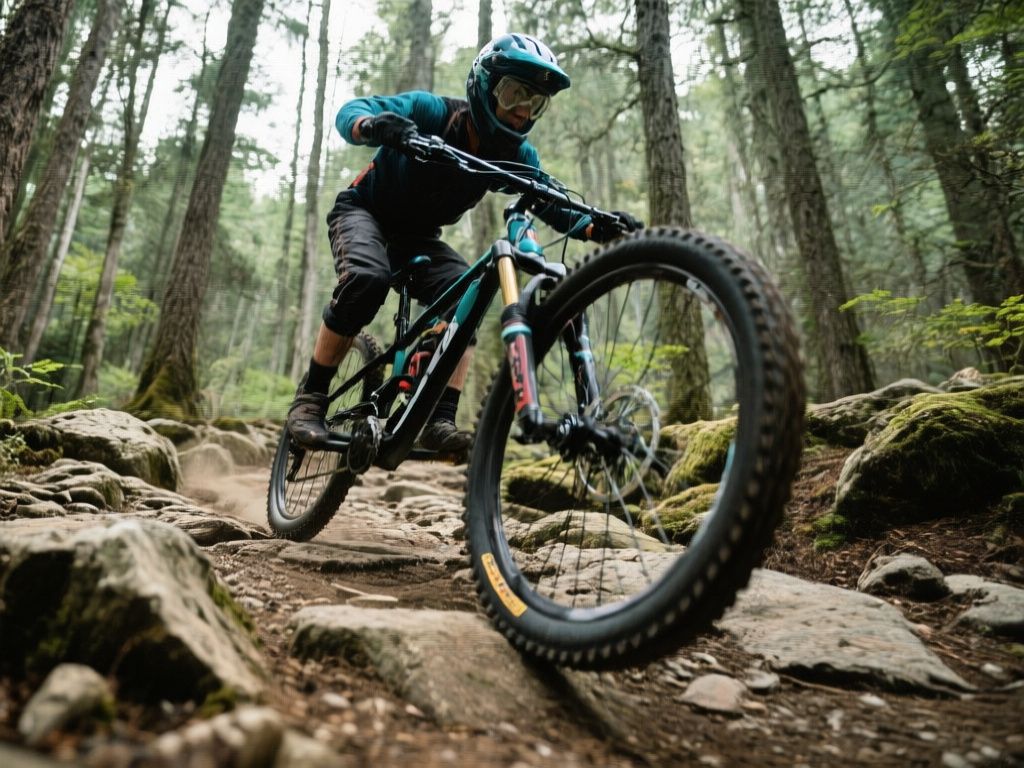
The rider’s position is part of the system. On a descent, shifting the hips slightly rearward and lowering the torso can help keep the center of gravity balanced. On a climb, moving forward over the front wheel can prevent the wheel from lifting while keeping enough weight on the rear tire for traction.
What are the main types of mountain bikes?
Mountain bikes are grouped by the terrain and riding style they are designed to handle. The categories overlap, but each has a practical purpose.
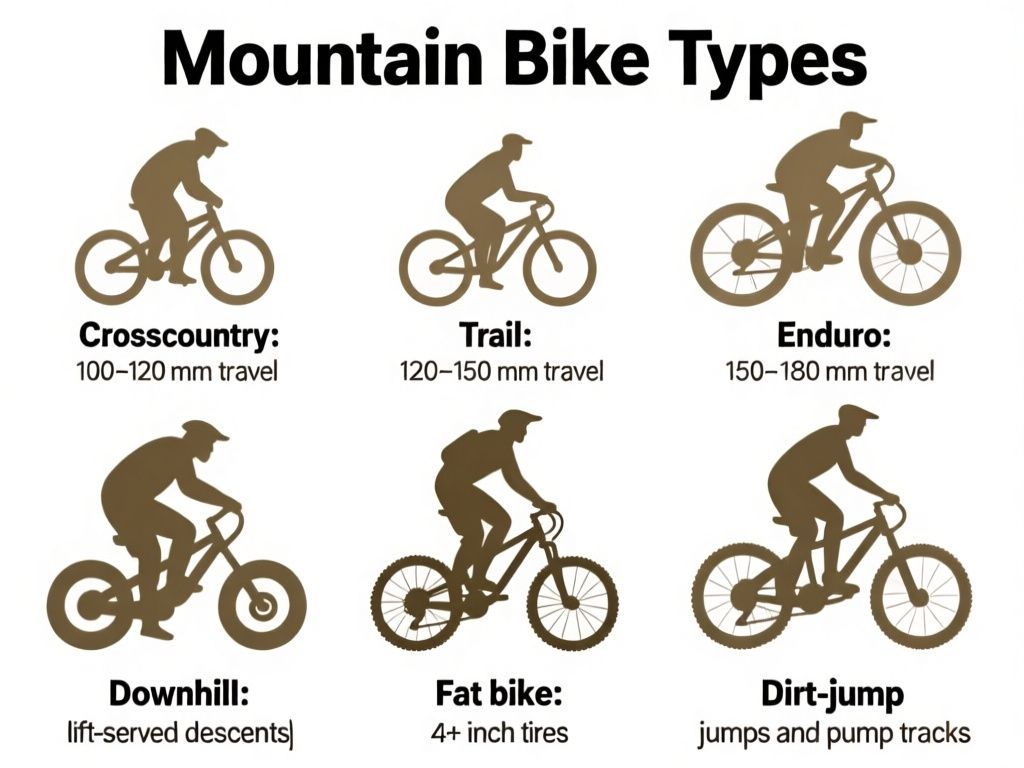
- Cross-country bikes: Cross-country, or XC, bikes prioritize efficient climbing and long-distance riding. They commonly have around 100 to 120 millimeters of suspension travel and suit smoother trails, rolling terrain, and racing.
- Trail bikes: Trail bikes are the most versatile choice for many recreational riders. They balance climbing ability with downhill control and often have roughly 120 to 150 millimeters of suspension travel.
- All-mountain and enduro bikes: These bikes are designed for steep, technical descents while still being capable of climbing back to the top. They often use about 150 to 180 millimeters of travel and stronger components than trail bikes.
- Downhill bikes: Downhill bikes are built for lift-served or shuttle-accessed descents. Their long suspension, slack geometry, and heavy-duty parts handle jumps, rocks, and high-speed impacts, but they are inefficient for ordinary uphill riding.
- Fat bikes: Fat bikes use very wide tires, often about four inches or more, to float over snow, sand, and soft ground. They can also be ridden on regular trails, though their extra weight and rolling resistance are noticeable.
- Dirt-jump bikes: Dirt-jump bikes have compact frames, strong wheels, and short suspension or rigid forks. They are intended for jumps, pump tracks, and bike-park tricks rather than long trail rides.
- Electric mountain bikes: Electric mountain bikes, or e-MTBs, use a motor and battery to assist pedaling. They can make long climbs more accessible, but they are heavier and must follow local rules about where motor-assisted bikes may be used.
For a first mountain bike, a trail bike or recreational hardtail is usually the most practical starting point. A downhill bike makes little sense for someone riding local cross-country paths, just as a lightweight XC bike may feel overwhelmed on repeated rocky descents.
Which mountain bike wheel size is best?
The common mountain bike wheel sizes are 26, 27.5, and 29 inches, although modern adult bikes are now dominated by 27.5-inch and 29-inch wheels. Wheel size affects how the bike rolls over obstacles, turns, accelerates, and fits the rider.
- 26-inch wheels: These were once standard on adult mountain bikes but are now more common on older bikes, children’s bikes, and some jump bikes.
- 27.5-inch wheels: These offer quick handling and a relatively low overall size. They can suit smaller riders and people who prefer a lively, agile feel.
- 29-inch wheels: These roll over rocks and roots smoothly, maintain momentum well, and often provide strong traction. They can feel less nimble in tight turns and may not fit every rider comfortably.
Some bikes use a mixed setup called “mullet,” with a 29-inch front wheel and a 27.5-inch rear wheel. The larger front wheel helps roll over obstacles, while the smaller rear wheel can make the bike easier to maneuver. Fit and frame design matter more than choosing a wheel size by reputation alone.
What equipment do you need for mountain biking?
A rider needs more than a bicycle to ride safely and comfortably on trails. The essential equipment is straightforward, and most of it serves a clear purpose.
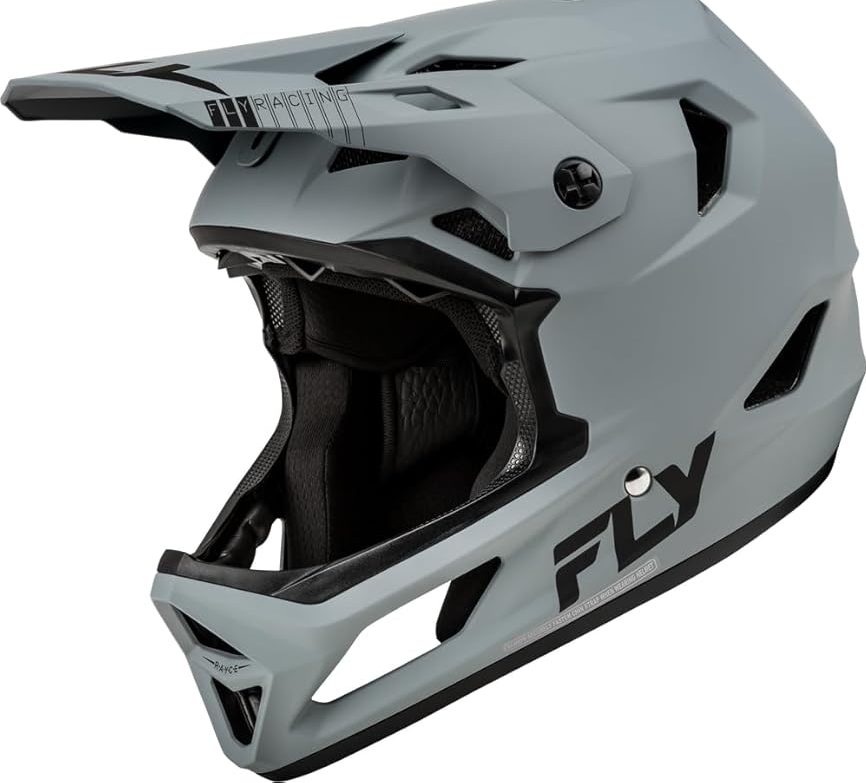
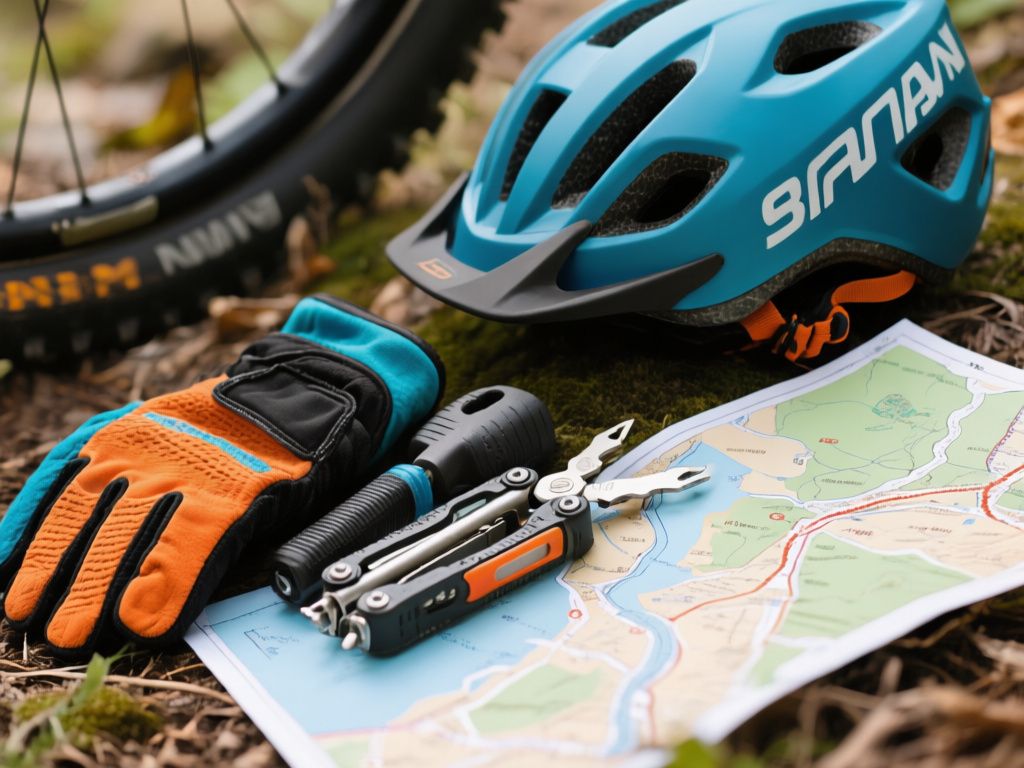
- Helmet: A properly fitted bicycle helmet should sit level and snug, with the straps forming a comfortable V around the ears. Full-face helmets provide more coverage for fast, steep, or jump-heavy riding.
- Gloves: Gloves improve grip, reduce vibration, and protect the hands during a fall.
- Eye protection: Glasses help block dust, insects, branches, and small stones thrown by another rider’s tire.
- Flat-repair kit: Carry a spare tube or tubeless plug kit, tire levers, a pump or inflator, and a multitool. Tubeless tires reduce pinch flats but still need repair supplies.
- Water and food: A bottle or hydration pack is useful even on shorter rides, especially in hot weather or on climbs.
- Appropriate clothing: Padded cycling shorts can reduce discomfort, while breathable layers and weather-resistant clothing help manage changing conditions.
A small first-aid kit and a charged phone are sensible additions for remote trails. Riders should also tell someone where they are going when riding alone, particularly on unfamiliar routes.
How should a beginner ride an MTB?
A beginner should start on a wide, relatively smooth trail and practice basic control before attempting steep descents, jumps, or rock gardens. The first goal is not speed; it is learning to brake, steer, shift, and look ahead without becoming tense.
- Set the bike up correctly. Adjust the saddle height so the leg is nearly extended at the bottom of the pedal stroke, without forcing the hips to rock. Check tire pressure and test both brakes.
- Keep the pedals level on rough ground. A level pedal position helps the rider avoid striking rocks and gives a stable platform when standing.
- Look where you want to go. The front wheel tends to follow the rider’s line of sight. Looking directly at an obstacle can make it harder to steer around it.
- Brake before the turn. Reduce speed before a corner, then release some brake pressure while turning. Heavy braking with the front wheel turned can cause a loss of traction.
- Use both brakes smoothly. The front brake provides much of the stopping power, but it should be applied progressively rather than grabbed suddenly.
- Shift before the climb becomes steep. Changing to an easier gear early keeps the pedaling smooth and reduces the chance of stalling halfway up a hill.
Riders should use a relaxed grip and allow the arms and legs to act as additional suspension. Locked elbows and a stiff upper body make bumps feel harsher and reduce steering control.
Is mountain biking dangerous?
Mountain biking carries real risks because trails include uneven surfaces, trees, steep slopes, and changing weather. Most common injuries result from falls, collisions, loss of traction, or mechanical problems rather than from ordinary pedaling.
Risk can be reduced through speed control, protective equipment, route planning, and gradual progression. A rider who can comfortably stop before an obstacle is in a much safer position than one who is relying on luck or momentum.
Trail etiquette also protects people. Riders should yield to hikers and horses according to local rules, slow down when passing, stay on marked paths, and avoid riding muddy trails when tires would cause deep damage. Bikes should be checked before each ride for loose wheels, worn brake pads, damaged tires, and a properly functioning chain.
How much does a mountain bike cost?
Mountain bike prices vary widely by frame material, suspension quality, drivetrain, brakes, and brand. A basic recreational hardtail may be suitable for paved paths and mild dirt trails, while serious trail bikes require more expensive suspension and stronger components.
Buyers should avoid choosing a bike based only on the number of gears or the lightest advertised weight. A properly sized frame, hydraulic disc brakes, air-adjustable suspension, and reliable wheels generally matter more for trail performance than a large gear count.
A used mountain bike can be good value, but the inspection should include the fork stanchions, rear shock, wheel bearings, headset, drivetrain, and brake rotors. Scratches on the frame are often cosmetic; oil leaks, deep dents, cracked carbon, or play in the suspension are more serious concerns.
Is an MTB worth buying?
An MTB is worth buying if the rider expects to spend meaningful time on dirt trails, gravel paths, forest roads, or bike parks. It is also a sensible choice for riders who want a durable, upright bicycle that can handle rough surfaces.
A mountain bike is not always the best tool for commuting on smooth pavement. Knobby tires roll more slowly, suspension can absorb pedaling energy, and the upright frame may be less efficient over long road distances. For mixed commuting and light trails, a hybrid bike or rigid gravel bike may be a better fit.
Frequently Asked Questions
What does MTB mean in cycling?
MTB means mountain bike or mountain biking. The meaning depends on the sentence: “buy an MTB” refers to the bicycle, while “go MTB riding” refers to the activity.
Can a mountain bike be used on the road?
Yes, a mountain bike can be ridden on roads, but its wide, knobby tires and suspension usually make it slower than a road or hybrid bike on pavement. Harder tires and a locked suspension fork can improve efficiency for short road sections.
Is a hardtail or full-suspension MTB better?
A hardtail is usually simpler, lighter, and less expensive, making it a strong choice for beginners and smoother trails. Full suspension offers better comfort and control on rough, technical terrain but costs more and needs additional maintenance.
Are 29-inch wheels better for mountain biking?
Not universally. Twenty-nine-inch wheels roll over obstacles efficiently and maintain momentum, while 27.5-inch wheels can feel more agile and fit some riders better. Frame size, body proportions, trail type, and personal handling preference all matter.
Do mountain bikes need suspension?
Mountain bikes do not always need suspension, especially for smooth gravel and gentle paths. Front suspension is useful on uneven trails, while rear suspension becomes more valuable as terrain gets rougher and faster.
What should a beginner look for in an MTB?
A beginner should prioritize the correct frame size, dependable disc brakes, a wide-range drivetrain, suitable tires, and a suspension fork with a lockout. A reputable local bike shop can also help with fit and initial adjustments, which often matter more than small component upgrades.

Olivia
Writer at Helmet Today, covering helmet reviews, fit and riding safety.