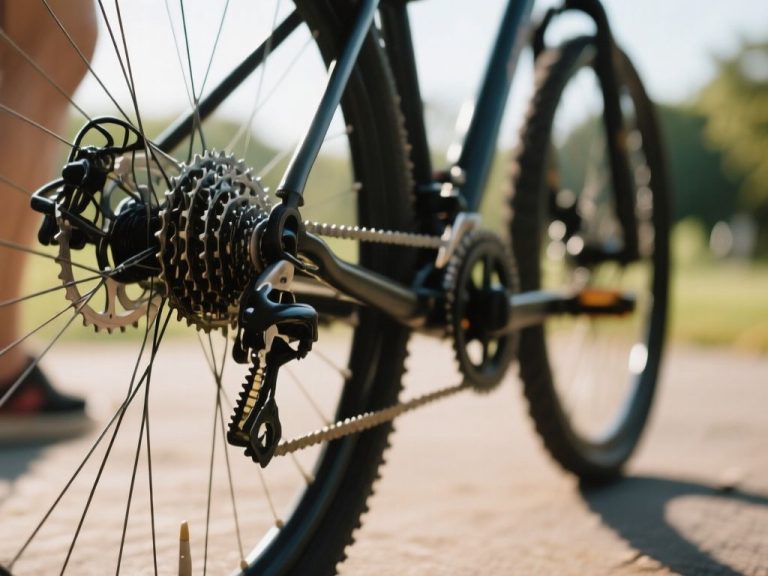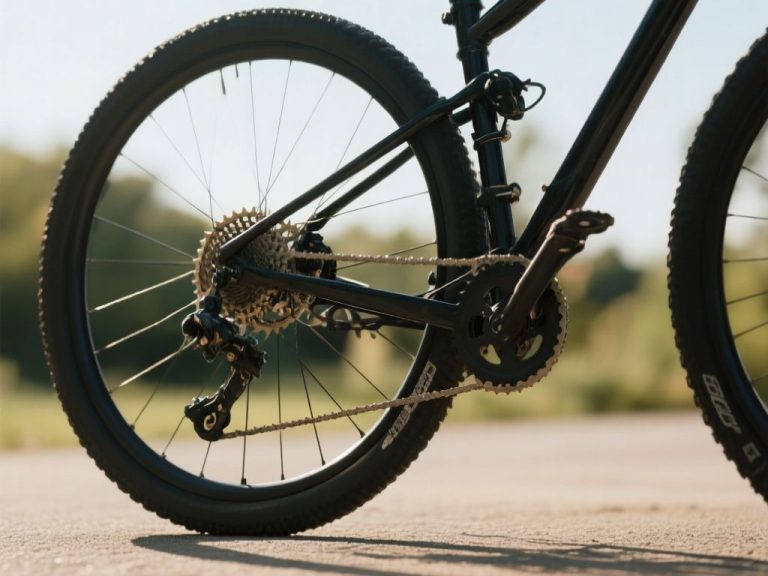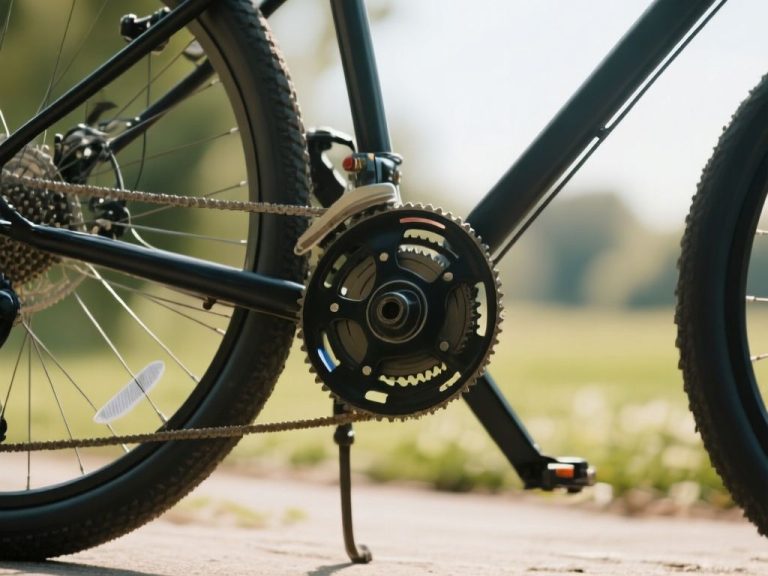

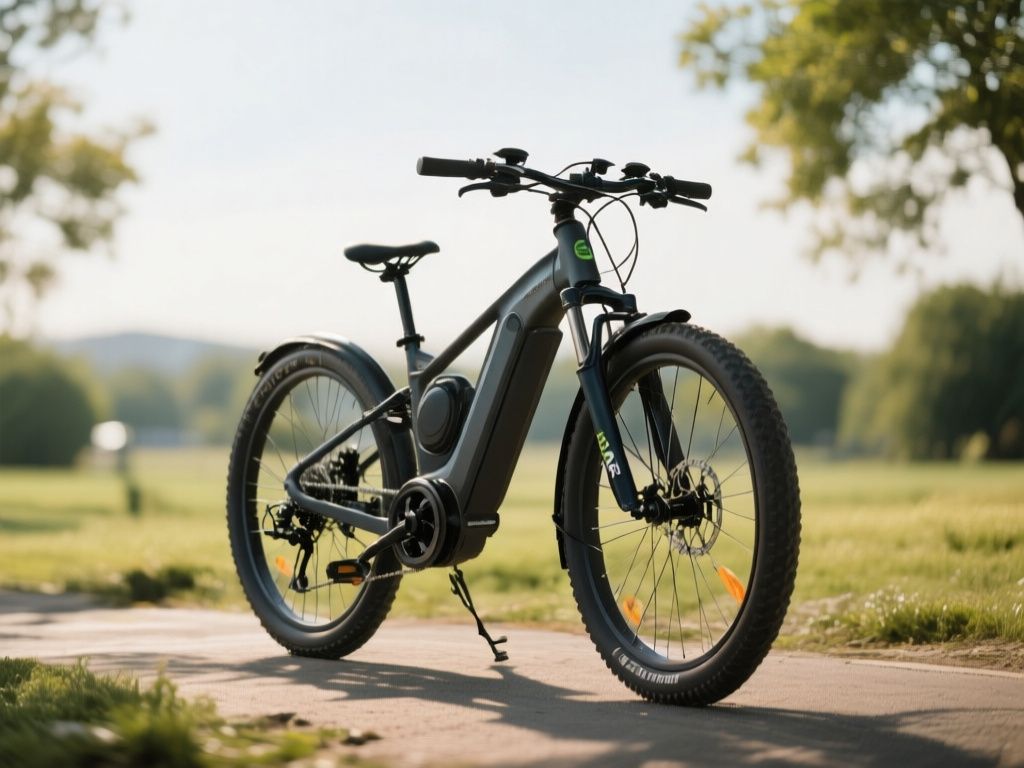
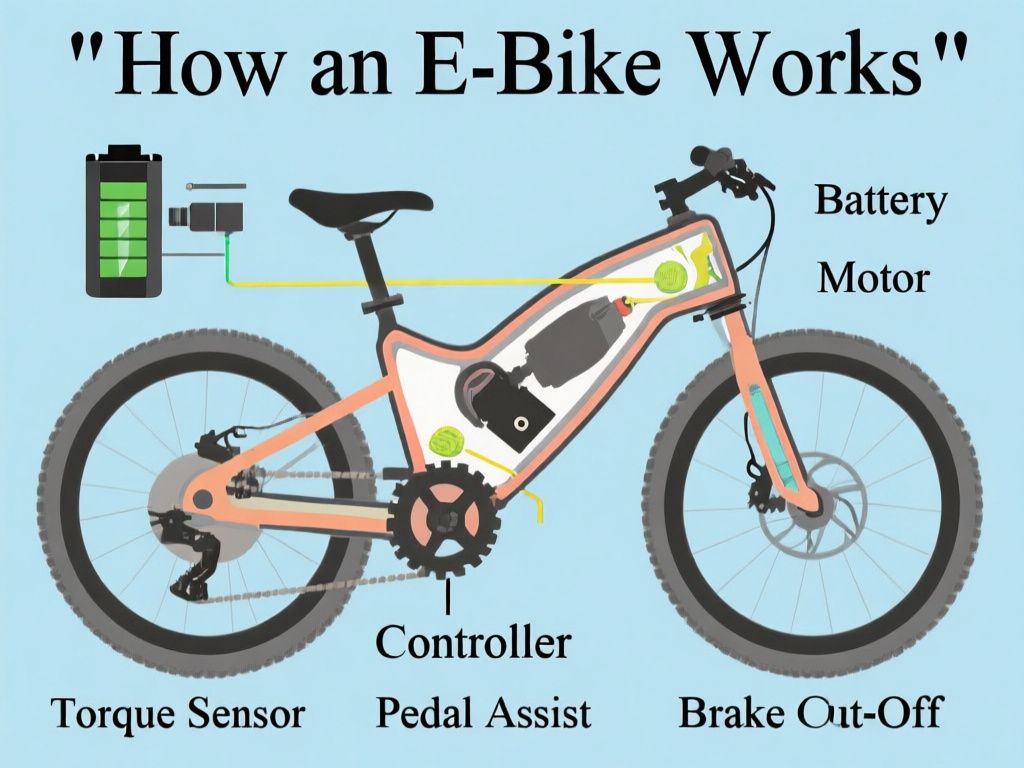
Electric bikes, or e-bikes, work by combining ordinary bicycle mechanics with a battery-powered motor. When the rider pedals, sensors detect the movement and a controller tells the motor how much assistance to provide. The battery supplies electricity, while the display, brakes, and settings help control speed, range, and safety.
What is an e-bike?
An e-bike is a bicycle with an electric motor, rechargeable battery, electronic controller, and control display added to the normal frame, wheels, brakes, and drivetrain. The motor does not usually replace pedaling; it reduces the effort needed to start, climb hills, carry cargo, or ride into a headwind.
Most e-bikes look and ride like conventional bicycles when the motor is switched off. The rider still steers with the handlebars, stops with brake levers, and transfers power through pedals, a chain or belt, gears, and the rear or front wheel.
Two broad operating styles are common:
- Pedal assist: The motor runs when the rider pedals. This is the most common arrangement for commuter, hybrid, mountain, and cargo e-bikes.
- Throttle control: A thumb lever or twist grip activates the motor without requiring the rider to pedal, depending on the bike and local regulations.
Some models offer both options. A rider might use pedal assist for a longer trip and a throttle for a short, controlled start at a junction or on a steep ramp.
How does an e-bike motor work?
An e-bike motor converts electrical energy from the battery into rotational force at the wheel or crank. The motor contains coils and magnets that create a rotating magnetic field, turning a shaft as electricity is switched through the motor’s circuits.
The motor itself does not decide how hard to work. An electronic device called a controller manages the flow of electricity between the battery and motor. It interprets signals from the pedals, throttle, speed sensor, display, and brake cut-off switches, then adjusts motor output many times per second.
Motor power is often described in watts. Watts measure the rate at which electrical energy is being used, but a higher wattage does not automatically mean a faster or better bike. Motor torque, measured in newton-metres, is more useful for understanding pulling strength at low speed, especially on hills and when carrying luggage.
A motor with strong low-speed torque can feel more capable on a steep hill than a motor with a higher advertised watt rating but less effective control. Weight, gearing, rider size, tire pressure, and battery charge also affect real-world performance.
What is the difference between hub motors and mid-drive motors?
A hub motor sits inside the front or rear wheel hub. It drives that wheel directly, so the motor does not use the bicycle’s chain or gears. Hub motors are mechanically simple, usually quieter, and often less expensive to manufacture.
Front hub motors can make a bicycle feel slightly different because the powered wheel is pulling from the front. Rear hub motors generally provide a more natural-feeling push and work well on commuter and utility bikes. A hub motor may be less efficient on very steep hills if the bike is heavily loaded or moving slowly.
A mid-drive motor sits near the pedals and sends power through the bicycle’s crank, chain, belt, and gears. Because it can use the bike’s gears, it can keep the motor operating efficiently across a wider range of speeds.
Mid-drive systems tend to feel balanced because the motor’s weight is near the center of the frame. They are especially useful for steep terrain, mountain biking, and cargo hauling. The trade-off is higher cost and increased wear on the chain, cassette, chainring, and other drivetrain parts.
| Motor type | Typical strengths | Possible drawbacks |
|---|---|---|
| Front hub | Simple design, often affordable, easy to maintain | Can feel less natural on loose or steep surfaces |
| Rear hub | Direct push, good for commuting and flat routes | Rear-wheel service can be more involved |
| Mid-drive | Good hill performance, balanced weight, uses bicycle gears | Higher price and greater drivetrain wear |
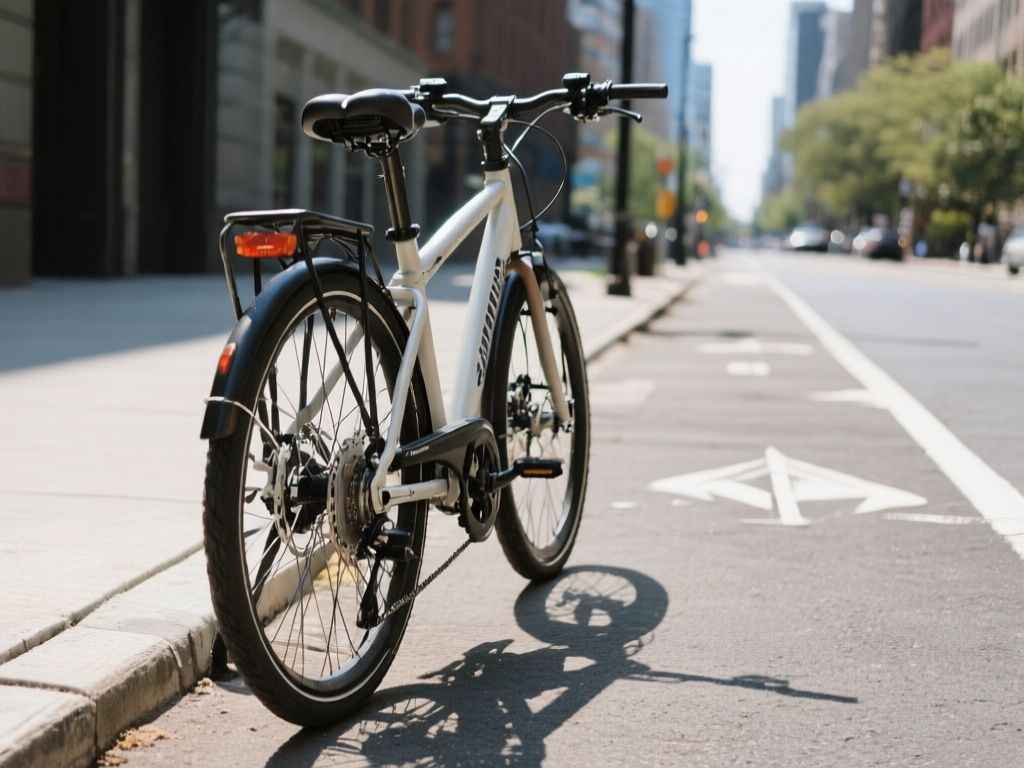
How does pedal assist know when someone is pedaling?
Pedal-assist e-bikes use sensors to detect the rider’s input. The two main types are cadence sensors and torque sensors, and they produce noticeably different riding experiences.
A cadence sensor detects whether the crank is turning. It commonly uses a magnet ring and a stationary sensor near the pedals. Once the rider begins rotating the cranks, the system turns the motor on according to the selected assistance level.
Cadence systems are straightforward and relatively inexpensive. Their assistance can feel more like an on-off switch: the motor starts after the pedals move and continues at a programmed level. A short delay or brief surge can occur, particularly on basic systems.
A torque sensor measures how hard the rider presses on the pedals. It usually detects small changes in force through strain gauges or related electronics. Gentle pedaling produces modest assistance, while stronger pedaling prompts more motor output.
Torque sensing often feels more like an extension of normal cycling. It responds quickly and can make it easier to control traction on gravel, wet pavement, or technical trails. The system costs more and may require careful calibration, but many riders prefer its predictable response.
How does the battery power an e-bike?
An e-bike battery stores electrical energy in groups of rechargeable lithium-ion cells. The battery usually includes a battery management system, or BMS, which monitors cell voltage, temperature, and current to help prevent unsafe charging and discharging.
Battery capacity is commonly listed in watt-hours, abbreviated Wh. Watt-hours estimate how much energy the battery can store. For example, a 500 Wh battery can theoretically provide 500 watts for one hour, or 250 watts for two hours, although actual riding time changes with terrain, speed, weight, temperature, and assistance level.
Range means the distance an e-bike can travel on one charge. Manufacturers may publish a range estimate, but it should be treated as a test result rather than a guarantee. A rider traveling slowly on flat pavement with light pedal assistance may exceed the estimate, while a heavy rider climbing hills in maximum assistance may travel much less.
The following conditions usually reduce range:
- High speed and frequent hard acceleration
- Steep hills or strong headwinds
- Heavy cargo or a large combined rider-and-bike weight
- Low tire pressure
- Cold weather
- Continuous use of the highest assistance setting
Battery placement affects handling. Frame-integrated batteries look tidy and keep weight low, while removable external batteries are often easier to charge indoors. A removable pack is useful when the bicycle is stored in a shed, apartment hallway, or workplace without a nearby electrical outlet.
How is an e-bike battery charged?
An e-bike battery is charged with a dedicated charger that converts household alternating-current electricity into the direct-current power used by the battery. The charger plugs into a port on the battery or bicycle and usually indicates charging status with an LED.
A full charge commonly takes several hours, depending on battery size, charger output, and the battery’s starting level. The owner’s manual should specify the correct charger because voltage and connector differences can damage the battery or create a safety risk.
Good charging habits are simple. Use the manufacturer-approved charger, charge on a nonflammable surface, keep the battery dry, and allow a hot battery to cool before charging. Do not use a visibly damaged, swollen, leaking, or unusually hot battery. Batteries should not be modified with homemade cell replacements.
Long-term storage also affects battery life. If an e-bike will sit unused for weeks or months, the battery should generally be stored in a cool, dry place with a partial charge rather than left completely empty. Exact storage recommendations vary by manufacturer, so the manual takes priority.
What happens when an e-bike rider brakes?
Most e-bikes use brake cut-off switches that stop motor assistance as soon as a brake lever is pulled. This helps prevent the motor from pushing while the rider is trying to slow down or hold the bike still.
Some electric bicycles use regenerative braking, which sends a small amount of energy back into the battery during deceleration. This feature is more common on electric motorcycles and scooters than on ordinary e-bikes because bicycle batteries and hub systems usually have limited opportunities to recover meaningful energy.
Regenerative braking cannot replace normal friction brakes. Disc or rim brakes still provide the main stopping force, especially on steep descents, in wet conditions, or during an emergency stop. Riders should keep brake pads, cables, hydraulic lines, and rotors in good condition.
How do the display and assistance settings work?
The handlebar display shows information such as battery level, speed, distance, selected assistance mode, and sometimes estimated remaining range. Buttons or a remote control let the rider change the assistance level while riding.
Assistance modes usually range from low to high. Lower modes conserve battery and provide a lighter boost, while higher modes offer stronger acceleration and hill support. The exact names vary, but a typical system might include Eco, Tour, Sport, and Turbo settings.
Walk-assist mode is a low-speed feature designed to help move the bicycle while the rider walks beside it. It can be useful with a loaded cargo bike or on a ramp, but it is not intended to operate the bicycle unattended.
Some displays connect to a phone application for firmware updates, route planning, theft alerts, or ride records. These features can be convenient, but the bicycle should remain usable for basic riding even if the phone is unavailable.
Are e-bikes difficult to ride?
An e-bike is generally easy to ride, but the extra weight and acceleration require a short adjustment period. A motor, battery, and stronger frame can make an e-bike substantially heavier than a similar unpowered bicycle.
New riders should begin in the lowest assistance setting in an open area. They should practice starting, stopping, turning, shifting gears, and using the brake levers independently before riding in traffic. The first powered start can be surprisingly strong if the assistance level is set high.
Correct gear selection matters most on mid-drive e-bikes. Shifting into an easier gear before a hill allows the motor to spin efficiently and reduces stress on the chain and drivetrain. Riders should ease pressure on the pedals briefly while shifting, just as they would on a conventional bicycle.
What maintenance does an e-bike need?
An e-bike needs the same basic care as a bicycle, plus a few electrical checks. Tires should be inflated to the pressure printed on the sidewall or recommended by the manufacturer, and the chain should be cleaned and lubricated regularly.
- Inspect brake pads and rotors or rims frequently.
- Keep electrical connectors clean, dry, and firmly seated.
- Check that the battery is locked securely into its mount.
- Look for loose bolts, damaged cables, and unusual motor noises.
- Have worn chains and cassettes replaced before shifting becomes unreliable.
- Do not pressure-wash the motor, display, battery, or connectors.
Electrical faults, battery repairs, and software diagnostics are best handled by a qualified bicycle shop or the manufacturer. A routine mechanical adjustment is different from opening a lithium-ion battery pack, which can create serious fire and shock hazards.
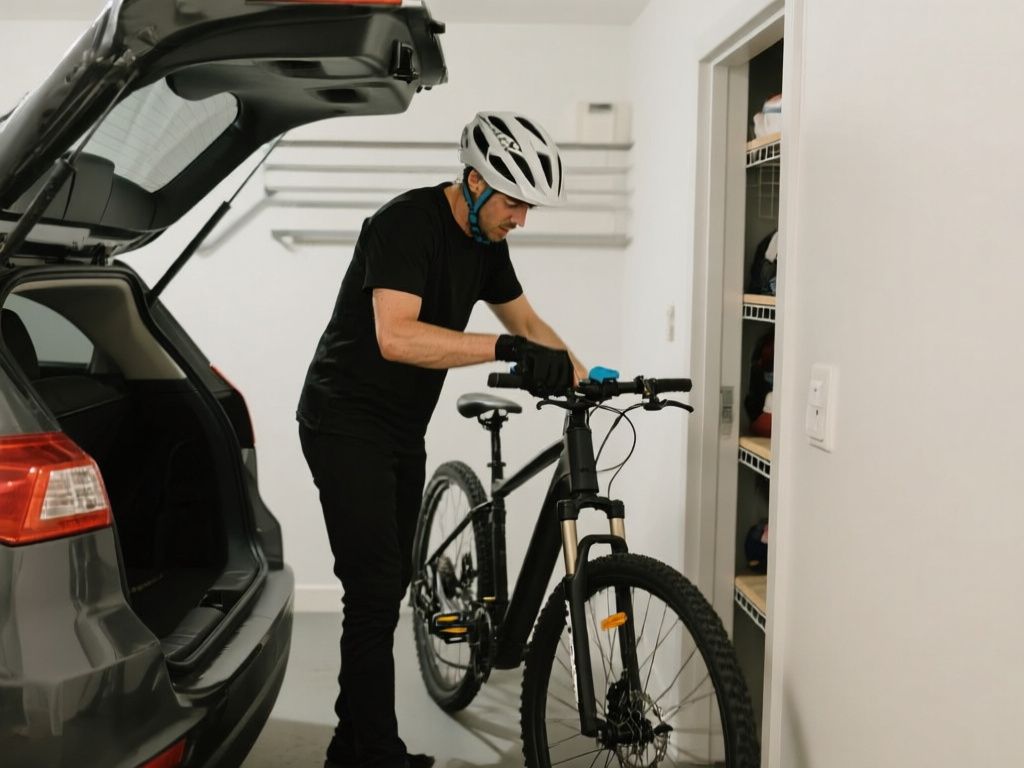
Are e-bikes legal everywhere?
E-bike rules differ by country, state, province, and city. Regulations may define separate classes based on top assisted speed, motor output, throttle operation, minimum age, helmet requirements, licensing, and where the bicycle may be ridden.
Many places distinguish between bicycles that assist only while pedaling and faster models that can use a throttle or continue assisting at higher speeds. A bike that is legal on a cycle path in one jurisdiction may require different equipment or access rules elsewhere.
Before riding, owners should check the local transport authority’s definition of an e-bike and follow the manufacturer’s speed and weight limits. Legal classification is not determined by appearance alone.
Frequently Asked Questions
Do e-bikes work without pedaling?
It depends on the model. Pedal-assist systems require the rider to pedal, while e-bikes with a throttle may move without pedaling if local rules allow that operating mode. Some bikes include both pedal assist and throttle control.
How far can an e-bike travel on one charge?
Range depends on battery capacity, rider weight, speed, terrain, wind, tire pressure, temperature, and assistance level. A published estimate is most useful for comparison between models, not as a guaranteed distance for every ride.
Can an e-bike be ridden like a normal bicycle?
Yes. The motor can usually be switched off, and the bicycle can be pedaled normally. The additional battery and motor weight may make it feel harder to accelerate or carry than a conventional bicycle.
Does a bigger battery make an e-bike faster?
Not necessarily. A larger battery mainly stores more energy and can extend range. Speed and acceleration depend more on motor output, controller settings, gearing, rider weight, and the legal limits applied to the bicycle.
Do e-bike batteries wear out?
Yes. Lithium-ion batteries gradually lose capacity through use and age, so a battery that once provided a full day of riding may eventually provide less distance. Careful charging, appropriate storage, and avoiding extreme heat can help preserve useful capacity.
Are e-bikes safe in the rain?
Most e-bikes are designed to tolerate ordinary rain, but they are not automatically waterproof. Avoid submerging the bicycle, spraying high-pressure water at electrical parts, or charging a wet battery. The manufacturer’s water-resistance guidance should be followed.

Olivia
Writer at Helmet Today, covering helmet reviews, fit and riding safety.