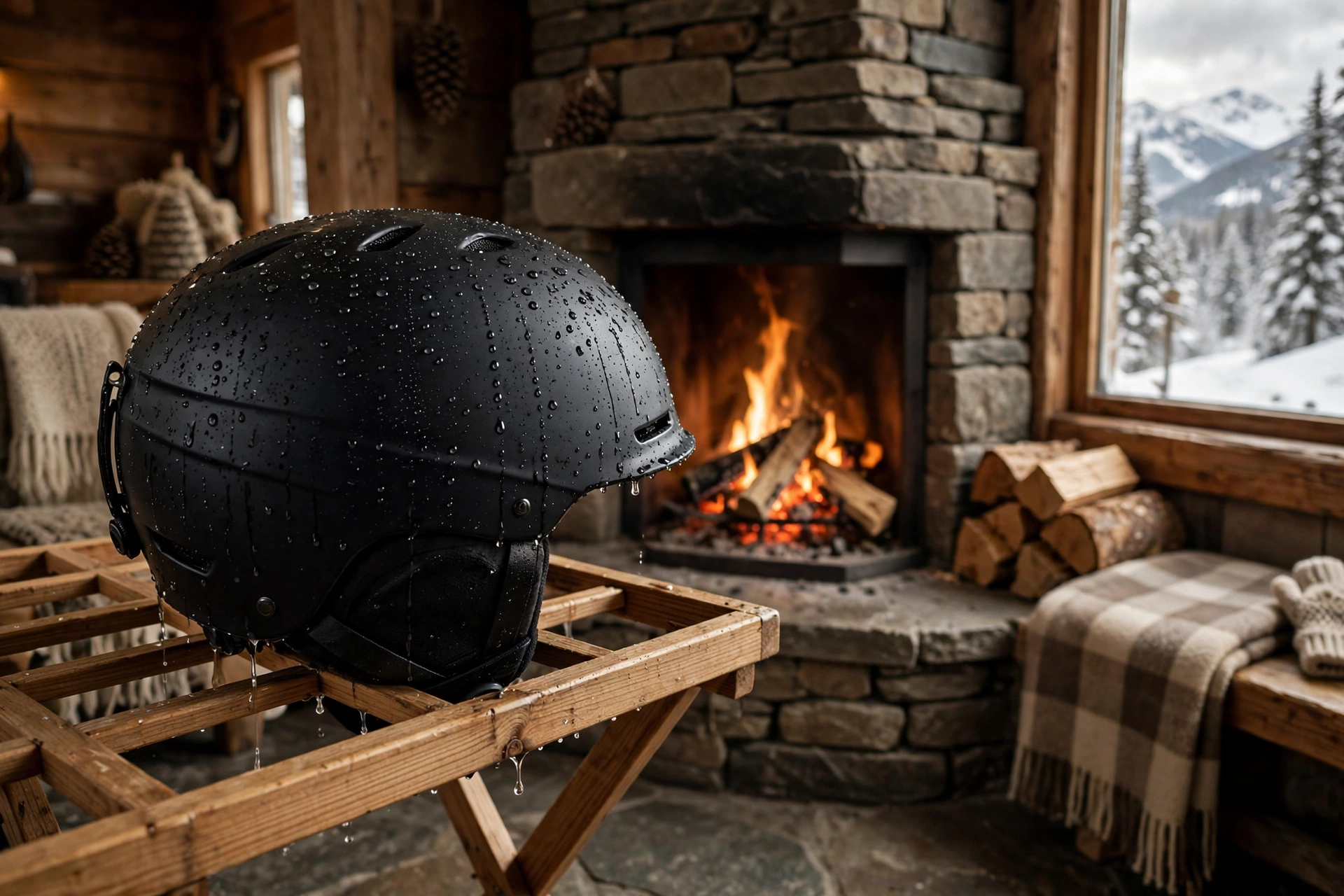
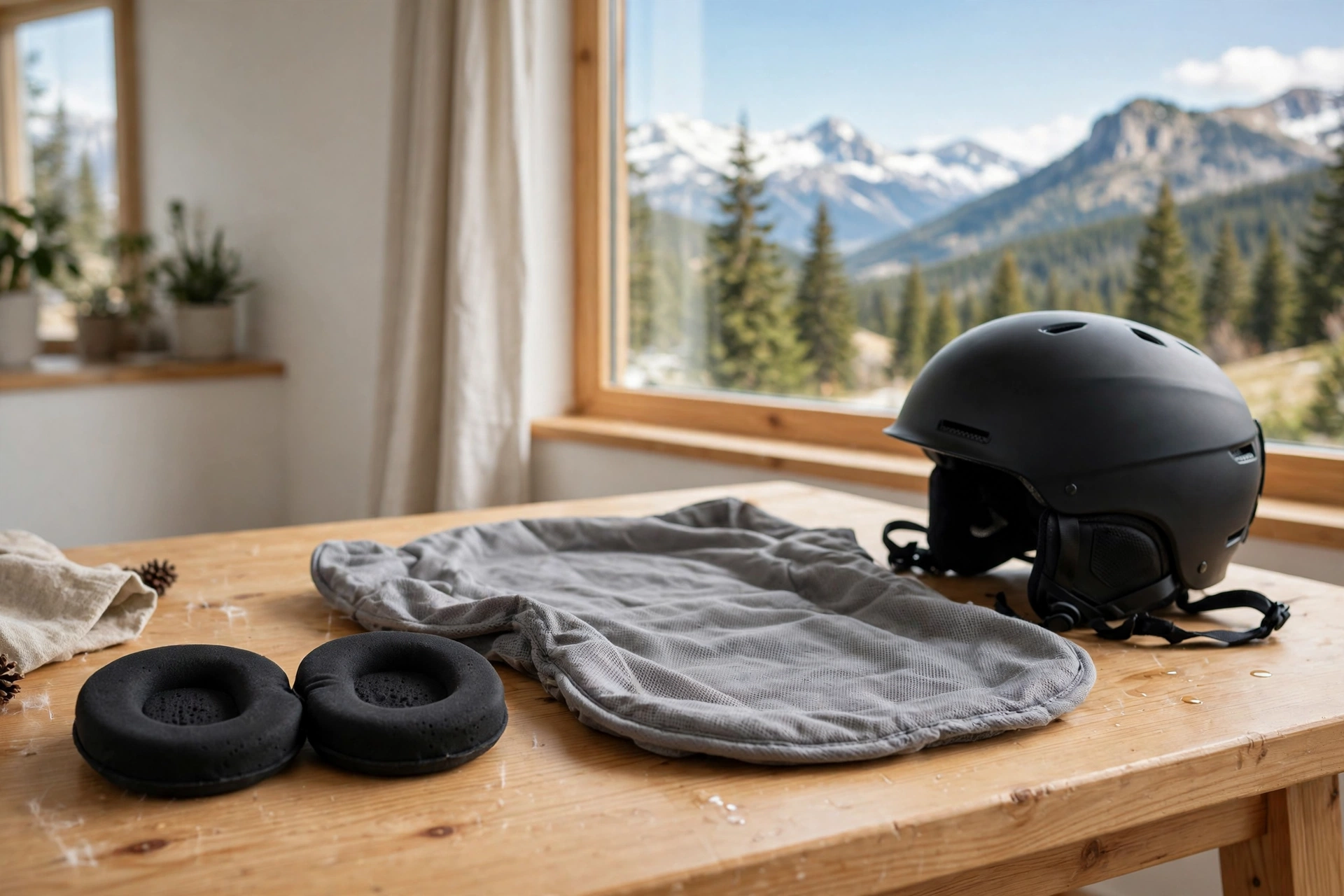
To dry a ski helmet after a wet day, remove the liner and ear pads, shake off the loose snow and water, then let everything air dry at room temperature with good airflow — never on a radiator, never with a hair dryer, and never inside a sealed gear bag. Most helmets are fully dry by the next morning, and the ear pads and liner dry fastest when they are taken out and laid flat separately.
A wet helmet left in a damp bag does more than smell bad by the next trip. Trapped moisture works into the comfort foam and slowly shortens the life of the padding and adhesives. Drying it properly takes about five minutes of effort. This guide walks through the steps and explains which heat sources to avoid.
What Should You Do First When You Get Off the Slopes?
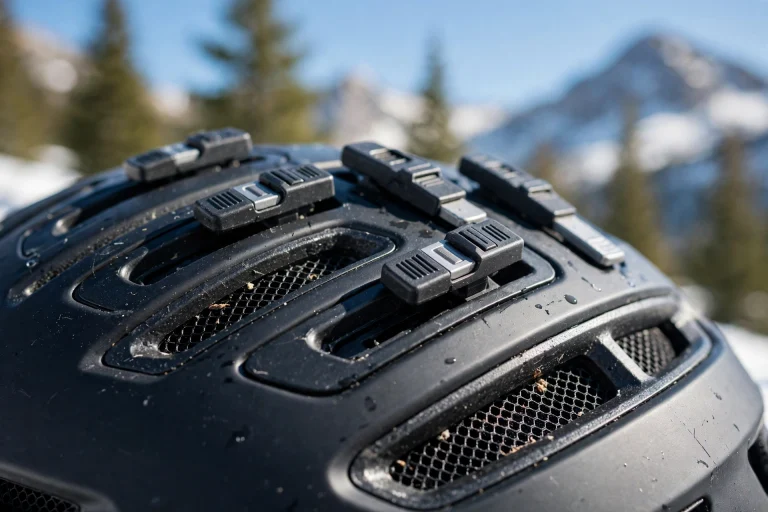
Start before the helmet ever reaches the car. Knock off the snow, shake out meltwater, and wipe the shell dry with a glove or a towel so water is not sitting in the vents on the drive home. If your helmet has a goggle retainer or clip, open it, because moisture loves to hide underneath straps and clips.
Once you are indoors, remove everything that comes off. Most modern ski helmets have a snap-in or hook-and-loop liner and removable ear pads, and they will trap moisture against the foam if you leave them in. Take them out, gently squeeze — do not wring — the water out of the fabric, and set them aside. Check the chin strap too: webbing holds more water than people expect, and a damp strap against your neck the next day is miserable.
If the inside foam itself feels wet to the touch, blot it with a dry towel and press lightly. Do not scrub the EPS foam, and never use solvents or strong cleaners on it. The foam is the part of the helmet that actually absorbs impact energy, and it deserves gentle treatment. While you are handling it, it is a good moment to glance at the liner systems layered against the foam — our explainer on how MIPS works inside a helmet shows why keeping those layers clean, dry, and free to move matters for the protection they are designed to give.
How Long Does a Ski Helmet Take to Air Dry?
In general terms, a helmet that is damp from a normal day of skiing dries overnight at room temperature — roughly 8 to 12 hours in a heated room with reasonable airflow. A helmet soaked by rain or a full day of wet spring snow can take 24 hours or more, especially the ear pads, which are usually the thickest and slowest-drying part.
Speed comes from airflow, not heat. Standing the helmet upright or on its side near a room fan, in a ventilated hallway, or in a boot room with moving air works well, and a small fan pointed at it from a short distance cuts drying time noticeably.
Two habits slow drying down. Leaving the helmet in a cold garage or an unheated car overnight can leave it damp — and frozen stiff — by morning. And sealing it in its carry bag before it is fully dry traps the moisture you just tried to remove, so only bag it once it is completely dry.
Can You Use Heat to Dry a Ski Helmet Faster?
Direct heat is the one shortcut that can quietly damage the helmet. In general terms, the EPS foam and the adhesives that bond the shell and liner are not designed for high temperatures, and strong heat can warp foam, weaken glue joints, and make plastic parts brittle. That rules out radiators, space heaters pointed at the helmet, hot air vents, hair dryers on hot settings, and tumble dryers for the liner.
Boot dryers sit in a gray area. Some low-temperature, fan-only dryers move warm air gently and are widely used for helmet pads, but anything that gets genuinely hot, or forces hot air into the helmet shell for hours, is a risk. If you use one, choose the lowest setting, keep sessions short, and never leave a helmet cooking on a heated peg overnight.
Warm rooms are fine — normal indoor heating will not hurt a helmet, and a helmet drying on a rack in a warm cabin is in no danger. The rule of thumb is simple: if the heat would be uncomfortable for your hand held close for a minute, it is too much for the foam. Patience plus airflow always beats speed plus heat.
Should You Wash the Liner While It Is Out?
A wet day is the best excuse to wash the liner and ear pads, because they are already removed and they absorb sweat and sunscreen all season long. Most removable liners can be hand washed in lukewarm water with a small amount of mild soap, then rinsed thoroughly. Washing also resets the freshness of pads that have started to hold odor.
Follow the care label on your specific helmet first, since a few liners specify cold water only. Avoid bleach, strong detergents, and fabric softeners, which can break down foam padding and leave residue that irritates skin. After washing, press the water out with a towel and air dry the pieces flat or hanging — the same no-direct-heat rule applies.
The helmet’s fixed interior — the EPS foam and any attached padding — should not be soaked or scrubbed. A damp cloth wipe is enough. If the inside of the helmet has developed a smell, a light wipe with a mild soap solution and a thorough air dry usually sorts it. Never put a whole helmet in a washing machine.
How Should You Store the Helmet Once It Is Dry?
Storage starts with certainty: the helmet should be completely dry before it goes into a bag, closet, or gear bin, including the strap and the underside of the pads. Storing even slightly damp gear is how musty helmets and degraded padding happen over a season.
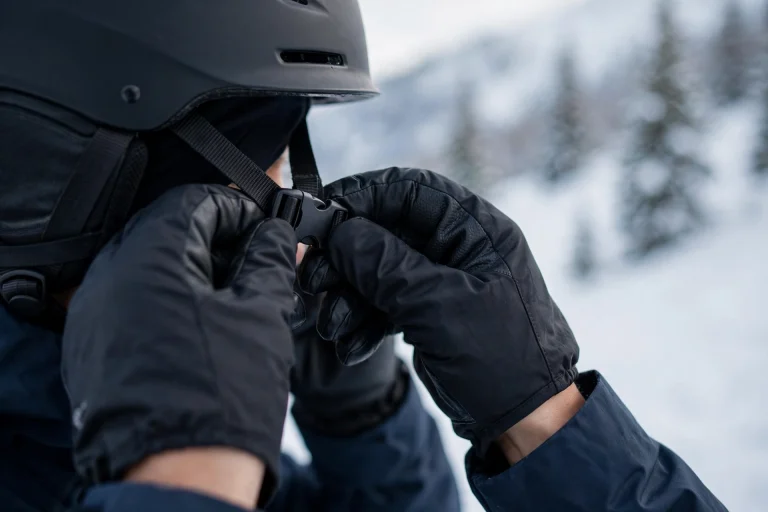
Reassemble it once dry — liner snapped back in, ear pads seated properly, straps lying flat. A quick check of the buckle, fit dial, and strap adjusters while you rebuild it doubles as a routine safety check.
For longer storage between trips, keep the helmet in a cool, dry place out of direct sunlight, ideally in its soft bag to protect the shell. Avoid attics and car trunks where heat builds, and avoid hanging it by the chin strap for months, which can stretch the webbing.
Frequently Asked Questions
Q: Can I dry my ski helmet on a radiator if I am in a hurry?
A: It is best avoided. Direct heat can weaken the adhesives and affect the EPS foam over time. If you are in a hurry, room-temperature airflow from a fan dries a helmet nearly as fast and carries no risk of heat damage.
Q: My helmet is still damp the next morning. Can I still wear it?
A: Yes, a slightly damp liner will not harm the helmet’s protection, though it will feel cold at first and the strap may be uncomfortable. Dry it again properly that evening, and if it stays damp for days, check that the ear pads are being removed — they are usually the part holding the moisture.
Q: How do I stop my helmet smelling bad after wet days?
A: Dry it fully every time, wash the removable liner and ear pads regularly with mild soap, and never store it damp in a closed bag. Most odor comes from moisture left sitting in the padding, so consistent drying is the real fix — sprays only mask it.

Olivia
Writer at Helmet Today, covering helmet reviews, fit and riding safety.