For straightforward flat welding at a bench, no — a standard viewing area is plenty. A large viewing area earns its cost when you weld out of position, work on big pieces, or move around the workpiece, because the wider window improves your peripheral awareness and lets you track the puddle without turning your whole head. The trade-offs are extra weight, a bigger helmet, and a higher price for both the helmet and its replacement filters. Buy the big window for the work that needs it, not for the spec sheet.
Viewing area is one of the headline numbers used to sell helmets, which makes it worth slowing down and asking what the extra glass actually does for your welding.
What Counts as a Large Viewing Area?
Helmets range from compact windows to wide panoramic designs, and some add side windows that wrap your peripheral view. Exact dimensions vary by model, and in general terms the “large” end of the market gives you a noticeably taller and wider view than a standard filter — enough to see more of the joint, the surrounding workpiece, and the space beside you without moving your head.
What matters more than the raw size is usable clarity across that area. A wide window that distorts or darkens unevenly toward the edges gives back much of its advantage, which is why optical quality ratings deserve as much attention as the dimensions when you compare helmets.
What Are the Real Benefits of a Bigger Window?
The first benefit is puddle tracking. On long seams, a wider view lets you watch the puddle, the joint line ahead of it, and the edges of the workpiece at the same time, so small drifts in direction get caught early instead of at the grinder. The second is peripheral awareness: clamps, edges, hoses, coworkers, and the forklift passing behind you all register sooner when your view is not a narrow slot.
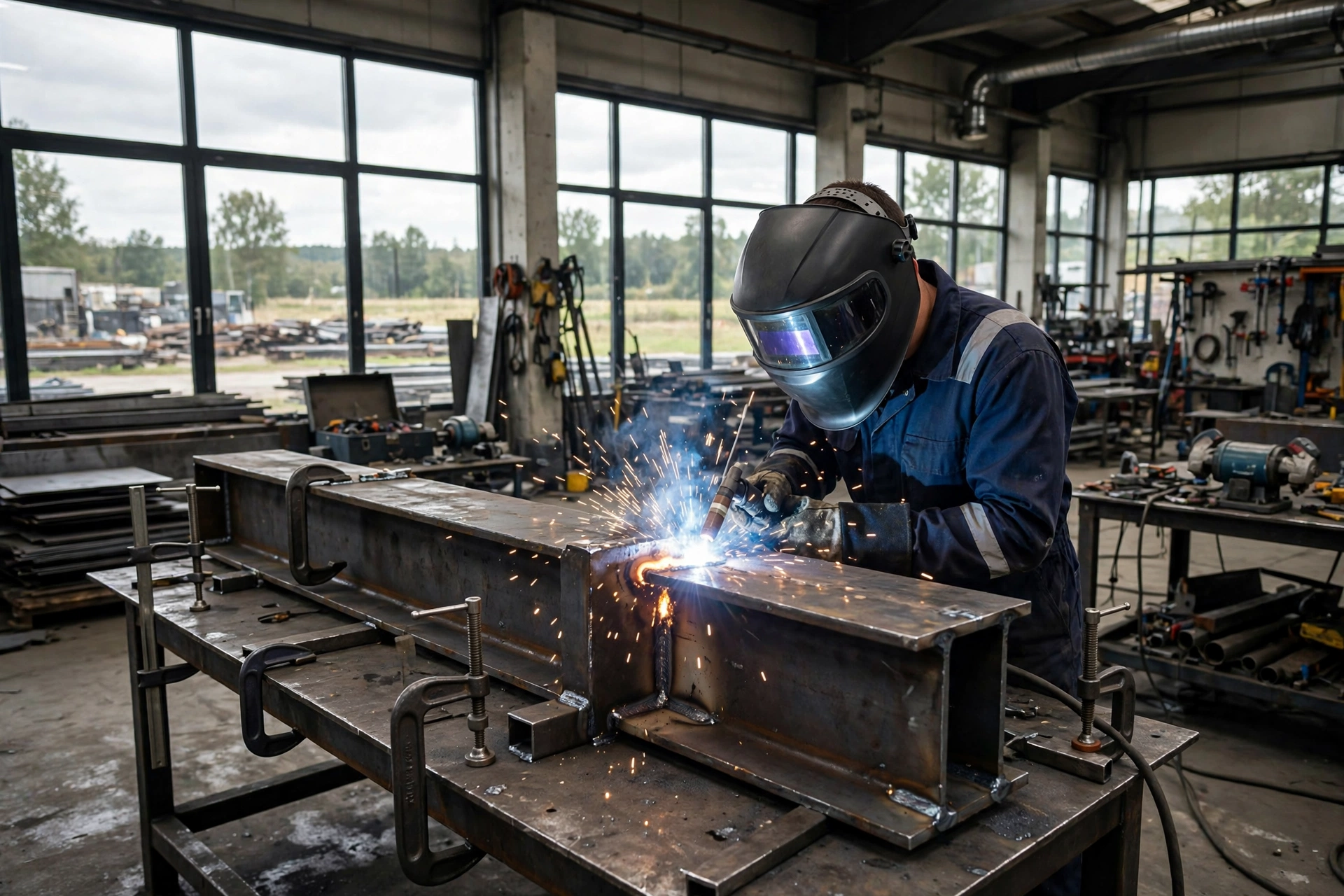
There is a smaller, everyday benefit too: setup. With a wide window you can see the joint, your torch or electrode angle, and where your free hand is resting while the helmet stays down, so fit-up, tacking, and repositioning happen without lifting the helmet or losing your place on the seam. Welders who wear glasses, or who use a magnifying cheater lens, also tend to find a comfortable eye position more easily behind a larger filter.
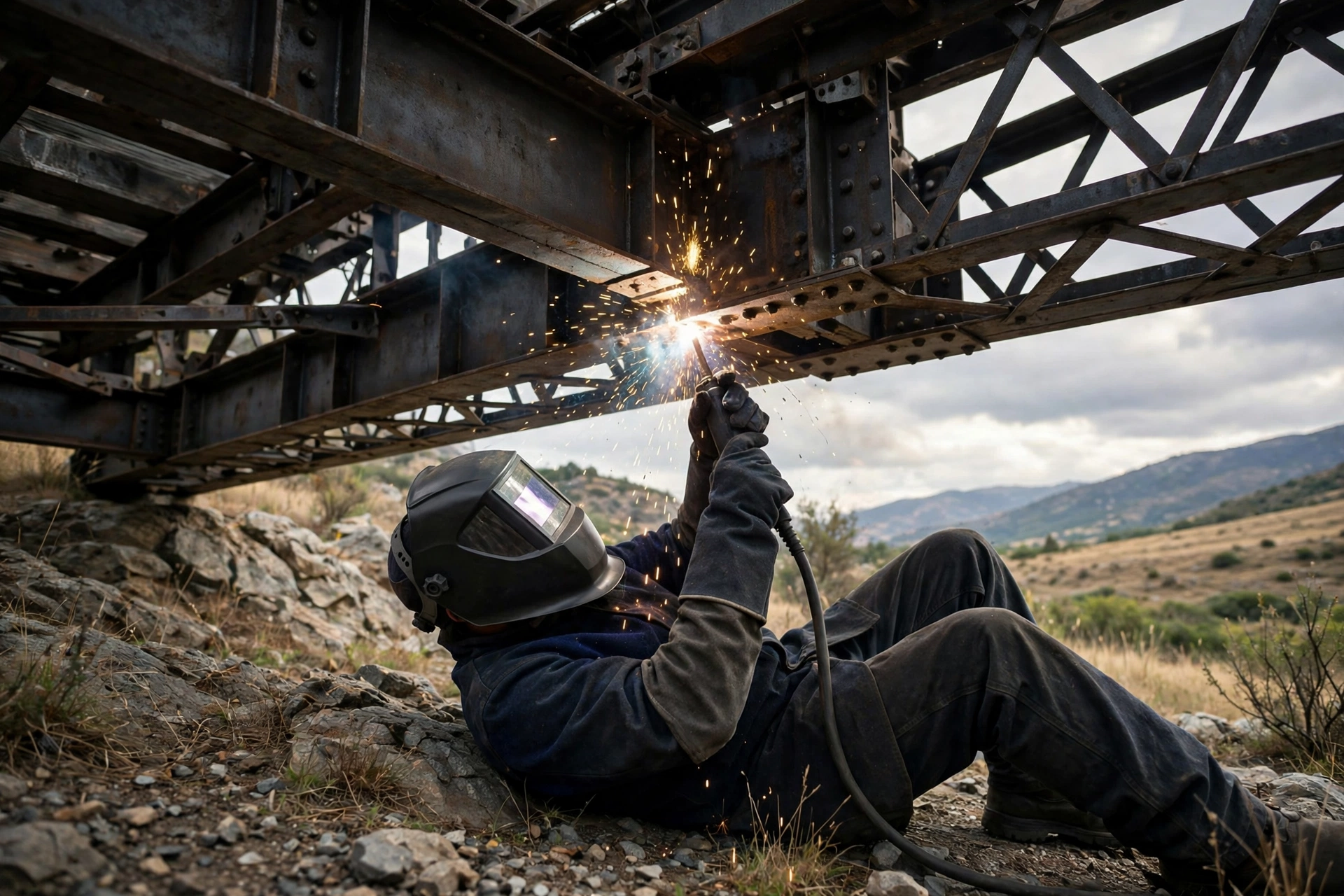
The third benefit shows up out of position. Welding overhead, under a vehicle, inside a frame, or around a pipe means your head cannot always point where your eyes need to look. A tall, wide window lets your eyes travel instead of your neck, which is more comfortable over a long shift and keeps the helmet’s coverage where it belongs instead of tilted. Welders who move around large workpieces — ship, structural, and big fabrication work — feel this benefit most.
What Are the Downsides of a Large Viewing Area?
Weight is the honest one. A bigger filter and window mean a bigger, heavier front end, and neck fatigue across an eight-hour day is real — good headgear and balance matter more on a large-view helmet than on a compact one. Cost follows size too: the helmet costs more, and replacement filters and cover lenses for big windows cost more when they wear out.
Bulk can also work against you. In tight spaces — inside machinery, under dashboards, between frame rails — a large helmet is simply harder to fit your head into, and a compact helmet wins by being there at all. And for a beginner doing short, flat practice welds, the extra view solves a problem they do not have yet.
Who Benefits Most — and Who Can Skip It?
Put yourself in the large-view camp if your work is mostly out of position, on large assemblies, or involves long seams and lots of movement around the piece: structural and pipe welders, fabricators building big frames, and anyone who regularly welds overhead or underneath things. Production welders on varied workpieces often appreciate the awareness too.
Skip it, without any guilt, if your welding is mostly flat work at a bench: small parts, short beads, hobby fabrication, and automotive patch panels in the open. A standard window with excellent optical clarity will serve that work better than a huge window with mediocre clarity — and your neck and wallet will both notice the difference.
What Should You Check Before Paying for the Upgrade?
Check clarity across the whole window, including the edges, not just the center. Check the weight on your own head, ideally for more than a minute in the store, and check how the headgear distributes it. Confirm that cover lenses and replacement filters for that model are readily available and priced sanely, because you will buy them for as long as you own the helmet.
Finally, match the helmet to your real week of work, not your most extreme day. If ninety percent of your welding is at the bench, buy for the bench and keep a standard helmet in good shape; if your living is made out of position, the big window is a tool, not a luxury.
The same judgment runs through every helmet decision, in the shop or on the road: honest fit, real certification, and features matched to the work — the reason riders weigh things like MIPS against their actual riding rather than buying the longest feature list.
Frequently Asked Questions
Q: Does a bigger viewing area make a welding helmet safer?
A: Only indirectly. The UV and infrared protection comes from the filter, not the window size, and is the same in general terms. The safety gain is awareness — seeing clamps, edges, people, and your surroundings sooner — plus fewer reasons to tilt or lift the helmet mid-weld.
Q: Is a large viewing area helmet much heavier?
A: Generally yes, in general terms a bigger filter, window, and shell add weight at the front of the helmet. Well-designed headgear can balance much of it, but try one on for several minutes before deciding, especially if you weld all day.
Q: Can a beginner benefit from a large viewing area?
A: It can make watching the puddle a little easier, and it never hurts to see more of the joint. But it is not a requirement for learning — a standard viewing area with good optical clarity is a perfectly good place to start, and the money saved buys a lot of practice material.

Olivia
Writer at Helmet Today, covering helmet reviews, fit and riding safety.