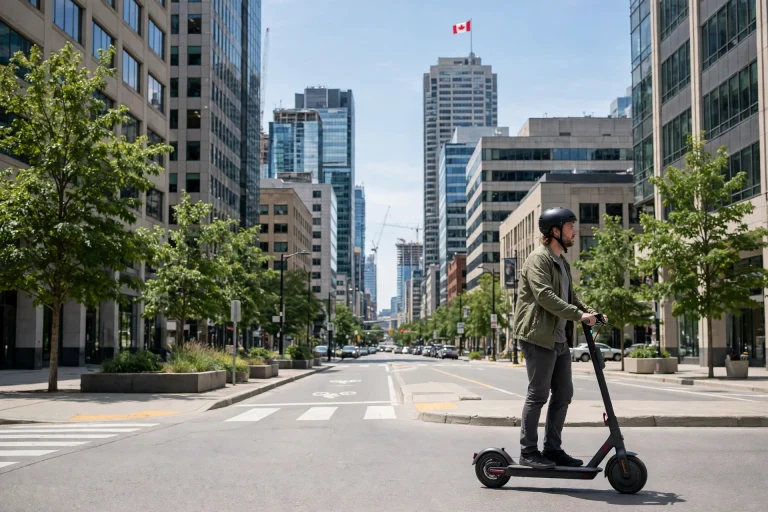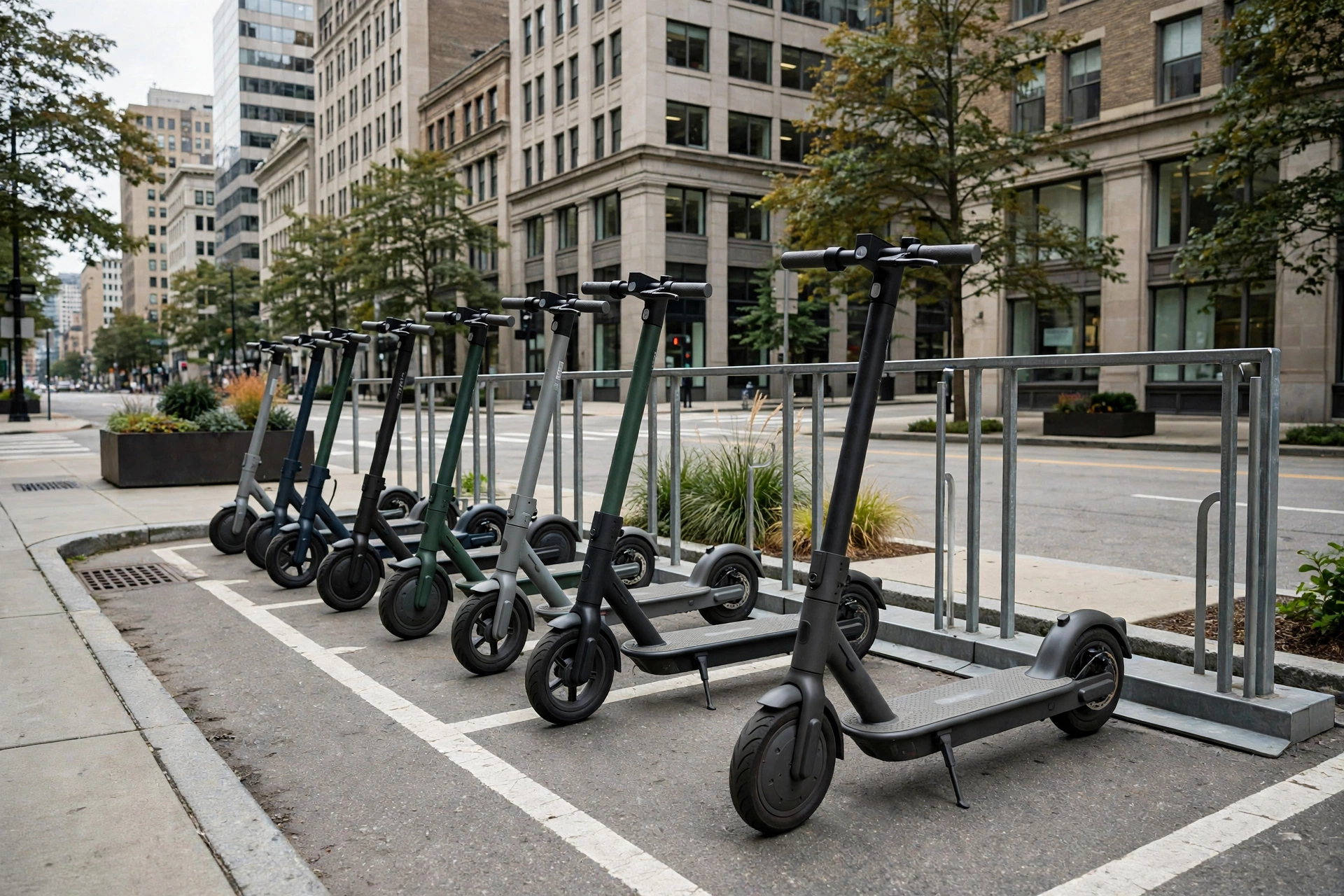
Lime and Bird do not set one universal helmet rule — in general terms, both companies require riders to follow local law, strongly recommend helmets in their apps, and leave the actual legal requirement to the city or state you are riding in. So whether you must wear a helmet on a Lime or Bird scooter depends on where you unlock it, not which logo is on the deck.
Because both brands operate in many cities under many different permits, riders often assume there is a single company policy. There is, but the policy is essentially “obey the local rules and wear a helmet if you can.” This guide explains how that works, how the two operators present helmet guidance, why the rule changes from city to city, and how to check the requirement that applies to your ride in under a minute.
What Do Lime and Bird Actually Say About Helmets?
Both companies build helmet messaging into the riding experience. In general terms, their apps and safety pages encourage helmet use, their rider agreements require you to comply with local traffic laws, and in many cities you will see helmet reminders during sign-up or before your first ride. Some local operating permits also require the companies to run safety education, which is why you may see campaigns, in-app quizzes, or helmet promotions in one city and not another.
What neither company does is supply a helmet with the scooter as standard practice. Their fleets are dockless and self-service, and as with shared scooters generally, helmets raise fit, hygiene, theft, and inspection problems that operators have not solved at scale. Occasional promotions — free helmet giveaways or discounts through partners have appeared in general terms in various markets — are exceptions rather than the operating model.
It is also worth knowing that company safety guidance can be stricter than the law as a recommendation while remaining unenforced. The app may urge you to wear a helmet in a city where no law requires one. That is advice worth taking, but it is not a legal obligation, and the distinction matters when riders ask what is actually “required.”
Why Does the Rule Change From City to City?
Shared scooters operate under local permission. Cities grant permits or licenses to operators and attach conditions — fleet sizes, parking rules, speed limits in certain zones, and sometimes helmet-related conditions. State law sits behind that: some states set scooter rules statewide, others leave cities in charge, and some address helmets only for younger riders.
The result is a patchwork. In one city, all shared scooter riders may be required to wear helmets; in another, only riders below a certain age; in a third, there may be no requirement for adults at all. The same Lime or Bird scooter, unlocked through the same app, sits under different rules depending on the jurisdiction — which is why neither company publishes a single worldwide helmet rule and instead points riders to local law.
Rules also evolve. Cities revise permits as programs mature, and state legislatures periodically revisit micromobility laws. A rule you remember from last year may no longer be current, which is why checking beats remembering.
How Do You Check the Helmet Rule for Your Ride?
The fastest check is the app you are already using. Before or during your first ride in a new city, open the safety section and any local information screens — operators localize these, and where a helmet is legally required, that is where they will say so. Some cities also surface the rule at the point of unlock or in the rider agreement you accept.
The second check is the city or state itself. City transportation or micromobility program pages typically summarize the local rules for shared scooters, including helmet requirements, in plain language. If you ride regularly in one city, look it up once and you will know your local baseline.
When in doubt, the practical answer is simple: wear the helmet anyway. A certified bike helmet satisfies every local requirement you might encounter, keeps you legal everywhere, and makes the whole research question academic. Riders who commute by shared scooter daily often carry a light folding or skate-style helmet for exactly this reason — and if you are comparing helmet features, this explainer on MIPS helmet liners covers one of the more worthwhile upgrades.
Do Age Rules and Rider Agreements Add Extra Requirements?
Often, yes. Shared scooter services set minimum rider ages in their terms — riders generally must be adults to hold an account and unlock a scooter — and some cities layer their own age-based helmet rules on top, such as requiring helmets for younger riders even where adults are exempt. Because account holders sometimes let others ride, it is worth knowing that the person on the scooter is bound by the local rules regardless of whose account unlocked it.
Your rider agreement matters in a quieter way too. By accepting it, you agree to follow local laws and the company’s safety rules, so breaking a local helmet requirement can also mean breaching your agreement with the operator. In practice, the legal consequence comes from the law itself, but the agreement is one more reason the “the app doesn’t enforce it” argument does not hold up.
None of this requires legal expertise to navigate. It reduces to two habits: check the local rule when you ride somewhere new, and wear a helmet so the checking becomes a formality.
What Helmet Should Lime and Bird Riders Use?
Any properly fitting, certified bicycle or skate helmet is the right tool. Shared scooters travel at bicycle-like speeds, so bicycle helmet standards are the appropriate match. Skate-style helmets are popular with scooter riders for their deeper back and side coverage and durable shells; vented bike helmets are lighter and cooler for longer rides. Either is a sound choice.
If you ride shared scooters in several cities — for work travel, for example — a helmet you own removes every variable: it fits, you know its history, and it satisfies local requirements wherever you land. Replace it after any crash, as you would any helmet, since the foam that protects you is designed to sacrifice itself once.
The bottom line for both Lime and Bird is the same: the companies recommend helmets and defer to local law, cities set the actual rules, and the rider supplies the helmet. Build the habit of bringing your own, and the patchwork of rules stops mattering.
Frequently Asked Questions
Q: Does Lime require a helmet?
A: Lime requires riders to follow local law and recommends helmets in its app and safety materials. Whether a helmet is legally mandatory depends on the city and state where you ride, not on a single company-wide rule.
Q: Does Bird provide helmets with its scooters?
A: No, not as standard practice. Like other shared operators, Bird recommends helmets but does not attach or supply one with each scooter, aside from occasional promotions in some markets. Riders should bring their own.
Q: I rode without a helmet in one city with no problem. Can I do the same everywhere?
A: No. Helmet rules for shared scooters vary by city and state, and a rule that does not exist in one place may be enforced in another. Check the app or local rules in each new city — or wear a helmet and skip the question.

Olivia
Writer at Helmet Today, covering helmet reviews, fit and riding safety.