In general terms, MTB helmet ventilation for long climbs works through large front vents and internal channelling that pull air over your head as you pedal, carrying heat away even at low speed. Climbing is the hottest part of mountain biking: you are working hard, moving slowly, and generating far more heat than on a descent. A helmet that vents well on a fast downhill may still feel stifling on a long climb, so understanding how ventilation actually works helps you choose and use a helmet that stays comfortable.
Ventilation is not just about the number of vents. It is about how air enters, moves across the head, and exits — and about how the helmet fits, because a helmet sitting too low or too tight blocks its own airflow. This guide explains the system, what to look for, and how to get the most from the helmet you already own.
How Does Air Move Through an MTB Helmet?
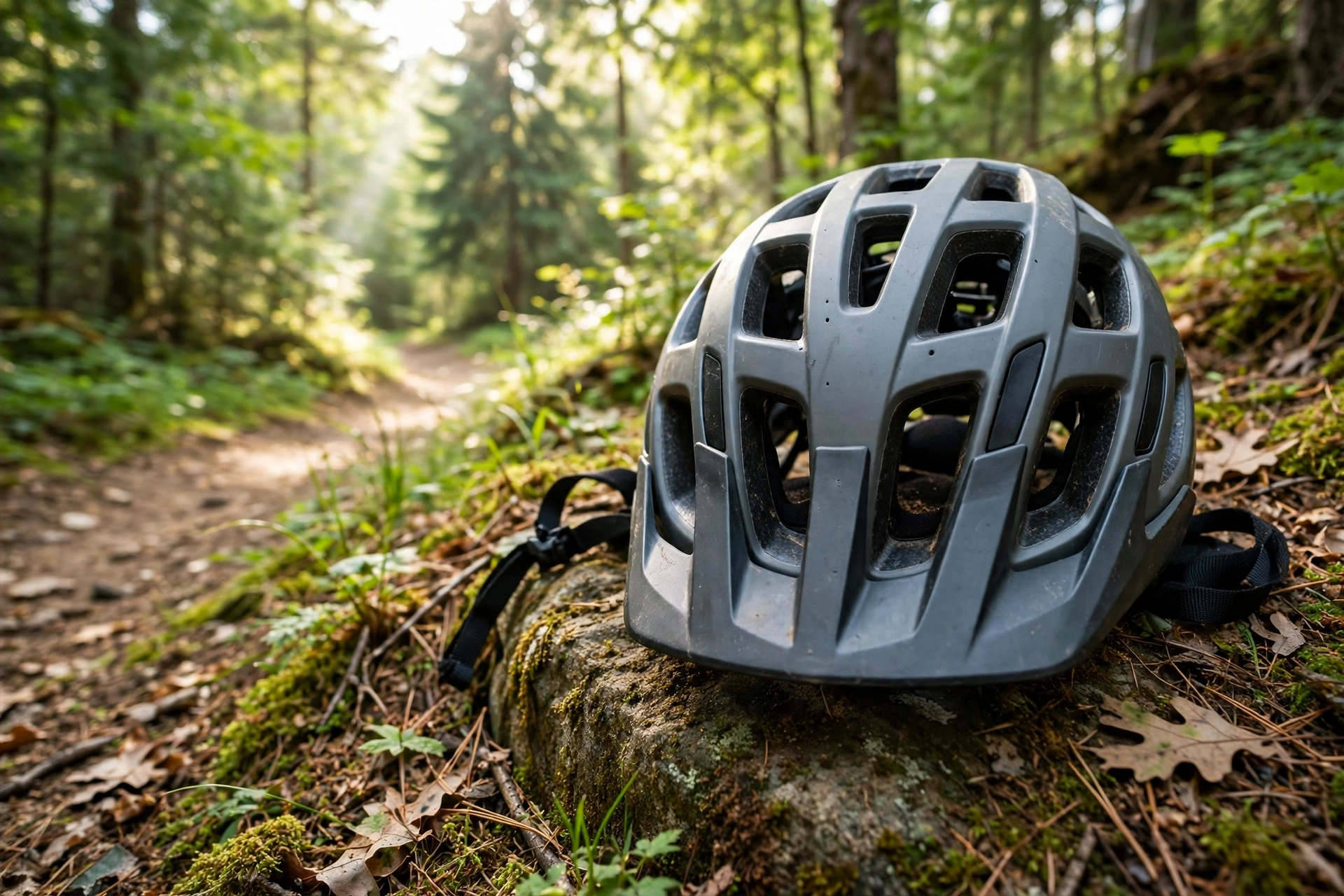
Air enters through vents at the front of the helmet, travels along channels moulded into the foam liner, and exits through vents at the rear. The channels are the key part: without them, air would pool under the shell and do little. Good helmets have deep, continuous channels that connect front and rear vents, so air flows over the whole head rather than just through a few holes.
At descending speed this system works easily, because the airflow is strong. On a climb, speed drops and so does the pressure driving air through the helmet — which is why some helmets that feel breezy downhill feel hot uphill. Helmets designed for climbing tend to have larger front vents, more open channelling, and sometimes a shape that scoops air in even at low speed.
Your riding position affects airflow too. On a climb you are usually more upright, which changes the angle of the helmet relative to the wind. A helmet that vents well in a tucked descending position may vent differently when you sit up, so a test ride on a climb tells you more than a test ride on flat ground.
Why Do Some Helmets Feel Hotter Than Others?
Vent count alone does not decide cooling. A helmet with many small vents and shallow channels can feel hotter than one with fewer, larger vents and deep channelling. Padding also matters: thick, dense pads absorb sweat and block airflow, while thinner, well-placed pads leave channels open. Some helmets use mesh or minimal pad layouts specifically to keep air moving.
Shell coverage plays a role as well. Helmets with extended rear and side coverage protect more of the head, but the extra shell can trap heat if the venting is not designed around it. That is the trade-off in modern trail helmets: more coverage than a road helmet, but with venting engineered to compensate.
Colour and fit contribute too. Dark shells absorb more heat in direct sun, and a helmet that sits too low on the forehead or is strapped too tight restricts airflow and sweat evaporation. A well-fitting helmet with a small gap between pads and head vents better than a squeezed-on one.

What Should You Look for in a Climbing-Friendly Helmet?
Prioritise large front vents, deep internal channels, and a light weight — all three help on climbs. Pick the helmet up and look inside: you should be able to see and feel the channels running from front to back. If the inside looks flat and smooth, air has nowhere to go.
Check the pad layout as well. Pads should be positioned to hold the helmet stable without covering the channels. Some helmets offer spare pad sets of different thicknesses, which let you tune fit without blocking airflow. Sweat-wicking pad materials also help, because a pad soaked with sweat insulates rather than cools.
Rotational impact protection should not be an afterthought when choosing for ventilation. Many well-ventilated helmets include it, and it does not have to mean a hotter helmet. This guide to what MIPS means for helmets explains how one such system works and how it fits into a ventilated design.
How Can You Improve Ventilation on the Helmet You Own?
Start with fit. Make sure the helmet sits level and not too low, with straps snug but not crushing. A helmet pulled down over the forehead blocks front vents and traps heat. Adjust the fit system so the helmet is stable without being tight.
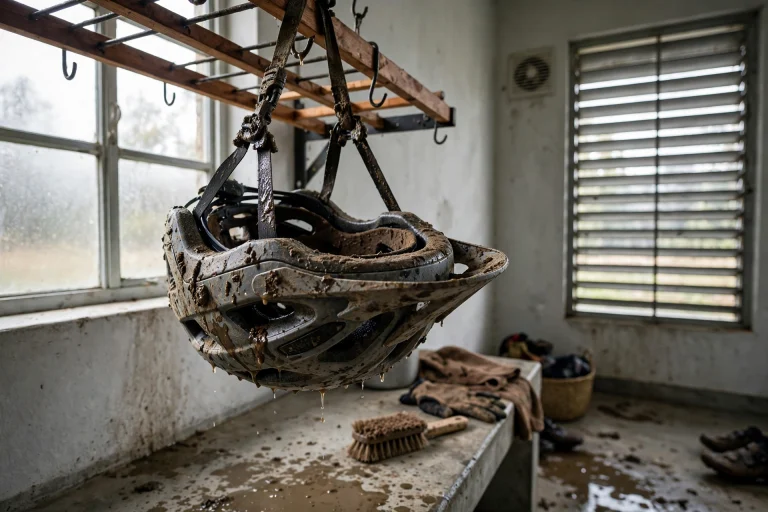
Keep vents and channels clean. Mud, dust, and dried sweat clog vents over time, especially after wet rides. Rinse the helmet gently, clear the vents with a soft brush, and let it dry fully before your next ride. A clogged helmet can feel dramatically hotter than a clean one.
Manage sweat as well. A thin skull cap or headband can wick sweat away and keep it out of your eyes, but a thick cap under the helmet blocks airflow and adds heat — choose thin, breathable options. On very hot days, wetting your hair before a climb can help, and stopping in the shade for a minute lets the helmet air out.
Is More Ventilation Always Better?
Not quite. Very open helmets can let in cold air on winter rides, along with trail debris, insects, and branches through large vents. Some helmets include vent plugs or covers for cold weather, and a thin cap can close the gap in winter. The goal is a helmet that vents well when you need it, not one that is draughty all year.
There is also a balance with protection. Extremely large vents mean less shell and foam in those areas, and helmet designers balance vent size against impact coverage. A well-designed helmet gives you both, but be wary of any helmet that sacrifices coverage for the sake of looking airy.
In practice, the best climbing helmet is the one that keeps you comfortable enough to keep pedalling. If you finish climbs soaked, dizzy, or desperate to take your helmet off, the ventilation is not working for you — whether the cause is the helmet, the fit, or clogged vents, it is worth fixing.
Frequently Asked Questions
Q: Why does my helmet feel hotter on climbs than descents?
A: Because you generate more heat pedalling uphill and move more slowly, so less air flows through the vents. Helmets designed for climbing use larger front vents and deeper channels to help at low speed.
Q: Do more vents always mean a cooler helmet?
A: Not necessarily — deep internal channelling, pad layout, and fit matter as much as vent count. A helmet with fewer, larger vents and open channels can cool better than one with many small, blocked vents.
Q: Can I improve my helmet’s ventilation without buying a new one?
A: Yes — check the fit, clean clogged vents and channels, and use thin sweat-wicking headwear. These steps often make a noticeable difference on long climbs.

Olivia
Writer at Helmet Today, covering helmet reviews, fit and riding safety.