How to Store an MTB Helmet After Wet Rides
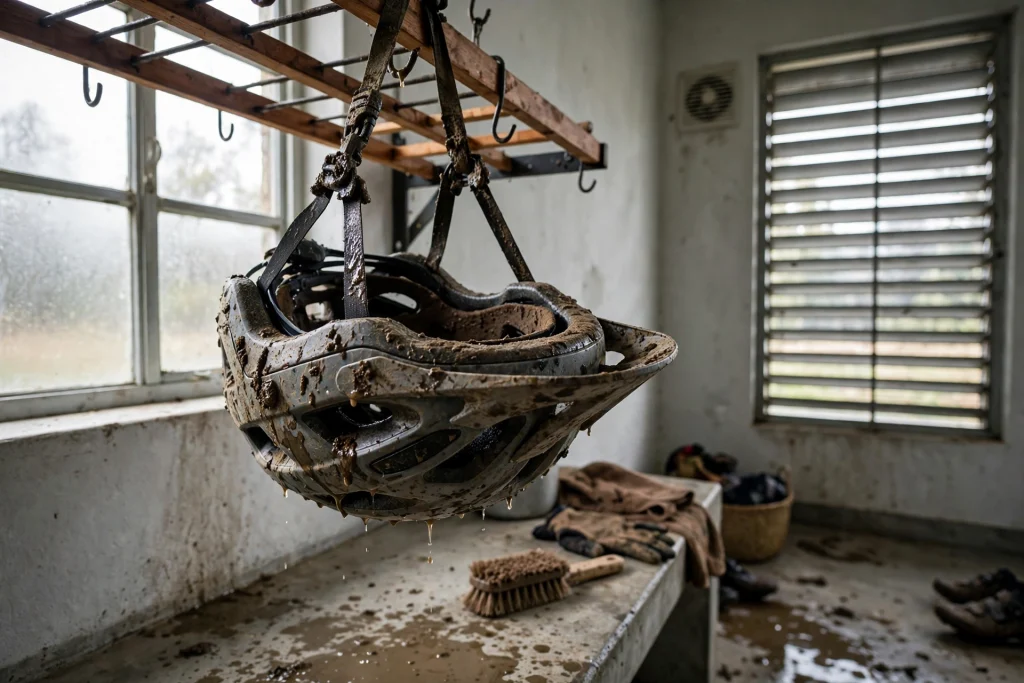
In general terms, after a wet ride you should dry your MTB helmet fully before storing it: shake out loose water, wipe the shell, remove the pads to air-dry, and store the helmet in…
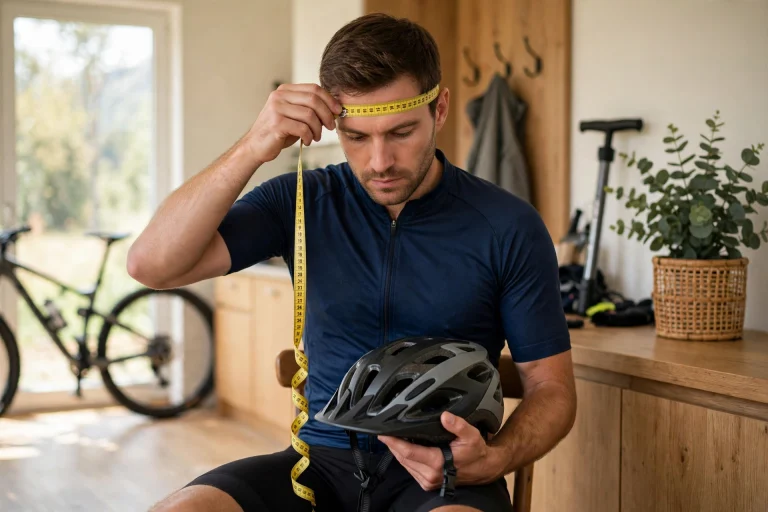
In general terms, MTB helmet sizing is not just about circumference — head shape matters too, and a helmet that matches your…
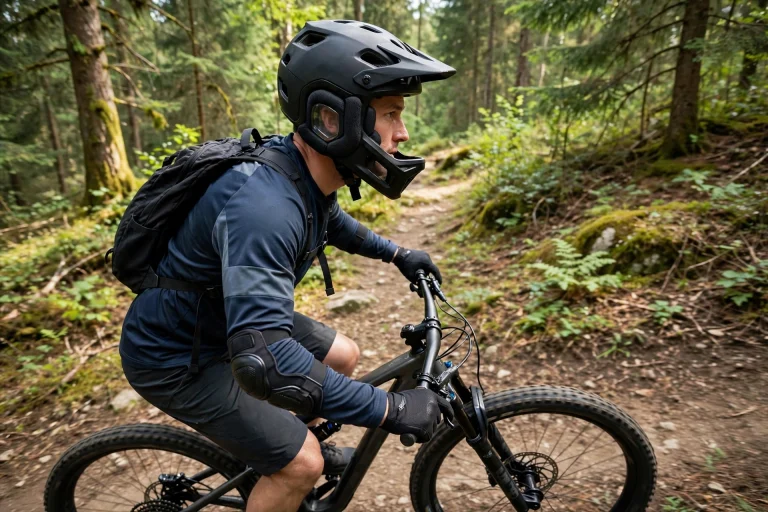
In general terms, an open-face MTB helmet is the right choice for cross-country riding: it is light, well ventilated, and comfortable for…
In general terms, MTB helmet ear coverage muffles trail sounds slightly, but it does not block them — you can still hear…
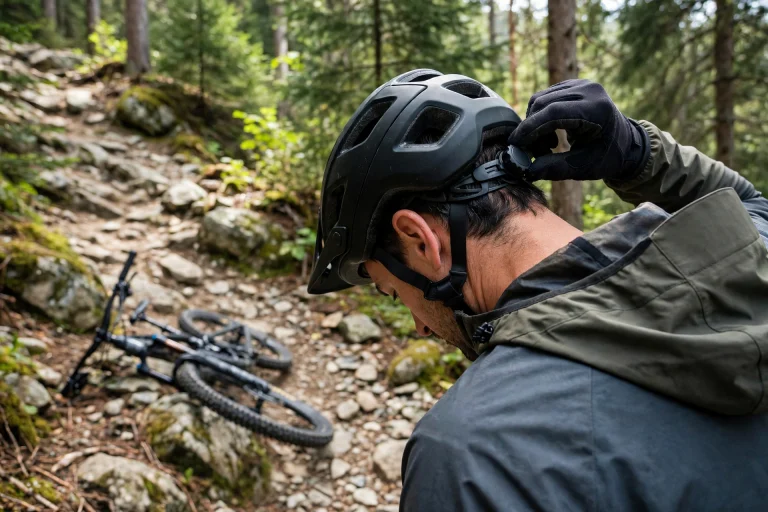
In general terms, an MTB helmet slips on rough descents because it is the wrong size, the retention system is loose, or…
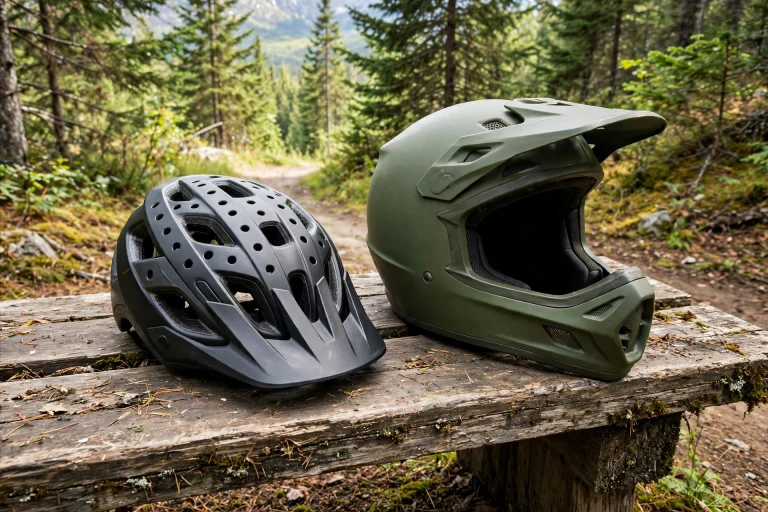
In general terms, an MTB helmet and a motocross helmet are built for different sports, so they differ in weight, ventilation, certification,…
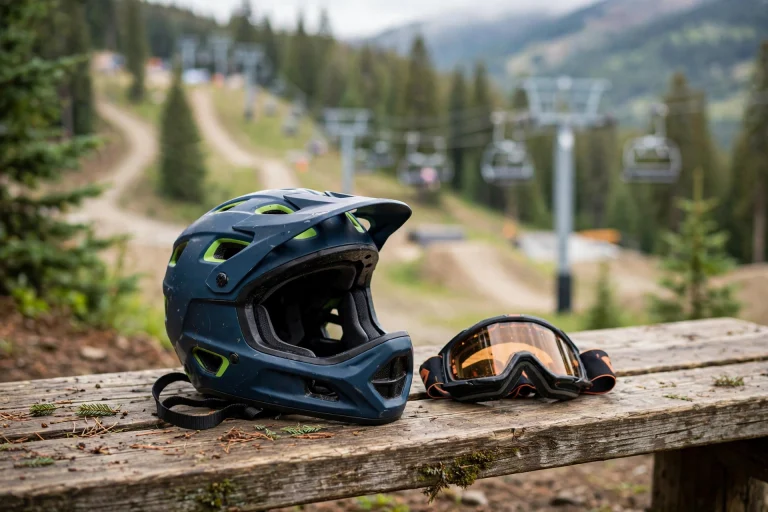
In general terms, when choosing a kids downhill MTB helmet, parents should check fit first, then full-face protection, downhill certification, and a…
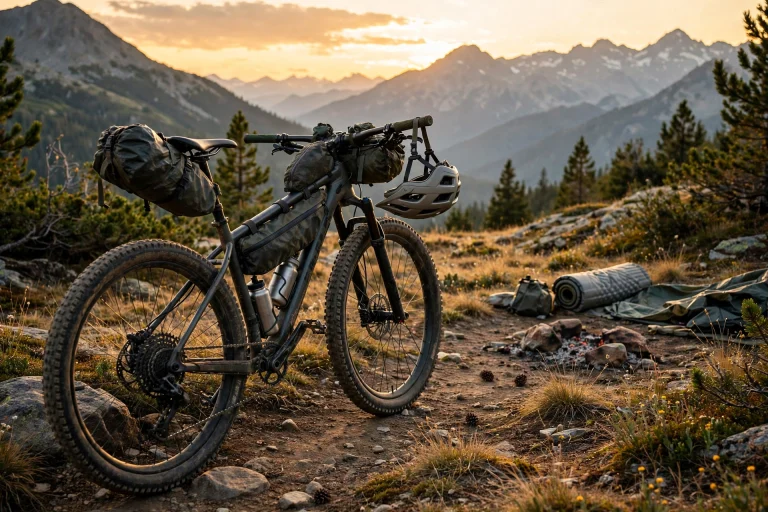
In general terms, an MTB helmet for bikepacking should be light, well ventilated, and comfortable enough to wear all day, because bikepacking…
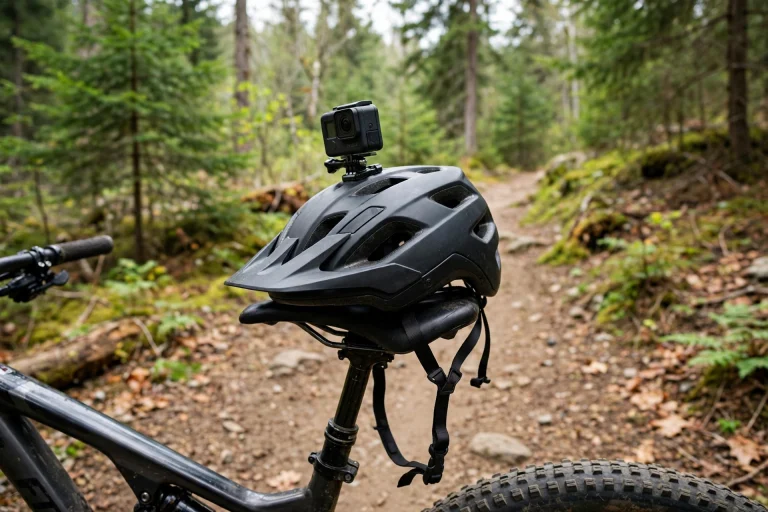
In general terms, the safest place for an MTB helmet camera mount is on the top or side of the helmet using…
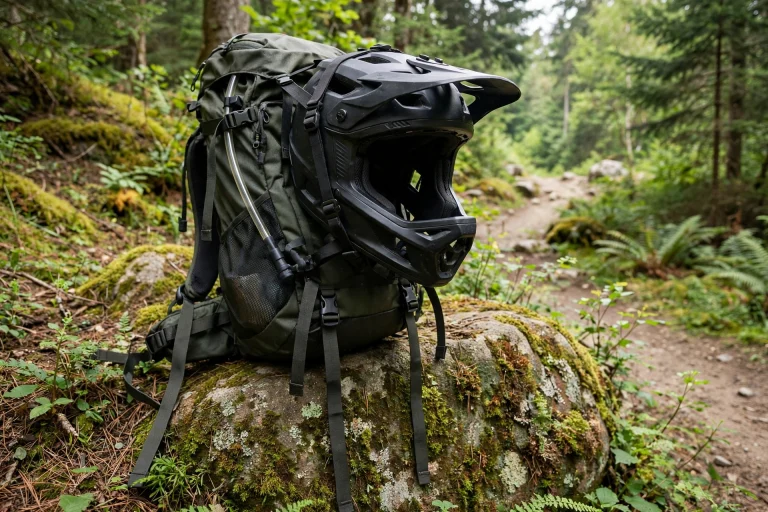
In general terms, the best way to carry a full face MTB helmet on climbs is to strap it to the outside…