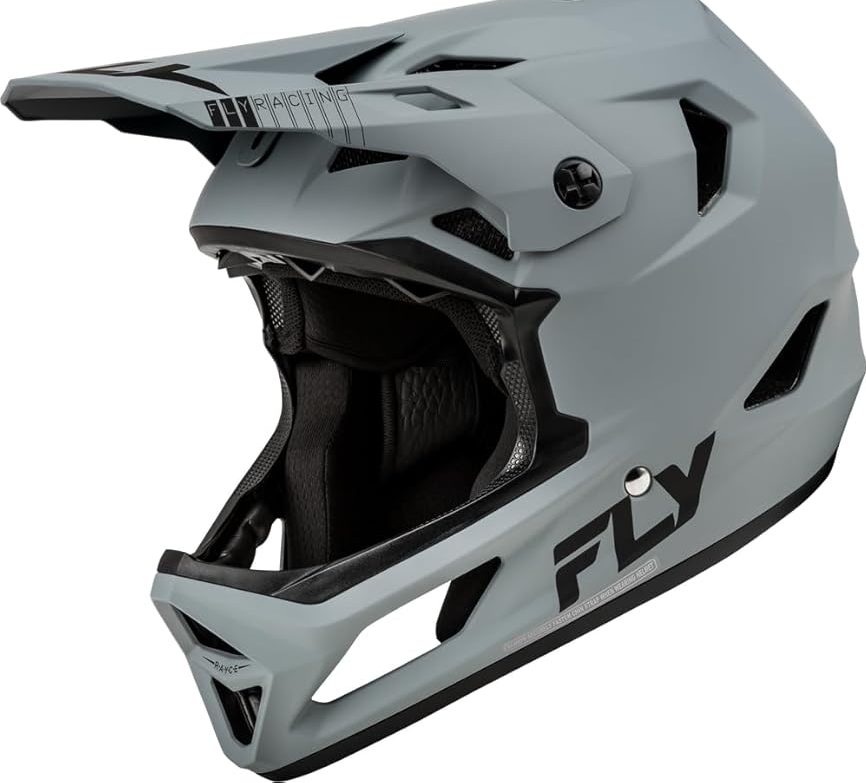

An open face Vespa helmet has a simple appeal. It gives you the classic scooter look while leaving the face open and making the helmet easy to wear. For short city rides, that simple design can feel very practical.
But there is more to choosing one than picking a nice color. While researching open-face scooter helmets, I kept coming back to the same details: fit, coverage, visor design, airflow, weather, and safety certification. Those are the things that matter once you start using the helmet regularly.
Why Choose an Open Face Vespa Helmet?
The open-face design suits the relaxed feel of many scooter rides. It gives a wider sense of openness and makes quick stops easier.
There is also less material around the face than with a full-face helmet. That can make the helmet feel lighter and less enclosed.
| Open-Face Feature | Practical Benefit |
|---|---|
| Open chin area | Easier to talk and breathe |
| Wide face opening | More open view |
| Simple design | Easy daily use |
| Lower coverage | Less protection around the chin |
That last point matters. Open-face does not mean fully protected. The design gives less coverage than a full-face helmet, so your riding conditions should guide the choice.
Is an Open Face Helmet Good for Scooter Riding?
For many riders, an open-face helmet fits the way a scooter is used. City trips often include frequent stops, lower speeds, and short distances.
Still, your route matters more than the scooter badge. Busy roads, higher speeds, poor weather, and long trips may change what type of helmet makes sense.
When Does an Open Face Vespa Helmet Work Best?
It can be a practical choice for riders who value easy use and an open feel.
I would think about your normal ride rather than your occasional ride. If most trips are short city runs, the benefits may matter more than they would on long highway trips.
| Riding Pattern | What to Consider |
|---|---|
| Short city trips | Open-face can feel convenient |
| Long rides | Check comfort and coverage |
| Fast roads | Consider more face coverage |
| Hot weather | Ventilation becomes important |
The important lesson is simple: choose the helmet around your actual riding conditions.
How Should an Open Face Vespa Helmet Fit?
Fit is the first thing I would check. A helmet that looks great but moves around on your head is not a good fit.
The padding should touch your head firmly without causing sharp pain. When you move your head, the helmet should move with you rather than sliding freely.
Should an Open Face Helmet Feel Tight?
It should feel snug, especially when new. Helmet padding often starts firm and can settle with use.
However, pressure that causes pain is not something you should simply tolerate.
| Fit Sign | What to Look For |
|---|---|
| Even pressure | Usually a good sign |
| Helmet moves easily | Likely too loose |
| One painful spot | Shape may be wrong |
| Secure chin strap | Helps keep it positioned |
A common mistake is choosing one size larger because it feels softer. Comfort matters, but a loose helmet is not the answer.
Does an Open Face Vespa Helmet Need a Visor?
A visor can make a big difference on a scooter. It can help block wind, dust, rain, and small road debris.
Without a visor, riders may rely on glasses or goggles. That can work, but it adds another thing to manage.
Is a Clear Visor Better for Daily Riding?
For mixed riding, a clear visor is usually the simpler choice. You can use it during daylight and when light levels drop.
Tinted visors can be useful in bright conditions, but they are not ideal for every ride.
| Visor Type | Best Use |
|---|---|
| Clear | Mixed daily riding |
| Light tint | Bright daytime use |
| Dark tint | Strong daytime light |
Check the visor for scratches and distortion. A small scratch may seem harmless until bright sunlight hits it from the wrong angle.
How Much Airflow Does an Open Face Helmet Need?
The open face already gives the rider more exposure around the face, but that does not guarantee good airflow over the head.
The liner, vents, shell shape, and weather all affect how warm the helmet feels.
Why Can an Open Face Helmet Still Feel Hot?
Thick padding can hold heat. Dark surfaces can also become warm in direct sun. Sweat builds up faster when air cannot move through the helmet.
| Heat Problem | What to Check |
|---|---|
| Sweaty forehead | Front airflow |
| Warm top of head | Upper vents |
| Damp liner | Removable, washable padding |
| Heavy feeling | Overall helmet weight |
This is one area where product photos tell you very little. Look closely at the vent layout and liner design before buying.
Can You Wear Glasses With an Open Face Vespa Helmet?
Yes, and the open design can make glasses easier to use than some more enclosed helmet styles.
Even so, you should try the helmet with your normal glasses. The frame can still press against the sides of your head.
What If Glasses Keep Fogging?
Fog can happen when warm breath meets a cooler lens. A visor can also fog in certain weather.
Better airflow may help. Keeping both the glasses and visor clean also makes a difference.
| Glasses Problem | Possible Fix |
|---|---|
| Frame feels tight | Check side padding |
| Glasses move | Recheck helmet fit |
| Lens fogs | Improve airflow |
| Glasses hit visor | Check helmet depth |
It is a small detail, but daily glasses users will notice it quickly.
What Safety Features Should You Check?
The open design should never be confused with a lack of safety standards. Look for the safety certification required in the place where you ride.
The helmet should also fit correctly and have a secure retention system.
Does Open Face Mean Less Safe?
It means less coverage in certain areas. An open-face helmet leaves the chin and much of the lower face exposed compared with a full-face helmet.
That is the main trade-off to understand.
| Feature | Open Face | Full Face |
|---|---|---|
| Face opening | Large | Small |
| Chin coverage | Limited | Covered |
| Air around face | More | Less |
| Overall enclosure | Lower | Higher |
There is no need to pretend these designs offer the same coverage. They do not. The useful question is whether the design fits your needs and meets the required safety standard.
Is an Open Face Vespa Helmet Good in Rain?
Rain is where the open design can become less convenient. Water can reach your face more easily, especially when there is no large visor.
A good visor can help, but it cannot turn an open-face helmet into a fully enclosed one.
What Helps During Wet Rides?
A clear visor that closes securely can reduce direct rain. Proper riding gear also matters because a helmet alone cannot keep the rest of you dry.
After a wet ride, let the helmet dry fully before storing it.
| Rain Issue | Practical Step |
|---|---|
| Water hits face | Use a suitable visor |
| Wet liner | Air dry naturally |
| Fogging | Improve airflow |
| Damp storage | Dry before storing |
Do not seal a wet helmet inside a bag. That is an easy way to create an unpleasant smell.
What Are the Biggest Open Face Helmet Mistakes?
Most mistakes happen before the first ride. People often focus on color, retro details, or price and forget how the helmet will feel after an hour.
The better approach is to test the things you cannot see in a product photo.
| Common Mistake | Better Approach |
|---|---|
| Buying by appearance | Check fit first |
| Choosing a loose size | Test head movement |
| Ignoring visor quality | Check vision |
| Forgetting glasses | Try them together |
| Skipping certification | Verify the required marking |
Another mistake is assuming that every open-face helmet has the same shape. Head shapes differ, so one model may feel perfect while another feels uncomfortable.
How Do You Care for an Open Face Vespa Helmet?
Open-face helmets are easy to expose to dust, sweat, rain, and sunlight. Regular care keeps the helmet more pleasant to wear.
The liner is often the first part that needs attention. If it can be removed, follow the maker’s cleaning instructions.
What Parts Need Regular Cleaning?
The visor needs gentle care because scratches can reduce clear vision. The chin strap also collects sweat and skin oils over time.
| Helmet Part | Care Tip |
|---|---|
| Shell | Use gentle cleaning methods |
| Visor | Use a soft suitable cloth |
| Liner | Follow maker’s care guide |
| Chin strap | Wipe and dry |
Avoid harsh chemicals unless they are approved for that helmet. A cleaner that works on a car surface may not be suitable for helmet materials.
Should You Buy a Retro Open Face Vespa Helmet?
If you like the classic scooter look, an open-face helmet can match it very well. Rounded shells, simple colors, and clean trim can create the right visual feel without being overly flashy.
But I would separate style from safety when making the decision. A retro finish is nice. A good fit is essential.
For daily riding, comfort should also stay high on the list. There is little point in having a beautiful helmet that you dislike wearing after twenty minutes.
When Should an Open Face Helmet Be Replaced?
A helmet that has suffered a serious impact should be replaced according to the manufacturer’s guidance, even if the outer shell looks fine.
You should also pay attention to worn padding, damaged straps, cracks, and other signs of deterioration.
What About an Old or Used Helmet?
Used helmets can be difficult to judge. You may not know whether the helmet has been dropped or involved in an impact.
Age also matters because materials can change over time. Check the manufacturer’s replacement guidance rather than relying only on appearance.
| Warning Sign | What to Do |
|---|---|
| Serious impact | Replace as advised |
| Cracked shell | Stop using it |
| Damaged strap | Inspect before use |
| Unknown used history | Be very cautious |
A helmet is not a good place to gamble just to save money.
My Simple Open Face Vespa Helmet Checklist
Before buying, I would keep the process simple. You do not need a huge list of features.
Check these points first:
- Correct head size.
- Snug, stable fit.
- Required safety certification.
- Clear visor if needed.
- Secure chin strap.
- Good visibility.
- Suitable ventilation.
- Comfortable liner.
- Reasonable weight.
- Good match for your normal route.
Then look at color and style. It is much easier to choose between two good helmets than to make a bad-fitting helmet work because it looks perfect.
Final Thoughts
An open face Vespa helmet can be a practical choice for riders who like an open feel, simple use, and classic scooter styling. The main trade-off is reduced coverage around the chin and lower face compared with a full-face helmet.
The biggest lesson is to look past the appearance. Get the fit right, check the required safety certification, test the visor and glasses together, and think about your usual weather and roads. Those small checks can make daily riding much more comfortable.
FAQs About Open Face Vespa Helmets
Is an open face Vespa helmet safe?
An open face Vespa helmet can meet safety rules when properly certified and fitted. It still gives less chin and face coverage than a full-face helmet.
Is an open face helmet good for Vespa riding?
It can suit city rides well. It offers an open feel and easy use, but your road speed, weather, and need for face coverage should guide your choice.
Can I wear glasses with an open face Vespa helmet?
Yes. Try the helmet with your glasses on. Check that the frame stays in place and does not press hard behind your ears.
Does an open face Vespa helmet need a visor?
A visor can help block wind, dust, rain, and debris. A clear visor is often the most useful choice for mixed daily riding.
How tight should an open face Vespa helmet be?
It should feel snug but not painful. The helmet should stay in place when you move your head and should not slide from side to side.

Olivia
Writer at Helmet Today, covering helmet reviews, fit and riding safety.