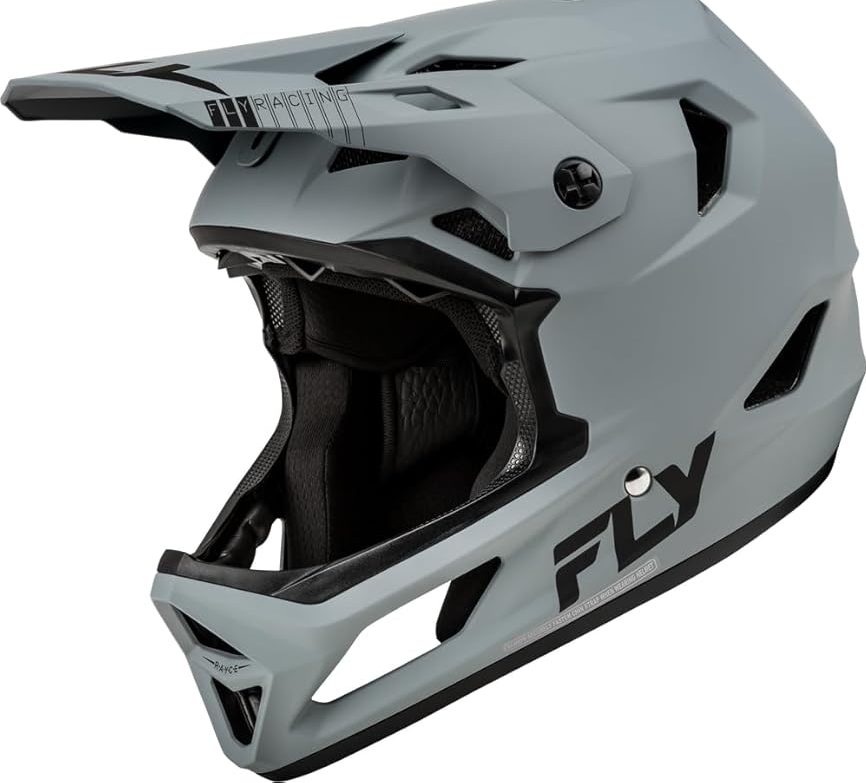

Choosing a scooter Vespa helmet looks easy until you actually compare fit, shape, visor, weight, and daily comfort. A helmet can look perfect on a scooter but still feel wrong after a long ride.
While researching this topic, I found that many buyers focus too much on style first. The better approach is to start with fit and protection, then look at comfort, airflow, visibility, and design. This guide breaks down those points in a simple way.
What Makes a Scooter Vespa Helmet Different?
A scooter helmet often needs to balance comfort, easy use, and protection. City rides can involve stops, traffic, heat, dust, rain, and frequent helmet removal.
The right choice depends less on the scooter name and more on how you ride it.
| Riding Need | Helmet Feature to Look For |
|---|---|
| Short city trips | Light weight and easy fit |
| Longer rides | Better padding and airflow |
| Hot weather | Good ventilation |
| Rainy rides | Secure visor and water-resistant design |
| Daily commuting | Durable liner and simple care |
A scooter helmet should also stay secure when you turn your head. A loose fit may feel comfortable at first, but it can become a problem on the road.
How Should a Scooter Vespa Helmet Fit?
Fit is the part I would check before almost anything else. Even a well-made helmet will not feel right if the size or shape does not match your head.
The helmet should feel snug without creating sharp pressure points. It should not slide around when you move your head.
Should a Helmet Feel Tight at First?
Yes, but there is a difference between snug and painful.
New helmet padding often feels firm. That is normal. Sharp pressure on your forehead or temples is not.
| Fit Sign | What It Usually Means |
|---|---|
| Even pressure | Good starting fit |
| Moves when shaking your head | Too loose |
| Strong pain in one spot | Wrong shape or size |
| Chin strap stays secure | Good basic fit |
| Helmet shifts backward | Fit needs checking |
One common mistake is buying a larger size because it feels more comfortable in the shop. Padding can settle with use, but a helmet should not start loose.
Which Helmet Style Works Best for Scooter Riding?
There is no single helmet style that fits every scooter rider. Open-face, full-face, and modular designs each have different strengths.
Think about your speed, route, weather, and how much coverage you want.
Open-Face vs Full-Face for a Scooter
Open-face helmets are easy to put on and can feel cooler around town. Full-face helmets provide more coverage around the face and chin.
| Helmet Type | Main Advantage | Main Limitation |
|---|---|---|
| Open-face | Easy and airy | Less face coverage |
| Full-face | More coverage | Warmer and heavier |
| Modular | Flexible design | Often heavier |
For slow city trips, some riders prefer the simple feel of an open-face design. For faster roads, the added coverage of a full-face helmet may matter more.
The key point is not to choose based only on appearance.
Does a Scooter Vespa Helmet Need a Visor?
A visor can make daily scooter riding much easier. It helps block wind, dust, small debris, and rain from reaching your eyes.
A clear visor is usually the easiest option for mixed riding. Tinted options can help in bright light, but they need more care when riding after dark.
What Should I Check on a Helmet Visor?
Look at the visor before buying the helmet. Small details can make daily use much easier.
Check that it opens smoothly and closes firmly. Make sure the visor does not feel loose or distorted when you look through it.
| Visor Check | Why It Matters |
|---|---|
| Clear view | Helps reduce eye strain |
| Smooth movement | Easier daily use |
| Firm closure | Helps block wind and rain |
| Good seal | Reduces dust and noise |
A scratched visor can become annoying in strong sunlight. Keeping it clean is just as important as choosing the right one.
How Important Is Ventilation on a Scooter Helmet?
Ventilation becomes much more important in warm weather. A helmet that feels fine for ten minutes may feel very different after an hour.
Look for vents that allow air to move through the helmet without making the inside feel too exposed.
What Causes a Helmet to Feel Too Hot?
Heat often comes from poor airflow, thick padding, direct sun, or a liner that holds sweat.
I would also pay attention to the helmet’s weight. A heavy helmet may become tiring during repeated daily rides, even if the fit is good.
| Heat Problem | Simple Check |
|---|---|
| Sweaty liner | Look for removable padding |
| Hot forehead | Check front ventilation |
| Warm rear area | Check rear exhaust vents |
| Heavy feeling | Compare helmet weights |
There is no magic ventilation number. The best setup depends on the rider, weather, and riding speed.
Can You Wear Glasses With a Scooter Vespa Helmet?
Yes, but the helmet should leave enough room for the glasses frame. This is easy to overlook when trying on a helmet.
Put your glasses on before judging the fit. The arms should not press painfully against your head.
What If Glasses Keep Moving?
Try adjusting the helmet position first. A poor fit can push the glasses upward or create pressure behind the ears.
Some helmets also have channels that make glasses easier to wear.
| Glasses Problem | What to Check |
|---|---|
| Frame feels tight | Helmet side padding |
| Glasses move | Helmet fit and position |
| Arms hurt ears | Padding shape |
| Fogging occurs | Airflow and visor |
This small test can prevent a lot of daily frustration.
What Should You Know About Scooter Helmet Safety?
A helmet should meet the safety standard required where you ride. Certification markings can vary by country, so check the rules that apply to your location.
Do not treat a decorative helmet as equal to a properly certified protective helmet.
The helmet should also be in good condition. Cracks, major damage, or an old compromised liner can be reasons to replace it.
Can You Use a Damaged Helmet?
A helmet that has taken a serious impact should not simply be judged by its outside appearance.
The outer shell may look fine while internal protective material has been affected. Follow the manufacturer’s replacement guidance after a crash or major impact.
What Mistakes Do People Make When Buying a Scooter Helmet?
Most buying mistakes are surprisingly simple. People often choose based on color, price, or appearance before checking fit.
That order can create problems later.
| Common Mistake | Better Approach |
|---|---|
| Buying by looks | Check fit first |
| Choosing a loose size | Test for movement |
| Ignoring heat | Check ventilation |
| Forgetting glasses | Try the helmet with them |
| Buying only by price | Check safety and construction |
Another mistake is assuming every helmet shape works for every head. Head shape matters, so trying the helmet on is valuable.
How Do You Care for a Scooter Vespa Helmet?
Simple care can keep a helmet cleaner and more comfortable. You do not need a huge collection of special products.
Clean the outer shell with suitable mild cleaning methods. Follow the maker’s instructions for the liner and visor.
How Often Should You Clean the Liner?
That depends on how often you ride and how much you sweat. Frequent riders may need to clean removable padding more often.
Avoid harsh chemicals unless the manufacturer says they are safe.
| Helmet Part | Basic Care |
|---|---|
| Shell | Gentle cleaning |
| Visor | Soft cloth and suitable cleaner |
| Liner | Follow care instructions |
| Chin strap | Wipe and air dry |
After rain, let the helmet dry naturally in a well-ventilated place. Storing it while wet can lead to unpleasant smells.
Is a Scooter Helmet With Bluetooth Worth It?
Bluetooth can be useful for riders who need navigation audio or calls. But it should not become a reason to ignore helmet fit.
Any communication unit should be installed according to the helmet maker’s guidance. Avoid changes that damage the shell or protective structure.
For many riders, a simple helmet with a clean fit is enough. Extra technology is optional.
When Should You Replace a Scooter Helmet?
A helmet should be replaced after a serious impact. You should also follow the manufacturer’s guidance about service life.
Do not wait for visible damage before thinking about replacement.
| Situation | What to Do |
|---|---|
| Major crash | Replace the helmet |
| Visible damage | Stop using and inspect |
| Very worn padding | Check replacement options |
| Unknown used helmet history | Avoid relying on appearance |
Used helmets can be difficult to judge because you may not know their history. That makes buying a second-hand helmet less straightforward.
A Simple Scooter Vespa Helmet Buying Checklist
Before paying for a helmet, take a few minutes to check the basics. This can save you from buying something that looks great but feels terrible later.
Use this quick checklist:
- Check the correct size.
- Test the helmet for movement.
- Look for the required safety certification.
- Check visor clarity.
- Try it with glasses if you wear them.
- Check ventilation.
- Test the chin strap.
- Inspect the padding.
- Look for visible damage.
- Consider how you actually ride.
The best helmet is not necessarily the lightest or most expensive one. It is the one that fits properly and suits your normal riding conditions.
Final Thoughts
A scooter Vespa helmet should be chosen around real riding needs, not just scooter style. Fit, protection, visibility, ventilation, and comfort deserve attention before color or extra features.
My biggest lesson from researching helmets is simple: small details matter. A visor that fogs, padding that presses your forehead, or a helmet that shifts can become annoying very quickly. Take your time, check the fit, and choose something you can comfortably use every time you ride.
FAQs About Scooter Vespa Helmets
What type of helmet is best for scooter riding?
The right type depends on your route and coverage needs. Open-face helmets suit some city riders, while full-face helmets offer more face coverage.
How should a scooter helmet fit?
A scooter helmet should feel snug but not painful. It should stay in place when you move your head and should not rock from side to side.
Can I wear glasses with a scooter helmet?
Yes. Try the helmet while wearing your glasses. Check that the frame does not create pressure or shift when the helmet is fitted.
Should a scooter helmet have a visor?
A visor can help block wind, dust, rain, and debris. A clear visor is often the most useful choice for mixed daytime and evening riding.
When should I replace a scooter helmet?
Replace a helmet after a serious impact or when the maker’s service-life guidance says it is due. Visible damage or worn parts also need attention.

Olivia
Writer at Helmet Today, covering helmet reviews, fit and riding safety.