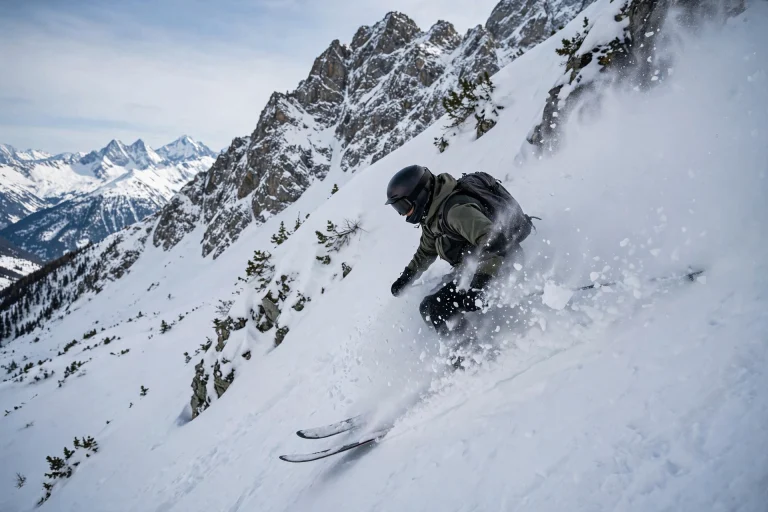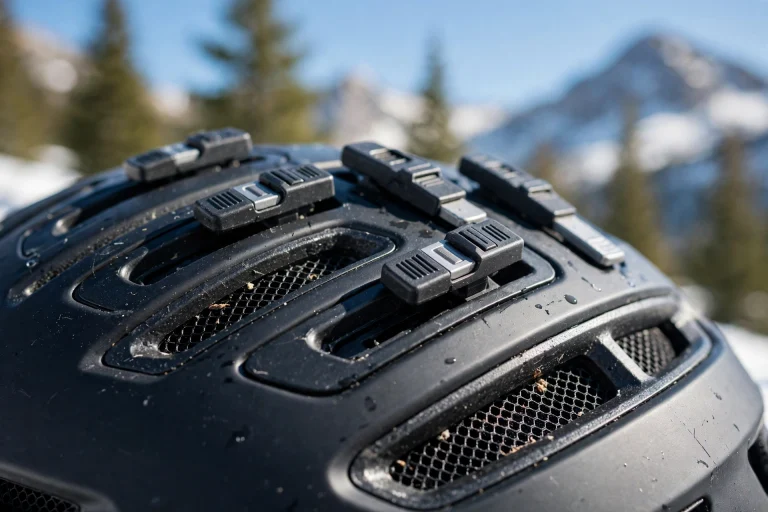
ASTM F2040 is the US safety standard for recreational snow sports helmets — it sets minimum requirements for impact absorption, how much of the head the helmet must cover, and how well the retention system holds the helmet in place during a fall. If a ski helmet sold in the US carries the ASTM F2040 label, it passed lab testing in general terms covering exactly those three areas.
The label inside a ski helmet looks like alphabet soup, and most skiers never check it. That is a missed opportunity, because the certification is the single clearest signal that a helmet is real protective equipment rather than a warm fashion shell. This guide explains what F2040 actually tests, how it differs from the European CE EN 1077 standard, and how to use the labels when you shop.
What Does ASTM F2040 Actually Test?
F2040 is maintained by ASTM International and covers helmets for recreational snow sports — downhill skiing and snowboarding. The core of the standard is impact attenuation: the helmet is fitted to a headform, dropped onto test anvils at specified speeds and temperatures, and instruments measure how much force gets through to the head. The helmet passes only if that transmitted force stays below a set peak limit.
Testing happens in cold conditions as well as at room temperature, because foam behaves differently when it is frozen. Helmets are also tested after exposure to moisture and heat in general terms, so a certified helmet is expected to protect on a sub-zero lift ride as reliably as it does in the shop.
Beyond the drop tests, the standard sets a minimum coverage area — the helmet must extend over defined zones of the head, including the forehead, sides, and back of the skull. A helmet that is little more than a cap cannot pass, because the areas it leaves bare are the areas that hit the snow.
What Does the Standard Say About the Retention System?
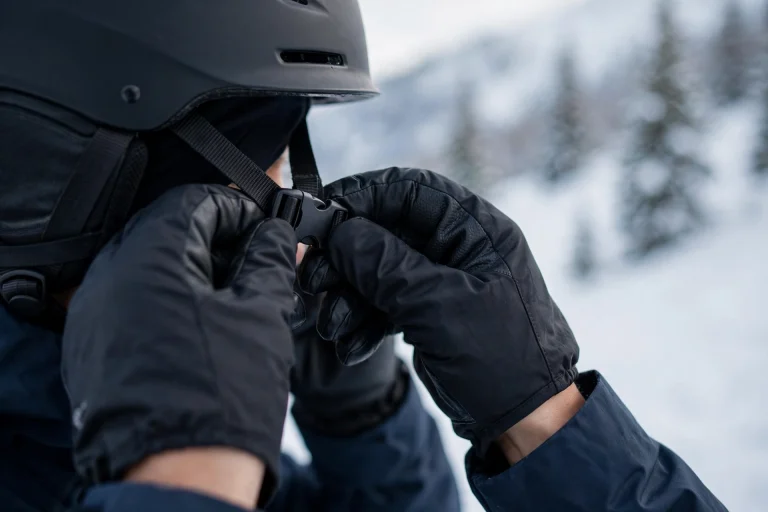
A helmet that flies off in the first impact cannot protect you in the second, so F2040 also tests the retention system — the chin strap, buckle, and strap anchors. In general terms, the strap assembly is loaded with force to check that it stretches only a limited amount and does not break or slip free.
This is why certified helmets always have a proper chin strap rather than just an elastic band or a snug fit alone. The fit system dial at the back of many helmets helps comfort, but it is the chin strap that the standard counts on to keep the helmet positioned during a crash.
Your part is simple: fasten the strap every run and keep it snug — about two fingers of slack under the chin is the common guidance, and a strap left loose in a jacket pocket does no good at all.
How Is ASTM F2040 Different From CE EN 1077?
EN 1077 is the European standard for helmets for alpine skiers and snowboarders, and it does a similar job: impact absorption testing, coverage requirements, and retention checks. Both standards are legitimate, and a helmet certified to either one has passed meaningful laboratory testing.
The differences are in the details. EN 1077 divides helmets into Class A and Class B: Class A covers more of the head, including fuller protection around the ears, while Class B allows less coverage around the ears in exchange for better ventilation and hearing. F2040 does not use that two-class split. Test setups, anvils, and pass thresholds also differ slightly between the two standards, so one is not simply stricter than the other overall.
Many helmets sold worldwide carry both labels. If you ski in the US, F2040 is the reference your resort and rental shop will recognize most readily; in Europe, EN 1077 is the norm. Either label is a green light — the red flag is a helmet with no certification label at all.
Does Certification Cover Rotational Protection Like MIPS?
Not directly. F2040 was written primarily around straight-on impacts and the peak force transmitted to the head. It does not, in general terms, set a pass/fail threshold for the twisting forces that occur in angled falls, which are very common on snow.
That gap is why many modern ski helmets add a rotational management system on top of certification. Our explainer on what MIPS is and how it works describes how a low-friction liner lets the helmet shift slightly during an angled impact to reduce rotational energy reaching the brain. Similar systems from other makers do the same job in different ways.
The practical approach: treat certification as the non-negotiable baseline, then let features like MIPS, fit quality, and goggle compatibility decide between certified models. A certified helmet without MIPS still passes F2040; an uncertified helmet with fancy liners has proven nothing in a lab.
How Do You Check a Helmet’s Certification When Buying?
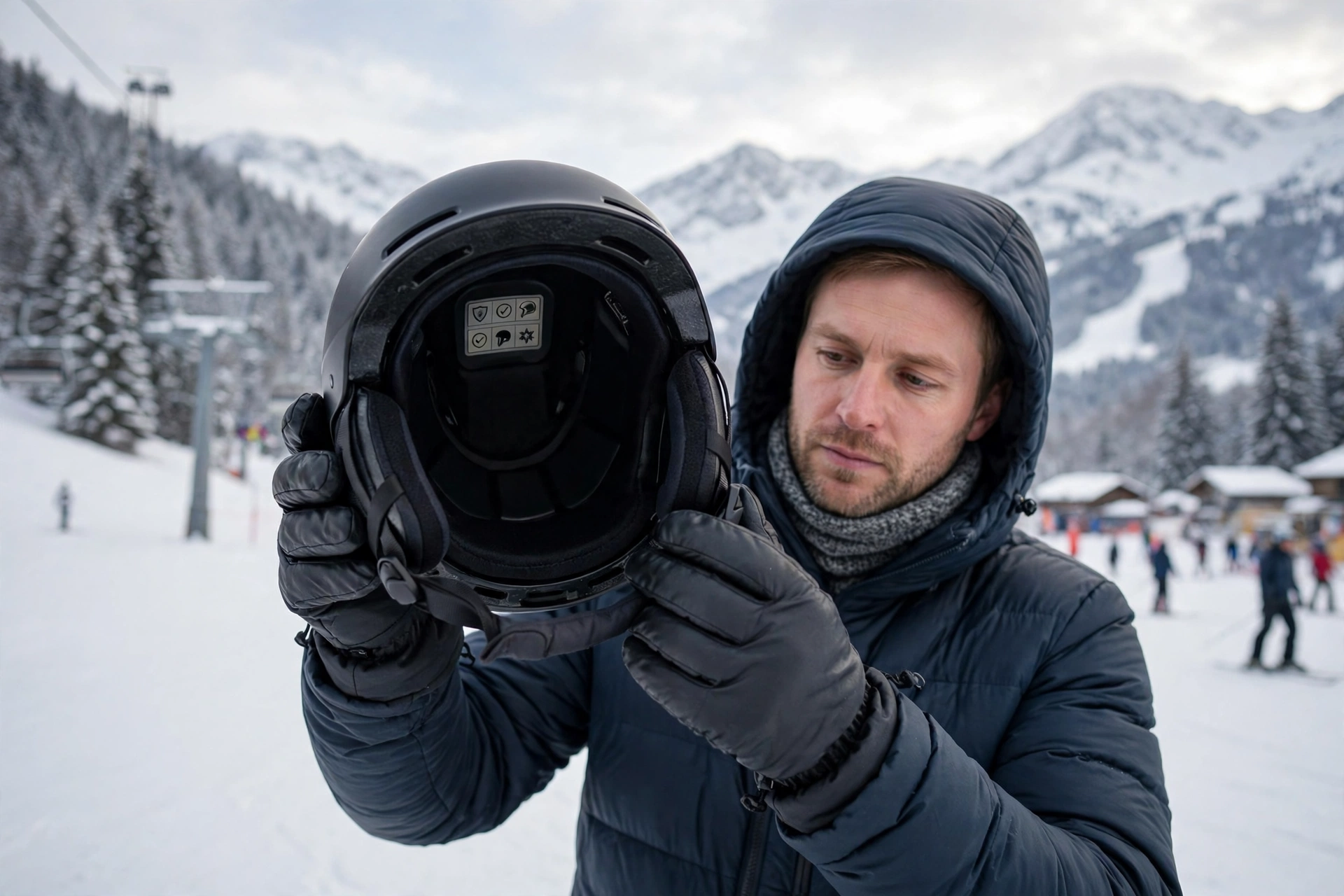
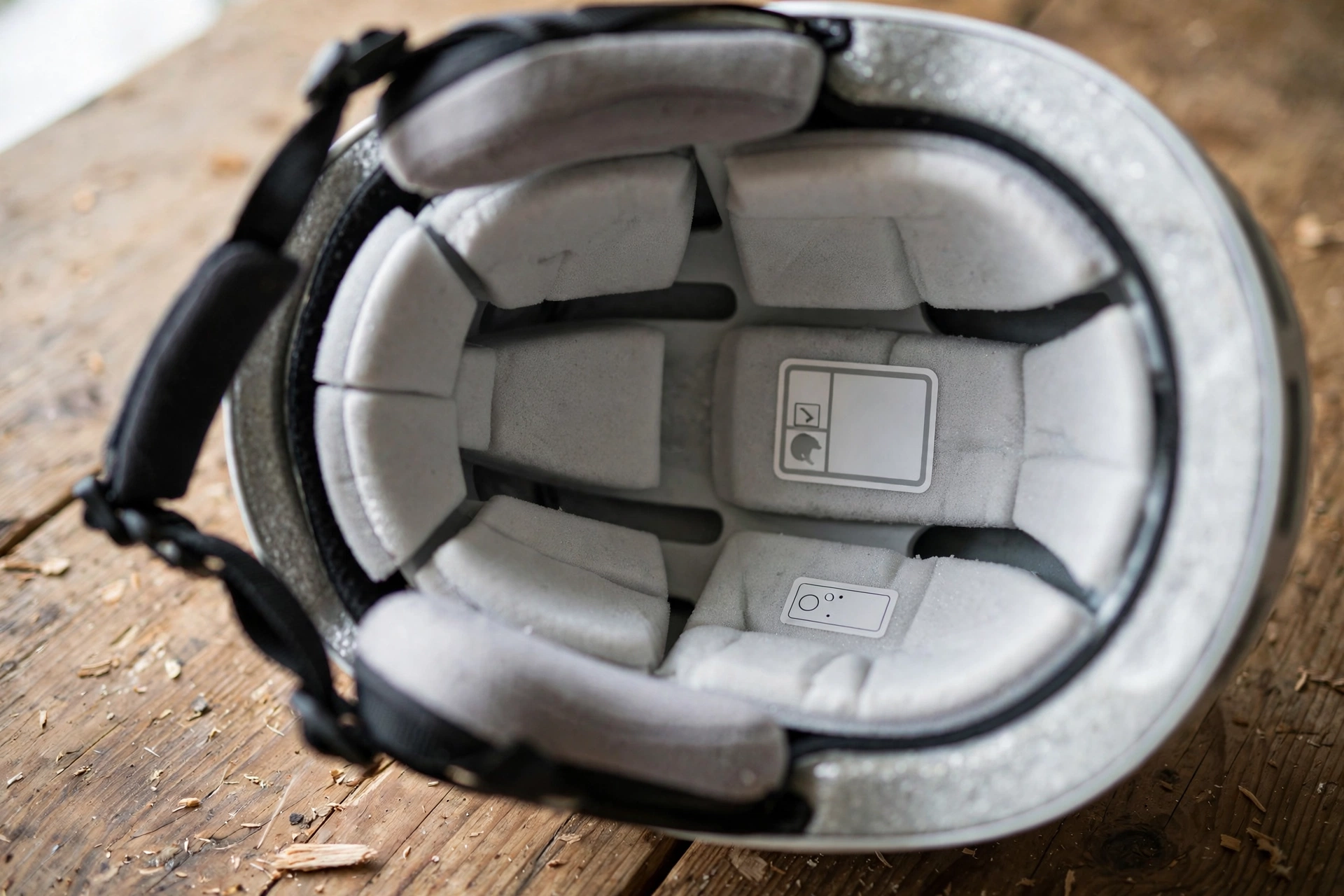
Look inside the helmet. The F2040 label is usually printed on a sticker inside the shell or on the liner, often near the size and manufacture date information. It may state that the helmet meets ASTM F2040 for recreational snow sports. If the only markings are a brand logo and a size, keep shopping.
Be cautious with novelty helmets, costume-style winter hats with thin plastic shells, and unbranded imports sold online with vague claims like “safety tested” but no named standard. Legitimate manufacturers name the standard they certify to, because the testing is expensive and they are proud of it.
Also check the manufacture date while you are in there. Helmet foam ages even on a shelf, and a deeply discounted helmet that is already many years old gives you less useful life for your money. Replace any helmet after a significant crash, even if the shell looks undamaged — the foam inside may already have done its job once.
Frequently Asked Questions
Q: Is ASTM F2040 certification legally required for ski helmets in the US?
A: There is no general federal law requiring helmet use or certification for recreational skiing, but F2040 is the recognized US standard, and resorts, rental fleets, and insurers treat it as the benchmark. Buying a certified helmet is the practical way to know a helmet was lab-tested.
Q: Can I use a bike helmet for skiing instead of a certified ski helmet?
A: It is not recommended. Bike helmets are certified to a different standard, tested at warmer temperatures, and lack the coverage, ear warmth, and goggle compatibility of a ski helmet. A certified ski helmet is tested for cold conditions and snow-sport falls.
Q: Should I choose ASTM F2040 or EN 1077 if a helmet has both?
A: You do not have to choose — a helmet carrying both labels passed both test regimes. Pick based on fit, goggle fit, and features. What matters is that at least one recognized snow sports standard appears on the label inside.

Olivia
Writer at Helmet Today, covering helmet reviews, fit and riding safety.