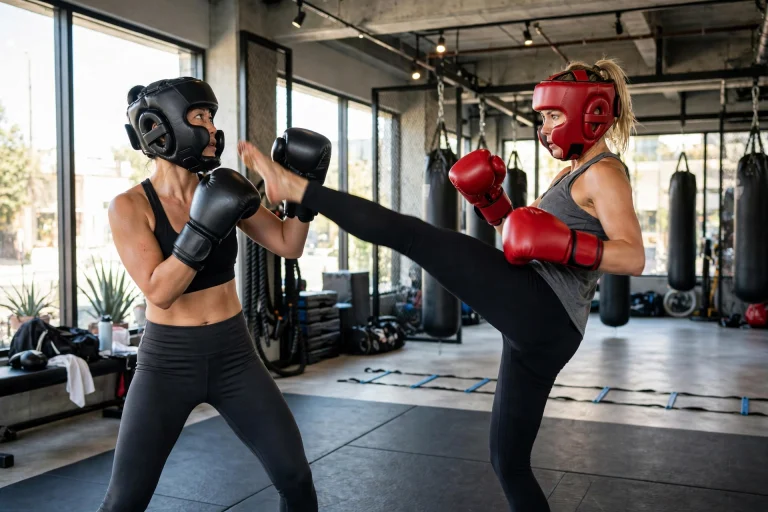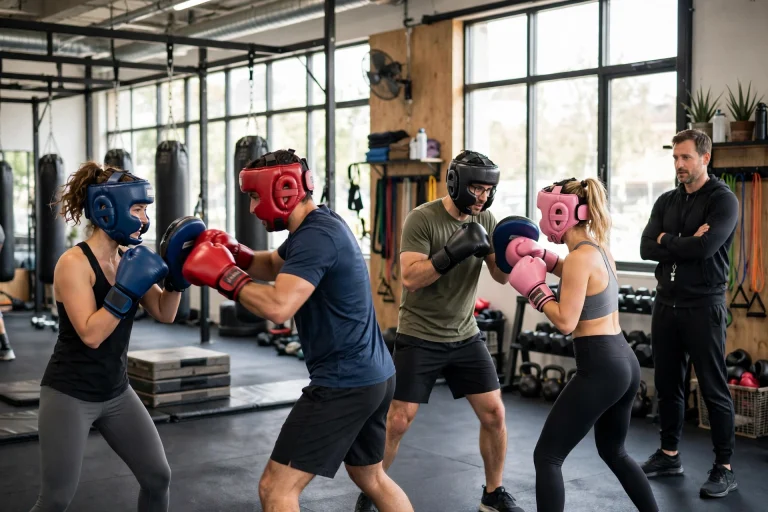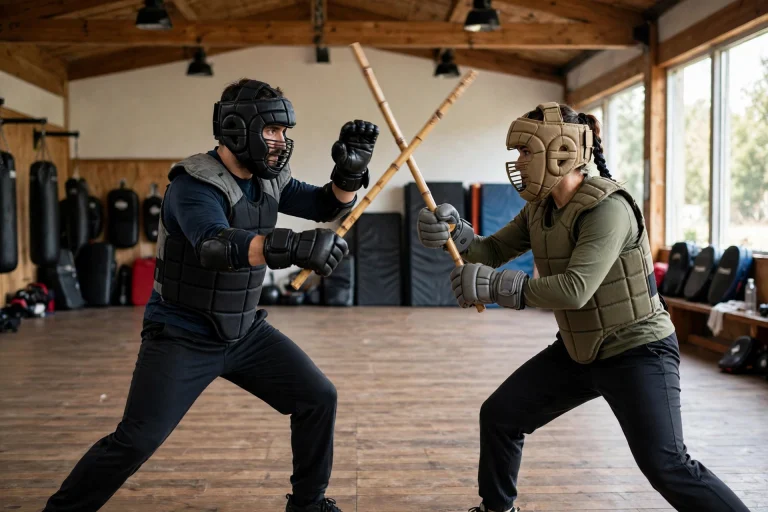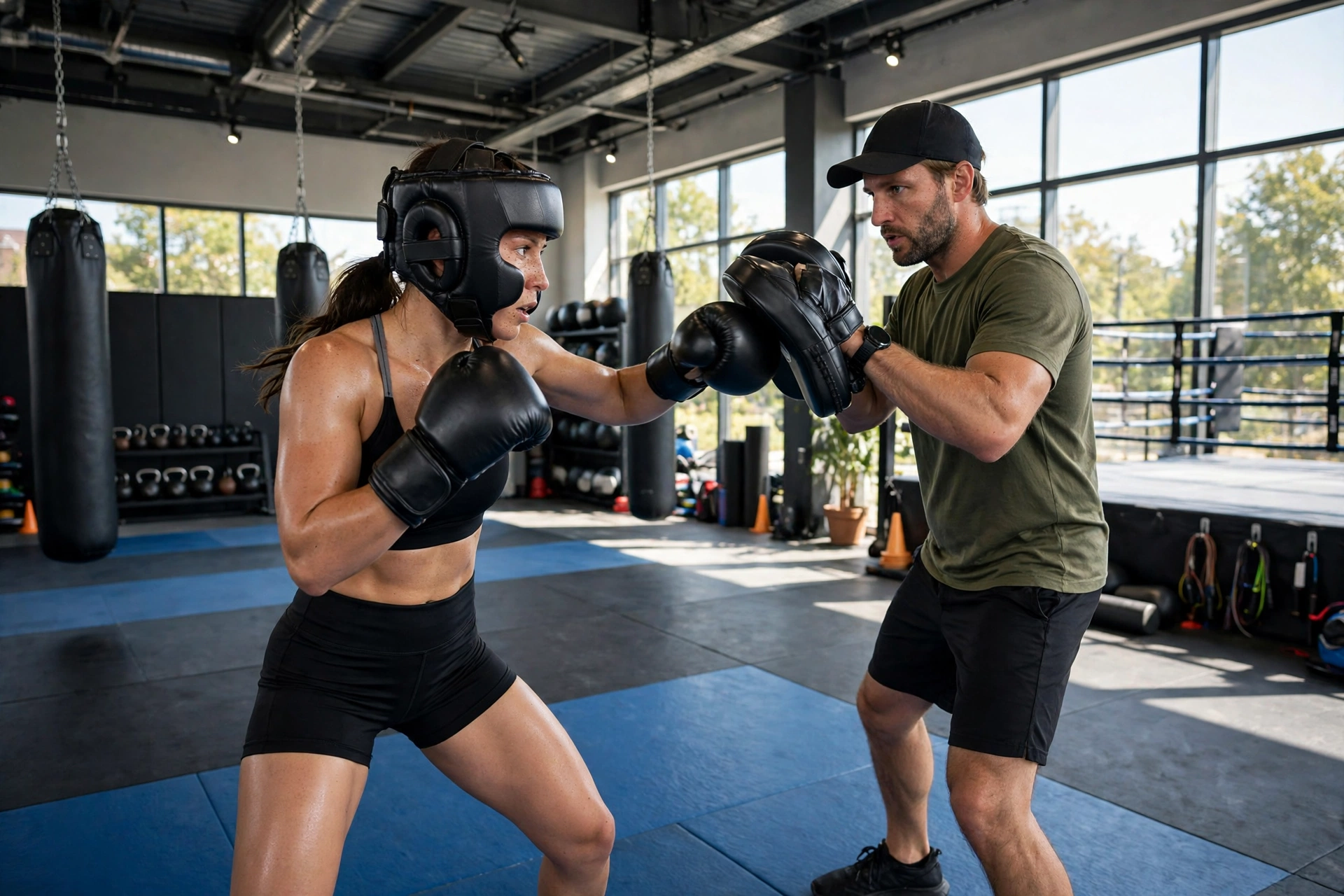
Women’s MMA headgear is padded protective headgear made and sized for women training in mixed martial arts, and in general terms it is used in sparring to soften punches, elbows and knees, reduce cuts and bruising, and protect the head while fighters practise striking, clinch work and takedowns. It is not a different kind of protection from men’s MMA headgear in principle, but fit, sizing and comfort matter more than many people realise, because headgear that is too large, too heavy or poorly shaped will slip, block vision or distract a fighter at exactly the wrong moment. Good women’s MMA headgear is headgear that fits a woman’s head properly and stays put through a full round.
What Is Women’s MMA Headgear?
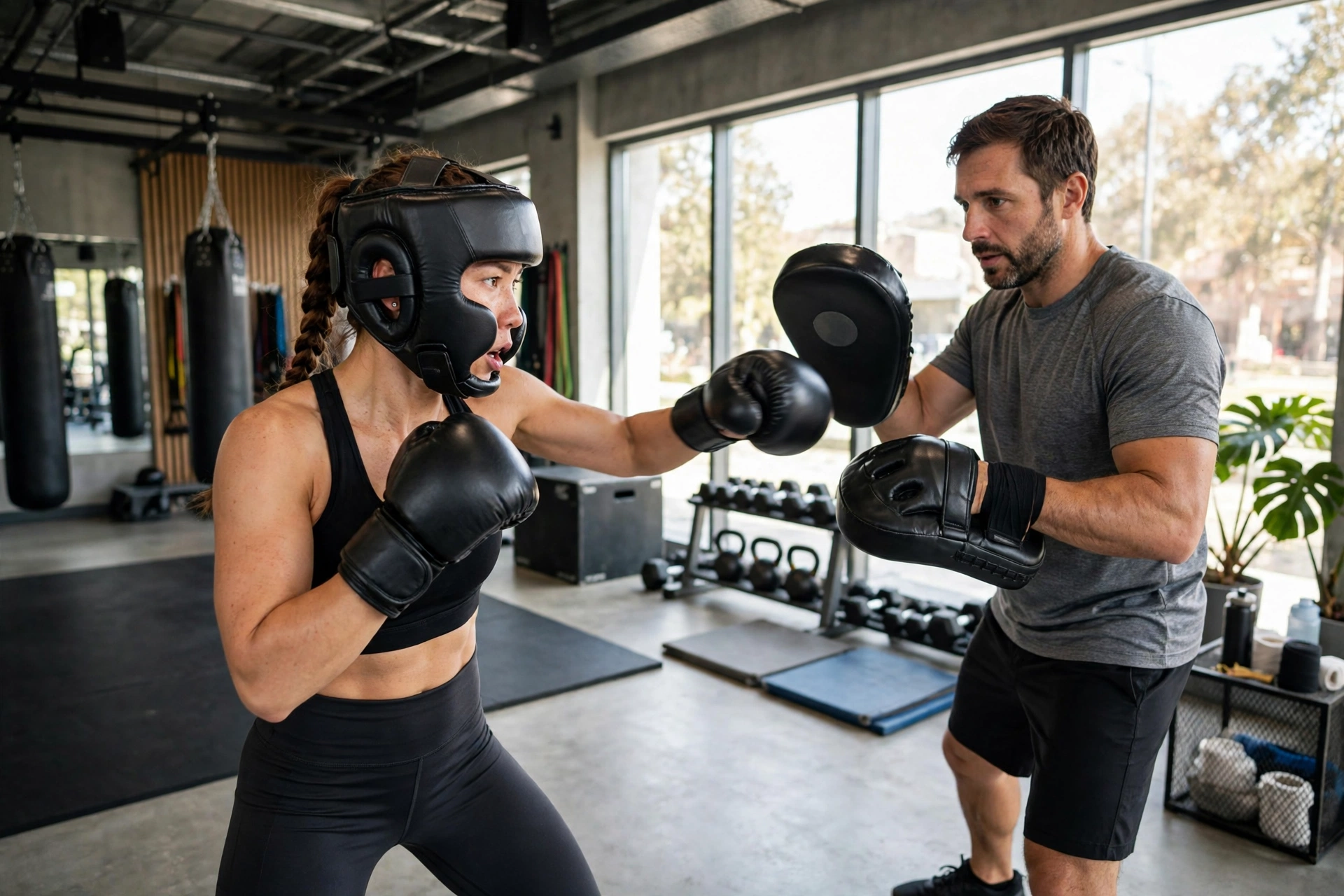
Mixed martial arts, or MMA, combines striking and grappling: punches, kicks, elbows and knees on the feet, and wrestling, clinch work and submissions on the ground. Training involves sparring in all of those areas, and headgear is worn for the striking parts of sparring, where the head is a target. Women’s MMA headgear is designed with the same job in mind as any MMA headgear, but it is often made in smaller sizes, with a shape that suits a smaller head and a fit that works with hair tied back, which is how many women train.
In general terms, the headgear covers the forehead, temples, cheeks and back of the head, and it fastens under the chin. Some designs have extra padding around the cheeks, while others keep the face more open for vision. It is usually made from foam padding covered in a tough synthetic material, and it is light enough to move in but thick enough to soften a blow. It is not a hard helmet, and it is not designed for the kind of heavy impact a motorcycle or cycling helmet deals with; it is built for repeated, controlled sparring in a gym.
Why Does Fit Matter So Much for Women?
Fit matters for every fighter, but it is a particular issue for women because much combat sports equipment has historically been made in sizes that suit larger heads. Headgear that is too big will slide down over the eyes, twist during a clinch, or come loose when a fighter shoots for a takedown, and all of those are safety risks as well as distractions. Headgear that is too tight will press painfully on the forehead and temples, cause headaches and make a fighter less willing to wear it.
When Is Headgear Worn in Women’s MMA?
Headgear is worn in women’s MMA mainly during striking sparring, when partners are throwing punches, elbows and knees at a controlled pace. It is also worn for some clinch drills, where knees and short elbows are part of the work, and for sparring rounds that mix striking with takedowns, although some fighters take it off for pure grappling, where it can get in the way and where the head is not being struck. The coach usually decides when headgear is needed, and the decision depends on the drill, the level of contact and the experience of the fighters.
Headgear is not usually worn in MMA competition, where professional and most amateur bouts are fought without it, although rules vary between organisations and between levels, and some amateur events do require it. That means headgear is mainly a training tool, and its job is to let a fighter practise often and safely enough to be ready for a bout. It is also not worn for bag work, pad work or conditioning, where there is no one striking back, and leaving it off for those parts of training keeps a fighter comfortable and lets them move freely.
What Should You Look for When Choosing It?
When choosing women’s MMA headgear, start with size and fit, and try it on if you possibly can. Look for padding that feels even all the way around, with no hard spots or gaps, and check that the chin strap fastens firmly and stays fastened. The headgear should protect the forehead, temples and cheeks, but it should not block the eyes or narrow the field of view, because a fighter needs to see kicks and punches coming from the side as well as from the front. For background on how helmet technology manages impact forces, see what MIPS is for helmets.
How Do You Care for MMA Headgear?
MMA headgear picks up sweat in every session, and it is also handled a great deal during grappling, so it needs regular cleaning. After training, wipe it inside and out with a clean damp cloth and leave it somewhere with good airflow until it is fully dry. Do not leave it damp in a closed kit bag, because that encourages odour and can weaken the materials. In general terms, mild soap and water are enough, and harsh chemicals should be avoided because they can damage the foam padding and the outer cover.
Check the headgear regularly for wear, paying attention to the places where it is grabbed or pressed during a clinch. Look for stitching that has come undone, straps that no longer hold, padding that has gone flat or lumpy, and tears in the outer material. Headgear that has lost its padding or no longer fits snugly will not protect as well, and it should be replaced. Keeping headgear in good condition is part of taking training seriously, and it is also a matter of hygiene when equipment is shared or used several times a week.
Is Headgear Enough for Safe MMA Sparring?
Headgear is an important layer of protection, but it is not enough on its own, and it should never be treated as a guarantee of safety. It can soften punches, elbows and knees and reduce cuts and bruising, but it cannot stop the brain from moving inside the skull when the head is struck, so it cannot remove the risk of concussion entirely. That is true of all padded sparring headgear, and it is worth remembering every time a fighter puts it on, whatever their level.
Safe MMA sparring depends on control, supervision and honest communication as much as on equipment. Partners should agree on the level of contact before a round, coaches should watch the pace and stop a round when it gets too intense, and fighters should be honest about how they feel after a hard blow. Beginners should start with light, technical sparring and build up gradually, and anyone who feels dizzy, confused or unwell after a strike to the head should stop and seek medical advice. Headgear helps, but the habits around it are what make training sustainable over months and years.
Is women’s MMA headgear different from men’s?
In principle it does the same job, but it is often made in smaller sizes and shapes that fit a woman’s head and tied-back hair better. The key difference is fit, not the level of protection.
Is headgear worn in women’s MMA fights?
Usually not. Most professional and amateur MMA bouts are fought without headgear, although rules vary by organisation and level. Headgear is mainly used in training and sparring.
Can you grapple while wearing MMA headgear?
Yes, in general terms, and many fighters do during mixed sparring. Some prefer to take it off for pure grappling, where it can get in the way, and the coach usually decides what is best for each drill.

Olivia
Writer at Helmet Today, covering helmet reviews, fit and riding safety.