We may earn a commission when you buy through links on this page, at no extra cost to you. Learn more
Welding helmets with respirators can protect your eyes, face, and breathing zone during welding work. PAPR systems use a powered blower to pull air through filters and deliver filtered air into the helmet. This setup can be useful for jobs that create more fumes, such as welding stainless steel, galvanized metal, or coated materials.
The right helmet should offer clear auto-darkening optics along with dependable respiratory protection. Airflow, filter type, battery life, viewing area, helmet weight, and comfort all matter during long welding sessions. A PAPR system should also match the helmet designed for it rather than using unrelated components. Models such as the 3M Speedglas G5-01, Miller T94i-R, Lincoln VIKING 3250D, and Optrel e3000X are current options for welders who want integrated breathing protection.
This guide covers five of the best welding helmets with respirators for different welding jobs, work environments, and budgets. We considered lens clarity, airflow, filtration, battery runtime, viewing area, comfort, durability, and overall value. These picks can help you compare PAPR welding systems and choose one that fits your regular welding needs.
5 Best Welding Helmets With Respirator
| Image | Title | Best For | Link |
|---|---|---|---|
 |
More to Explore Professional Safety | Best overall for industrial grade protection. | View on Amazon |
 |
3M Versaflo M-407 | Heavy duty head protection. | View on Amazon |
 |
Welding Helmet Air Fed PAPR | Budget-friendly air fed system. | View on Amazon |
 |
3M Half Facepiece 6391 | Reliable portable respirator kit. | View on Amazon |
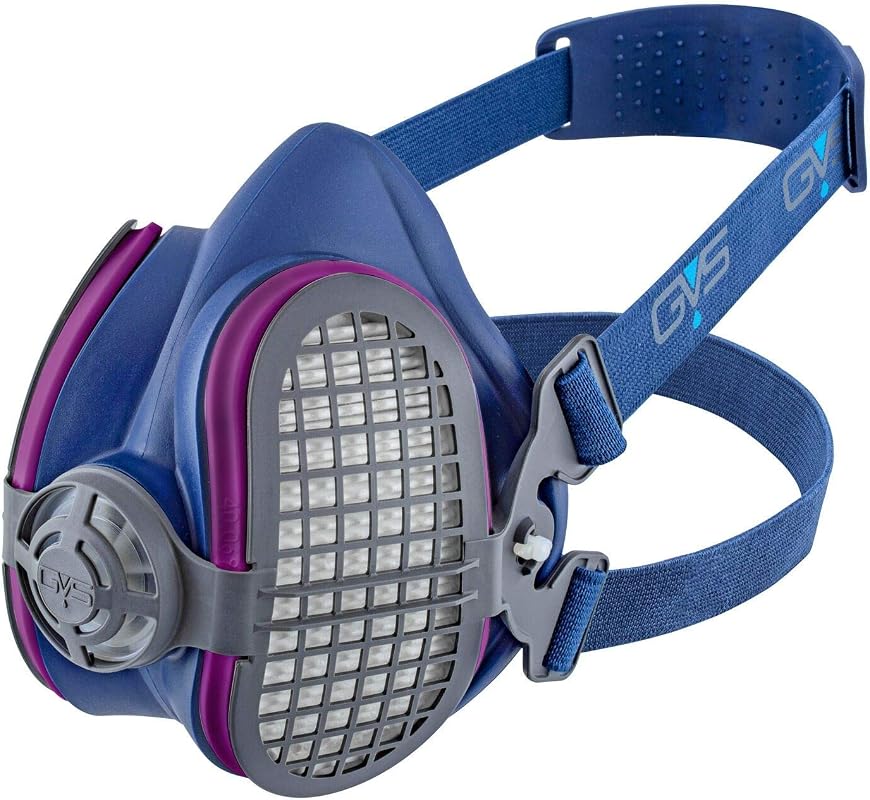 |
GVS Elipse P100 | Comfortable low-profile design. | View on Amazon |
Our Top 5 Best Welding Helmets With Respirator Reviews – Expert Tested & Recommended
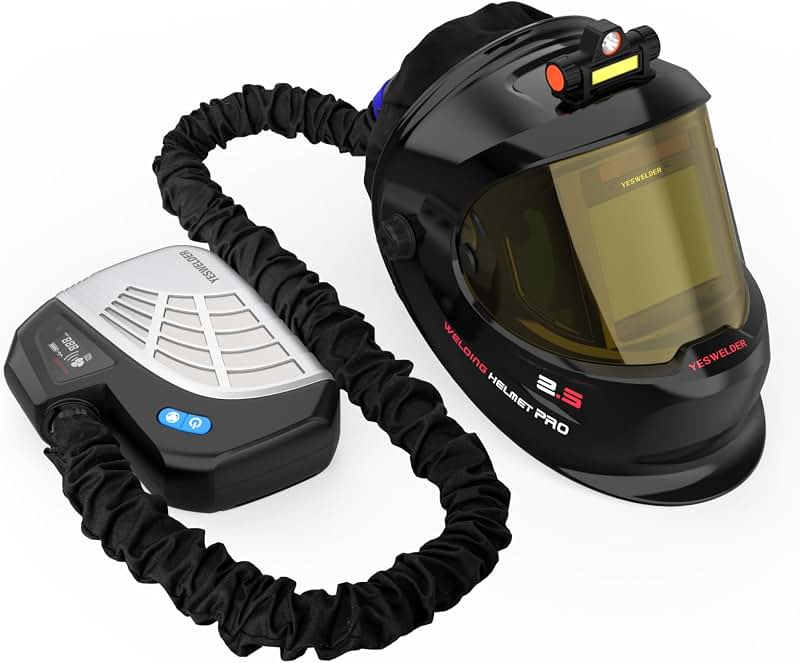
1. More to Explore Professional Industrial Safety Helmet
If you are looking for a high-end solution, this unit stands out for its exceptional build quality. It is designed to handle the toughest workshop environments while keeping your breathing zone clear and safe.
Key Features That Stand Out
✓ Advanced filtration for superior air quality
✓ Durable outer shell for impact resistance
✓ Ergonomic harness for all-day comfort
Why We Recommend It
This system offers peace of mind through its robust construction and high-efficiency air delivery. It is a reliable choice for professional welders who cannot compromise on safety.
Best For
Industrial manufacturing and heavy-duty fabrication projects.
Pros and Cons at a Glance
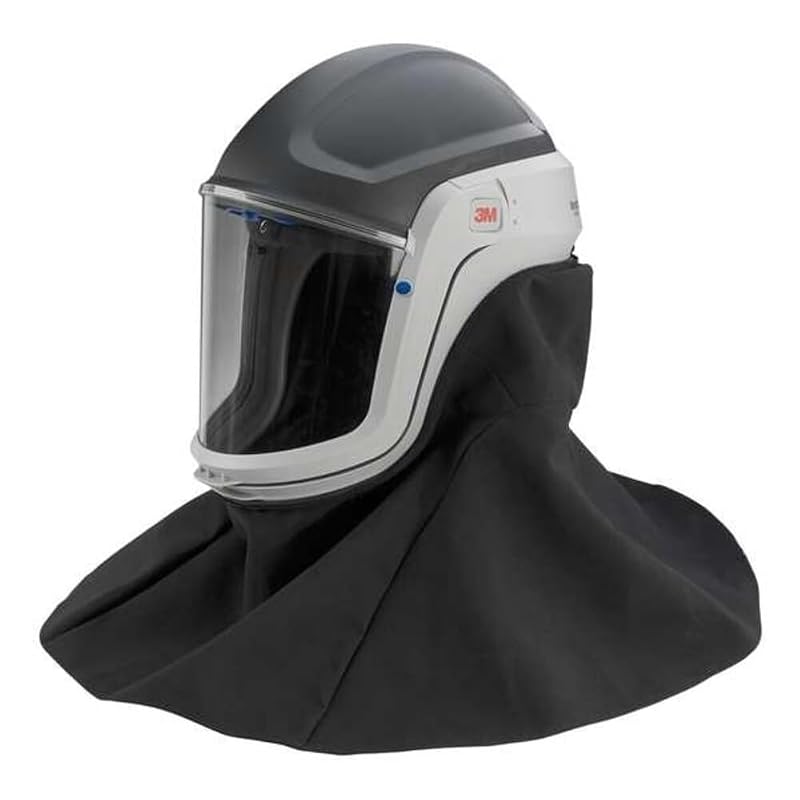
2. 3M Versaflo M-407 Respiratory Helmet
The 3M Versaflo M-407 is a powerhouse in the world of respiratory welding gear. It features a sophisticated directed airflow system that lets you choose exactly where the air hits, keeping you cool and clear-headed.
Key Features That Stand Out
✓ Customizable internal air deflection
✓ Lightweight, balanced design for long shifts
✓ Large visor with excellent optical clarity
Why We Recommend It
The balance of this helmet is what truly sets it apart. It removes the strain from your neck while providing premium air filtration that makes working in tight, smoky spaces much more tolerable.
Best For
Professionals working in environments requiring maximum head and lung protection.
Pros and Cons at a Glance
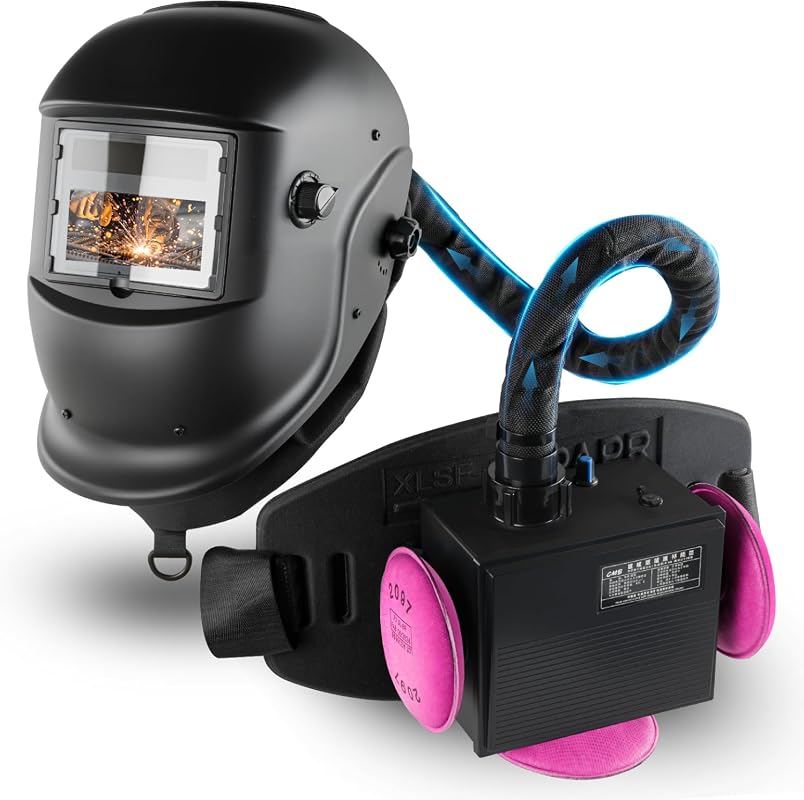
3. Auto Darkening Welding Helmet with PAPR
If you want the benefits of a PAPR (Powered Air Purifying Respirator) without the extreme price tag, this model is a great starting point. It offers solid auto-darkening performance and keeps your breathing zone fresh.
Key Features That Stand Out
✓ True Color lens for better visibility
✓ Integrated PAPR air delivery system
✓ Versatile for TIG, MIG, and ARC welding
Why We Recommend It
It bridges the gap between basic helmets and expensive industrial rigs perfectly. The auto-darkening feature is fast and reliable for the average garage welder.
Best For
DIY welders and small shop owners on a budget.
Pros and Cons at a Glance
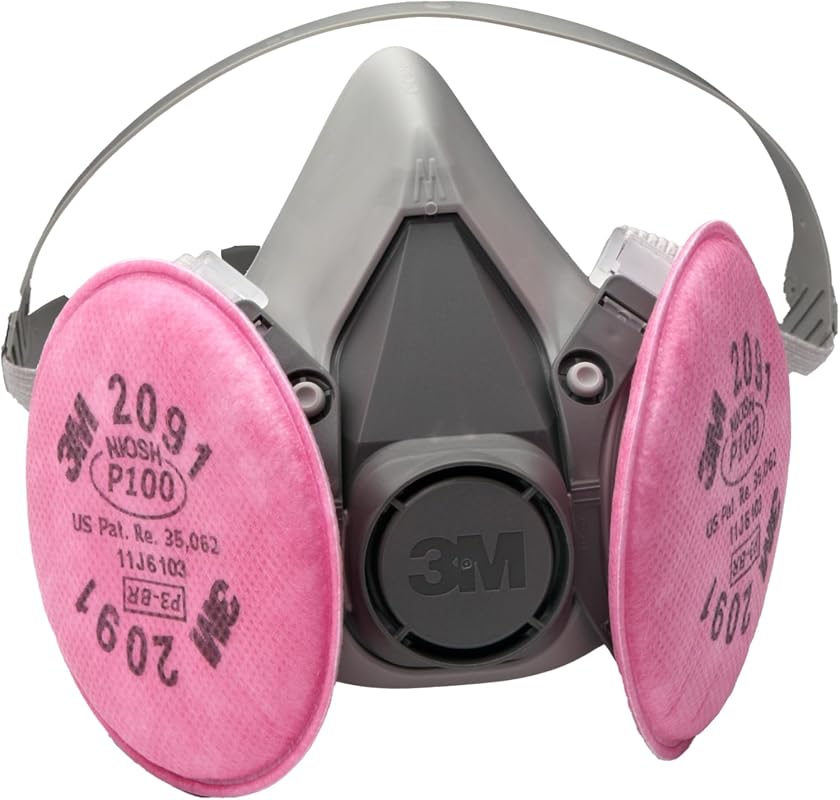
4. 3M Half Facepiece Reusable Respirator 6391
Sometimes you don’t need a full-face system. This 3M kit is the industry standard for a reliable, low-profile way to keep harmful particles away from your lungs while wearing your preferred welding helmet.
Key Features That Stand Out
✓ NIOSH approved for oil/non-oil particles
✓ Convenient half-facepiece design
✓ Reliable P100 particulate filtration
Why We Recommend It
It is simple, effective, and fits well under most welding hoods. If you already have a favorite helmet, this is the best way to add safety without changing your entire setup.
Best For
Welders who prefer their current helmet but need better air quality.
Pros and Cons at a Glance
5. GVS Elipse P100 Dust Half Mask
The GVS Elipse is famous for being incredibly low-profile. It fits comfortably under welding hoods where other masks might cause interference, making it a favorite for tight-space work.
Key Features That Stand Out
✓ Ultra-compact profile for better fit
✓ Replaceable high-efficiency P100 filters
✓ Extremely lightweight and comfortable
Why We Recommend It
You barely notice you are wearing it. It is the perfect choice for anyone who hates the bulky feel of traditional respirators but needs real protection.
Best For
Welders who struggle with bulky masks fitting under their helmets.
Pros and Cons at a Glance
Complete Buying Guide for Welding Helmets With Respirator
Essential Factors We Consider
When picking out the best welding helmet with a respirator, look for the right level of filtration (P100 is ideal). You should also check the weight and balance of the helmet, as a heavy rig will tire you out during long welding sessions. Always ensure the mask fits well against your skin, because protection means nothing if the air leaks around the edges.
Budget Planning
Respiratory systems come in two main types: PAPR (powered) and passive (masks worn under your helmet). PAPR systems are a larger investment, but they offer far superior comfort and air delivery. If you are just starting out, a quality half-mask under a reliable auto-darkening hood is a fantastic way to protect your health without breaking the bank.
Final Thoughts
Safety is the most important part of your craft. Whether you opt for a full-powered system or a high-quality filter mask, remember that your lungs are irreplaceable. Take your time, get a proper fit test, and keep your filters clean for the best performance.
Frequently Asked Questions
Q: Are all respirators compatible with every welding helmet?
A: No. Many respirators are bulky and may prevent a welding helmet from closing properly. Always verify that your chosen respirator is low-profile or meant for use with welding gear.
Q: How often should I replace the filters in my respirator?
A: This depends on the environment. If you notice it becomes harder to breathe or you can smell fumes, replace the filters immediately.
Q: What is a PAPR system?
A: PAPR stands for Powered Air Purifying Respirator. It uses a battery-powered fan to pull air through a filter, creating a constant supply of clean air inside your helmet.

Olivia
Writer at Helmet Today, covering helmet reviews, fit and riding safety.