
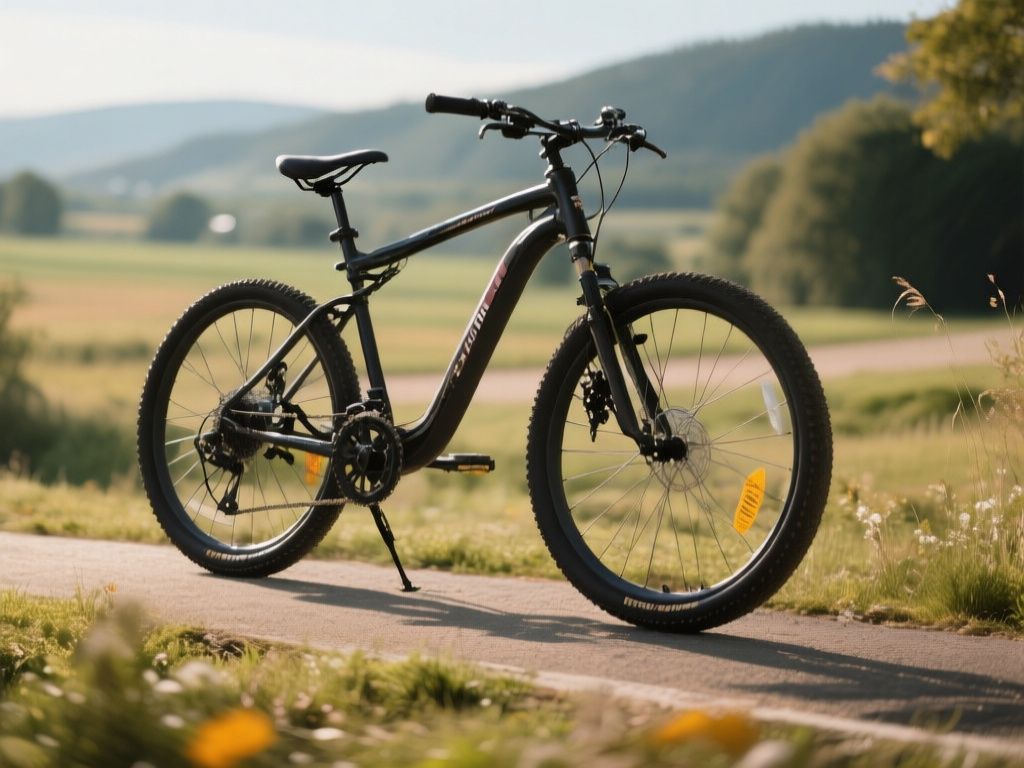
A new bike can cost anywhere from about $250 for a basic bicycle to more than $10,000 for a high-end racing or electric model. Most everyday riders should expect to spend $500–$1,500 for a dependable bike, while electric bikes commonly range from $1,000–$4,000. Used bikes can cost much less if inspected carefully.
How much does a bike usually cost?
The typical price of a bike depends on its type, materials, components, and intended use. A simple city bike is built for comfortable short trips, while a mountain bike needs stronger suspension and frames, and a road-racing bike uses lightweight parts that cost more to manufacture.
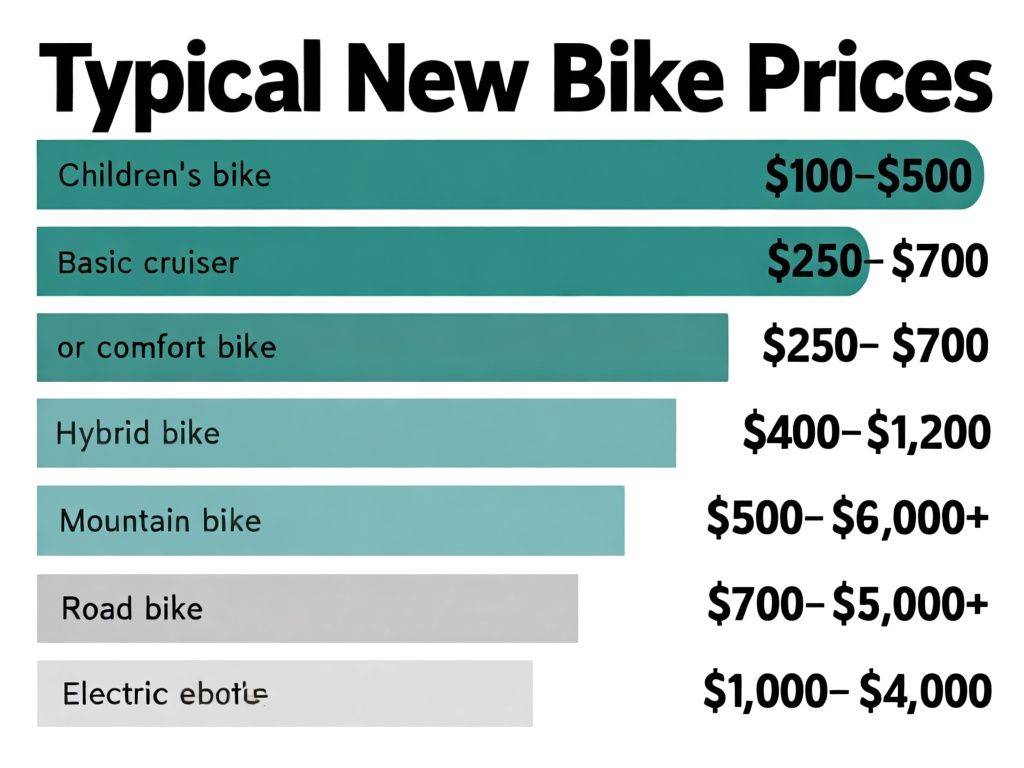
| Bike type | Typical new price | Best suited for |
|---|---|---|
| Basic cruiser or comfort bike | $250–$700 | Casual rides, paved paths, short errands |
| Hybrid bike | $400–$1,200 | Commuting, fitness, roads, and light trails |
| Road bike | $700–$5,000+ | Long-distance riding and speed on pavement |
| Mountain bike | $500–$6,000+ | Off-road trails and technical terrain |
| Electric bike | $1,000–$4,000 | Commuting, hills, cargo, and longer rides |
| Children’s bike | $100–$500 | Learning and recreational riding |
Prices vary by country, retailer, sales season, and availability. A $600 bike from a reputable bicycle shop may offer better brakes, fit, assembly, and repair support than a $300 bike sold in a large general retailer, even when both look similar at first glance.
What does a good everyday bike cost?
A reliable everyday bike usually costs between $500 and $1,200. That range is often the practical middle ground: the bike is sturdy enough for regular use, but the buyer is not paying for specialized racing equipment or premium carbon-fiber parts.
Hybrid bikes are a strong choice for many riders because they combine an upright riding position with reasonably efficient tires. At around $600–$900, a hybrid may include hydraulic or mechanical disc brakes, multiple gears, puncture-resistant tires, and mounts for a rack or fenders.
A cheaper bike can still be perfectly suitable for occasional rides. The main concern is not the lowest price itself, but whether the bike fits the rider, shifts reliably, stops smoothly, and can be serviced when something wears out.
For regular commuting, spending slightly more often makes sense. Better wheels, tires, brakes, and contact points can make a noticeable difference on wet roads, rough pavement, and rides longer than a few miles.
How much does a road bike cost?
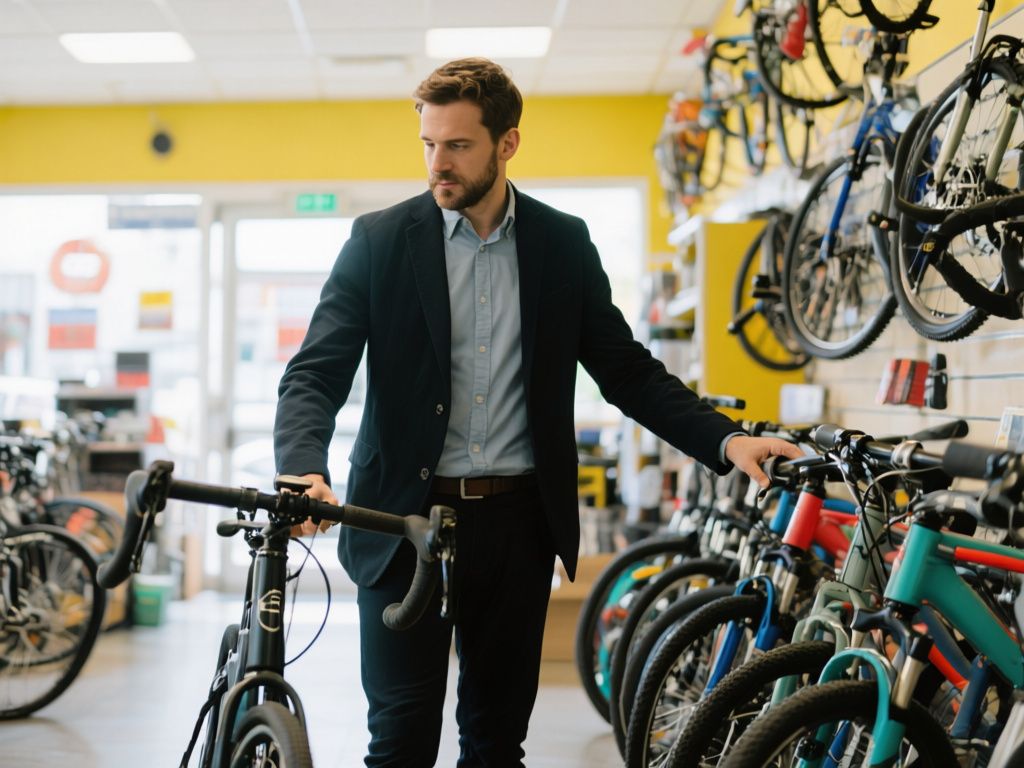
A new road bike generally costs $700–$5,000, although professional-level models can cost considerably more. Entry-level road bikes commonly use aluminum frames and carbon-fiber forks, while expensive models may use carbon fiber throughout.
Road-bike prices rise as the components become lighter, smoother, and more precisely engineered. The drivetrain includes the crank, chain, cassette, derailleurs, and shifters; higher-priced drivetrains usually provide more gears, cleaner shifting, and lower weight.
- $700–$1,200: suitable for fitness, commuting, charity rides, and occasional long-distance trips.
- $1,200–$2,500: a strong range for frequent riders seeking lighter frames and better wheels.
- $2,500–$5,000: intended for serious enthusiasts, racers, and riders who value low weight and premium components.
- Above $5,000: often reflects advanced carbon frames, aerodynamic design, electronic shifting, and high-end wheels.
Electronic shifting can add substantially to the price, but it is not required for a good riding experience. A well-adjusted mechanical drivetrain remains reliable and easier to repair in many local shops.
How much does a mountain bike cost?
A mountain bike costs about $500–$6,000 or more, depending mainly on suspension and trail capability. A basic hardtail has suspension in the front only, while a full-suspension bike has front and rear suspension for rougher terrain.
Hardtail mountain bikes are usually the better value for beginners and riders using gravel paths, forest roads, and moderate trails. A dependable hardtail often costs $700–$1,500 and has fewer moving parts to maintain.
Full-suspension bikes commonly start around $1,500 and can exceed $6,000. The higher cost pays for a rear shock, linkage hardware, stronger wheels, adjustable suspension, and components designed to survive repeated impacts.
A very cheap full-suspension bike can be a poor bargain. Excessive weight, weak suspension, and difficult-to-replace parts may make it less enjoyable and more expensive to maintain than a quality hardtail.
How much does an electric bike cost?
Most new electric bikes cost between $1,000 and $4,000. An electric bike, or e-bike, uses a battery-powered motor to assist pedaling; the motor does not remove the need to pedal on most common models.
Entry-level e-bikes around $1,000–$1,800 may have smaller batteries, basic mechanical disc brakes, and hub motors. They can work well for flat commutes, but buyers should check the warranty and replacement-battery availability before purchasing.
Mid-range models from about $1,800 to $3,000 often offer stronger hydraulic brakes, better frames, larger batteries, improved displays, and motors from established manufacturers. These features matter when the bike will carry groceries, climb hills, or be ridden several times a week.
Premium e-bikes may cost $3,000–$6,000 or more. Their price can include integrated batteries, mid-drive motors, suspension, belt drives, cargo capacity, and more refined electrical systems.
The battery is one of the most important long-term costs. A replacement can cost several hundred dollars, and its availability may depend on the manufacturer. A low-priced e-bike with no clear parts support may create more trouble than a moderately expensive model from a company with local service.
What affects the price of a bicycle?
Frame material affects price, weight, comfort, and durability. Aluminum is common because it is relatively light and affordable. Steel is often heavier but can provide a smooth ride and straightforward repairability. Carbon fiber is light and can be shaped for aerodynamic performance, but it costs more and requires careful inspection after serious impacts.
Components also have a major effect on cost. A bike with powerful hydraulic disc brakes, sealed bearings, a wide-range drivetrain, and durable wheels will generally cost more than one with basic rim brakes and entry-level parts.
Wheel quality matters more than many first-time buyers expect. Wheels must stay true, meaning their rims remain properly aligned, while also supporting the rider and handling road impacts. Upgrading cheap wheels later can be expensive, so a well-built stock wheelset is valuable.
Bike fit can matter more than a small weight difference. A bicycle that is the wrong size may cause sore knees, numb hands, or back discomfort. Paying for a professional fitting is not necessary for every rider, but getting the correct frame size and adjusting saddle height are essential.
How much should a beginner spend on a bike?
Most beginners should budget $500–$1,000 for a new non-electric bike and $1,500–$2,500 for a dependable e-bike. That budget usually avoids the flimsy parts found on the cheapest models while leaving money for essential accessories.
Someone riding twice a month on smooth paths does not need a $2,000 bicycle. A person commuting five days a week, carrying luggage, or riding steep hills may benefit from spending more on brakes, tires, gearing, and comfort.
The best buying rule is to match the bike to actual use rather than an imagined future hobby. If the planned rides are mostly paved streets, a hybrid or city bike is usually a better purchase than a mountain bike with aggressive tires and unnecessary suspension.
What extra costs should bike buyers expect?
The listed bike price is not the complete ownership cost. New owners often need at least a helmet, lights, a lock, and a way to inflate the tires.
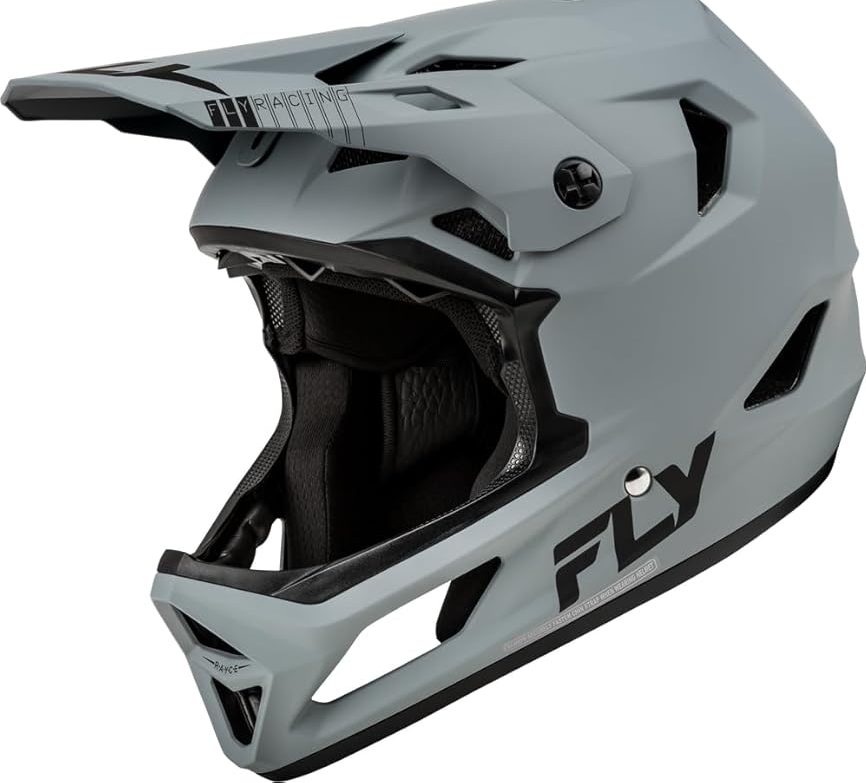
- Helmet: about $40–$150.
- Front and rear lights: about $20–$100 for a usable set.
- Lock: about $30–$150, depending on security level.
- Pump and basic tools: about $30–$100.
- Fenders: about $30–$100 for protection from rain and road spray.
- Rear rack and panniers: about $80–$300 for commuting or carrying groceries.
- Initial professional assembly or fitting: commonly $50–$200 when not included.
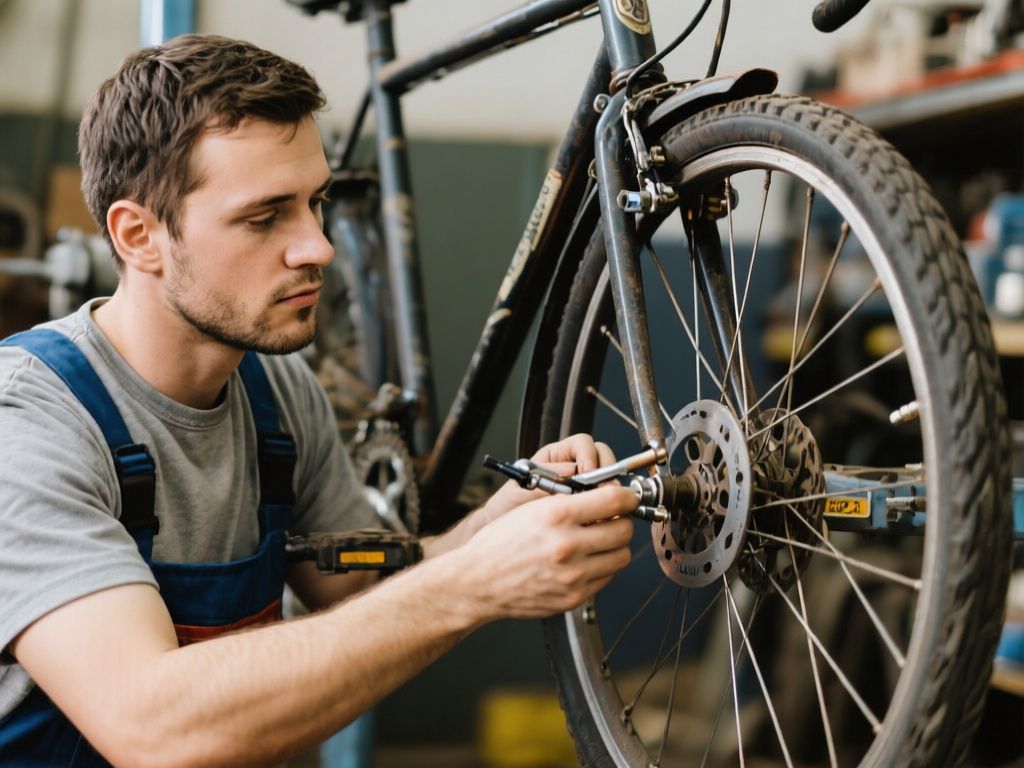
Routine maintenance is another recurring expense. A basic service may cost $75–$150, while replacing brake pads, a chain, tires, or a cassette can raise the bill. Riders who keep tires properly inflated and replace worn chains early can often reduce the need for larger repairs.
Is a used bike worth buying?
A used bike can be excellent value, especially when it comes from a reputable local shop. A three- to five-year-old bicycle that originally cost $1,000 may sell for several hundred dollars, but its condition matters more than its age.
Check the frame for cracks, dents, deep corrosion, and suspicious paint damage. Spin the wheels to look for wobbles, test every gear, squeeze the brakes, and make sure the headset and crank do not move loosely when handled.
Confirm that the bike is the correct size and that the serial number has not been removed. A bike shop can usually perform a pre-purchase inspection for a fee, which is worthwhile for an expensive used bicycle.
Used e-bikes require additional caution. Ask about battery age, charger compatibility, error messages, motor operation, and service records. A cheap e-bike with a failing battery may not be a bargain.
How can someone get the best bike for the money?
Buying from a bicycle shop can provide better sizing and setup, while online shopping may offer lower prices or a broader selection. The cheapest listed price is not automatically the lowest total cost if assembly, shipping, returns, and repairs are difficult.
- Decide where the bike will be ridden. Separate pavement, gravel, trails, hills, and cargo needs.
- Set a complete budget. Include a lock, lights, helmet, pump, and likely maintenance.
- Choose the correct type before comparing brands. A good hybrid usually beats an unsuitable premium bike.
- Test-ride several sizes. The rider should feel balanced, not stretched or cramped.
- Ask about service and replacement parts. This matters especially for e-bikes.
- Compare the warranty. Frame coverage and electrical-system coverage are not always the same.
Sales can make a meaningful difference, particularly when shops clear out last year’s models. Older bikes may have nearly identical frames and components to current versions, but buyers should confirm the size, warranty, and included accessories before comparing prices.
Frequently Asked Questions
What is the cheapest price for a decent bike?
A decent basic bike usually starts around $300–$500, while a dependable hybrid generally starts closer to $500–$700. Very cheap bikes may be adequate for occasional short rides, but buyers should inspect the brakes, gears, frame, and assembly quality.
Is a $100 bike worth buying?
A $100 bike may work for a child, a very occasional rider, or a simple short trip, but quality varies sharply at that price. It is less likely to offer durable components, easy adjustment, or strong long-term repair support.
How much does a bike cost for commuting?
A practical commuting bike usually costs $500–$1,500 before accessories. Add a lock, lights, fenders, rack, and maintenance to the budget, particularly if the bike will be ridden in rain or used daily.
Are expensive bikes easier to ride?
More expensive bikes are often lighter and may shift or brake more smoothly, but price does not replace correct sizing. A properly fitted $700 bike can feel better than an incorrectly sized $2,000 bike.
Is it cheaper to buy a bike online?
Online prices can be lower, but assembly and adjustment may cost extra. A local shop can also help with sizing, warranty claims, and repairs, so the best value depends on the buyer’s mechanical skills and access to service.
How much should an electric bike cost?
A usable new electric bike commonly costs $1,000–$4,000. Buyers should compare battery capacity, motor type, brakes, warranty coverage, replacement parts, and local service instead of judging the purchase by motor power alone.

Olivia
Writer at Helmet Today, covering helmet reviews, fit and riding safety.