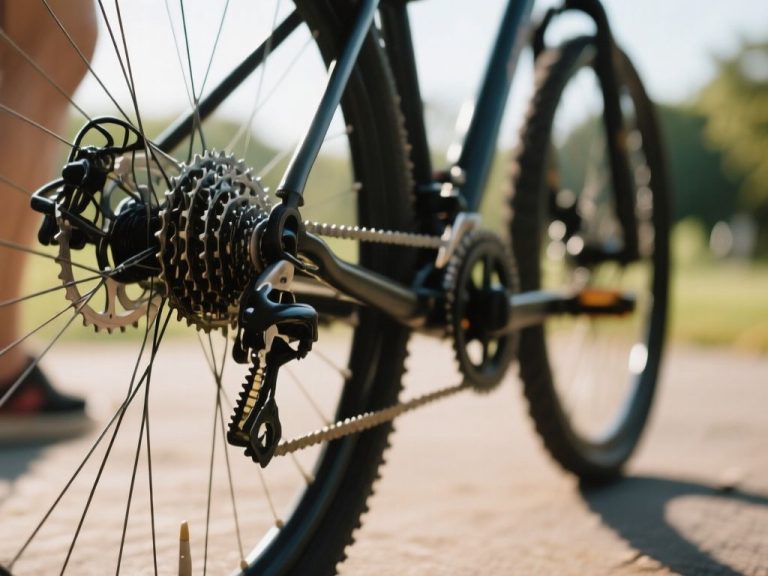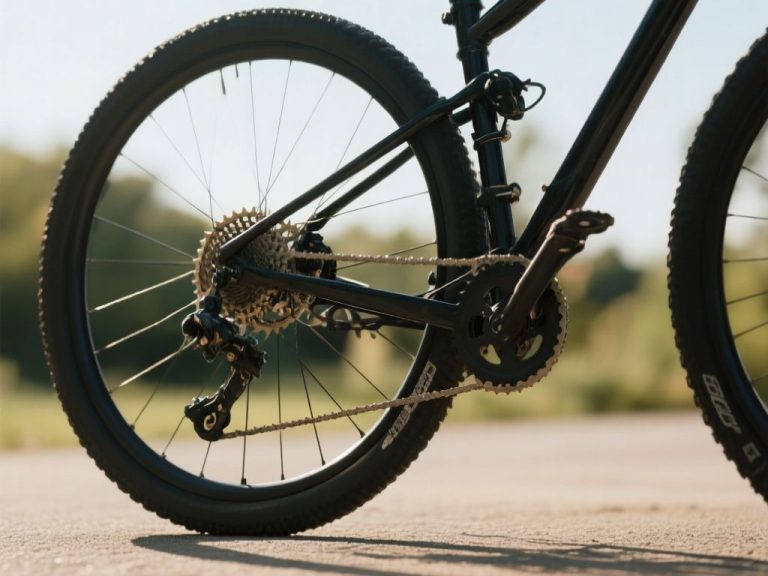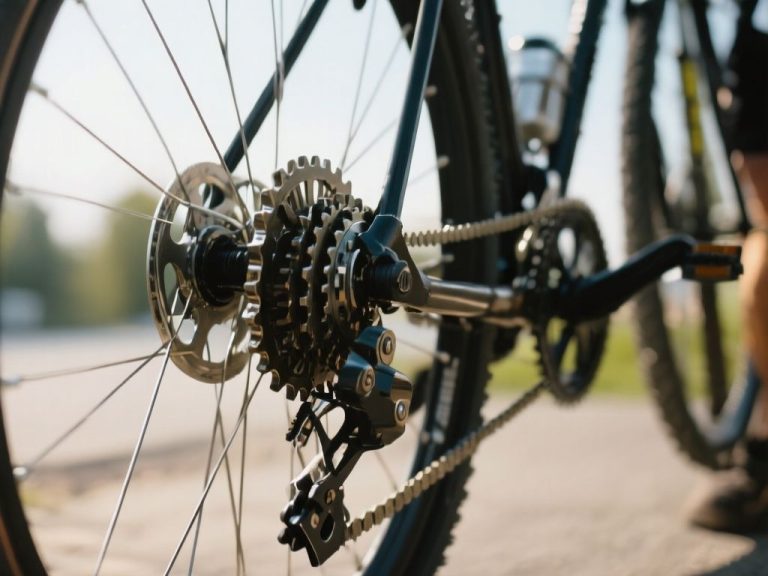

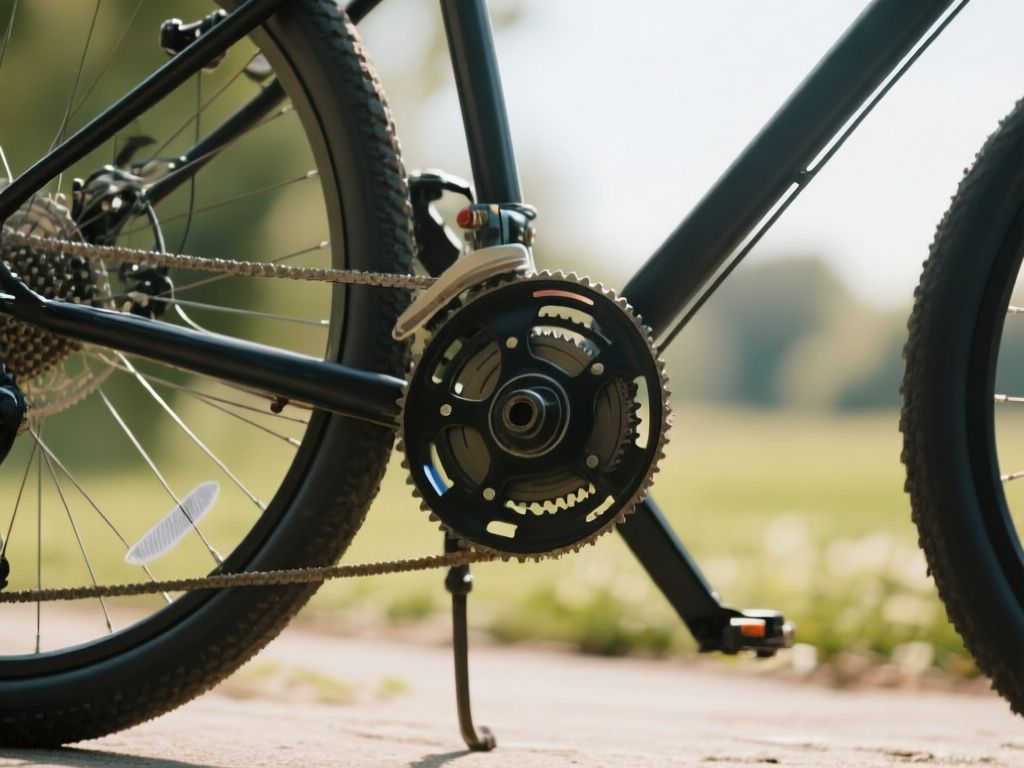
To change gear on a bicycle, keep pedaling gently, then press the appropriate shifter for an easier or harder gear. Use easier gears for hills and starts, and harder gears for faster riding on flat or downhill sections. Shift one or two gears before the terrain changes, and avoid forcing the pedals while shifting.
How do bicycle gears work?
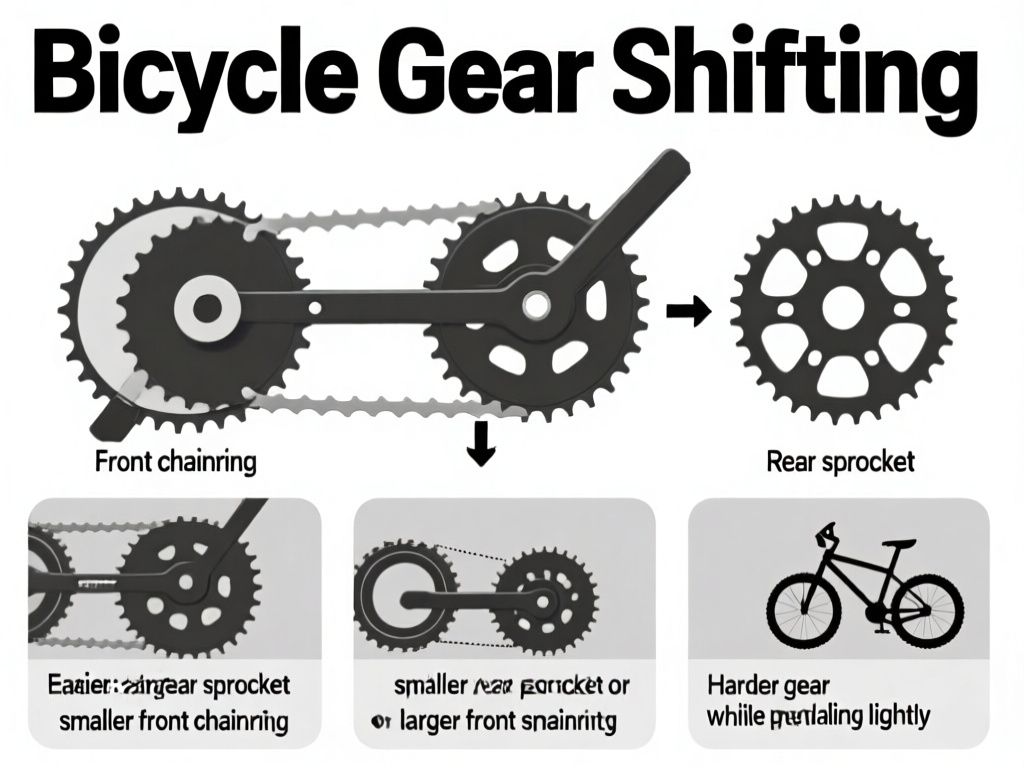
Bicycle gears change the relationship between pedaling effort and wheel speed. The chain runs between one of the front chainrings and one of the rear sprockets, also called cogs. Different combinations make it easier to turn the pedals or allow the bicycle to travel farther with each pedal revolution.
A lower gear makes pedaling easier because the rear wheel turns less for each revolution of the pedals. This is useful when starting from a stop, climbing a hill, riding into a strong wind, or carrying extra weight.
A higher gear makes pedaling harder but increases the distance traveled per pedal revolution. Riders commonly use higher gears on flat roads, gentle descents, or whenever the pedals are spinning too quickly for comfortable control.
Most modern bicycles have either a derailleur system or an internal gear hub. A derailleur moves the chain between exposed sprockets, while an internal hub contains its gears inside the rear wheel hub. The shifting controls differ slightly, but the basic idea is the same: choose a gear that lets the rider pedal smoothly without straining.
Which shifter changes which gear?
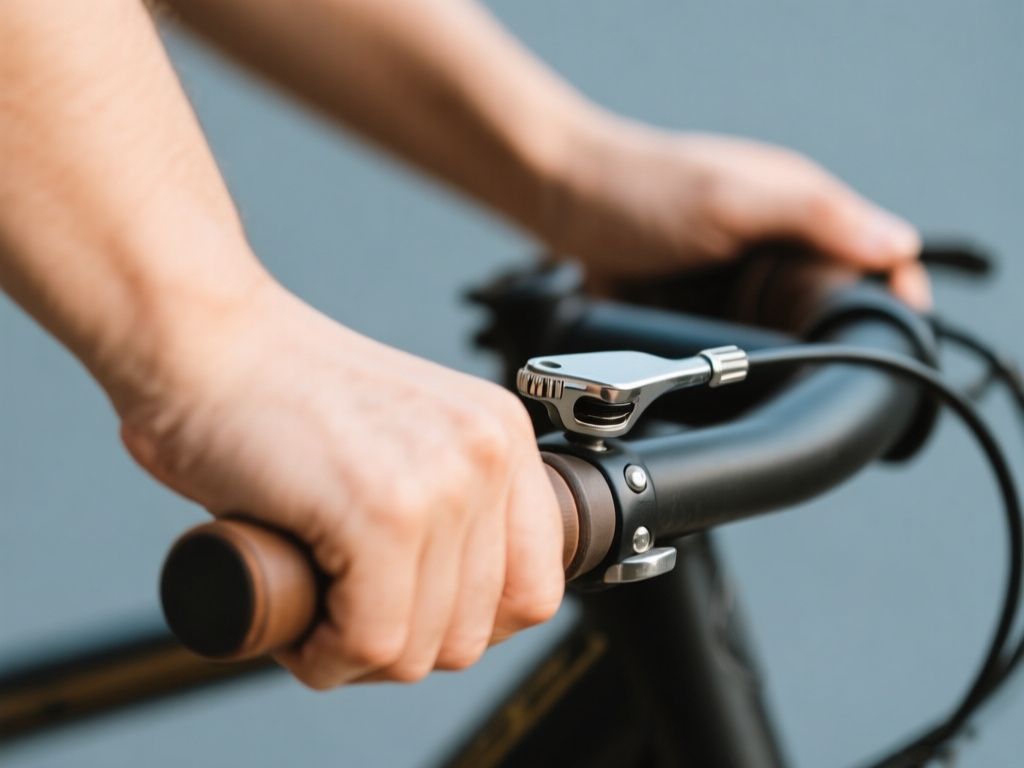
On a bicycle with flat handlebars, the right-hand shifter usually controls the rear derailleur, and the left-hand shifter usually controls the front derailleur. Road bikes may use combined brake-and-shift levers, but the same left-right arrangement is common.
- Right shifter: changes the rear gears, usually one step at a time.
- Left shifter: changes the front chainring, creating a larger change in resistance.
- Right-side gears: are best for small adjustments while riding.
- Left-side gears: make bigger changes and are useful when the terrain changes significantly.
Some bicycles have only one front chainring. On those bikes, the left shifter may not exist, so all gear changes happen at the right-hand control. Other bicycles use twist grips, thumb levers, trigger shifters, or buttons. The symbols vary, but a control marked with a larger number generally selects a harder gear, while a smaller number generally selects an easier one.
How do you shift into an easier gear?
To select an easier gear, use the shifter that moves the chain toward a larger rear sprocket or a smaller front chainring. Keep the pedals turning forward, but reduce pressure on them for the moment of the shift.
- Notice that a hill, headwind, or slow corner is approaching.
- Begin shifting before the pedals become difficult to turn.
- Press or twist the shifter once.
- Keep pedaling lightly until the chain moves and the gear settles.
- Shift again if the pedals still feel too hard.
On many trigger-shifter systems, the larger lever moves the chain to an easier gear, but this is not universal. The reliable test is how the pedals feel: an easier gear makes the pedals turn with less force and usually causes the legs to spin faster.
Riders often make the mistake of waiting until they are halfway up a steep hill. At that point, they may be pushing hard on the pedals, so the chain can clatter, hesitate, or fail to move. Shifting early, while the road is still relatively flat, is smoother and kinder to the drivetrain.

How do you shift into a harder gear?
To select a harder gear, move the chain toward a smaller rear sprocket or a larger front chainring. This reduces how quickly the pedals spin and increases the distance covered with each revolution.
A harder gear is useful when the legs are spinning very quickly on level ground or when a downhill section makes an easier gear feel ineffective. Shift gradually rather than jumping several gears at once. After each shift, allow the chain to settle before deciding whether another change is needed.
Hard gears can make a bicycle feel fast, but choosing too high a gear causes unnecessary strain. If the rider must stand on the pedals, rock the handlebars, or push with great effort to keep the cranks moving, the gear is probably too hard for the terrain.
When should you change gears?
The best time to shift is just before the rider needs a different level of effort. Looking ahead by several seconds gives the drivetrain time to change while the rider still has enough momentum.
- Before a hill: shift into an easier gear before the slope becomes steep.
- During a long climb: make small rear-gear changes to keep the effort steady.
- Before a descent: choose a harder gear if the pedals begin spinning without adding useful speed.
- When starting: use an easy gear so the bicycle moves away smoothly.
- Before stopping: shift into an easier gear if another start is likely, such as at a junction or traffic light.
Good shifting keeps pedaling reasonably smooth. Many riders aim for a cadence—the number of pedal revolutions per minute—of roughly 70 to 100 on ordinary roads, although comfort, fitness, terrain, and riding style all affect the ideal number. Beginners do not need to count cadence; they can simply avoid grinding slowly in a very hard gear or spinning wildly in a very easy one.
How should you use the front and rear gears together?
The rear derailleur is the main tool for fine adjustments, while the front derailleur makes a larger change. A practical approach is to stay in one front chainring for a while and use the rear shifter to handle small changes.
For example, a bicycle with two front chainrings might use the smaller ring for steep climbs and the larger ring for faster flat riding. Within either choice, the rear sprockets provide several intermediate steps.
Avoid extreme chain angles when possible. The chain is at an extreme angle when it runs from the largest front chainring to the largest rear sprocket, or from the smallest front chainring to the smallest rear sprocket. These combinations are sometimes called cross-chaining. They can create noise and increase wear because the chain and derailleur are pulled sideways.
| Riding situation | Useful gear choice | What the pedals should feel like |
|---|---|---|
| Starting from a stop | Easy or moderately easy | Firm but comfortable |
| Steep uphill | Easy gear, often small front chainring | Pedals turn steadily without grinding |
| Flat road | Middle or moderately hard gear | Regular, controlled rhythm |
| Downhill or strong tailwind | Harder gear | Pedals remain engaged rather than spinning freely |
The exact gear number depends on the bicycle. A “gear 5” on one bicycle does not necessarily match gear 5 on another because bicycles can have different chainring and sprocket sizes.
How do you shift without damaging the bicycle?
Lighten pressure on the pedals during every shift. The chain must move sideways between sprockets, and heavy force makes that movement harder. A brief reduction in pressure lets the chain climb onto the next sprocket with less noise and stress.
Do not shift while the bicycle is stationary if it uses derailleurs. Derailleur gears change only when the chain is moving. Pressing the shifter while stopped may move the cable or derailleur, but the chain cannot transfer properly until the pedals turn.
Internal gear hubs work differently. Many require the rider to pause pedaling or ease off pedal pressure while shifting, especially when making a larger change. The manufacturer’s instructions matter because hub designs vary.
Small clicks are usually normal, but repeated grinding, skipping, or loud clunking is not. These symptoms can come from a stretched cable, a bent derailleur hanger, worn chain components, poor adjustment, or a damaged shifter. Continuing to ride hard through a serious shifting problem can worsen the damage.
What are the most common gear-shifting mistakes?
Most shifting problems come from timing, excessive pedal pressure, or using the wrong control. The following habits are easy to correct.
- Waiting too long before a hill: shift while the bicycle still has momentum.
- Pedaling forcefully during a shift: ease off briefly instead of stomping on the pedals.
- Changing too many gears at once: make one or two changes, then reassess.
- Using a very hard gear at low speed: select an easier gear and keep the legs moving.
- Relying only on gear numbers: judge the selection by effort and pedal speed.
- Ignoring drivetrain noise: check the gear selection and have the bicycle inspected if the noise continues.
New riders sometimes confuse braking and shifting because both controls sit near the hands. Practice in a quiet, flat area. Ride slowly, shift one click, and notice how the pedals change. Then try another click in the opposite direction.
How can you practice changing gears?
A short practice session on a quiet path is enough to learn the basic controls. Start in a comfortable middle gear and keep both hands relaxed on the handlebars.
- Pedal at an easy pace on flat ground.
- Shift one rear gear easier and notice the lighter pedal pressure.
- Shift one rear gear harder and notice the increased resistance.
- Repeat while watching and listening for a clean chain movement.
- Practice shifting into an easy gear before a small incline.
- Try the front shifter once, then use the rear shifter to find a comfortable middle setting.
Look ahead while practicing rather than staring down at the controls. After a few rides, most people can identify the right shift from the road and the feel of the pedals alone.
Do electric bicycles shift the same way?
Electric bicycles with conventional derailleur systems shift much like ordinary bicycles, but the motor can put extra force through the chain. E-bike riders should ease off the pedals and, when possible, reduce motor assistance briefly during a shift.
Some electric bicycles use automatic shifting or internally geared hubs. These systems may shift without a traditional derailleur and can behave differently under motor power. The bicycle’s control display or owner’s manual should explain the available modes and any recommended shifting technique.
Frequently Asked Questions
Which gear should I use on a bicycle?
Use an easier gear for hills, starts, headwinds, and slow riding. Use a harder gear for faster flat riding or descents. The best gear is the one that lets the rider pedal smoothly without straining or spinning uncontrollably.
Do I shift up or down for a hill?
Shift to an easier gear before or during the climb. On many bicycles, that means moving the chain to a larger rear sprocket or a smaller front chainring. The pedals should become easier to turn.
Can I change bicycle gears while stopped?
Derailleur gears need the chain to move, so they should be shifted while pedaling gently. Internal gear hubs may allow stationary shifting, depending on the model. If a bicycle uses a derailleur, shift into an easier starting gear before stopping whenever possible.
Why does my bicycle make noise when I shift?
A brief click is normal, but loud grinding or repeated clattering can indicate heavy pedal pressure, an extreme chain angle, incorrect adjustment, a worn chain, or a bent component. First ease off the pedals and check that the chain has fully moved; persistent noise deserves a bicycle-shop inspection.
What is the easiest bicycle gear?
The easiest combination is usually the smallest front chainring with the largest rear sprocket. It produces the least resistance at the pedals, making it useful for steep hills. The exact result depends on the sizes and number of gears on the bicycle.
Should I shift one gear at a time?
For ordinary riding, one rear gear at a time gives the smoothest control. Larger front shifts can be useful when the terrain changes sharply, but the rider should reduce pedal pressure and let the chain settle before making further adjustments.

Olivia
Writer at Helmet Today, covering helmet reviews, fit and riding safety.