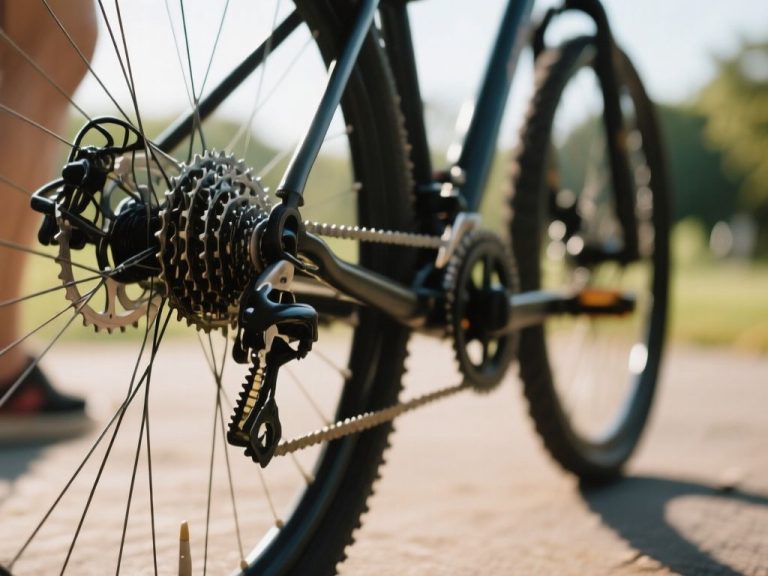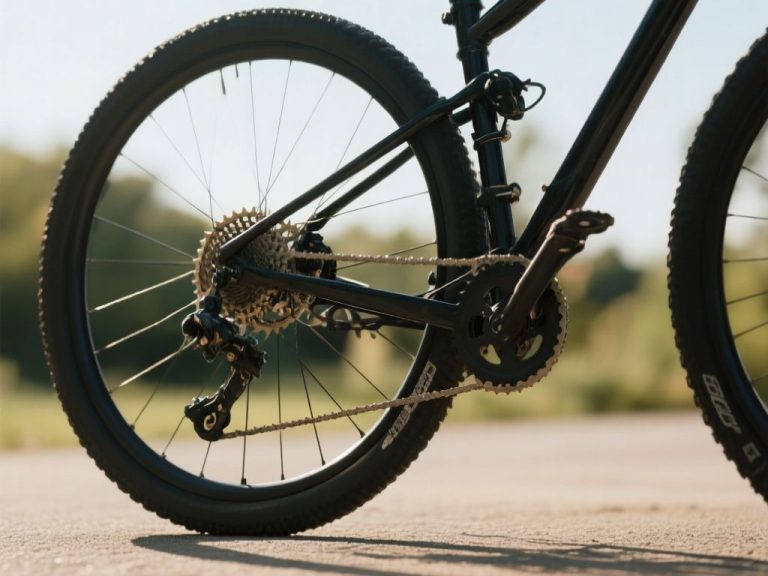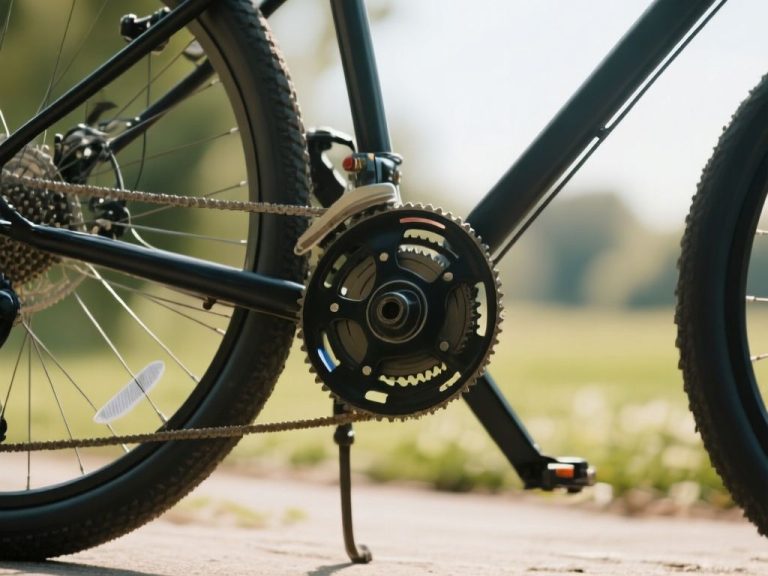

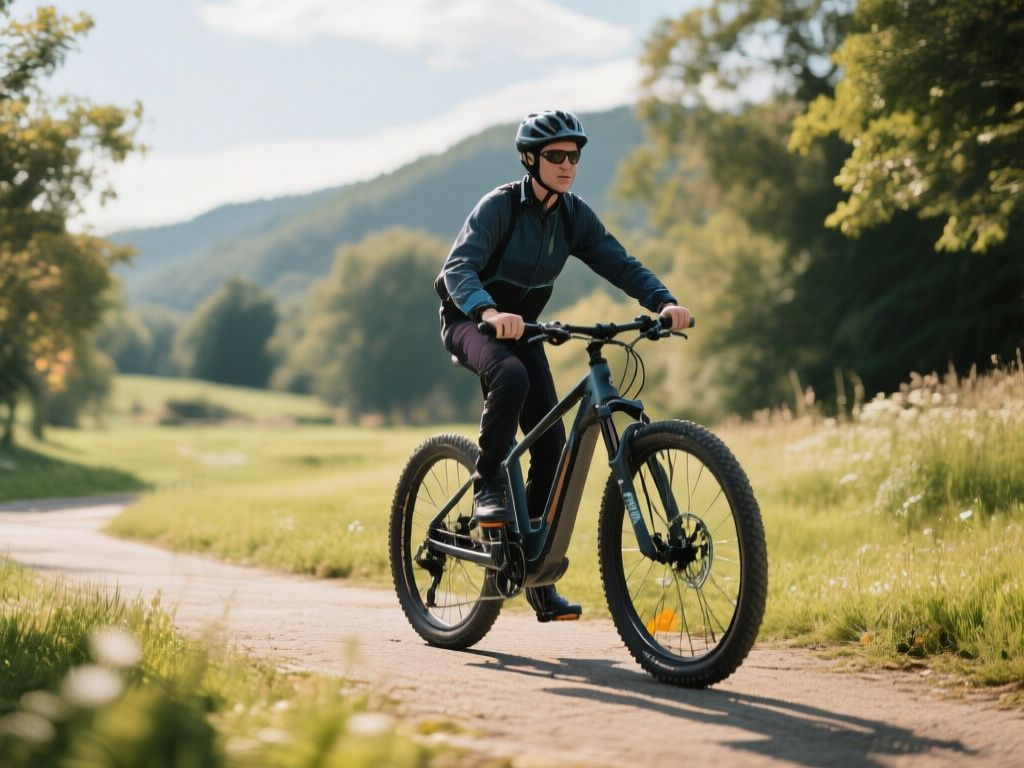
An e-bike, short for electric bicycle, is a bicycle fitted with a battery-powered motor that helps the rider pedal. Most e-bikes still require pedaling, and assistance usually stops at a set speed, commonly 20 or 28 mph depending on the class and local rules. They come in commuter, cargo, mountain, folding, and road-style designs.
How does an e-bike work?
An e-bike combines ordinary bicycle parts with an electric drive system. The rider pedals, sensors detect that movement, and a motor adds assistance through the front wheel, rear wheel, or crank area. The battery supplies electricity, while a small display or control unit lets the rider select an assistance level.
Most e-bikes use one of two pedal-detection systems. A cadence sensor turns the motor on when the cranks begin rotating, which feels simple and predictable. A torque sensor measures how hard the rider pushes and adds power in proportion to that effort, creating a more natural response but usually increasing the bike’s price.
The motor does not generally replace pedaling. Instead, it reduces the effort needed to start from a stop, climb hills, carry luggage, or maintain speed into a headwind. Riders can usually choose several levels, such as Eco, Tour, and Turbo, or turn assistance off entirely.
| Part | What it does |
|---|---|
| Motor | Adds power while the rider pedals, and sometimes powers a walk-assist mode. |
| Battery | Stores electricity for the motor and recharges from a household outlet. |
| Sensor | Detects pedaling speed or force so the system knows when and how much help to provide. |
| Controller | Manages power from the battery to the motor. |
| Display | Shows speed, battery level, assistance mode, and sometimes trip distance. |
What are the main types of e-bikes?
The right e-bike depends heavily on where and how it will be ridden. A compact folding bike can suit train commuters, while a long-tail cargo model may be better for school runs and grocery trips. Motor power, wheel size, frame shape, and carrying capacity all affect the riding experience.
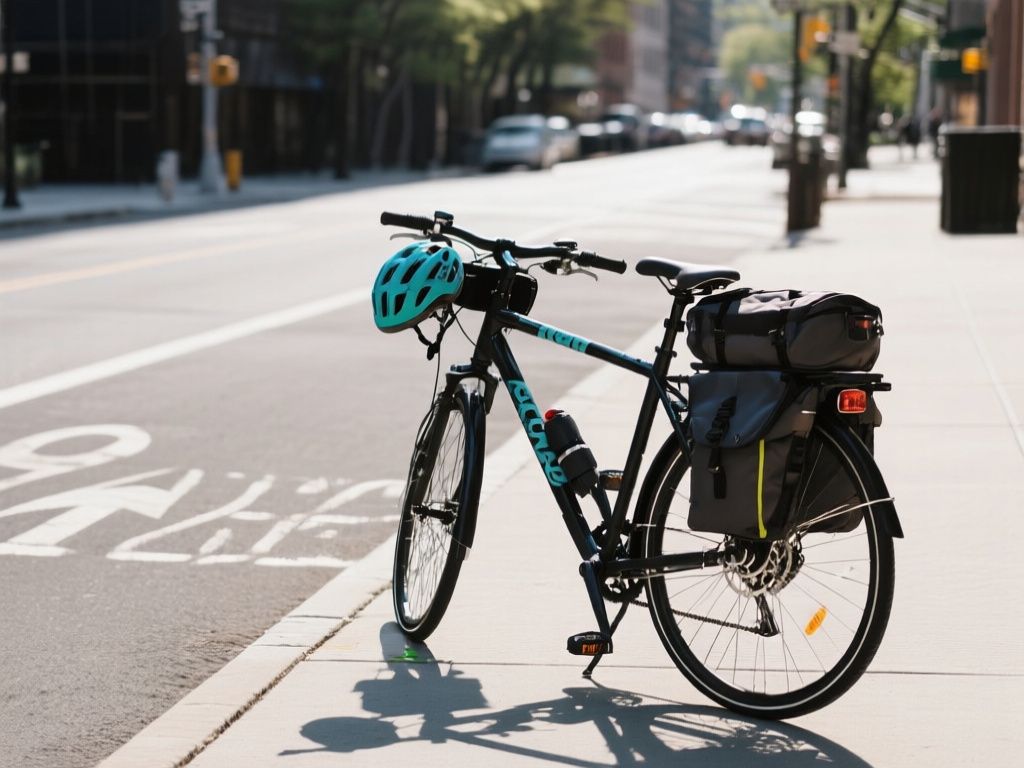
- Commuter e-bikes: These are designed for paved roads, bike lanes, and everyday travel. They often include lights, fenders, racks, and upright handlebars.
- Electric mountain bikes: These use suspension, knobby tires, and stronger frames for dirt trails and steep terrain. They are usually heavier than city models.
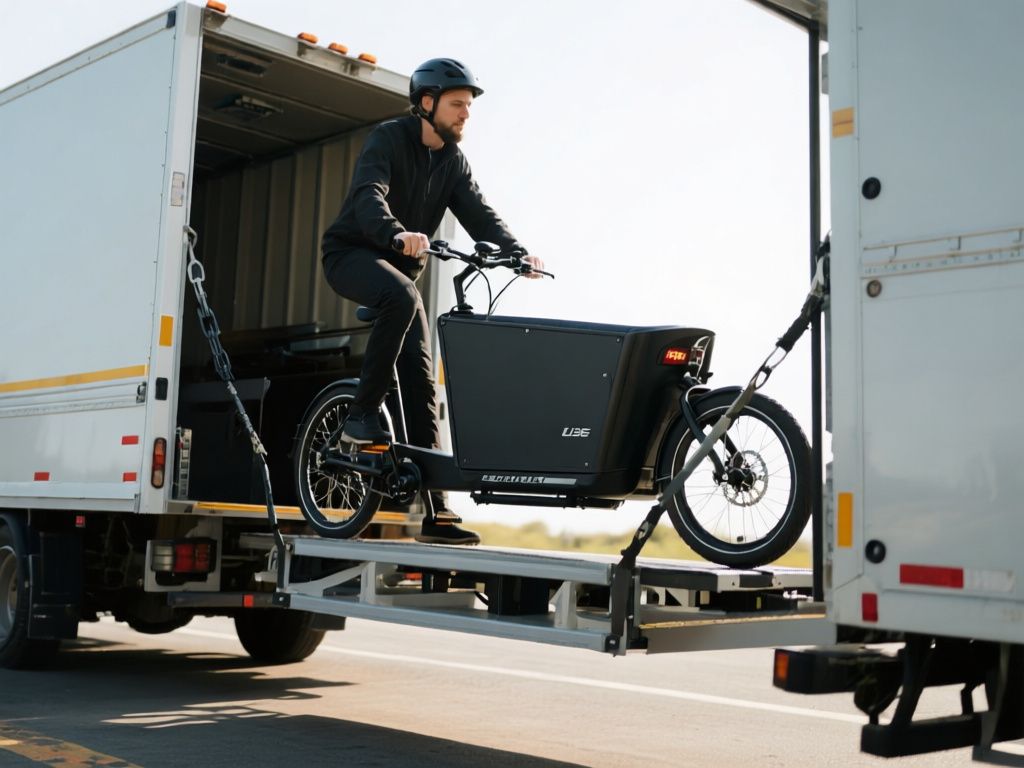
- Cargo e-bikes: Cargo bikes have reinforced frames and racks, boxes, or passenger seating for carrying children, pets, groceries, or work equipment.
- Folding e-bikes: Folding frames and smaller wheels make these easier to store in apartments, car trunks, or offices. The trade-off can be a less stable feel on rough roads.
- Electric road and gravel bikes: These resemble conventional performance bicycles, with drop handlebars and relatively light frames. Their assistance is often subtler and their batteries may be smaller.
- Fat-tire e-bikes: Wide tires provide extra flotation on sand, snow, and loose ground, although they add rolling resistance and weight on pavement.
Some e-bikes also include a throttle. A throttle lets the rider move the bike with motor power without pedaling, usually by pressing a button or twisting a grip. Throttle rules vary by location, and a bike with a throttle may be regulated differently from a pedal-assist-only model.
What do e-bike classes mean?
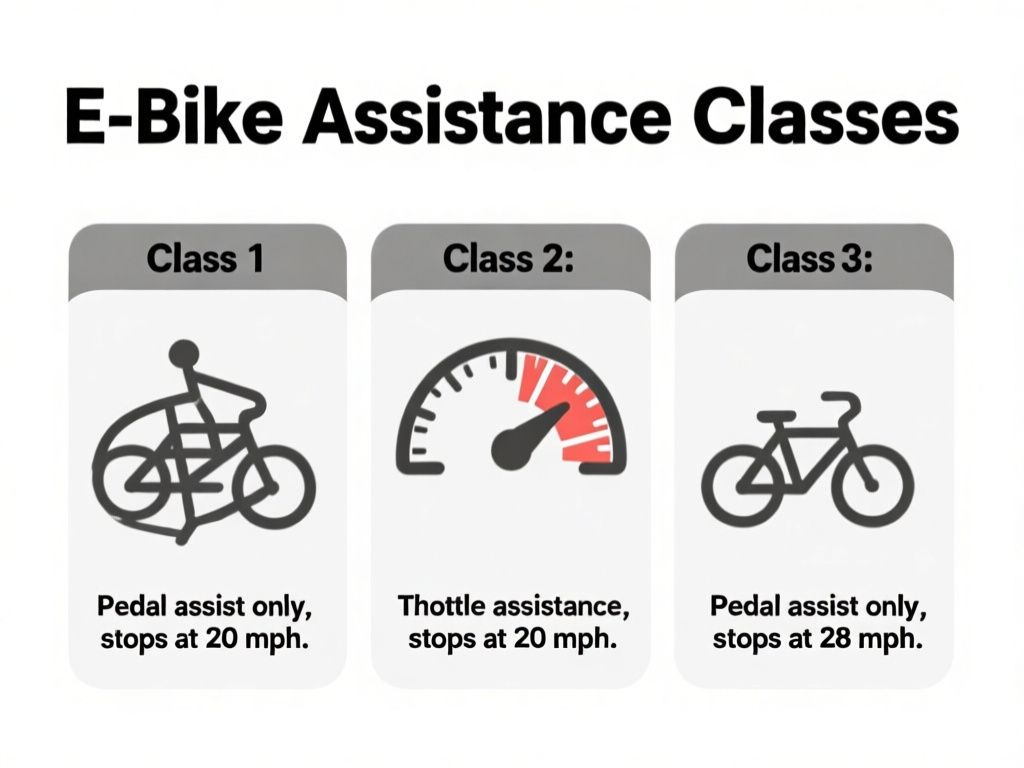
E-bike classes describe how a bike’s motor assistance operates and how fast that assistance may continue. The labels are widely used in the United States, but local laws differ, so riders should check the rules for their state, province, city, or trail system.
| Class | Typical definition | Common setting |
|---|---|---|
| Class 1 | Pedal assist only; motor assistance stops at 20 mph. | Bike lanes, roads, and many shared paths where e-bikes are allowed. |
| Class 2 | Motor assistance can be provided by a throttle; assistance generally stops at 20 mph. | Road use and permitted paths, subject to local rules. |
| Class 3 | Pedal assist only; motor assistance stops at 28 mph. | Roads and some bike lanes; often restricted on multi-use paths. |
These classes do not answer every legal question. Helmet requirements, minimum rider ages, licensing, registration, insurance, and trail access can vary. A bike that is legal on a city street may not be allowed on a narrow park trail, and some authorities classify high-powered models as mopeds or motorcycles rather than bicycles.
How far can an e-bike travel on one charge?
Many e-bikes travel roughly 20 to 60 miles on a charge, but the real distance depends on battery size, assistance level, rider weight, terrain, temperature, tire pressure, and wind. A large battery does not guarantee a particular range because riding conditions can consume energy quickly.
Battery capacity is commonly measured in watt-hours, written as Wh. Watt-hours describe how much energy the battery stores. For example, a 500 Wh battery contains more stored energy than a 400 Wh battery, assuming other factors are comparable.
High assistance, repeated hill climbing, heavy cargo, and frequent stops reduce range. Eco mode on flat pavement may stretch a battery considerably farther. Cold weather can also reduce practical range, particularly when a battery is stored or used below comfortable room temperatures.
A full recharge commonly takes several hours with the supplied charger. Riders who travel long distances should check whether the battery is removable, whether a second battery is available, and whether charging is possible at the destination. Removing the battery also makes it easier to charge in an apartment or office.
Is riding an e-bike still exercise?
E-bike riding can provide meaningful physical activity because the rider still pedals, balances, steers, and controls speed. The motor lowers the intensity, but it does not necessarily remove exercise. Someone who avoids a conventional bicycle because of hills, distance, or fitness concerns may ride more often with electric assistance.
The exercise level depends on the settings and the rider’s effort. A low assistance mode may feel similar to regular cycling on flat ground, while a high setting can make a steep climb manageable with much less exertion. Riders can also use assistance selectively, such as saving motor support for hills and pedaling without help on level streets.
E-bikes should not be treated as automatically easy or risk-free. They are heavier than many standard bicycles and can reach higher speeds with less effort. New riders benefit from practicing starts, stops, tight turns, and braking in an empty parking lot before joining traffic.
What are the benefits of an e-bike?
The strongest argument for an e-bike is practical transportation. Electric assistance can make cycling realistic for people who face hills, long commutes, hot weather, physical limitations, or the need to carry belongings.
- Lower travel effort: Hills and headwinds become more manageable, so riders may arrive less sweaty and less tired.
- Longer practical trips: Assistance can make a five-mile or ten-mile journey feel achievable for people who would not choose a standard bike.
- Car-trip replacement: Cargo models can handle groceries, packages, and some school journeys without using a car.
- Flexible activity: Riders can adjust assistance from one trip to the next or during a single ride.
- Convenient parking: Bicycles usually require less space than cars, although secure storage is still necessary.
- Accessibility: Riders recovering from an injury or managing reduced strength may find electric assistance useful, subject to medical guidance.
These benefits depend on consistent use and suitable infrastructure. A heavy e-bike stored in a basement with no safe route to the street may be less useful than a lighter bicycle kept near a secure entrance.
What are the drawbacks of e-bikes?
E-bikes cost more than many ordinary bicycles because they include a motor, battery, electronics, and specialized components. Quality models can cost several thousand dollars, while cheaper models may compromise on braking, battery support, service availability, or long-term parts supply.
Weight is another practical issue. Batteries and motors can add 15 to 30 pounds or more, depending on the design. Carrying a heavy bike up stairs is difficult, and transporting one may require a suitable rack rated for e-bikes.
Battery replacement is a long-term expense. Lithium-ion batteries gradually lose capacity through use and age, even when they are cared for properly. Exact lifespan varies, but riders should expect eventual replacement rather than assuming the original battery will last forever.
Security requires extra attention because e-bikes are valuable and their removable batteries may also attract theft. A strong lock, a fixed object, indoor storage, and removal of the display or battery when practical offer better protection than a thin cable lock alone.
How should an e-bike be maintained?
Routine bicycle maintenance still matters on an e-bike. Check tire pressure before longer rides, inspect brake pads, lubricate the chain, and make sure bolts on racks, handlebars, and accessories remain tight. Correct tire pressure improves handling, comfort, and battery efficiency.
Electric components need careful handling. Keep charging ports covered when the bike is wet, use the manufacturer’s charger, and do not charge a visibly damaged or unusually hot battery. The battery should be stored in a dry place away from extreme heat, flames, and blocked exits.
Hydraulic or mechanical disc brakes deserve particular attention because e-bikes are heavier and often travel faster than standard bicycles. Worn pads, damaged rotors, or spongy brake levers should be checked by a qualified bicycle technician before riding continues.
Is an e-bike worth buying?
An e-bike is usually worth considering when it will replace car trips, make a regular commute possible, or help someone ride consistently. The decision is less attractive when the bike will be difficult to store, rarely used, or purchased without access to replacement parts and service.
Before buying, measure the storage area, identify the usual route, and estimate the heaviest load the bike will carry. Test the bike at low speed and on a hill if possible. Pay attention to how it starts, how quickly the motor responds, whether the frame fits, and whether the battery can be removed.
Buyers should also ask about warranty coverage, battery replacement cost, local repairs, charger availability, and the weight limit for the rider and cargo. Those details matter more over several years than a large screen or a long list of riding modes.
Frequently Asked Questions
Do you have to pedal an e-bike?
Most e-bikes require pedaling for the motor to provide assistance. Some models include a throttle that can move the bike without pedaling, but throttle use and legal access vary by location.
Are e-bikes difficult to ride?
E-bikes ride much like conventional bicycles, but they are heavier and accelerate more easily. New riders should begin with low assistance in an open area and practice braking before riding in traffic.
Can an e-bike be used in the rain?
Most e-bikes are designed to handle ordinary rain, but they should not be submerged or cleaned with a high-pressure hose. The battery and charging port should be kept dry, and the bike should be dried after a wet ride.
How fast does an e-bike go?
Common regulated classes provide motor assistance up to 20 mph or 28 mph. The bicycle may roll faster downhill, but the motor will stop helping after its programmed assistance limit.
How long does an e-bike battery last?
Battery life depends on charging habits, temperature, mileage, storage, and battery design. Capacity gradually declines, so a battery that once supported long rides will eventually provide less range and need replacement.
Do e-bikes need a license or registration?
Many pedal-assist e-bikes do not require a driver’s license or registration, but the rules are not universal. Local authorities may set different requirements based on motor output, top assisted speed, throttle operation, rider age, or where the bike is used.
The best first step is simple: choose the routes, storage location, and daily tasks the bike must handle, then select a model that fits those real conditions rather than buying by motor size alone.

Olivia
Writer at Helmet Today, covering helmet reviews, fit and riding safety.