
Use bike gears to keep your pedaling comfortable and controlled: shift to an easier gear before a hill or when your legs slow down, and shift to a harder gear when the pedals spin too quickly or you are riding downhill. Make small shifts, keep pedaling lightly while shifting, and choose a gear that lets you maintain a steady rhythm.
What do bike gears do?
Bike gears change how far the bicycle travels with each turn of the pedals. A low gear makes pedaling easier but moves the bike a shorter distance per pedal revolution. A high gear makes pedaling harder but moves the bike farther with each revolution.
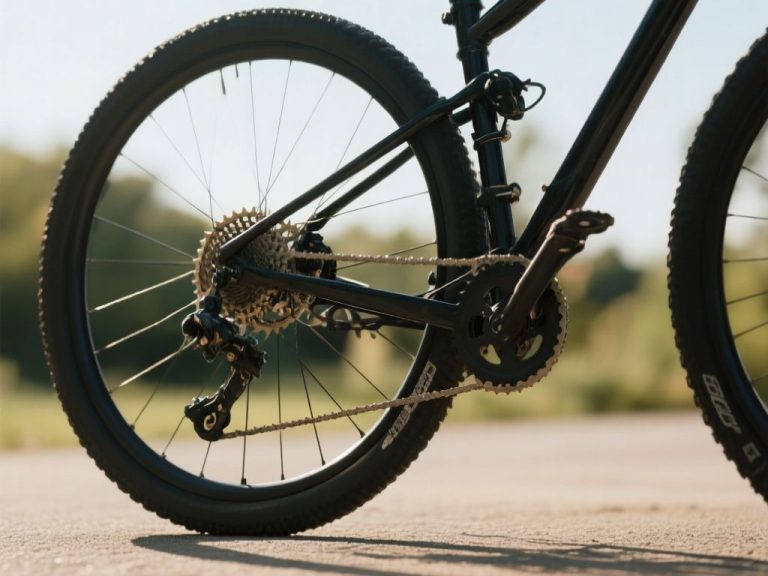
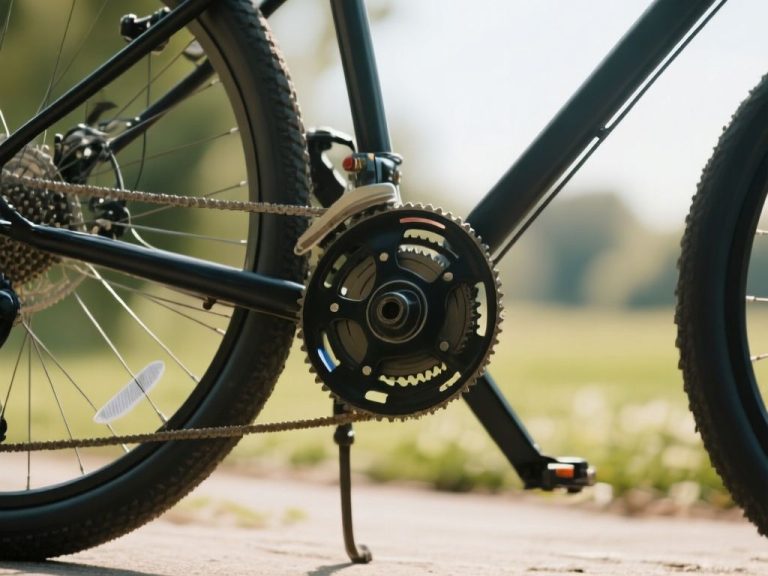
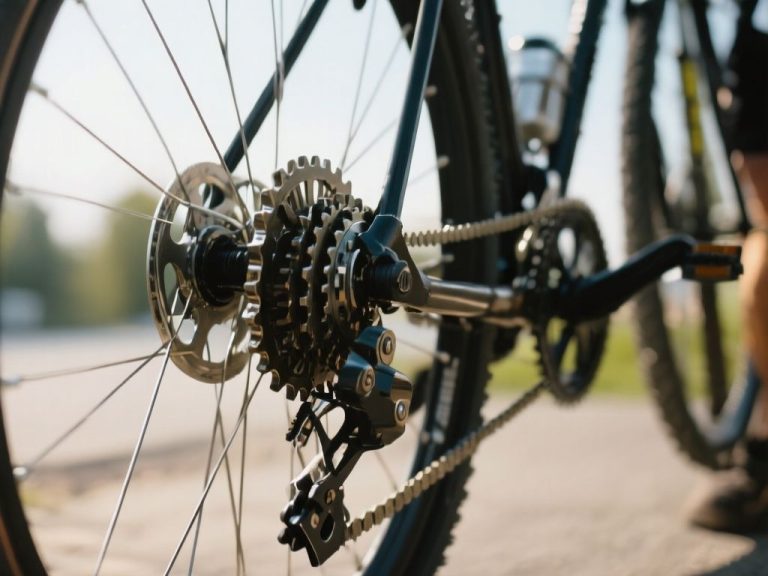
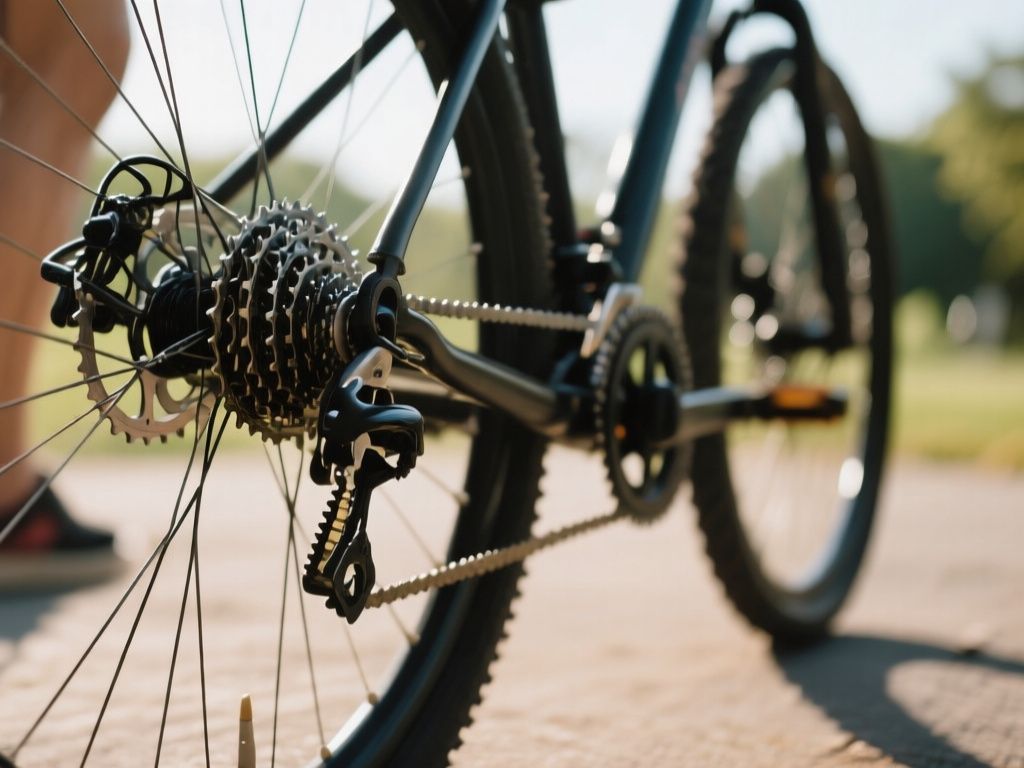
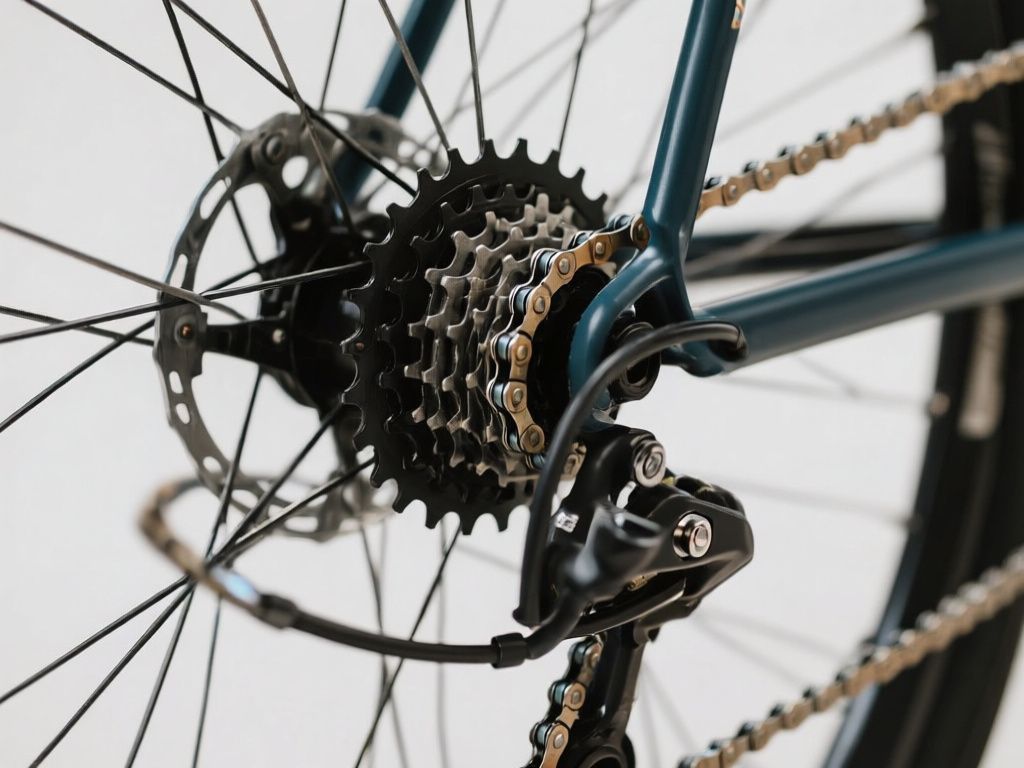
The gear system works through two main parts: chainrings at the pedals and sprockets on the rear wheel. The chain runs between them. A bike with two chainrings and ten rear sprockets, for example, has up to 20 possible gear combinations, although some combinations overlap and should be avoided.
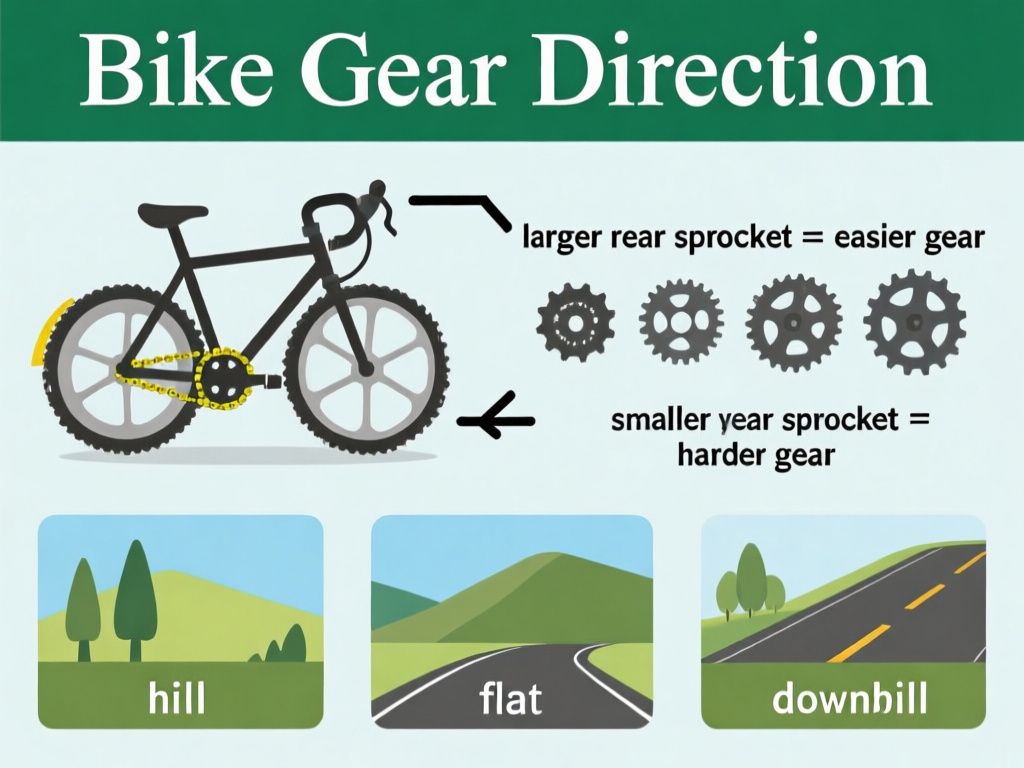
The front chainrings make the biggest change in resistance. The small chainring is easier for hills, starts, and slow riding; the large chainring suits faster riding on flat roads or descents. The rear sprockets allow finer adjustments. The largest rear sprocket is easiest, while the smallest rear sprocket is hardest.
| Gear position | What it feels like | Useful for |
|---|---|---|
| Small front chainring | Light resistance | Steep climbs, headwinds, gentle starts |
| Large front chainring | Heavier resistance | Fast flat riding, downhill sections |
| Large rear sprocket | Easiest rear gear | Hills and slow riding |
| Small rear sprocket | Hardest rear gear | Fast riding and descents |
How do you know when to shift?
Shift when your pedaling starts to feel too difficult or too easy. The goal is not to use a particular numbered gear; it is to keep your legs moving at a comfortable, reasonably steady rhythm.
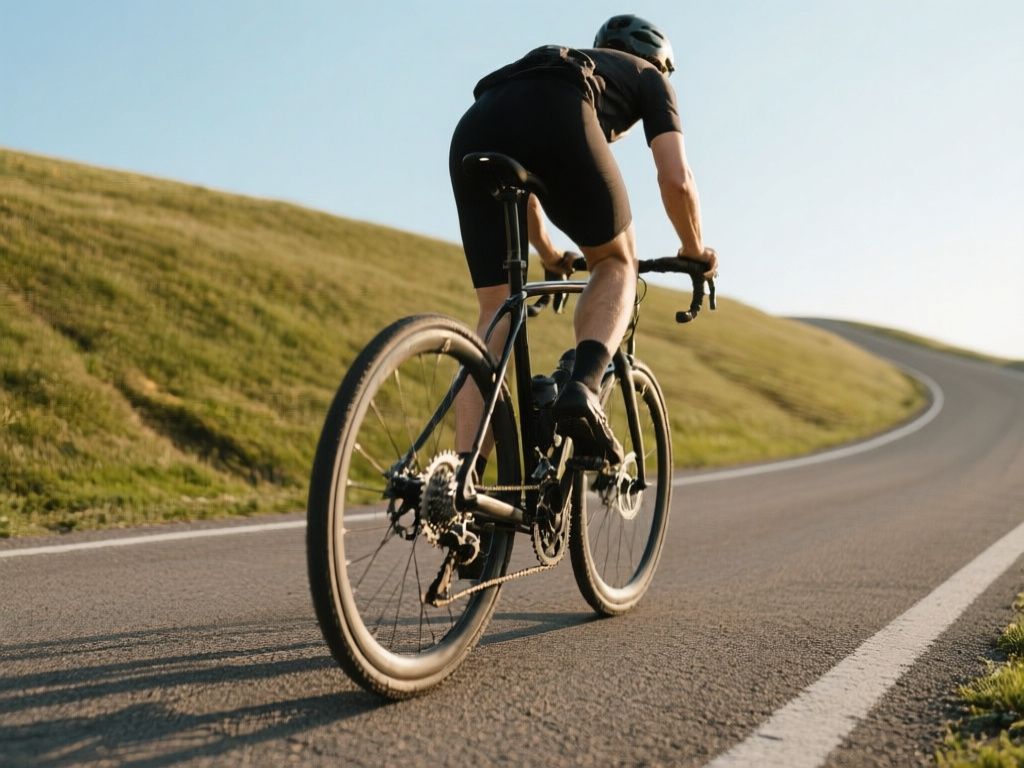
When a hill approaches, shift into an easier gear before the slope becomes steep. Waiting until your legs are already straining makes shifting harder and may force you to stop. A quick shift to a larger rear sprocket usually provides the first adjustment you need.
When your feet are spinning unusually fast on a flat road or downhill, shift into a harder gear. Choose a smaller rear sprocket, or move to the larger front chainring if you need a bigger increase in resistance.
Many riders aim for a cadence—the number of pedal revolutions per minute—somewhere around 70 to 100 on ordinary roads. There is no single correct number, and beginners do not need to count every revolution. A smooth rhythm with relaxed shoulders and no knee strain is a better starting point.
How do you use the left and right shifters?
On most multi-speed bikes, the right shifter controls the rear derailleur, and the left shifter controls the front derailleur. The derailleur is the mechanism that moves the chain from one sprocket or chainring to another.
The right shifter usually makes small, precise changes. Pressing or clicking it one way moves the chain toward larger rear sprockets and an easier gear. Clicking the opposite direction moves the chain toward smaller rear sprockets and a harder gear. The exact lever direction varies by bike, so check the gear indicators or test it gently while riding somewhere safe.
The left shifter makes larger changes. Moving to the small front chainring reduces resistance substantially. Moving to the large front chainring increases resistance and is useful when the road becomes faster or flatter.
A simple routine works well:
- Use the right shifter for small changes as the road rises or falls.
- Use the left shifter when you need a major change in resistance.
- After changing the front chainring, use the right shifter to fine-tune the gear.
Some bikes have internal hub gears, electronic shifting, or only one front chainring. Their controls differ, but the basic principle remains the same: select an easier gear for more resistance from the road and a harder gear when your legs are spinning too freely.
How should you shift on a hill?
Shift before the climb becomes difficult. As you approach a hill, reduce pressure on the pedals, click the right shifter toward an easier gear, and continue pedaling smoothly. If the hill steepens, make another small shift rather than forcing the pedals.
Reducing pedal pressure matters because the chain is moving between sprockets while you shift. Heavy pressure can produce loud clunks, slow the shift, or damage drivetrain parts over time. The bike still needs a little forward motion through the pedals, but the force should be light.
For a long or steep hill, move to the small front chainring before the steepest section. Then use the rear shifter to find a comfortable sprocket. Experienced riders often shift the front derailleur early, when the road is still manageable, rather than waiting until they are grinding at very low speed.
Standing on the pedals can help for a short, steep section, but sitting usually gives better control and saves energy over a longer climb. If the bike feels unstable or the pedals become too hard to turn, use an easier gear immediately—or walk the bike if necessary.
How should you shift on flat roads and downhill?
On flat ground, start in a moderate gear rather than the hardest available gear. As speed builds, shift one sprocket at a time toward harder gears. This approach keeps acceleration smooth and avoids putting unnecessary force through your knees.
On a descent, choose a gear that lets you keep pedaling lightly if the road is clear and safe. A gear that is too easy may leave your feet spinning without helping much. A gear that is too hard can make it difficult to accelerate if the descent ends or the road rises suddenly.
Braking takes priority on a downhill. Do not shift repeatedly while entering a bend, riding over rough pavement, or managing traffic. Set your speed first, keep both hands ready for braking, and make gear changes when you have a clear, stable line.
What is cross-chaining, and should you avoid it?
Cross-chaining means using an extreme combination of front and rear gears, such as the small front chainring with the smallest rear sprocket or the large front chainring with the largest rear sprocket. In these positions, the chain runs at a sharp angle.
A small amount of cross-chaining will not instantly ruin a bike, but frequent use can create extra noise, friction, and wear. The rear derailleur may also struggle to take up the chain correctly.
Use these combinations instead:
- With the small front chainring, choose the middle or larger rear sprockets.
- With the large front chainring, choose the middle or smaller rear sprockets.
- When moving between front chainrings, shift the rear derailleur afterward to regain a comfortable rhythm.
Some modern drivetrains are designed to tolerate more gear combinations than older systems, but the chain-angle principle still applies. If the drivetrain becomes noticeably noisy, select a nearby gear combination with a straighter chain line.
What mistakes do new riders commonly make?
The most common mistake is waiting too long to shift. A rider reaches a hill, keeps pushing a hard gear, and then tries to make several changes under heavy pressure. Early, smaller shifts feel smoother and put less stress on the drivetrain.
Another mistake is treating the hardest gear as automatically better. Hard gears are useful for speed, but they are not efficient when the road is steep or the rider is struggling. Grinding slowly in a hard gear can fatigue the legs and place more strain around the knees.
Rapidly clicking through every gear is also unnecessary. Shift once, pedal for a moment, and assess the result. If the gear still feels wrong, shift again. This pause helps prevent overshooting the comfortable range.
Many riders also forget to ease off the pedals while shifting. A light, continuous pedal stroke is better than either extreme: stopping completely or pressing hard. On an electric bike, reduce motor assistance or pedal pressure briefly if the system recommends it, since high motor torque can make shifting harsh.
How can you practice changing gears?
A quiet, flat road or empty parking area is a good place to practice. Start in a moderate gear and ride slowly enough to concentrate on the controls. Shift one click at a time and listen for a clean, quick chain movement.
Practice these three situations:
- Shift to an easier rear gear while maintaining light pedal pressure.
- Shift to a harder rear gear as your feet begin spinning too quickly.
- Shift the front chainring, then make a rear-gear adjustment to smooth out the change.
Look ahead rather than staring at the shifters. Road signs, pedestrians, potholes, and vehicles deserve more attention than the gear display. With repetition, the sound and feel of the drivetrain usually tell you when a shift is needed.
What should you do if shifting feels rough?
First, check whether you are putting too much force on the pedals. Rough shifting under heavy pressure may be normal, while rough shifting with light pressure can point to a maintenance issue.
Common causes include a stretched or dirty cable, a worn chain, a bent derailleur hanger, incorrect derailleur adjustment, or a dirty drivetrain. A chain that skips, refuses to reach certain gears, or repeatedly drops deserves attention rather than continued force.
Clean the chain and lubricate it with bicycle-specific chain lubricant, wiping away excess oil afterward. Household oils can attract grit and create a messy abrasive paste. If adjustment is unfamiliar, a bicycle shop can inspect the shifting quickly and identify worn parts before they damage newer components.
Frequently Asked Questions
Which bike gear should I use on a flat road?
Use a moderate gear that lets you pedal smoothly without straining or spinning excessively. Start easier, then shift toward harder gears as your speed increases. The best choice depends on your fitness, wind, road surface, and bicycle.
Which gear is easiest for going uphill?
The easiest setup is the small front chainring combined with one of the larger rear sprockets. Shift into it before the hill becomes steep, and keep pedal pressure light while the chain moves.
Should I shift while standing on the pedals?
It is usually smoother to shift while seated because seated pedaling makes it easier to reduce pressure on the chain. If you must shift while standing, keep the change small and briefly ease your force on the pedals.
Why does my bike make a clicking noise when I shift?
A brief click is normal, but repeated grinding, clattering, or hesitation may indicate cable tension, derailleur adjustment, chain wear, or a bent component. Avoid forcing the shifter and have the drivetrain checked if the noise continues.
Can I shift gears while stopped?
Most derailleur gears only change while the chain and pedals are moving. If a stop is approaching, shift into an easier gear before stopping so you can start comfortably. Internal hub gears are an exception and can often shift while stationary.
How often should I change gears?
Change gears whenever the road or your pedaling rhythm changes. On rolling terrain, that may mean several small shifts within a few minutes. Smooth, early adjustments are preferable to waiting until your legs are already exhausted.

Olivia
Writer at Helmet Today, covering helmet reviews, fit and riding safety.