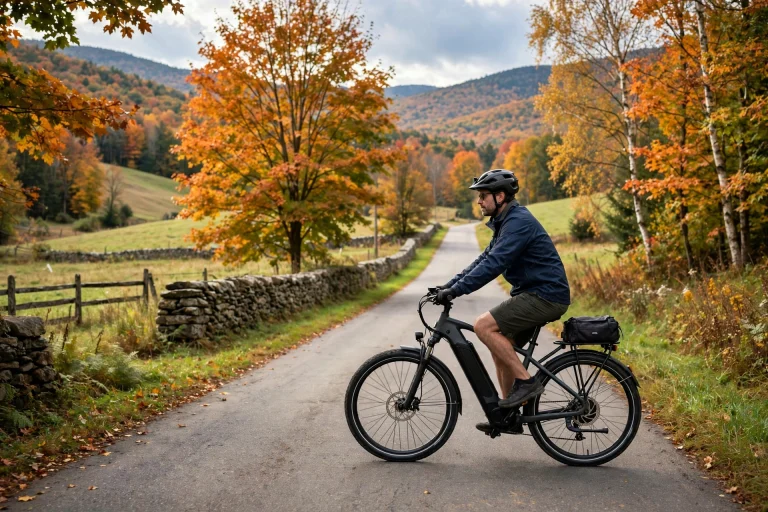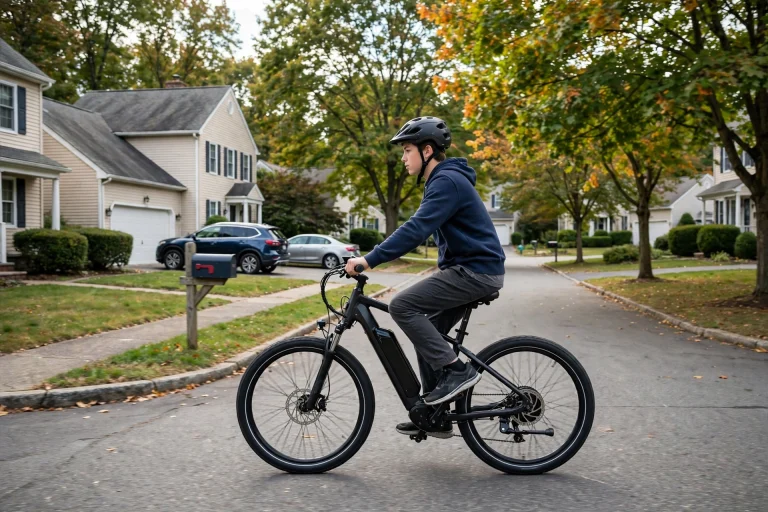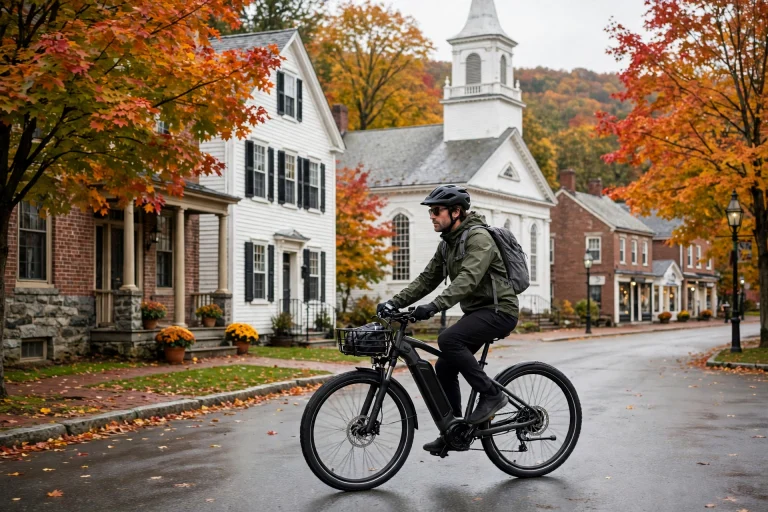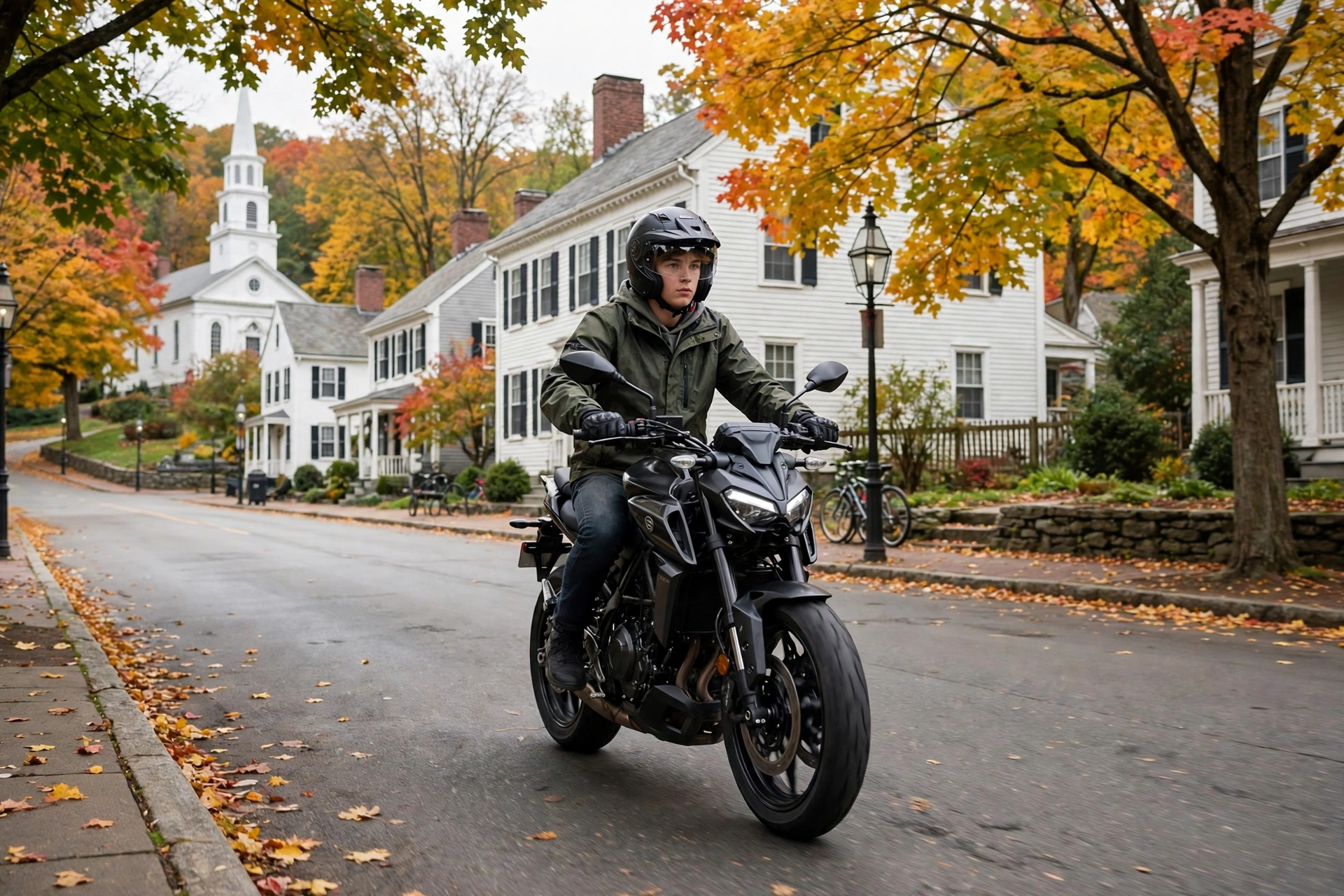
In Connecticut, a helmet is required if you are under 18, whether you are riding or a passenger, and also if you are operating on a learner’s permit at any age. Riders and passengers aged 18 or over who hold a full motorcycle license are not required by state law to wear a helmet.
Connecticut sits in the middle of the national picture: it is a partial helmet law state, with the age requirement set at under 18. The state also has an eye protection rule that applies to almost everyone. Here is how the age requirement, the permit rule, and the eye protection rule work in practice.
Who Must Wear a Helmet Under Connecticut Law?
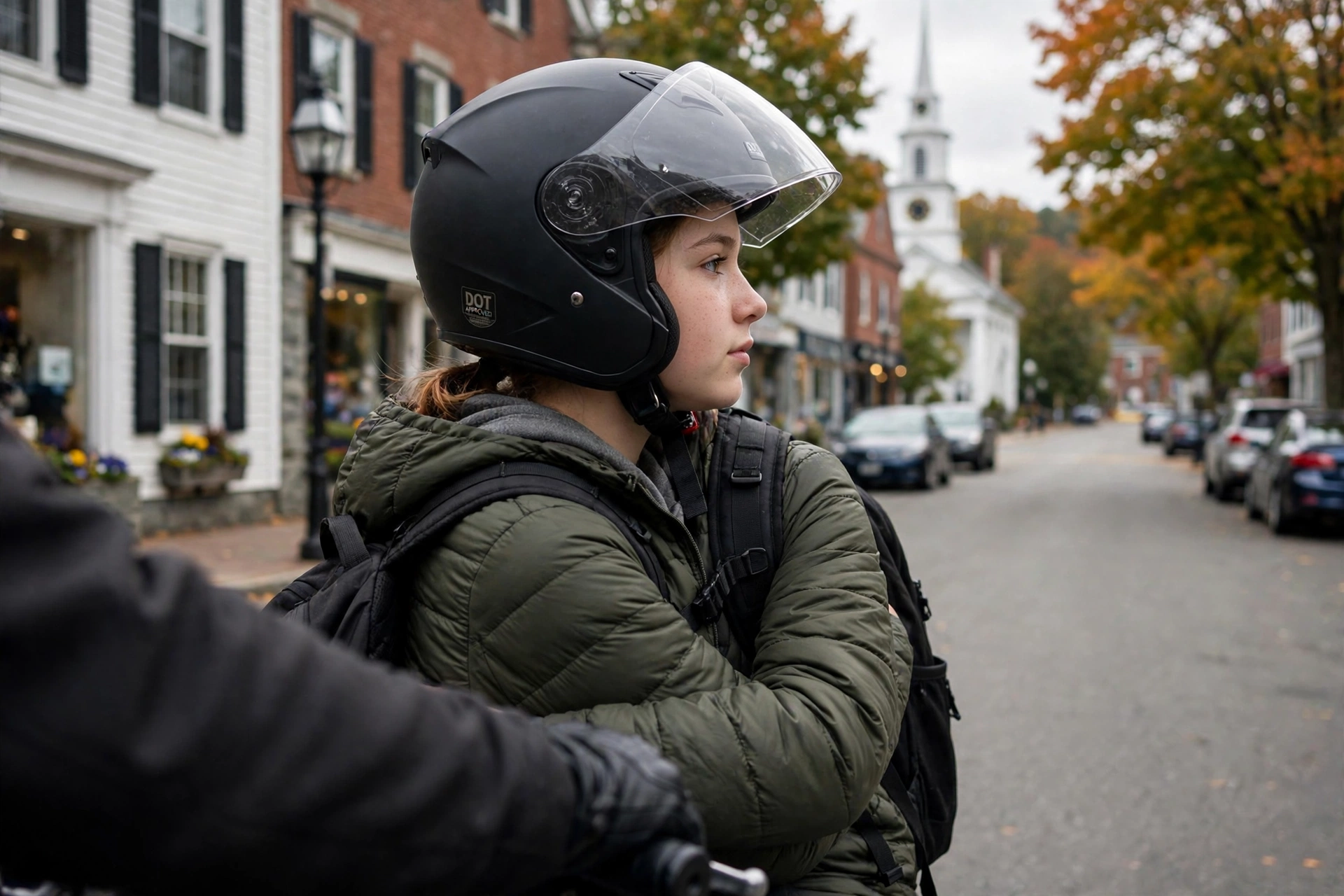
Two groups must wear an approved helmet in Connecticut. The first is anyone under 18 years old. That includes young operators and, just as importantly, young passengers. If your passenger is 16 or 17, they must be helmeted even if you, the adult operator, legally ride without one.
The second group is anyone operating a motorcycle on a learner’s permit, regardless of age. A 35-year-old new rider learning on a permit must wear a helmet on every ride until they pass the test and hold the full endorsement. Once that rider is licensed and over 18, the legal requirement falls away, although the safety reasons for wearing one do not.
Everyone else — licensed operators and passengers aged 18 and over — may choose. Connecticut does not have a universal helmet law for adults, and there is no insurance or experience-based exemption system like some other partial-law states use; the split is simply age and permit status.
Does Connecticut Require Eye Protection for All Riders?
Yes, in most cases. Connecticut requires eye protection — goggles, glasses, or a face shield — for riders unless the motorcycle is equipped with a windshield. This rule applies to adult riders who are not required to wear a helmet, which is exactly the group most likely to be caught out by it.
In practice, that means an adult riding helmet-free in Connecticut still needs proper riding eyewear. A helmet with a flip-up shield satisfies both jobs at once for riders who wear one, and dedicated riding glasses are the usual answer for those who do not. Ordinary fashion sunglasses offer poor coverage against wind and debris, so purpose-built eyewear is the better choice on both safety and compliance grounds.
What Counts as an Approved Helmet in Connecticut?
Where a helmet is required, it must be an approved motorcycle helmet that meets federal safety standards — in practice, a DOT-compliant helmet with proper labeling. Novelty helmets and thin “beanie” shells that are sold as fashion items do not meet the standard and will not satisfy the law for a minor or a permit holder.
Fit matters as much as the label. The helmet should sit level, feel snug all the way around, and stay in place when the strap is fastened. For teenagers, check fit regularly: a helmet that was right at 15 may be too small a year later, and a loose helmet protects poorly even when it is technically being worn.
If you are comparing how states set these rules, our overview of helmet laws by state shows where Connecticut’s under-18 rule sits next to universal-law neighbours like Massachusetts, New York, and New Jersey, all of which require helmets for every rider.
What Happens If a Minor Rides Without a Helmet in Connecticut?
Riding without a required helmet is a traffic violation in Connecticut. For a minor, the operator carrying them can also face responsibility, since the adult in charge of the motorcycle put an unhelmeted under-18 passenger on it. Fines for this type of violation vary by court and by the circumstances, so there is no single figure that applies to every case.
For permit holders, the stakes can be higher than the fine itself. A violation while learning can complicate the licensing process and delay a full endorsement. The simple habit to build from day one is helmet on, strap fastened, every ride — it keeps a new rider legal in every state, not just Connecticut.
Parents should also know that the rule follows the rider, not the motorcycle’s owner. A borrowed bike, a friend’s motorcycle, or a family machine all carry the same under-18 requirement.
Should Adult Riders in Connecticut Wear a Helmet Anyway?
Legally optional is not the same as advisable. Connecticut roads mix dense traffic corridors, busy interstates, and rural two-lane routes, and crashes can happen on any of them. A DOT-approved helmet is the single most effective piece of protective gear a rider can wear, and it doubles as your eye protection and weather protection.
There is also a practical border issue. Connecticut is surrounded by states with universal helmet laws: ride into Massachusetts, New York, or New Jersey and a helmet becomes mandatory for everyone on the bike, adults included. Only Rhode Island, which has a partial law centred on passengers and younger riders, is more relaxed. Keeping a helmet with the bike makes cross-border trips simple.
Whatever you choose, make sure your under-18 passengers and any permit-holding riders in your group are properly helmeted before you set off. That part is not a choice under Connecticut law.
How Should Families Handle the Under-18 Rule in Practice?
For families, the rule is easiest to manage when the helmet is treated as part of the motorcycle rather than as a decision made before each ride. Keep a properly fitting, approved helmet stored with the bike for every under-18 rider or passenger in the household, and check the fit every few months — growing teenagers can outgrow a helmet well before it looks worn out. A helmet that has been dropped hard, crashed, or simply used for several seasons should be replaced, because the protective foam does its job once and then loses effectiveness.
It also helps to set the expectation early: in Connecticut, a young person who rides helmeted by law until 18 builds the habit at exactly the age when they are learning to ride. When the legal requirement ends on their eighteenth birthday, the choice becomes theirs — but by then, wearing a helmet simply feels like part of riding, which is precisely the outcome the law is designed to encourage.
Frequently Asked Questions
What is the helmet age requirement in Connecticut?
Anyone under 18 must wear a helmet in Connecticut, as a rider or a passenger. Riders operating on a learner’s permit must also wear one at any age.
Do adults have to wear a motorcycle helmet in Connecticut?
No. Licensed riders and passengers aged 18 and over are not required to wear a helmet, but eye protection is required unless the motorcycle has a windshield.
Can a 17-year-old passenger ride without a helmet in Connecticut?
No. Passengers under 18 must wear an approved helmet, even if the adult operator is legally riding without one.

Olivia
Writer at Helmet Today, covering helmet reviews, fit and riding safety.