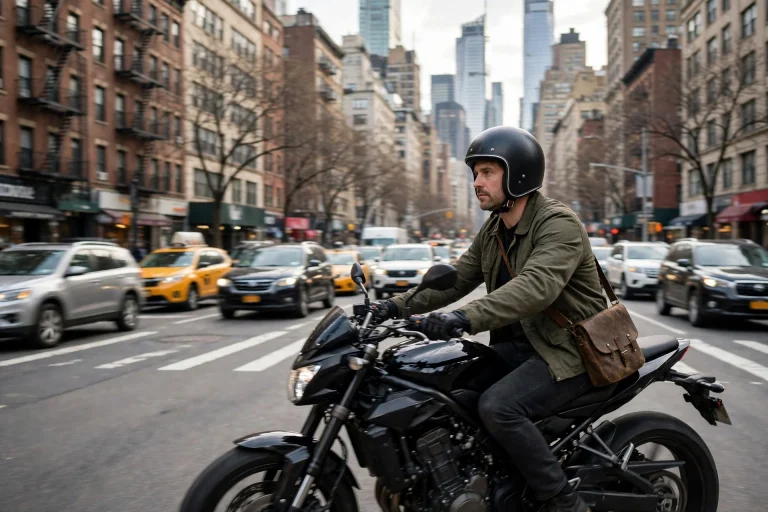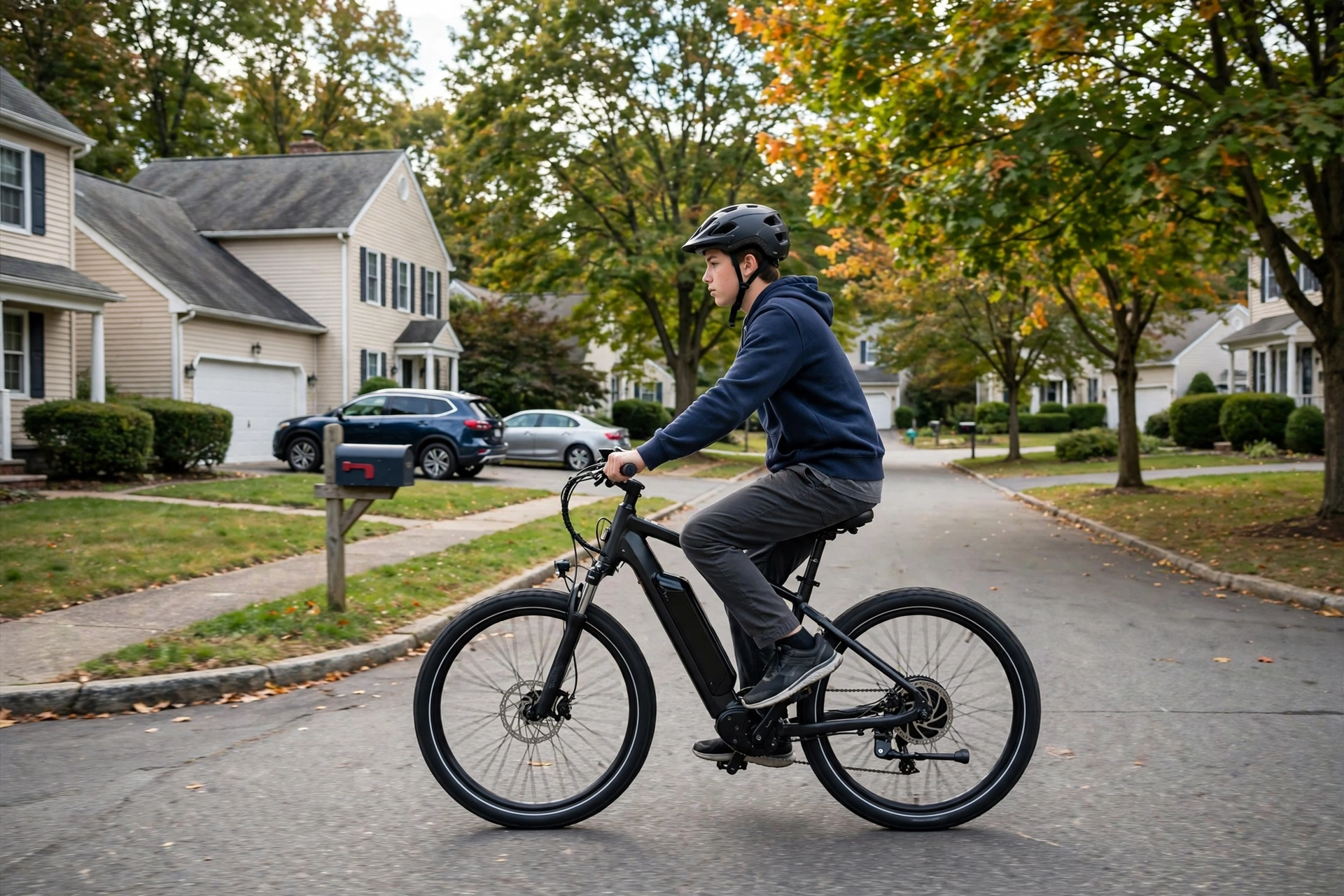
In New Jersey, the helmet rule for e-bikes depends on the machine. On a low-speed electric bicycle, riders under 17 must wear a helmet — that is the same age cutoff as New Jersey’s regular bicycle helmet law — while adults are not required by state law to wear one. But step up to a faster motorized bicycle in the moped class, and the picture changes completely: a helmet is required for riders of all ages, along with licensing and registration requirements.
Because “e-bike” covers everything from a gentle pedal-assist commuter to a throttle machine that behaves like a small motorcycle, classifying your specific bike correctly is the whole ballgame. Here is how New Jersey draws the lines and how to stay on the right side of them.
How Does New Jersey Classify Electric Bikes?
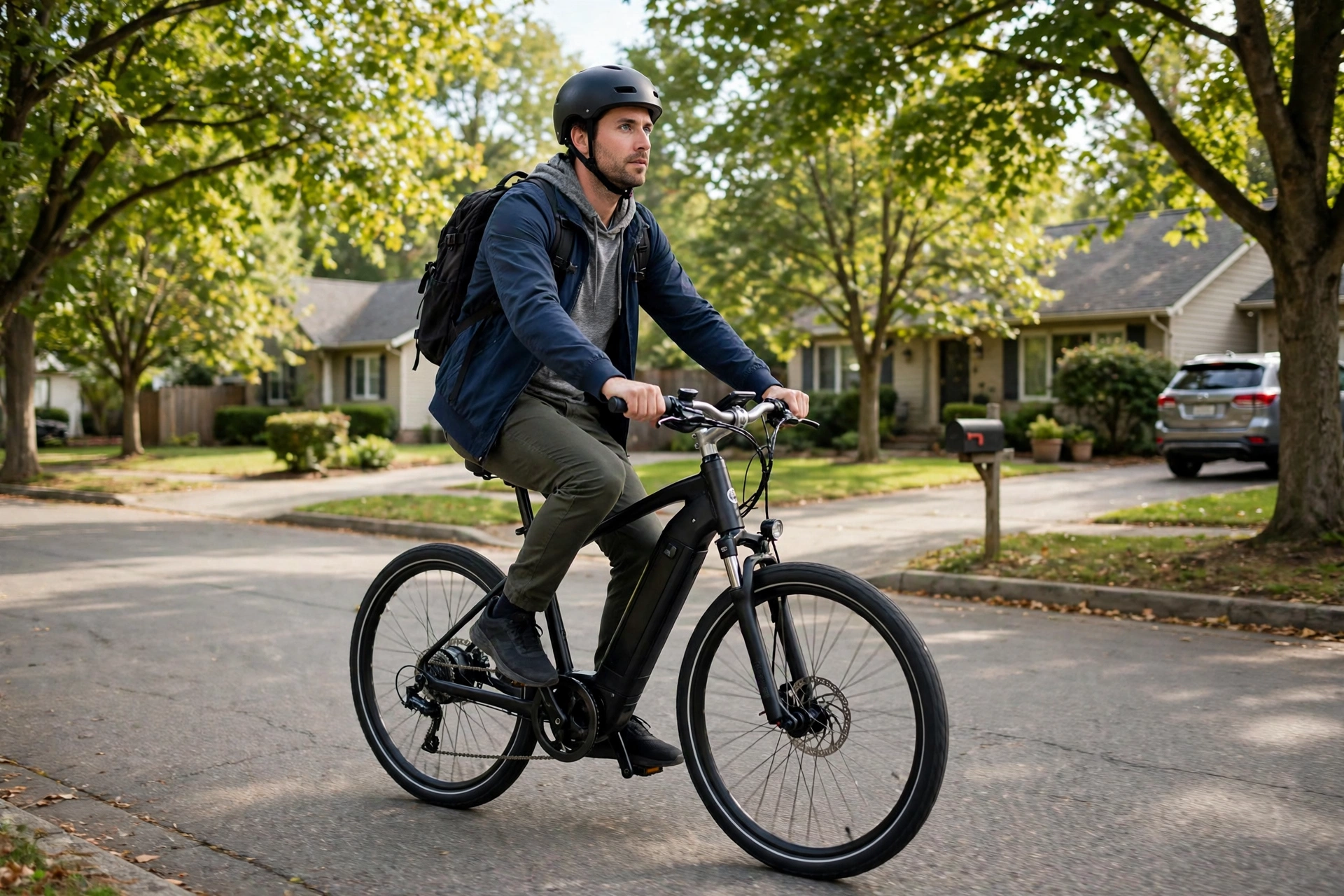
New Jersey law recognizes a category of low-speed electric bicycles: bikes with operable pedals and a modest electric motor that assists at the lower speeds typical of bicycle travel. These machines are treated much like ordinary bicycles in New Jersey — no driver’s license, registration, or insurance is required to ride one, and the helmet rules follow the bicycle rules too.
Above that category sits the motorized bicycle — the moped class. Machines that are faster, more powerful, or lack the low-speed e-bike characteristics fall into this group, and New Jersey regulates them more like motor vehicles. Riders need a license (a moped license or a basic driver’s license), the machine needs registration and insurance, and helmet use is mandatory for everyone.
The practical test for your bike: how fast does the motor take it, does it have fully operable pedals, and how did the manufacturer classify and label it? Keep the documentation that came with the bike. If your machine sits near the boundary, treat the classification question seriously — it determines not just the helmet rule but whether you are riding legally at all. Our overview of helmet laws by state shows how widely these classifications vary once you leave New Jersey.
Who Must Wear a Helmet on a Low-Speed E-Bike in New Jersey?
Riders under 17 — operators and passengers alike. New Jersey’s bicycle helmet law, which applies to these e-bikes, requires anyone under the age of 17 to wear a properly fitted, fastened helmet when riding on public roads and paths. A parent handing a 15-year-old the keys to a pedal-assist bike should treat the helmet as part of the bike, not an accessory.
Adults riding low-speed e-bikes are not required by state law to wear a helmet, the same as adults on conventional bicycles in New Jersey. That is the legal position, and it is worth saying plainly because it surprises people who move from states with different rules.
Legal and wise are different standards, though. E-bikes sustain higher speeds than most riders manage on pedal power alone, and they are heavier than acoustic bikes, which changes how crashes feel. Head injuries remain the leading cause of serious cycling harm at any age. Many adult New Jersey e-bike riders wear a helmet for exactly the same reason they would on a motorcycle at similar speeds — the pavement does not check your vehicle’s classification before you land on it.
What Changes With a Moped-Class Motorized Bicycle?
Almost everything. Once a machine falls into New Jersey’s motorized bicycle (moped) category, the helmet rule becomes universal: every rider wears a helmet, regardless of age. The state also expects the operator to be licensed, the machine to be registered and insured, and the rider to follow the rules that apply to that vehicle class rather than the bicycle rules.
This is where riders get into trouble innocently. Powerful e-bikes sold online — throttle-driven, capable of speeds well beyond bicycle territory — may be motorized bicycles under New Jersey law even if the seller marketed them as e-bikes. Riding one helmetless, unlicensed, and unregistered stacks several violations on top of one another, and “the website called it an e-bike” is not a classification the law recognizes.
If you are shopping, match the machine to the rules before you buy, not after a stop. Retailers selling genuine low-speed e-bikes can usually show you the classification documentation. For anything stronger, budget and plan for the moped requirements, helmet included, from day one.
Can New Jersey Towns Add Their Own E-Bike Helmet Rules?
Local rules are a real factor in New Jersey. Towns and counties can regulate where e-bikes and bicycles may be ridden — boardwalks, shared paths, parks, and school zones are common examples — and local ordinances and park rules can impose conditions beyond the state baseline in the places they govern. Popular shore towns, in particular, have active rules about bikes and e-bikes on boardwalks and busy streets that change with the season.
The safest approach for any New Jersey e-bike rider: know the state rule for your bike’s class, then check the ordinances of the towns you actually ride in, especially for boardwalks, trails, and campuses. Rental fleets often impose their own helmet policies by contract, which apply to you regardless of what the law requires.
Rules also evolve. E-bike legislation has been an active topic in statehouses across the country, New Jersey’s included, and classifications and age rules have been revisited repeatedly in recent years. If you are relying on this summary for a purchase or a family decision, a quick check of the current New Jersey motor vehicle and bicycle guidance before you ride is time well spent.
What Helmet Should a New Jersey E-Bike Rider Wear?
For riders who must wear one — everyone under 17 on a low-speed e-bike, and everyone of any age on a moped-class machine — the helmet should be a genuine certified bicycle or motorcycle helmet as appropriate to the vehicle class, properly fitted and fastened. A bicycle helmet should carry the CPSC certification for bicycle use; a helmet for a motorized bicycle should be a proper motorcycle helmet meeting the federal standard.
Fit is where protection is won or lost. The helmet should sit level, about two finger-widths above the eyebrows, snug without pain, with straps forming a V under each ear and the chin strap tight enough to allow only a finger or two beneath it. A helmet that slides around or tips back is decoration, not protection — and an unfastened helmet does not satisfy the under-17 rule.
For adult e-bike riders who choose to wear one voluntarily, consider a helmet rated for higher-impact use if your riding involves sustained higher speeds, traffic mixing, or e-MTB trails. Manufacturers increasingly sell e-bike-specific helmets built to extended standards. Whatever you pick, replace it after any crash, and never buy a used helmet whose history you cannot verify.
Frequently Asked Questions
Do adults have to wear a helmet on an e-bike in New Jersey?
Not on a low-speed electric bicycle — state law does not require helmets for adult riders of that class, though wearing one is strongly advisable. On a moped-class motorized bicycle, helmets are required for riders of all ages.
What is the e-bike helmet age in New Jersey?
Under 17. New Jersey’s bicycle helmet law applies to low-speed e-bikes, so operators and passengers under 17 must wear a properly fitted, fastened helmet on public roads and paths.
How do I know if my e-bike counts as a moped in New Jersey?
Look at its speed capability, power, and manufacturer classification. Machines that exceed the low-speed e-bike characteristics are treated as motorized bicycles, which means license, registration, insurance, and a helmet for every rider. Keep your bike’s documentation and check current state guidance if you are unsure.

Olivia
Writer at Helmet Today, covering helmet reviews, fit and riding safety.