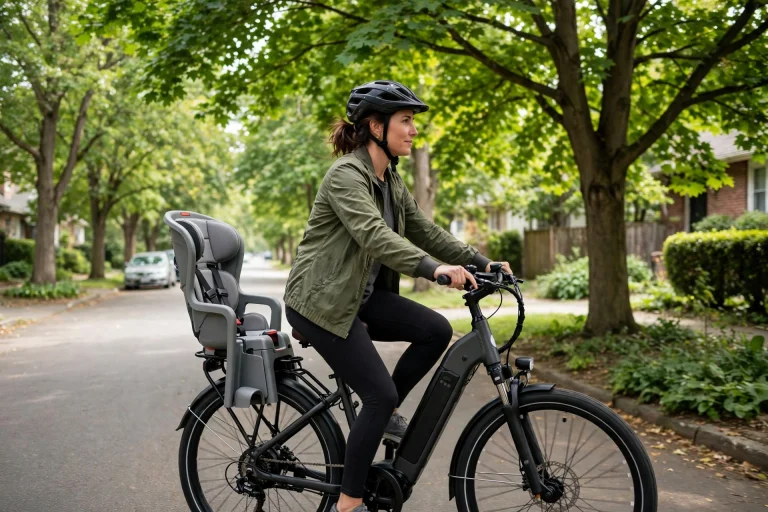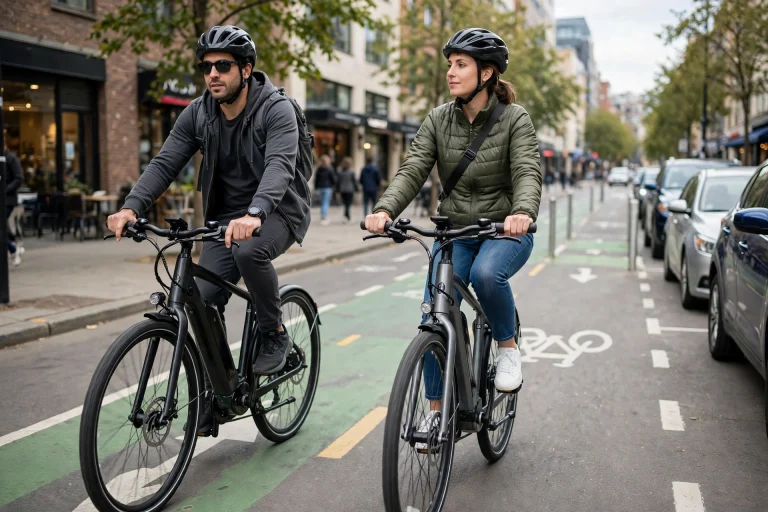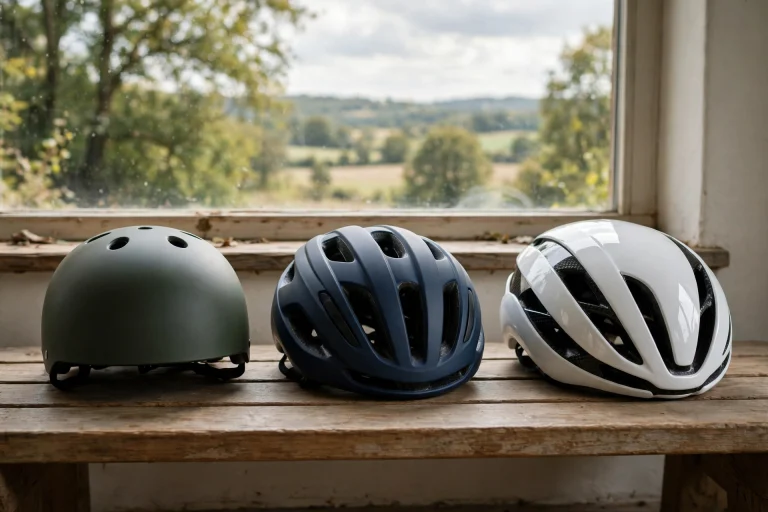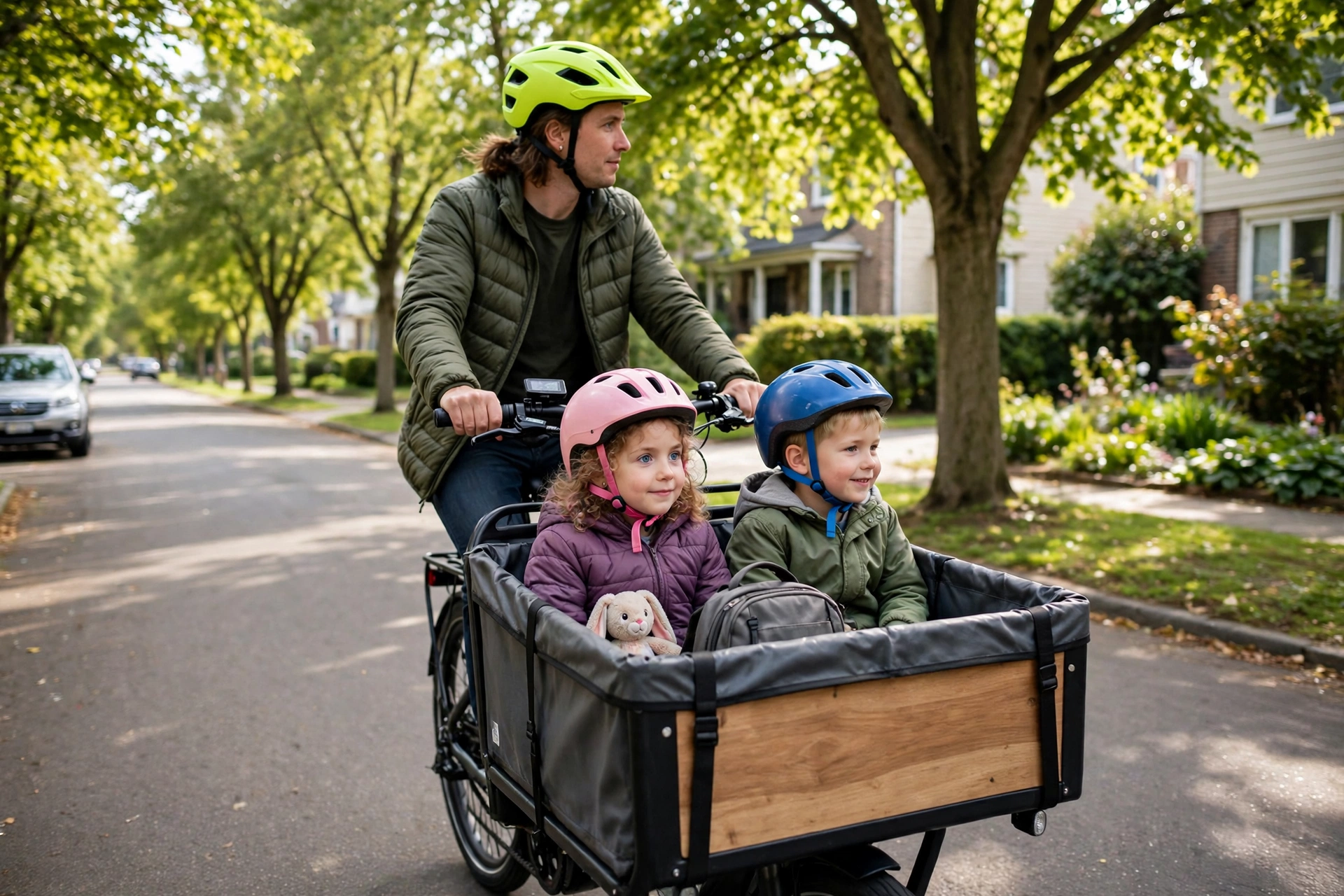
Yes — if you ride a cargo e-bike with your kids, you should wear a helmet yourself, and the best choice is a certified, snug-fitting helmet in a bright or light color with good coverage, one you can put on fast and correctly every single trip. Your children should be helmeted too, where their seats and local rules call for it. Cargo bikes are stable and comparatively slow, but they are heavy, they carry your most precious load, and falls still happen.
Parents ask about cargo bike helmets differently than other riders — the questions are about the kids in front, quick school-run routines, and being seen. This guide answers in that order.
Why Do Cargo Bike Parents Specifically Need a Helmet?
A loaded cargo e-bike is a heavy machine, and its weight cuts both ways. It feels planted and confidence-inspiring, but if it does go over — a low-speed tip on a cambered driveway, a wheel caught in a tram track or drain grate, a wobble while maneuvering at walking pace — it goes over with real mass, and the rider comes off from a height onto hard ground.
The riding pattern adds risk, too. Cargo parents ride in school-run traffic at the busiest hour, stop and start constantly, look back at children, twist around at junctions, and ride distracted in ways no commuter would accept — because a small voice from the box is asking for a snack. None of that is carelessness; it is parenting. It is also exactly the riding style where a helmet quietly earns its place, trip after trip.
There is a modeling argument as well. Children who see a helmet on their parent every ride absorb it as simply what riding looks like. The reverse is also true, and much harder to undo later: kids notice when the helmet rule applies to them but not to you.
What Should You Look for in a Cargo Bike Helmet?
Start with the same foundation as any helmet: certification (CPSC in the US, EN 1078 in Europe) and a snug, level fit. Then weight the features that matter for this specific job:
- Visibility: bright or light colors, reflective details, and ideally an integrated or clip-on rear light — you ride in peak traffic, often in low morning light.
- Coverage: many urban and e-bike helmets extend lower at the back and sides, a sensible match for upright riding and higher average speeds under electric assist.
- Easy, one-handed adjustment: a dial fit system you can cinch with one hand while the other steadies the bike is worth real money on a school morning.
- A visor or brim for low sun and light rain, since your hands are busier than a solo rider’s.
- Ventilation you can live with: cargo bikes are heavy work at low speed even with assist, and a stuffy helmet gets left behind.
Some cargo parents also consider e-bike-rated helmets (the Dutch NTA 8776 standard) because assist keeps speeds higher for longer. It is a reasonable upgrade where available. Rotational systems such as MIPS are another worthwhile option to look for while comparing models.
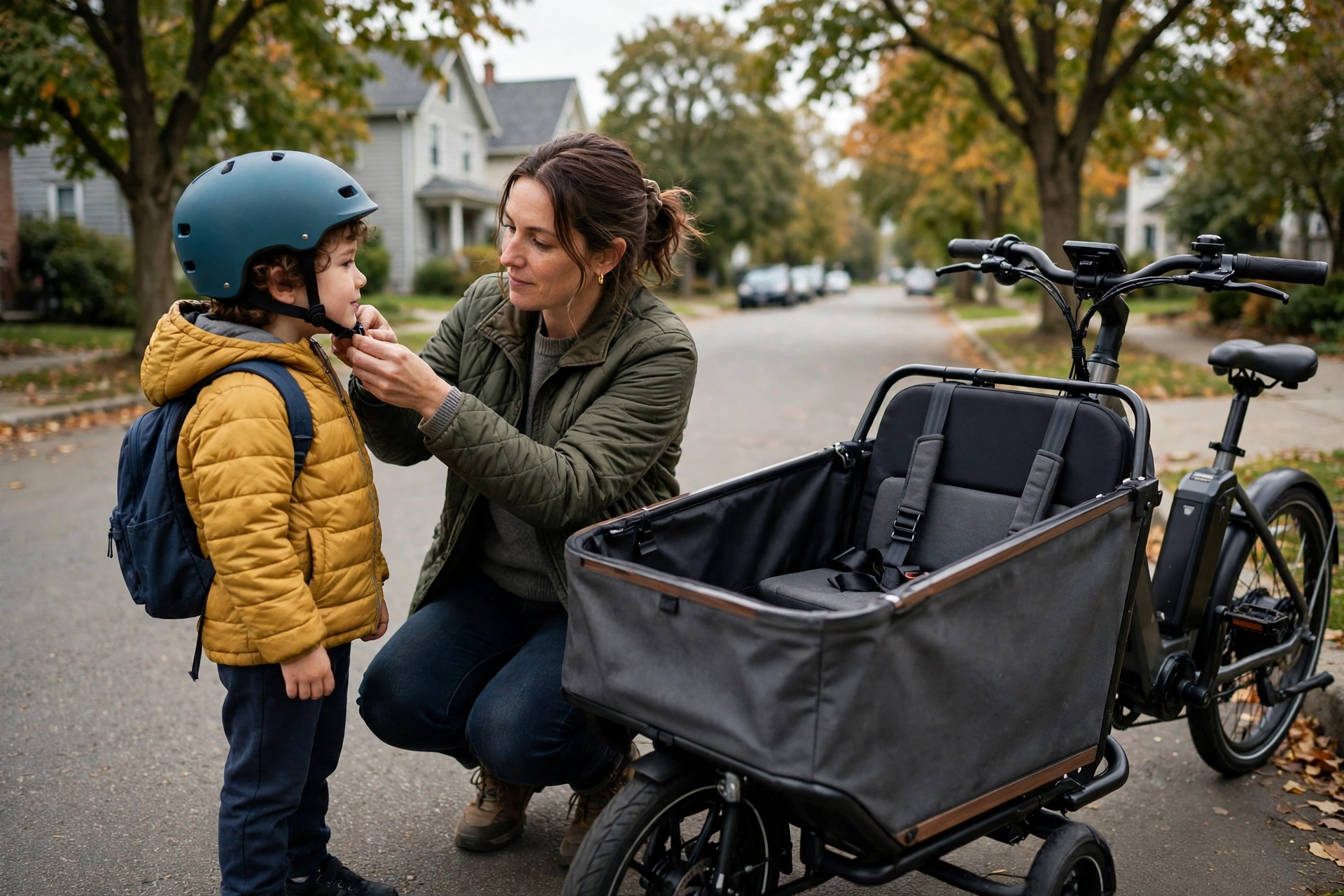
What About Helmets for the Kids in the Box or Seat?
Your passengers need the same seriousness. Children carried in a front box typically sit low, surrounded by the box structure, while children in a rear child seat sit higher and more exposed. Either way, a properly fitted, certified children’s helmet is the sensible default, and some places and seat manufacturers require or recommend one — check your seat or bike maker’s guidance and your local rules.
Fit rules for kids mirror adults’, with extra emphasis on size honesty: measure the child’s head, use the maker’s chart, and never buy a size to grow into. A child helmet should sit level and snug, with the strap fastened under the chin — not dangling loose, which is the most common real-world failure. For children in a box, also confirm the helmet does not push against a headrest or the box edge and tip forward over their eyes; adjust seating position if it does. Replace any child helmet after a fall where it struck something, and re-check fit every few months — children outgrow helmets faster than any other gear they own.
How Do You Make Helmet-Wearing Stick on Busy Mornings?
The best helmet is the one that is on your head at 8 a.m. in the rain, so design the routine, not just the purchase:
- Store helmets with the bike — yours and the kids’ together, in the same spot, every day. A helmet kept in a hallway closet loses to a helmet hanging by the cargo bike.
- Adjust straps once, properly, then only check them. If every ride starts with five minutes of fiddling, corners will get cut.
- Let kids choose colors and stickers (on the shell surface only, and never covering vents or straps). Ownership ends most helmet arguments.
- Be the example, every trip — including the two-minute ride to the corner shop. “Just this once” is the lesson children actually learn.
Keep a spare set of gloves and a cloth by the helmets for wet mornings, and wipe straps and pads down regularly — school-run helmets live hard lives, and salt, sunscreen, and snack residue build up fast.
When Should You Replace a Cargo Bike Helmet?
Replace your helmet after any crash or fall in which it hit the ground or another object, even if it looks undamaged — the foam liner crushes invisibly. Replace it when straps fray, the buckle stops clicking positively, the fit system slips, or the pads have packed down so far the helmet rocks despite adjustment. Age counts too: follow the maker’s service-life guidance, and be honest about sun and sweat exposure on a helmet used twice daily.
The same discipline applies to the children’s helmets, plus growth: if the helmet rides up, leaves red marks quickly, or the dial is at its limit, it is done. A cargo bike family goes through helmets faster than solo riders do — more trips, more drops on pavement, more growth. Budget for that rhythm and it stops being a surprise. What does not change is the standard: certified, snug, and worn on every ride, by everyone on the bike.
Frequently Asked Questions
Q: Do children in a cargo bike box legally need helmets?
A: Rules vary by country and state, and bike and seat makers have their own guidance. Regardless of the legal minimum, a fitted, certified helmet is the sensible default for child passengers — check your local rules and your seat manufacturer’s instructions.
Q: Cargo bikes are slow and stable — do I really need a helmet myself?
A: Yes. Most cargo bike falls are low-speed tips and maneuvers gone wrong, and the rider still falls from full height onto pavement — with a heavy bike involved. Add peak-hour traffic and parent-level distraction, and the case is strong.
Q: What color helmet is best for cargo bike parents?
A: Bright or light colors with reflective details are easiest for drivers to see in morning and evening traffic. An integrated or clip-on rear light adds an eye-level visibility boost, but it supplements — never replaces — your bike’s lights.

Olivia
Writer at Helmet Today, covering helmet reviews, fit and riding safety.