The most reliable way to get a toddler to wear a helmet happily is to make it normal before it is necessary: let your toddler choose the helmet, practice wearing it at home in short, praised sessions, wear your own helmet every ride, and treat “helmet on” as a simple rule of riding — like shoes to go outside.
Almost every parent of a two- or three-year-old has watched a helmet get ripped off and thrown within ten seconds of the first try-on. That reaction is normal, and it is almost never about the helmet itself — it is about something new, strange-feeling, and imposed. This guide covers the low-pressure routine that turns helmet battles into a habit most toddlers accept within a week or two.
Why Do Toddlers Resist Helmets in the First Place?
A helmet feels odd: it adds pressure around the head, changes how sounds reach the ears, adds a strap under the chin, and appears suddenly at the exact moment your toddler wants to get moving. Toddlers protest new sensations and delays on principle, and a first fitting done in a hurry — in a shop, or at the trailhead with the bike waiting — stacks everything against you.
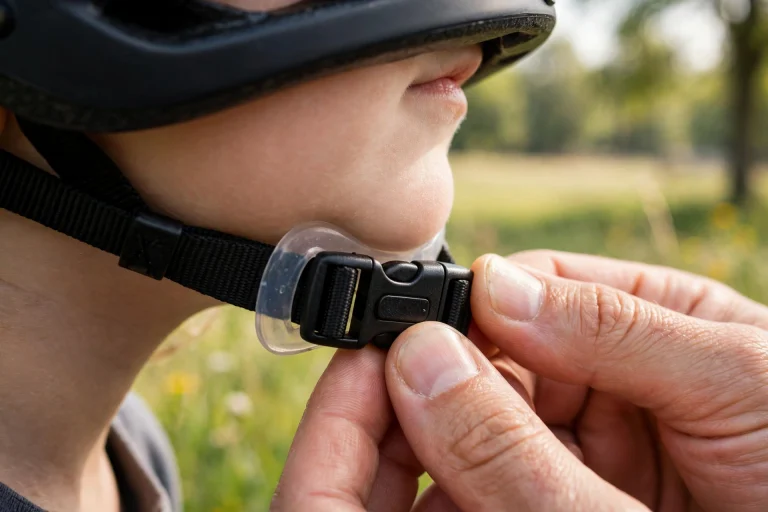
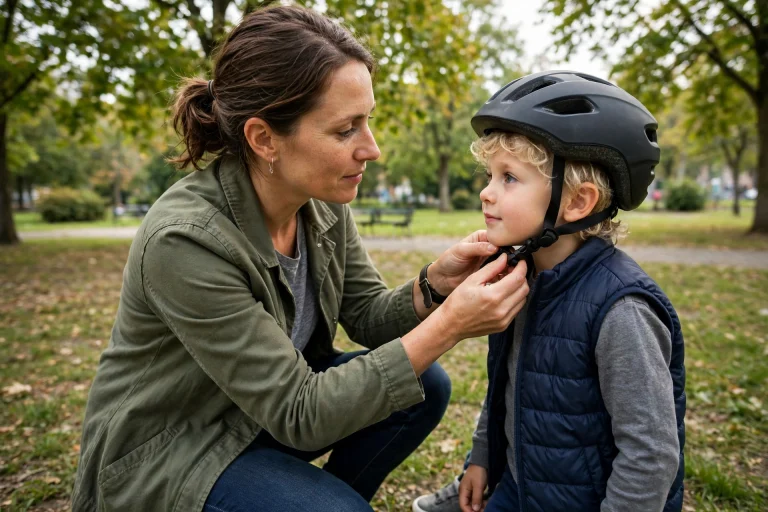
There can also be a genuinely bad fit hiding behind the protest. A helmet that pinches, wobbles, or has a strap that nips the skin under the chin gives a toddler a real reason to object. Before working on behavior, check the fit: the helmet should sit level and snug without rocking, and the buckle should close without catching skin — many toddler helmets offer buckle guards for exactly this reason.
How Does Letting a Toddler Choose the Helmet Help?
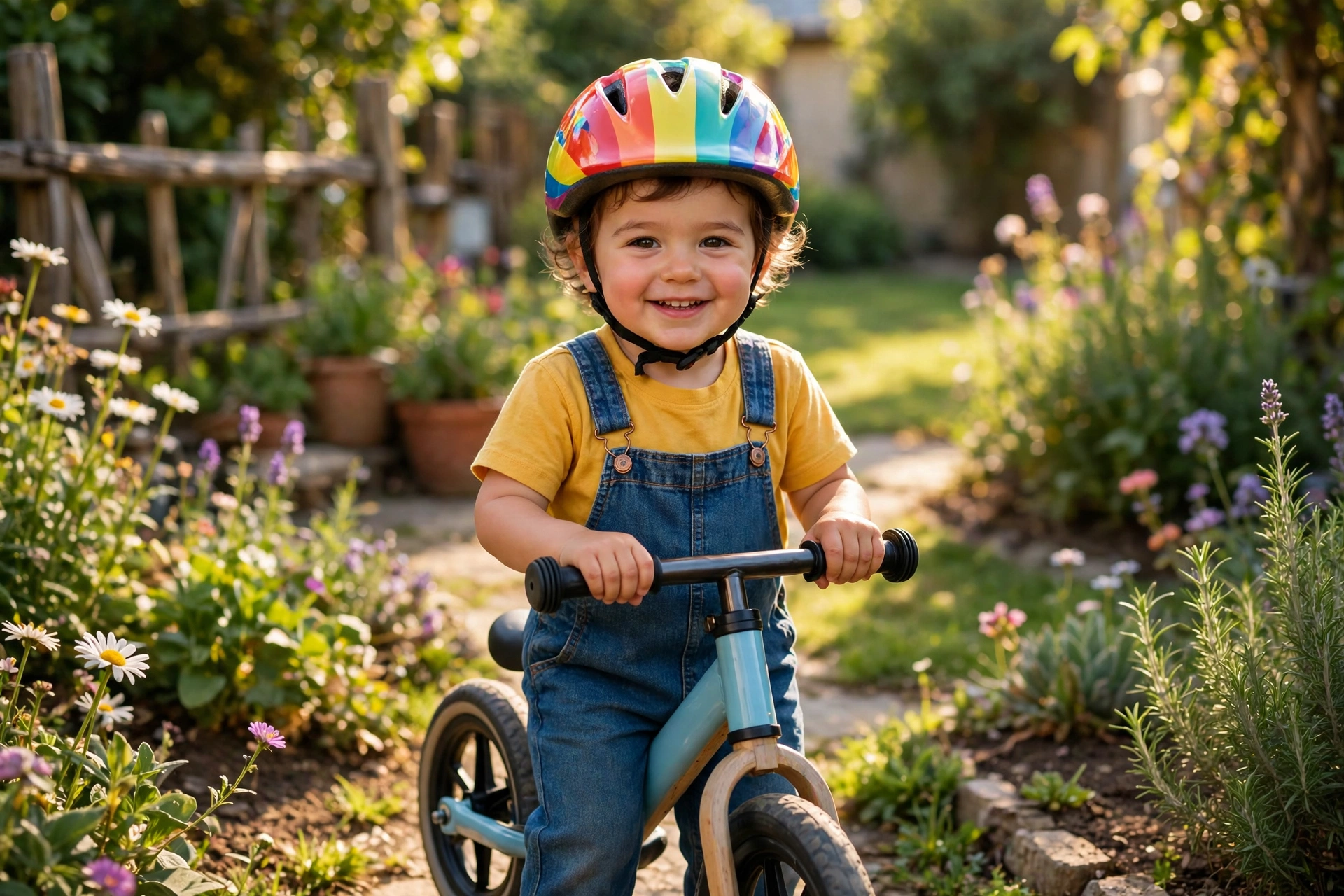
Choice turns the helmet from something done to your toddler into something that belongs to them. Narrow the shelf to two or three certified helmets in the correct measured size, then let your child pick the color or design. The one they chose is “their” helmet, and toddlers defend their possessions fiercely — including wearing them.
Extend the ownership at home. Keep the helmet somewhere your toddler can reach, let it live with their favorite toys rather than in a garage bin, and let them put it on stuffed animals and dolls. A helmet that is part of everyday play stops being strange equipment and becomes familiar gear, like a favorite hat. Putting a sticker your toddler picks on the helmet bag or storage hook — never glue anything to the helmet shell itself — is another small way to make it feel personally theirs.
What Practice Routine Works Best at Home?
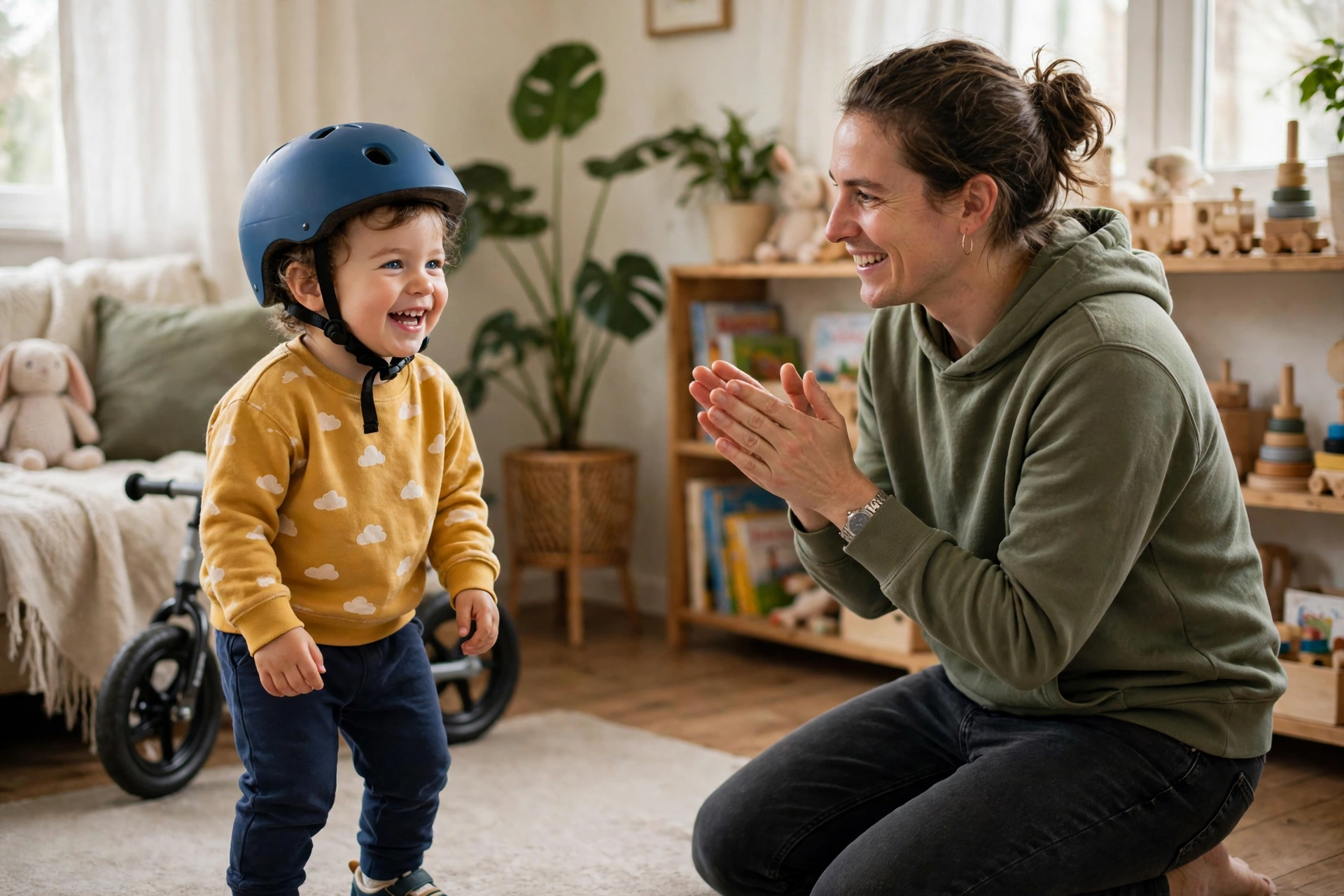
Start days before the first ride, indoors, with zero pressure. Day one, the goal might be five seconds of helmet-on in exchange for applause and a favorite song. Build up in short sessions — a minute while reading a book, then while pushing a toy around, then while sitting on the balance bike in the living room. Short, successful, praised repetitions beat one long forced session every time.
Pair the helmet with things your toddler already loves. If helmet time is also bubble time or a special snack afterward, the association flips from negative to positive very quickly. Keep your own reaction big and warm — toddlers take their emotional cues from you, so cheerful and matter-of-fact beats anxious and apologetic.
If your toddler rips the helmet off, stay boring about it: no scolding, no wrestling it back on. Simply pause the fun — the bike, the bubbles — and try again in a few minutes. The lesson they absorb is that the fun pauses without the helmet and resumes with it, which is the only leverage you need.
What Kind of Helmet Is Easiest for a Toddler to Accept?
The right helmet makes everything above easier. Buy by measured head size so the fit is snug without pinching, and choose a lightweight model — a heavy helmet on a small neck is a genuine discomfort, not a behavior problem. Extended coverage at the back of the head suits toddlers well, since their falls are often slow topples in any direction.
Look for toddler-friendly details: a pinch-guard buckle so fastening never hurts, a simple rear fit dial you can adjust one-handed, and smooth straps that do not twist. Some helmets add safety extras such as rotational liners; our explainer on what MIPS is and why parents choose it covers how that works if you want to compare models. Above all, the helmet must be certified — in the US, look for the CPSC label — because a cute helmet that is not certified is a toy, not protection.
How Do You Make Helmet-Wearing a Non-Negotiable Habit?
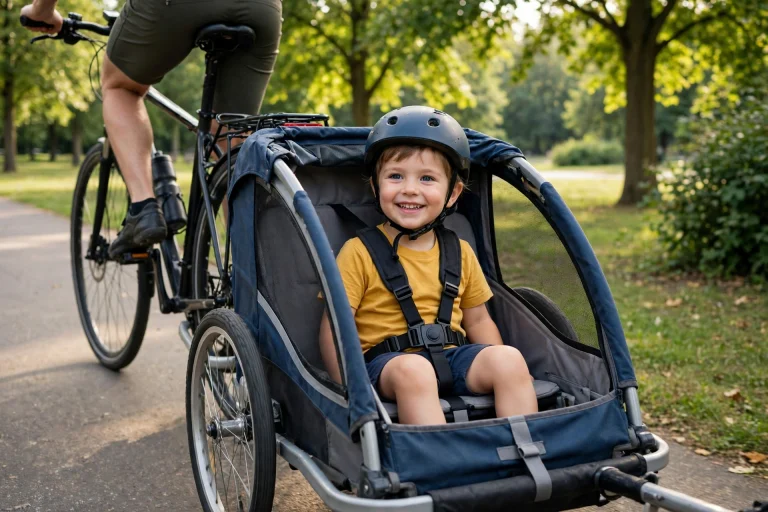
The rule is simple and total: wheels do not move unless helmets are on — balance bikes, scooters, ride-ons in the driveway, and rides in a trailer or child seat all count. Toddlers accept rules that never bend far more easily than rules that depend on the day. The moment “just this once” appears, every ride becomes a fresh negotiation.
Model it without exception. A toddler who watches a parent buckle on their own helmet every single ride learns that helmets are simply what riders wear. Keep both helmets by the door or with the bikes so the routine is automatic: helmet on, then ride. Consistency between caregivers matters too — agree with grandparents and sitters that the rule travels with the child, so there is no “helmet-free house” undermining your work.
Frequently Asked Questions
Q: How long does it usually take for a toddler to accept a helmet?
A: With short daily practice at home, many toddlers go from protest to indifference within one to two weeks. Go at your child’s pace, keep sessions brief and positive, and do not force a first ride before the helmet itself feels familiar.
Q: My toddler screams and pulls the helmet off every time. What am I doing wrong?
A: Probably nothing — but first rule out fit: pinching, wobbling, or a buckle that catches skin are real reasons to object. If the fit is good, shorten the sessions, add praise and a favorite activity, and calmly pause the fun when the helmet comes off rather than forcing it back on.
Q: Does a toddler really need a helmet on a balance bike or in a trailer?
A: Yes. Toddlers can topple from balance bikes at walking pace, and trailers and child seats put a small passenger’s head at risk in any tip-over. The habit is also easier to build when the rule covers every ride from the very start.

Olivia
Writer at Helmet Today, covering helmet reviews, fit and riding safety.