To choose a BMX helmet, pick a hard-shell, low-profile design that is certified to CPSC for bicycle use — and ideally dual-certified to ASTM F1492 as well — then size it by head circumference so it sits low and snug with the strap fastened every run. That bowl-style shell with deep back-of-head coverage is the style BMX riders trust for a reason.
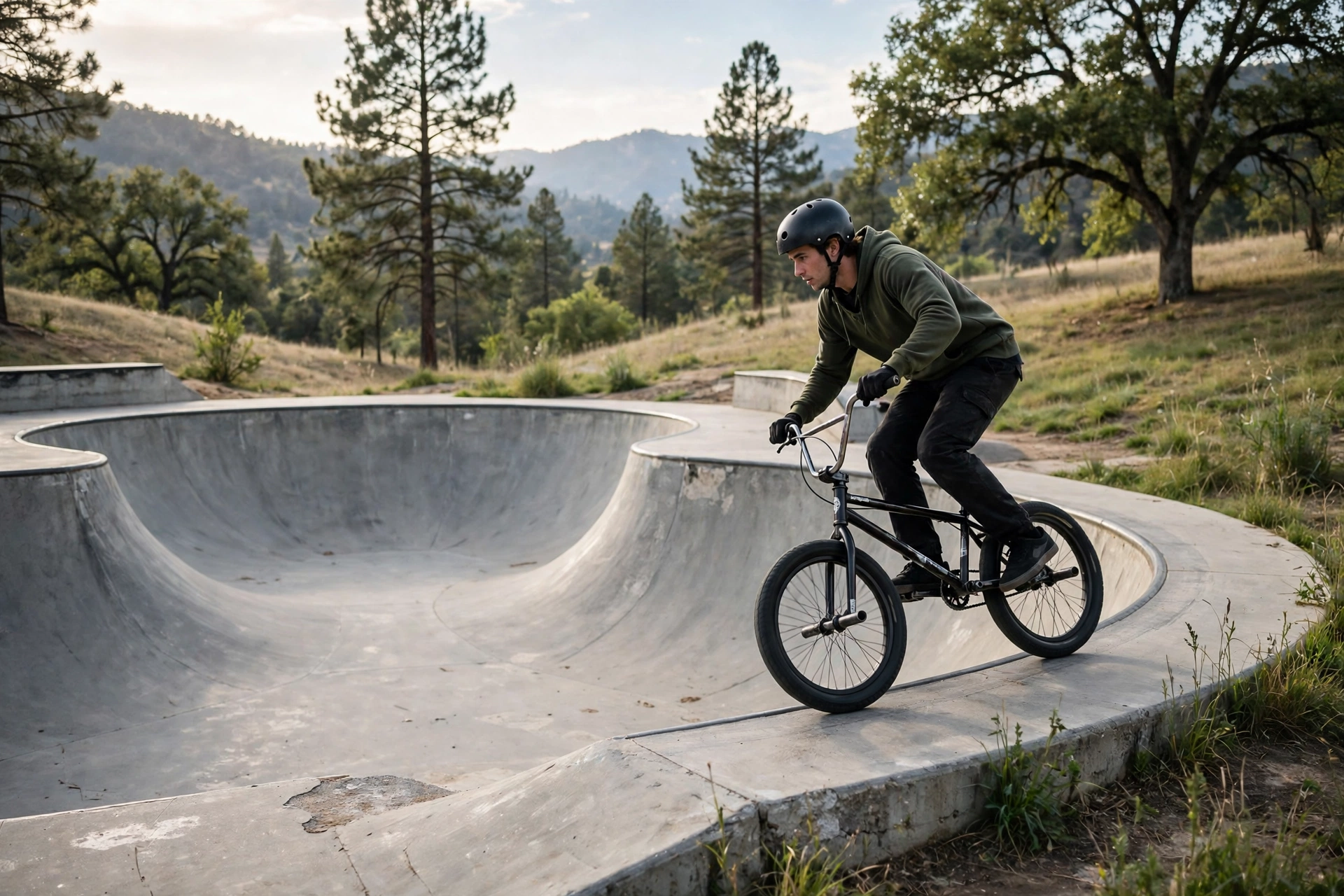
BMX sits in an odd spot between cycling and skateboarding: dirt jumps, skateparks, street ledges, and a lot of low-speed falls onto hard surfaces. The helmet that suits it is neither a vented road cycling helmet nor a fashion bowl with no label. This guide covers the certifications to demand, shell and liner designs, fit, and the extras worth having.
Which Certifications Should a BMX Helmet Carry?
Start with the non-negotiable: in the US, any helmet sold for bicycle use must meet the CPSC bicycle helmet standard, and a BMX helmet is no exception. Look for the CPSC label inside the helmet. If there is no label, there is no helmet — whatever the shell looks like, walk away.
The ideal BMX purchase adds a second mark: ASTM F1492, the skateboard and trick-cycling standard. In general terms, F1492 was written for activities with repeated lower-energy impacts rather than a single big bicycle crash, and it tests a wider area of coverage, including lower on the head. A helmet dual-certified to both CPSC and ASTM F1492 is, in general terms, the best-matched label set for park and street BMX, because the riding involves exactly that mix — bike-speed travel plus repeated skatepark-style falls.
European riders will see EN 1078 (cycling) and sometimes EN 1078 plus skate coverage claims instead. The principle travels: one recognized cycling certification as the floor, and a skate-style mark as the preferred bonus for park use.
Why Do BMX Riders Choose a Hard Shell With Deep Coverage?
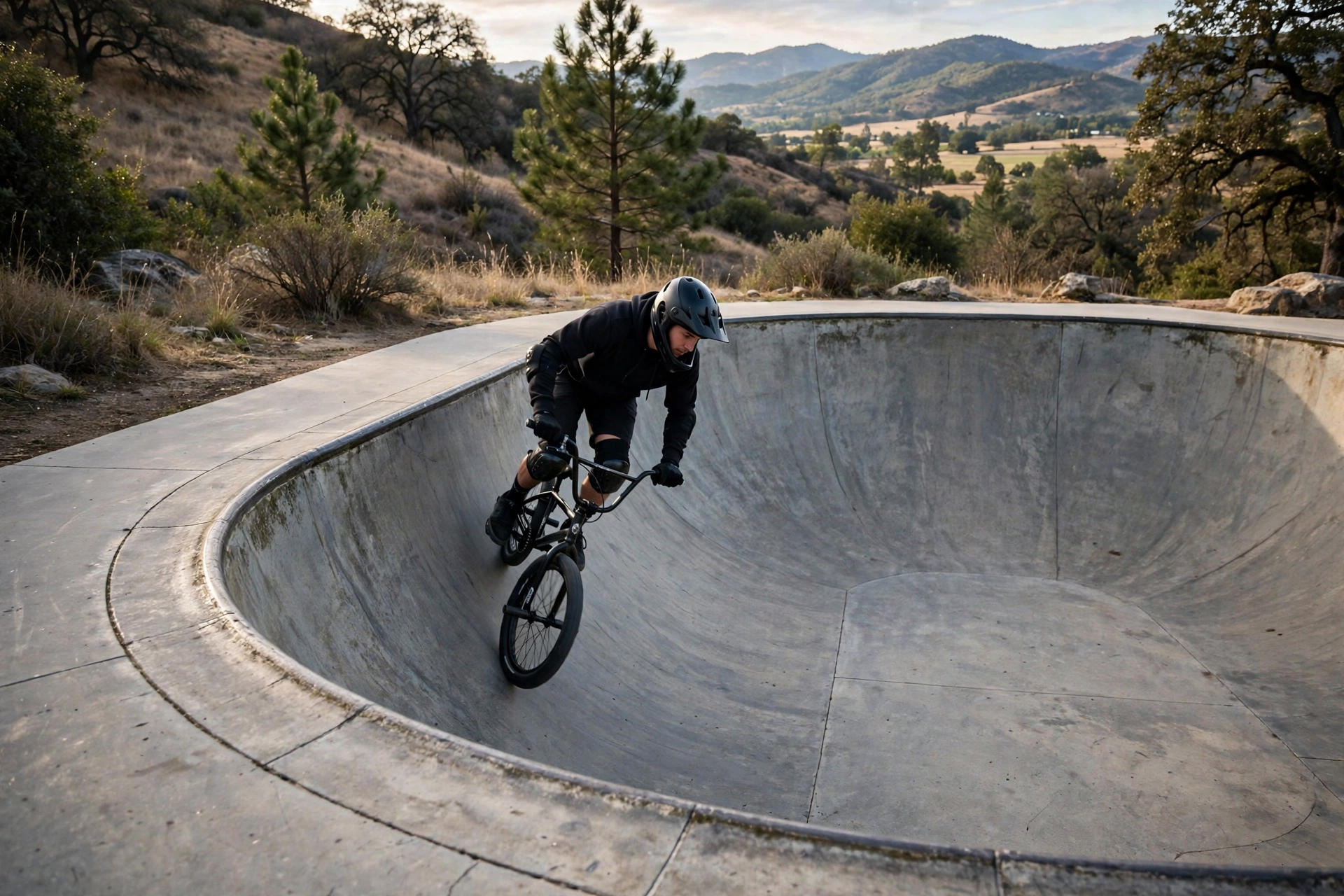
The classic BMX helmet is a bowl: a hard ABS outer shell over foam, cut low at the back and sides, with few or no vents. That shape exists because of how BMX falls actually happen — loop-outs onto the back of the head, sideways slides on ramps, and hits from odd angles at relatively low speed. Coverage low at the back of the skull is protection a high, vented road helmet does not offer.
The hard outer shell earns its place too. Park surfaces, coping, and ledges are abrasive; a hard shell shrugs off the knocks and scrapes of a season of sessions in a way lightweight in-mold cycling shells are not designed to. The trade-off is real — hard-shell BMX helmets are heavier and hotter, with minimal airflow — but most riders accept it happily for park and street sessions, and choose a vented helmet for long trail or road miles.
Inside, liners vary. Some use traditional single-impact-style foam; others use softer, multi-impact-style foams suited to repeated minor hits — in general terms, that foam choice is what the F1492 testing regime is concerned with. Whichever liner a helmet uses, treat a genuinely hard head impact as the end of that helmet’s life and inspect the liner regularly for cracking, compression, or separation from the shell.
How Should a BMX Helmet Fit?
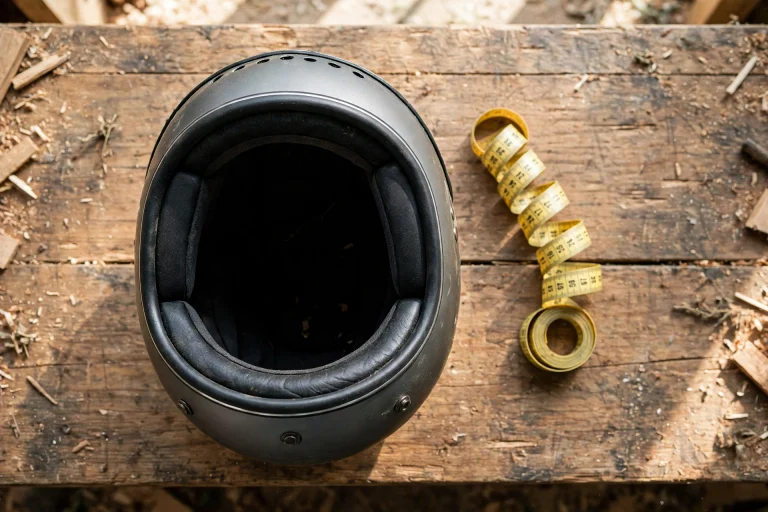
Measure around the largest part of your head — about an inch above the eyebrows and ears — in centimeters, and use the brand’s chart for that exact model; BMX sizing runs differently between brands and often spans fewer, broader size bands than road helmets. Many designs include two sets of pads in different thicknesses to fine-tune the fit — use the pads that make it snug, not loose.
The wearing test is the same discipline as any helmet, with a BMX emphasis. The helmet should sit low and level — front edge low on the forehead, back covering low on the skull — snug all around with no rocking when you shake or nod your head. Then fasten the strap: side straps forming a V below each ear, chin strap snug with about one to two fingers of room. An unstrapped BMX helmet is the archetypal park failure — it simply leaves the head in the first fall and protects the ground instead.
Wear it for ten minutes before deciding. Forehead pressure in a bowl helmet usually means the internal shape is wrong for you rather than the size; try another brand’s shape before sizing up into looseness. Some modern BMX helmets add rotational-impact systems of the kind explained in our guide to what MIPS is and how it works — a welcome bonus, never a substitute for the certifications and fit above.
What Extra Features Are Worth Looking For?
A few features genuinely suit BMX life. A flat or slightly peaked front accommodates goggles for dirt riding. Spin-dial or pad-based adjustment at the back helps dial fit as pads compress. Moisture-wicking, replaceable liners matter more than riders expect — park sessions are sweaty work, and a liner you can wash and eventually replace keeps the helmet fitting and smelling like something you want on your head.
Ventilation deserves a realistic word. A handful of vents is typical and enough for session riding; on long summer dirt days, expect to be warm and plan breaks. And avoid modifying the shell with drilled mounts or harsh-solvent stickers, which can weaken it unseen. Skip uncertified “novelty” bowls and soft foam caps marketed with helmet language but no label — in BMX the certified choices are plentiful, so there is no reason to gamble.
When Should You Replace a BMX Helmet?
Replace after any hard head impact — a slammed fall onto concrete, a head strike on coping or a ledge — even if the shell only shows a scuff. Foam that has crushed to absorb a blow has done its one job. Multi-impact-style liners tolerate minor knocks better in general terms, but they do not make a helmet immortal, and a cracked liner, a cracked shell, or foam separating from the shell all retire a helmet on the spot.
Age and use retire the rest: pads that no longer restore a snug fit, straps frayed or stretching, buckles that no longer click positively, and seasons of sweat and sun that leave the liner degraded. In general terms manufacturers suggest replacement after a few years of regular use even without a crash. BMX helmets live harder lives than most — treat yours as consumable safety gear with a finite life, budget for its replacement, and let the next one start the day the old one takes a real hit.
Frequently Asked Questions
Q: Can I use a skateboard helmet for BMX, or a BMX helmet for skating?
A: Only if it is dual-certified. A helmet labeled with both CPSC (bicycle) and ASTM F1492 (skateboard/trick) is built and tested for both. A skate-only helmet may not meet the bicycle standard, and a bike-only helmet may lack the lower coverage and repeated-impact design skating calls for — check the labels, not the look.
Q: Is a BMX helmet good for regular cycling?
A: A CPSC-certified BMX helmet is a legal, protective bicycle helmet, and plenty of riders commute in them. The trade-offs are weight, heat, and minimal ventilation compared with a road cycling helmet. For short rides and urban use many riders prefer the coverage; for long or hot rides, a vented helmet is more comfortable.
Q: How tight should the strap be on a BMX helmet?
A: Snug, with about one to two fingers able to fit under the strap, the side straps forming a V just below each ear, and the helmet unable to rock or roll when you shake your head. Most importantly: fastened on every run — an unstrapped helmet comes off in the first fall.

Olivia
Writer at Helmet Today, covering helmet reviews, fit and riding safety.