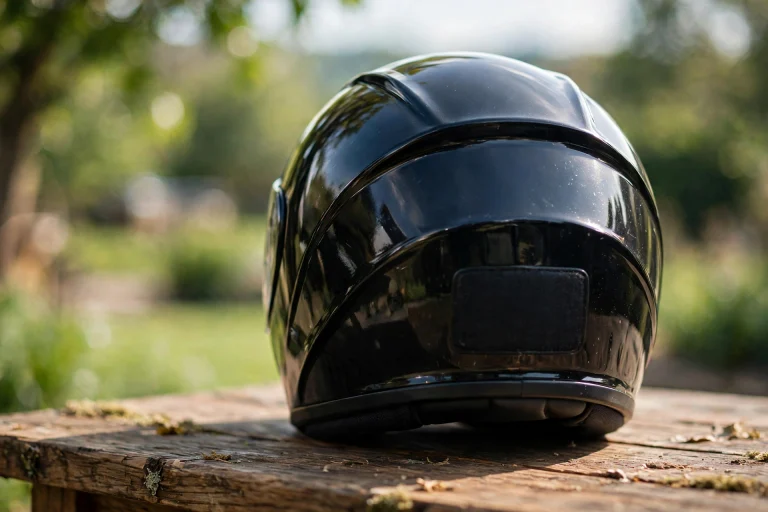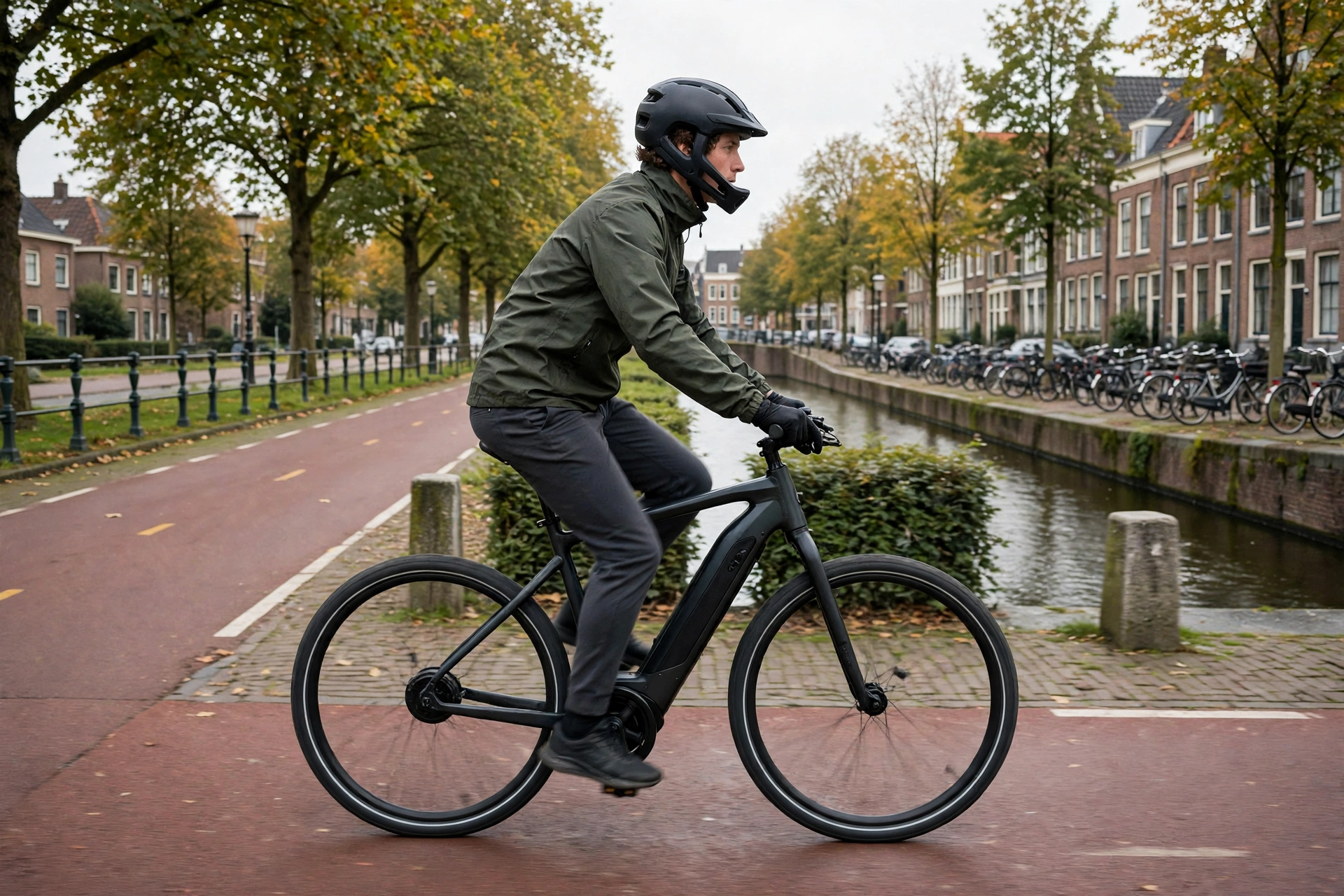
NTA 8776 is a Dutch helmet standard written specifically for speed pedelec and faster e-bike riders, and in general terms it demands more than a regular bicycle helmet standard: testing at higher impact speeds and more coverage around the temples and ears. It was created because standard bicycle helmets were designed around the speeds of conventional cycling, while speed pedelecs assist riders to considerably higher speeds. A helmet certified to NTA 8776 also satisfies the basic European bicycle helmet requirements underneath it, so it works for ordinary cycling too.
If you ride a fast e-bike — or you are shopping for a helmet that offers more protection than a basic bike helmet — NTA 8776 is one of the marks most worth understanding. This guide explains where the standard came from, how its testing differs, what the extra coverage looks like, and who should consider choosing an NTA 8776 helmet.
Why Was a Separate Standard Needed for Faster E-Bikes?
Traditional bicycle helmet standards were built around conventional bikes, where typical riding speeds and crash energies are modest. Speed pedelecs changed that picture. These are pedal-assist bicycles capable of much higher assisted speeds than a standard e-bike, and in many European countries they are treated in law as closer to mopeds than to bicycles, with corresponding equipment rules.
The Netherlands, where speed pedelecs became popular early, responded by developing NTA 8776 through its national standards body. The goal was a helmet that sits between a bicycle helmet and a motorcycle helmet: light and ventilated enough for pedaling, but tested and shaped for the higher speeds and greater impact energies of fast e-bike riding.
The result is that in the Netherlands, speed pedelec riders are in general terms required to wear a helmet meeting NTA 8776 (or a motorcycle standard). Elsewhere, the mark is voluntary — but it has become an international shorthand for “e-bike helmet tested beyond the bicycle baseline.”
How Is NTA 8776 Testing Different From Regular Bike Standards?
The headline difference is impact energy. In general terms, NTA 8776 tests helmets at higher impact speeds than the standard European bicycle helmet test, which means the foam liner has to manage more energy in a crash. A liner that passes at higher energy has to be engineered — through foam density, thickness, and shell design — to keep the forces passed to the head within the standard’s limits under a harder hit.
The second difference is the area the standard pays attention to. Rather than concentrating only on the crown of the head, NTA 8776 in general terms places more emphasis on impacts around the sides of the head, including the temple region. That reflects real crash patterns for faster riders, where sideways falls and glancing impacts are common.
It is worth being precise about what this does and does not mean. NTA 8776 does not turn a bicycle-style helmet into a motorcycle helmet, and it does not involve the full apparatus of motorcycle standards. It is a tougher bicycle helmet standard, tuned for speed pedelec speeds — and for many fast e-bike riders, that is exactly the right middle ground.
What Does the Extra Coverage Look Like on the Helmet?
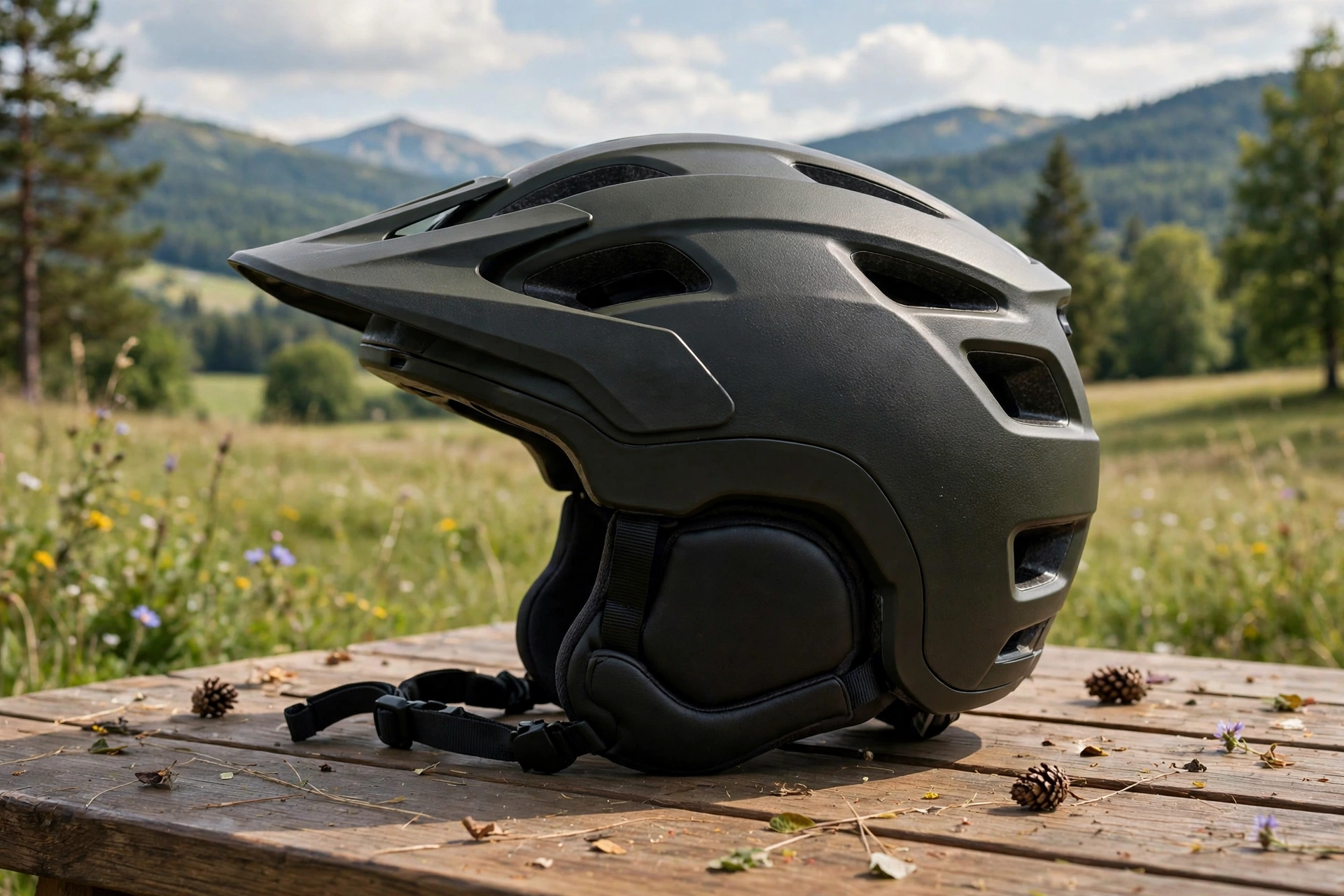
Pick up an NTA 8776 helmet next to a lightweight road helmet and the difference is visible. The shell typically extends lower at the back and sides, wrapping further down around the temples and toward the ears. There is often more material — and fewer, smaller vents — in those side zones, because coverage and ventilation always trade against each other.
This deeper profile is one reason NTA 8776 helmets tend to look more like urban or commuter helmets than like racing helmets. Many models add a visor or an integrated light, leaning into their role as everyday equipment for fast commuting rather than weekend sport.
Fit matters as much as ever: that extra coverage only protects if the helmet sits correctly and stays in place. The retention system and straps work the same way as on any bicycle helmet, and the helmet should feel secure without pressure points around the temples it now covers more fully. Riders comparing protective features may also weigh rotational protection; our explainer on MIPS and rotational impact protection is a useful companion read, since some helmets combine both approaches.
Does an NTA 8776 Helmet Also Meet Regular Bicycle Requirements?
Yes, in general terms. NTA 8776 was built on top of the European bicycle helmet framework, and a helmet certified to NTA 8776 also meets the underlying EN 1078 bicycle helmet requirements. In practice that means one helmet legally covers you for ordinary cycling and for speed pedelec use where the standard is recognized.
There is a market caveat for US riders. The legal requirement for bicycle helmets sold in the United States is the CPSC standard, and an imported helmet that carries only European markings may not carry the CPSC certification needed to be sold as a bicycle helmet in the US. Some manufacturers certify models to both. If you are buying in the US, check the labels inside the helmet for the marking that applies where you ride — the standard named on the label is the one the helmet was actually certified to.
Also note that NTA 8776 helmets are usually somewhat heavier and warmer than minimalist road helmets, thanks to the extra material. For a rider whose main use is fast commuting, that trade is normally well worth it; for slow recreational riding in hot weather, a standard certified helmet may be more comfortable.
Who Should Choose an NTA 8776 Helmet?
The clearest case is the speed pedelec rider in a country that requires it — there, the question answers itself. But the standard also makes sense voluntarily for riders of faster e-bikes and e-bike commuters who regularly ride at the upper end of bicycle speeds, especially in traffic, where crash energies look more like the ones this standard was written for.
It can also suit riders who simply want maximum bicycle-style coverage: parents riding with children, cargo bike riders, and anyone who has had a side-impact scare. The deeper temple and ear coverage is a real, tangible difference, not a marketing flourish.
Who does not need it? A rider on a conventional bicycle or a low-speed pedal-assist e-bike, riding mostly on quiet paths, is in general terms well served by a good standard certified helmet that fits properly. The best helmet is the certified one matched to your riding — and for fast e-bike riders, NTA 8776 is the match the industry built.
Frequently Asked Questions
Q: Is NTA 8776 required outside the Netherlands?
A: In general terms, the requirement comes from Dutch rules for speed pedelec riders; other countries handle fast e-bike helmets differently, and in many places an NTA 8776 helmet is a voluntary upgrade. Check the rules where you ride, especially if your e-bike is classed as a moped.
Q: Can I use an NTA 8776 helmet on a regular bicycle?
A: Yes. Helmets certified to NTA 8776 also meet the underlying European bicycle helmet requirements, in general terms, so the same helmet is fine for ordinary cycling — it simply offers more coverage and higher-energy test performance than the minimum.
Q: Is an NTA 8776 helmet as protective as a motorcycle helmet?
A: No. It is a tougher bicycle helmet standard, not a motorcycle standard. Motorcycle helmets are tested to different, more demanding regimes and built with full shells and chin bars. NTA 8776 is designed for speed pedelec speeds, which sit between the two.

Olivia
Writer at Helmet Today, covering helmet reviews, fit and riding safety.