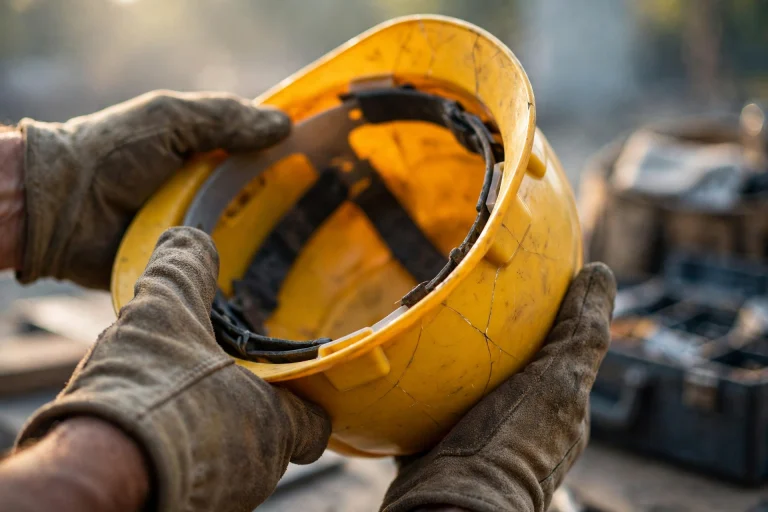
Stay cool safely in a hard hat by picking the right features for your job — a light-colored shell, vents where your electrical class allows them, a full brim for shade, and a fresh sweatband — and by working smart: hydrate steadily, take shade breaks, and build up to heat gradually. What you must never do is take the hat off inside a work zone, drill extra holes in the shell, or stuff unapproved material inside it to soak up sweat.
A hard hat in a heatwave can feel like a personal oven, and the temptation to modify it or ditch it is real. This guide separates the cooling tricks that are safe from the ones that quietly cancel your protection.
Why Does Heat Build Up Under a Hard Hat?
Your head is one of the body’s main routes for shedding heat, and a hard hat caps it. The shell blocks direct evaporation and airflow over most of the scalp, while strong sun heats the shell itself. Add physical work, other PPE, and high humidity, and your core temperature climbs faster than it would bare-headed.
The protection itself is part of the design you are working around. The shell stands off your head on its suspension, and that system manages a falling object’s energy by distance and spreading — the hard hat’s counterpart to the crushable foam liners and rotational-impact systems like MIPS in sports helmets. The air gap lets a little air move, but the crown still vents poorly compared with bare skin, so the rest of your cooling has to come from features and habits.
Heat is not just discomfort. In general terms, overheating degrades concentration, grip, balance, and judgment before it becomes a medical emergency — which means a hot worker is an accident risk to the whole crew, not only to themselves.
Which Hard Hat Features Help Most in Hot Weather?
Vents are the obvious one: a vented shell lets hot air escape from the crown instead of pooling under it. The catch is electrical rating — in general terms, vented hard hats are conductive-class hats with no electrical insulation rating, so if your work involves electrical hazards, you need an unvented hat of the correct class and must cool down other ways.
Color and brim come next. A white or light-colored shell reflects more of the sun’s heat than a dark one, and a full brim shades your face, ears, and the back of your neck — skin that otherwise burns and adds to your heat load. Many workers pair a full brim with a maker-approved neck shade for the same reason.
Finally, the humble sweatband. A clean, absorbent sweatband keeps sweat out of your eyes, and replaceable brow pads and ratchet covers are cheap comfort. Makers also sell accessories designed for their shells — cooling liners, sun shades, and similar add-ons — and the key word is designed: use only accessories the maker lists for your model, fitted as they direct.

What Work Habits Help You Stay Cool Safely?
Hydration is the foundation: drink water steadily through the shift rather than in big gulps at breaks, and start the day hydrated. In general terms, thirst lags behind actual need in hot work, so drinking on a schedule beats drinking on demand.
Use shade and breaks as equipment. Rest in shade during scheduled breaks, loosen or remove PPE only in safe rest areas away from the work zone, and let your temperature come down before going back. Where the schedule allows, sites often put the heaviest work in the cooler hours and lighter tasks at midday.
Build up gradually. Workers new to a hot site — or returning after time away — need days to acclimatize, and sensible heat plans ramp exposure up over the first week or so. Speak up during that period rather than trying to match the pace of acclimatized crew on day one.
And work as a team: agree that anyone can call out early signs of heat trouble in themselves or a mate without penalty. The buddy check catches what the sufferer rationalizes away.
What Should You Never Do to Beat the Heat?
Never drill or cut vents into an unvented shell. Holes change the shell’s strength and its electrical behavior, and the hat is no longer the product that was tested. If you need vents, buy a vented model rated for your work.
Never wear the hat only when a supervisor is watching. Falling-object risk does not pause for heat, and most heat-driven hat removal happens exactly when fatigue and carelessness peak. If the heat is genuinely unbearable in PPE, that is a stop-and-escalate conversation, not a quiet removal.
Never pack the inside with unapproved padding, towels, or thick caps to soak up sweat. Anything stuffed between your head and the suspension changes the protective gap and the fit. The same goes for soaking the hat in solvents or harsh cleaners to freshen it — wash with mild soap and water only, as makers direct.
Finally, do not store the hat baking in a hot vehicle between shifts. Prolonged heat ages shell plastic; a shaded, ventilated spot keeps both you and the hat in better shape.
How Do You Recognize Heat Stress Early?
In general terms, early signs include heavier-than-usual sweating, thirst, headache, dizziness, nausea, cramps, and unusual tiredness or irritability. A worker who stops sweating, becomes confused, or stumbles is past early signs — that is an emergency, not a break.
The correct response is to stop, get the person into shade, loosen outer clothing as appropriate, and follow your site’s heat illness plan, escalating to medical help when the plan says so or symptoms look serious. Every site in hot country should have such a plan; if yours does not, raise it before the hot season, not during it.
Treat near-misses as data. If a crew member nearly faints on a Tuesday, the answer is not toughness on Wednesday — it is more water, more shade, adjusted work, and a review of whether the plan is being followed.
Frequently Asked Questions
Q: Are vented hard hats always the best choice for summer?
A: Only where the work allows them. In general terms, vented shells carry no electrical insulation rating, so electrical work needs an unvented hat of the right class. Check your site’s requirement before choosing vents.
Q: Can I wear a cooling towel or a cap under my hard hat?
A: Only if the accessory is approved by the maker for your model. Anything that changes the fit or fills the suspension gap changes the protection. A neck shade that attaches outside the shell is the common safe alternative.
Q: Does a white hard hat really stay cooler than a dark one?
A: In direct sun, yes, in general terms — light colors reflect more heat than dark shells absorb. The difference is modest on its own, but combined with shade, breaks, and hydration it genuinely helps.

Olivia
Writer at Helmet Today, covering helmet reviews, fit and riding safety.