Helmet buffeting is the rapid shaking, drumming, and pressure pulsing your helmet gets in turbulent air — usually from air spilling over or around a windscreen, fairing, or your own shoulders at speed — and you reduce it mainly by changing where the turbulent air hits you: adjusting screen height or angle, correcting helmet fit and size, or changing your riding position. Buffeting is an airflow problem, not usually a faulty helmet.
This guide explains what causes the turbulence, how to work out where yours comes from, and the fixes that actually work, cheapest first.
What Exactly Is Helmet Buffeting?
Buffeting is different from ordinary wind noise and from a steady wind push. Steady wind presses your head back in one smooth force; buffeting is unsteady — a rapid series of pushes, wobbles, and low-frequency thumps that can shake your vision, rattle the helmet on your head, and leave your neck and shoulders exhausted after an hour.
Riders describe it in different ways: head shake at motorway speed, a drumming that blurs the mirrors, a feeling that someone is tapping the helmet repeatedly. It often appears only in a certain speed band and in a certain seating position, then vanishes when you duck, stand slightly, or move your head a few inches up, down, or sideways — which is the biggest clue that it is caused by where your head sits in the airflow.
A mild amount of air movement is normal on any motorcycle. Buffeting becomes a problem when it is strong enough to tire you, blur your vision, or make you dread the fast part of a journey, because fatigue and distraction are safety issues, not just comfort issues.
What Causes Buffeting Behind a Windscreen?
The classic cause is a windscreen doing its job imperfectly. A screen pushes air up and over, but where that stream of deflected air lands matters: if the dirty, tumbling edge of the airflow lands exactly at helmet height, your head sits in the worst possible place — the turbulent boundary between fast air and still air, which flips and pulses around the helmet.
Screen height, screen angle, and rider height combine to decide where that boundary falls. A screen that is slightly too short or angled too upright often dumps turbulence at visor level, while a slightly taller or more laid-back screen lifts it cleanly over the helmet. Gaps matter too: air rushing under or around a screen, mirrors, and hand guards all add their own eddies.
Bikes without screens can buffet as well. Air breaking around your own chest and shoulders, a loose jacket flapping, or turbulent air from vehicles ahead can all shake the helmet, which is why buffeting often disappears in clean air on an empty road and returns in traffic.

How Can You Tell Where Your Buffeting Comes From?
Diagnose before you spend money. On a quiet road at the speed where buffeting is worst, carefully move your head: rise a few inches, duck a few inches, and shift slightly side to side. If the shaking stops in one position, your head is sitting on the turbulent edge of the screen’s airflow, and the fix is to move either the airflow or your normal head position.
Next, use a gloved hand as a probe. Hold a hand flat just above the screen’s top edge and feel where the strong, smooth flow ends and the thumping starts, then compare that height with your helmet. You can also temporarily remove the screen — if the buffeting disappears entirely in clean air, the screen’s size or angle was the cause, not the helmet.
- Stops when you duck or rise: screen airflow edge is landing at helmet height
- Stops with the screen removed: screen height or angle is wrong for your height
- Present on every bike and road: suspect helmet fit, size, or shape instead
- Worse in traffic: normal turbulence from other vehicles, not your setup
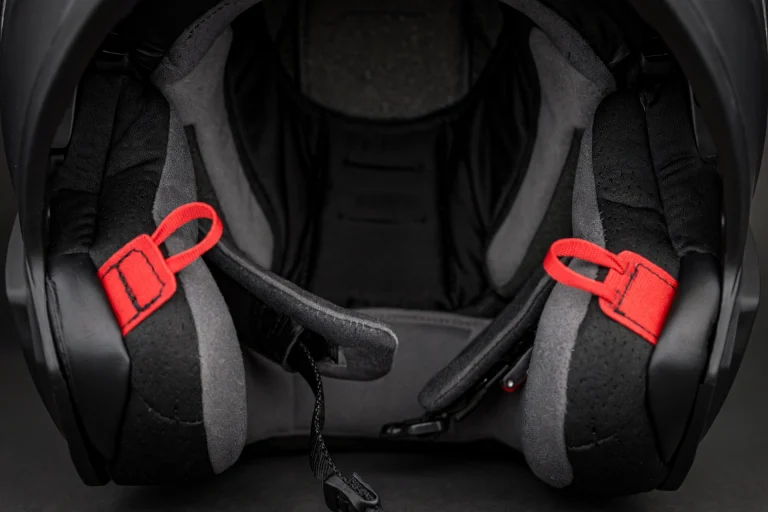
Check the helmet itself as part of the diagnosis. A helmet that is too big can be lifted and shaken by turbulence that a snug helmet shrugs off, and a loose chin strap or worn-out pads make it worse. If the helmet moves on your head in the shop shake test, fix fit before blaming aerodynamics.
What Are the Most Effective Ways to Reduce Buffeting?
Start with the screen. Adjustable screens should be tried at every height and angle, one change at a time, tested at the speed where the problem lives. Sometimes the answer is taller, sometimes it is shorter or more angled so the turbulent edge passes lower, across the chest, leaving the helmet in calm air above it. Small add-on deflector lips that clip to the screen’s top edge can smooth and lift the airflow for riders between screen sizes.
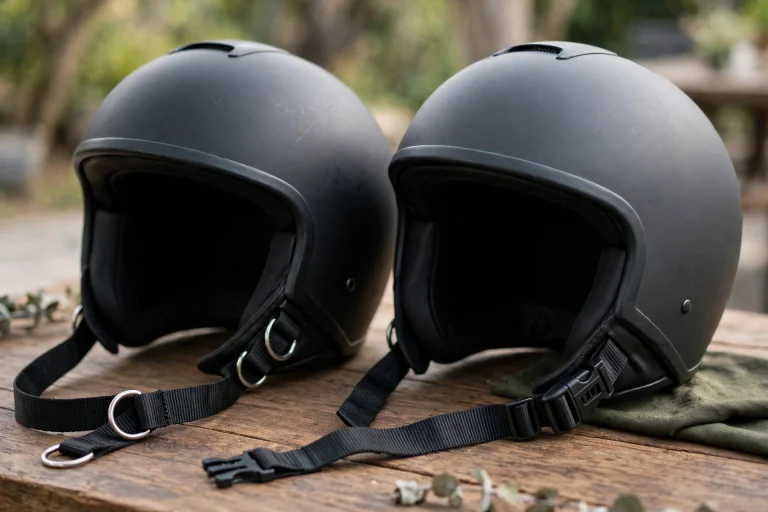
Then look at fit. A correctly sized, snug helmet with firm cheek pads resists being shaken far better than a loose one. Helmet shape plays a part too: in general terms, smoother, more rounded full-face designs tend to slice through disturbed air more calmly than upright, angular shapes with protruding peaks and vents, which catch eddies.
Finally, consider yourself. A jacket that flaps, a loose collar, or sitting bolt upright with your head at exactly the turbulent height all feed the problem. Small changes — a better-fitting jacket, a slight change in seat or bar position, a different screen for touring days — often combine into a calm ride. Work through the changes one at a time so you know which one worked.
Does Buffeting Matter Beyond Comfort?
Yes. An hour of head shake is genuinely tiring: your neck muscles fight every pulse, your eyes work harder with a vibrating view, and concentration fades on exactly the fast roads where you need it most. Riders dealing with buffeting often arrive more fatigued than riders who covered the same distance in calm air.
Buffeting can also disguise a fit problem that matters in a crash. A helmet loose enough to be rattled around by air is a helmet that may not stay perfectly positioned in an impact, and modern protection depends on position — including rotational systems, which is why understanding what MIPS is for helmets is worthwhile when you choose your next helmet.
The practical takeaway is to treat persistent buffeting as worth solving, not suffering. Between screen adjustment, honest fit, and helmet choice, most riders can move the turbulence off their helmet entirely — and the calm that follows makes fast riding feel slower, quieter, and far less tiring.
Frequently Asked Questions
Q: Is helmet buffeting dangerous?
A: The shaking itself rarely causes harm directly, but the fatigue, blurred vision, and distraction it creates are real safety concerns on fast roads. It can also reveal a helmet that fits too loosely, which matters in a crash. It is worth diagnosing and fixing.
Q: Will a taller windscreen always fix buffeting?
A: No. Taller helps only if it lifts the turbulent edge of the airflow above your helmet. For some riders a shorter or differently angled screen works better, putting the turbulence at chest level instead. Test adjustments at the speed where the problem occurs.
Q: Can earplugs stop buffeting?
A: Earplugs reduce the noise and drumming you hear, which helps comfort, but they do nothing about the physical shaking of your head and helmet. Use them as an addition to an airflow or fit fix, not instead of one.

Olivia
Writer at Helmet Today, covering helmet reviews, fit and riding safety.