In general terms, no — a skater should not wear a goalie mask: goalie masks are designed, fitted, and certified specifically for goaltenders, league rules in general terms require players to wear a certified player helmet with the face protection their league specifies, and a mask built for facing shots from the crease is the wrong shape and protection for skating, checking, and falling as a player. The two pieces of equipment look related, but they are built for different jobs and different rules.
This guide explains why the mask does not transfer to skaters, what the differences actually are, and what a player should wear instead.
Why Do Goalie Masks and Player Helmets Exist Separately?
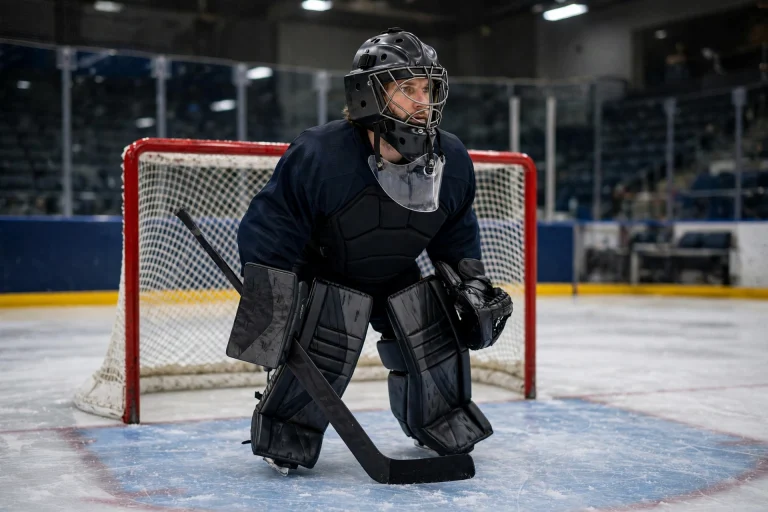
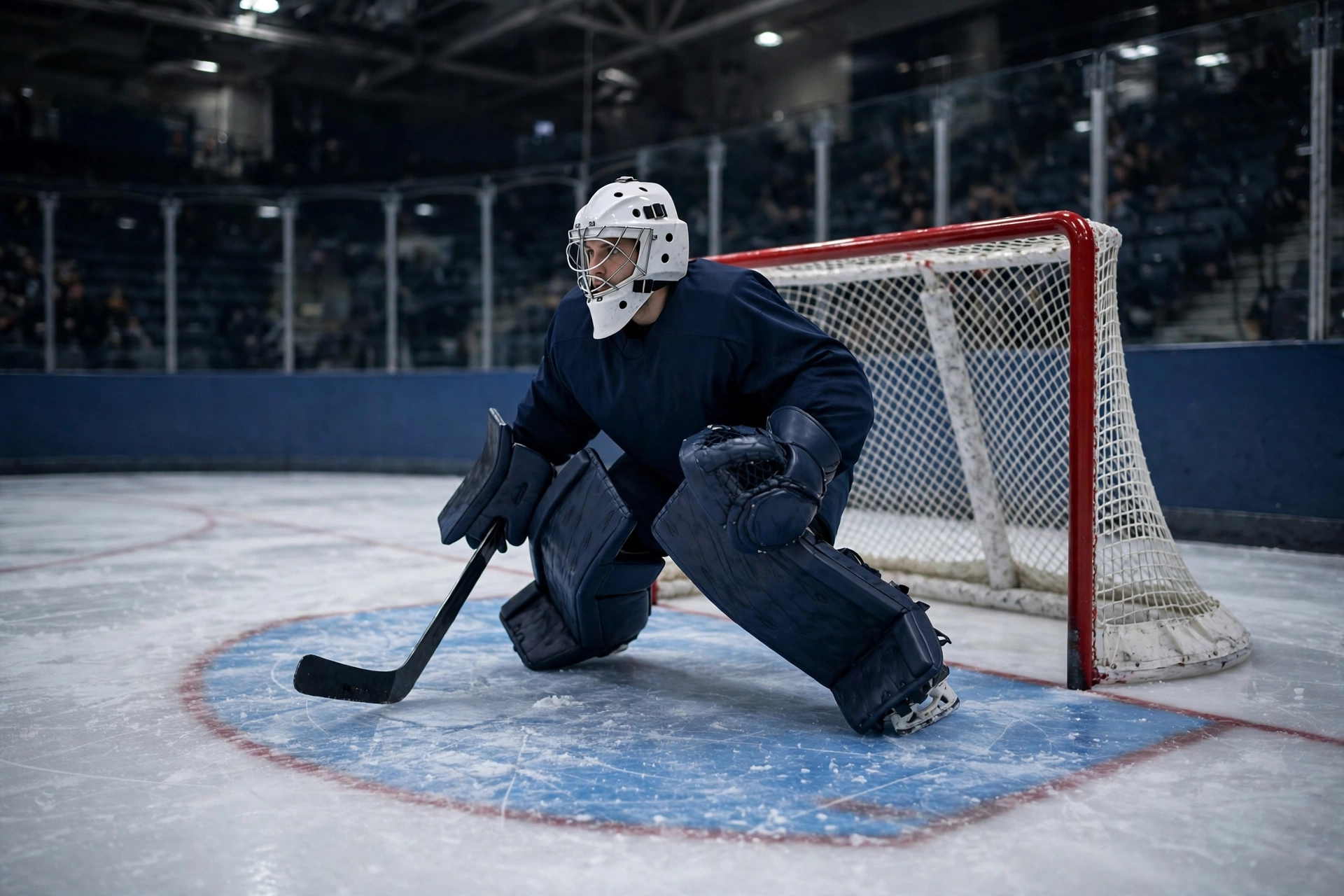
Because the dangers are different. A goaltender faces the puck head-on, mostly from the front, at high speed, while staying in a relatively small area — so a goalie mask is a full-face shell engineered to deflect and withstand direct puck impacts to the face, with a cage or shield over the eyes and a shape that covers the chin, cheeks, and throat area when combined with a dangler.
A skater’s risks are spread around: falls onto the ice in any direction, collisions with other players, boards, sticks, and the occasional puck from any angle. A player helmet is built for impacts to the whole head — front, sides, and back — with foam that manages falls and contact, and with ear covers and a fit system meant to stay on through movement, contact, and getting up off the ice repeatedly.
Each piece also sits inside its own certification. In general terms, goalie masks are certified as goalie equipment and player helmets as player equipment, and the tests reflect those different jobs. Wearing one in the other’s role means using equipment outside the purpose it was tested and approved for.
What Do the Rules Say About Players Wearing Goalie Masks?
League rulebooks in general terms specify equipment by position: skaters must wear a certified player helmet, with the required face protection for their age group and league — commonly a cage or approved full face protector for younger players. A goalie mask does not appear on the skater’s list, because it is not a player helmet.
In practice, that means an official doing an equipment check can rule a mask-wearing skater out of the game until they are wearing proper equipment, whatever the mask cost or how protective it feels. Equipment rules are written around certified categories, not around individual judgements on the bench.
If you are ever unsure about an unusual equipment idea, the order to check is: your league’s rulebook first, then your coach or officials’ association. “It feels safer” is not a route around a certification category.
Would a Goalie Mask Actually Protect a Skater Well?
Not as well as it protects a goalie, and in some ways worse than a proper player helmet. A mask is designed around frontal impacts; its fit assumes the upright, facing-the-play posture of a goaltender. A skater falls backward, gets hit from the side, and lands on the ice in every orientation, and a mask’s shape and retention are not built or tested around those impacts.
Vision and movement differ too. A mask’s eye openings and cage are arranged for tracking a puck from the crease, not for the peripheral vision a skater needs to see teammates, opponents, and the boards. Masks are also heavier in the face and can shift differently during the constant head movement of skating.
Then there is the impact picture as a whole. Player helmets are built to manage falls onto ice, including the angled, twisting impacts that the rotational-protection systems in this guide to what MIPS is for helmets are designed around — and their foam, coverage, and strap systems are arranged for the skater’s range of falls. Swapping in a mask steps outside all of that design work.
Are There Any Situations Where a Player Might Wear a Mask?
The honest exceptions are outside organised league play. In a casual, non-checking shinny game or a light skills session, adults sometimes experiment with equipment — but even there, a mask is not a sensible upgrade for a skater, for the protection and vision reasons above, and many rinks’ own rules still require proper certified helmets for everyone on the ice.
One situation that sounds like an exception is not: a player who is also a goalie. When that player skates out, they change into player equipment; when they play goal, they change into goalie equipment. The position you are playing decides the gear, every time.
Injuries do not create an exception either. A player protecting a healing face injury should talk to their league and medical advice about approved options within player equipment — there are certified full face protectors for player helmets — rather than borrowing a goalie mask, which the rules are unlikely to accept.
What Should a Skater Wear Instead of a Goalie Mask?
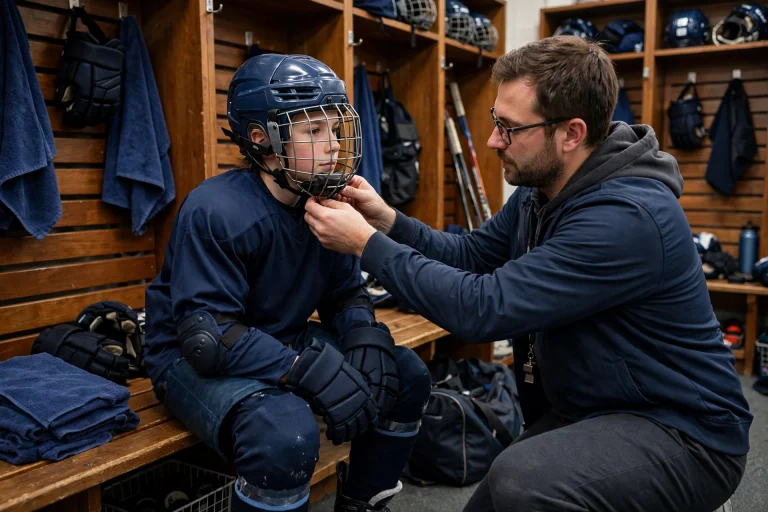
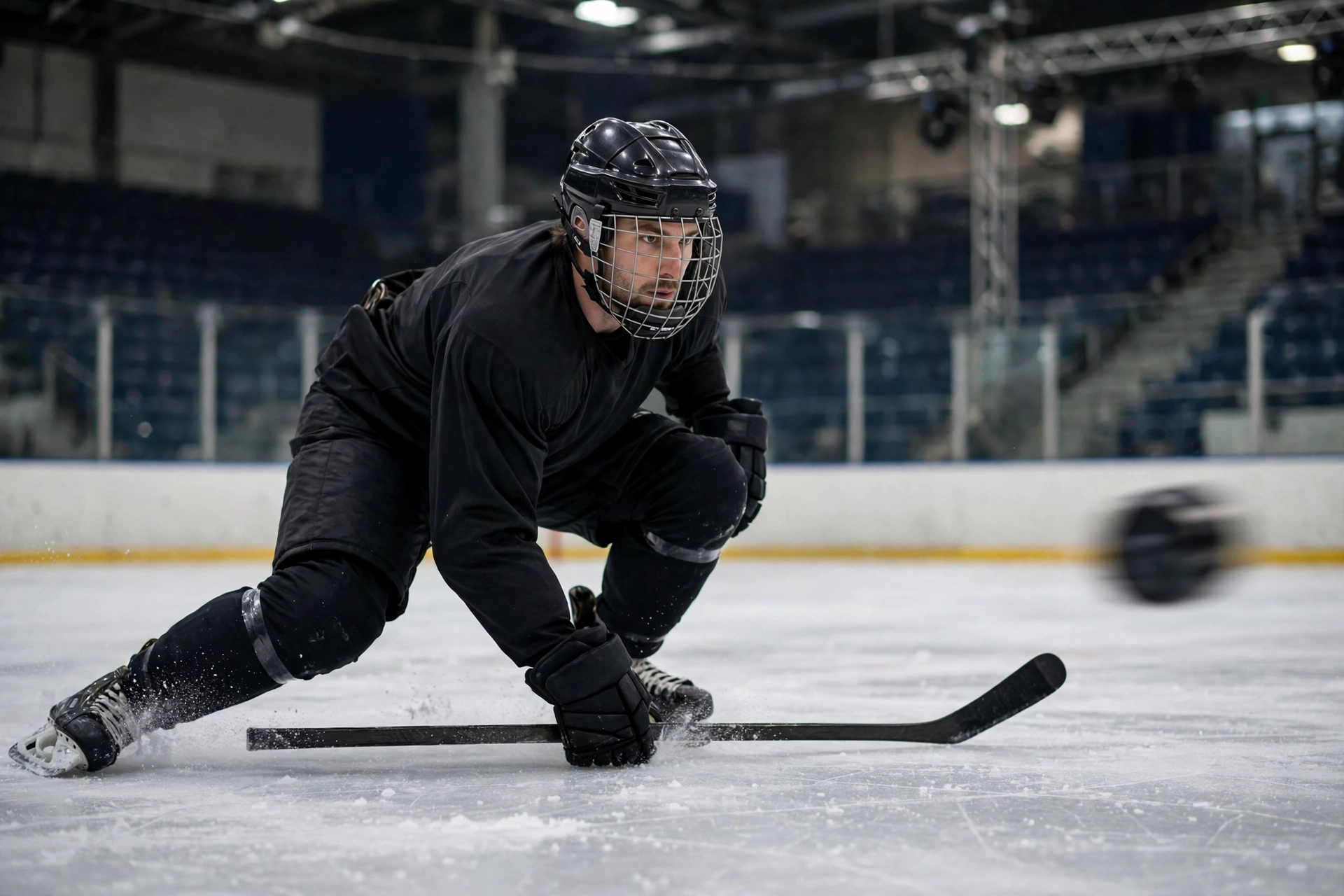
A certified player helmet, correctly fitted, with the face protection your league requires and your comfort prefers within those rules. For most younger players that is a full cage; for adults in leagues that allow it, the choice widens to cages, visor-cage combos, or visors — each a certified player product mounted on a player helmet.
If maximum face coverage is what attracted you to the mask idea, a full cage on a well-fitted helmet is the skater’s version of that instinct: it covers the whole face, never fogs, and is designed to work with the helmet through falls and contact. Add a mouthguard, as many leagues require, and the package is complete.
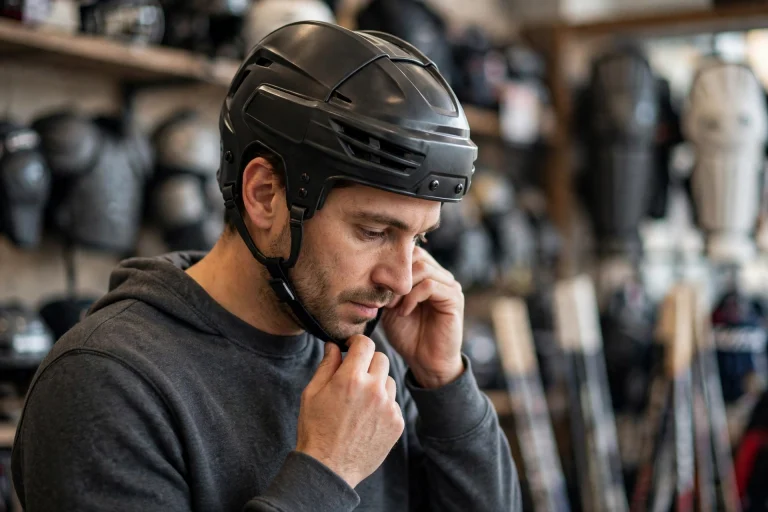
Fit it all properly: helmet level and snug with no rocking, cage chin cup snug, straps fastened. That ordinary, correctly worn setup protects a skater better than any borrowed goalie equipment — because it was designed, tested, and certified for exactly the game a skater plays.
Frequently Asked Questions
Q: Can a goalie wear a player helmet and cage instead of a mask?
A: In general terms, no — the reverse swap fails the same way. Leagues require goaltenders to wear certified goalie head protection, and a player helmet and cage are not tested to withstand direct shots the way a goalie mask is. Each position wears its own certified equipment.
Q: Is a goalie mask safer than a player helmet because it covers the whole face?
A: It covers differently, not simply better. A mask is engineered for frontal puck impacts from the crease; a player helmet is engineered for falls and contact from every direction, with coverage and retention for skating. For a skater, the player helmet is the safer and the legal choice.
Q: My child wants to wear a goalie mask as a skater because it looks cool. What should I say?
A: Explain that the league will not allow it and that it is genuinely the wrong tool: masks are for goalies facing shots, helmets with cages are for players, and referees check. Then let them choose a cage colour or style they like within the proper equipment — the look can still be theirs.

Olivia
Writer at Helmet Today, covering helmet reviews, fit and riding safety.