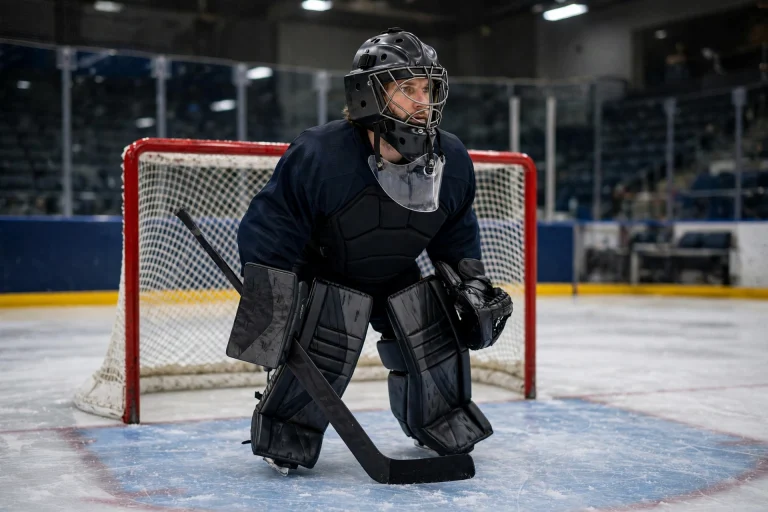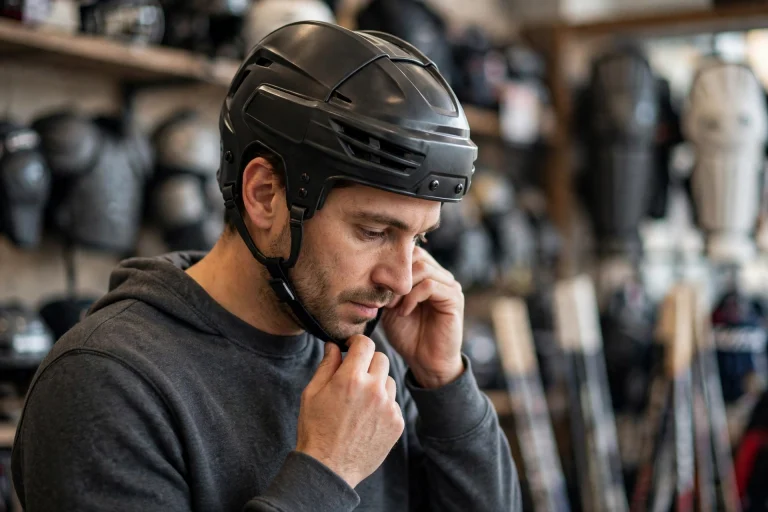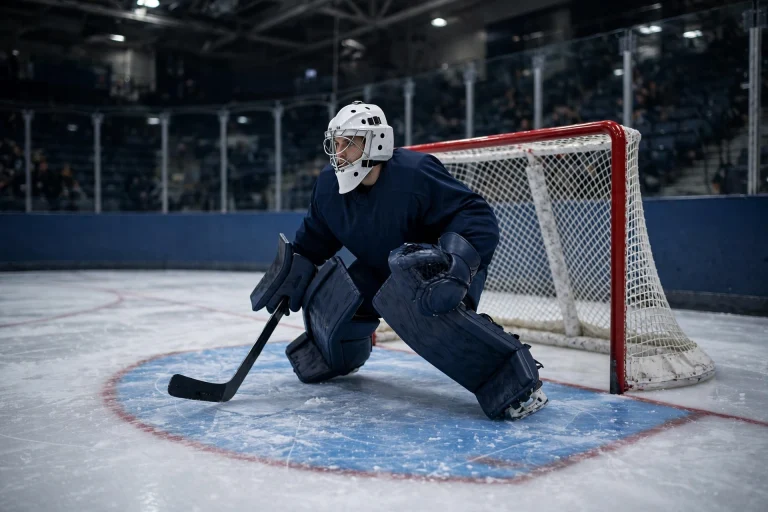
A youth hockey helmet usually lasts until your child outgrows it — for most kids that is roughly one to three seasons of use — provided it still fits properly, the foam, straps, and hardware are in good condition, and any expiry date shown on the certification sticker has not passed. For young players, growth ends a helmet’s life far more often than wear does.
This guide explains what actually decides a youth helmet’s lifespan, how to check the fit as your child grows, and when a helmet should be replaced even if it still looks fine.
How Long Does a Youth Hockey Helmet Last in Practice?
There is no single number of seasons printed on the box, because a helmet’s life is set by fit, condition, and certification rather than by a calendar. In general terms, a well-kept youth helmet that still fits correctly and is within its certification period can be used season after season. One that has been outgrown, damaged, or left to bake in a hot car boot may be finished within a year.
Children’s heads grow in bursts, not steadily. A helmet bought correctly in September can be snug by Christmas and clearly too small by the following autumn, especially for younger children. Older youth players grow more slowly and may get several seasons from one helmet — which is exactly when condition and the certification date start to matter more than size.
How the helmet is treated fills in the rest of the picture. A helmet dried after every game, stored indoors, and carried in a bag lasts far longer than one left damp in a kit bag, thrown onto concrete, or sat on in the dressing room.
What Makes a Helmet Stop Fitting as Kids Grow?
Heads do not just get bigger; they change shape. As a child grows, the head lengthens and widens, the jaw develops, and a helmet that once sat level starts to perch higher, with the front edge riding up the forehead and the ear covers no longer sitting over the ears where they belong.
The adjustment range runs out in stages. First the sizing pads come out or the fit dial opens to its limit. Then the chin strap reaches the end of its adjustment and the chin cup no longer sits properly. When a helmet is at maximum adjustment everywhere and still feels tight or sits wrong, it is not a fitting problem any more — the helmet is simply too small.
Weight and comfort give earlier clues. A child who starts complaining about forehead pressure, headaches after games, or who keeps pushing the helmet back is often describing an outgrown helmet before a parent can see it.
How Can You Tell a Youth Hockey Helmet Is Outgrown?
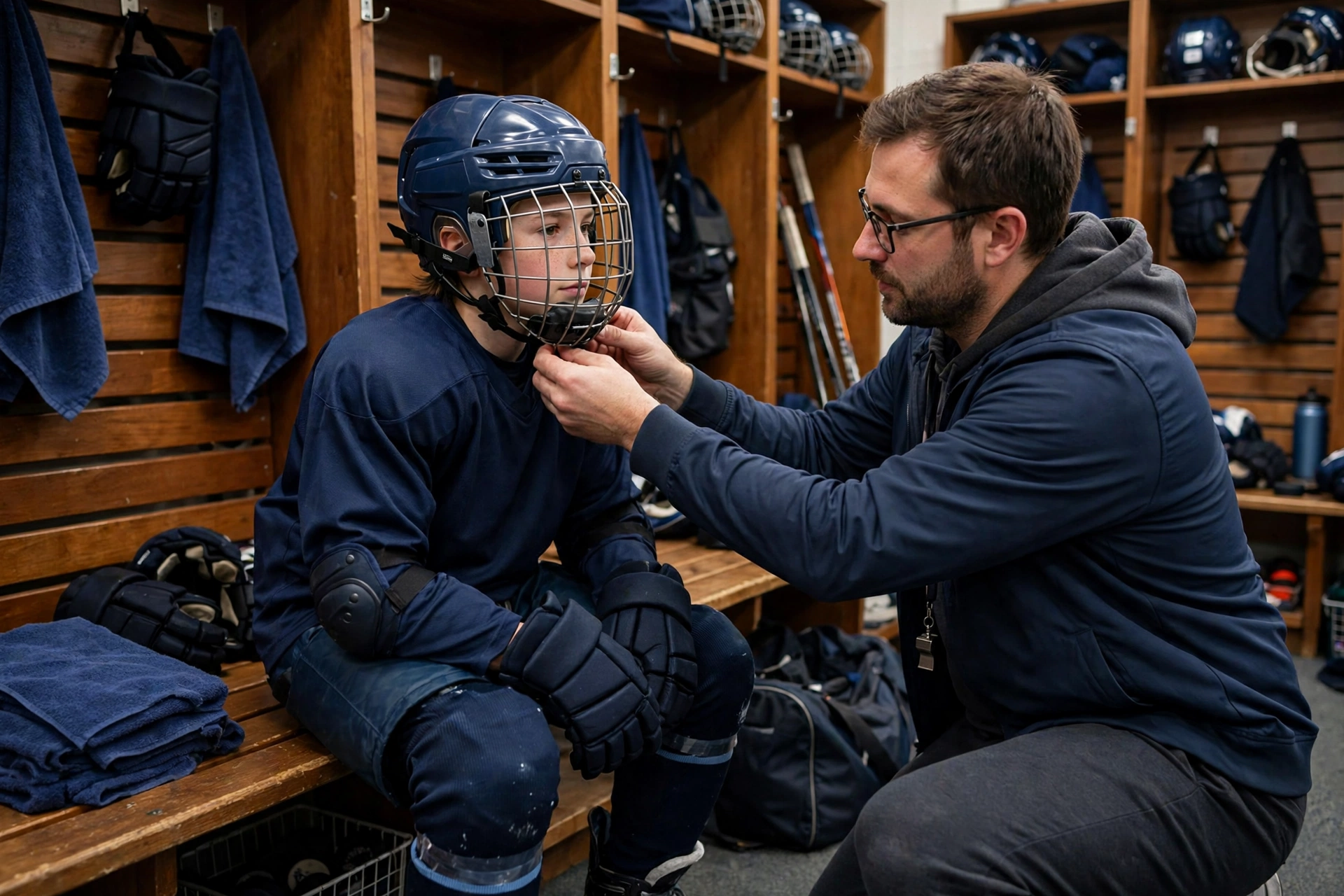
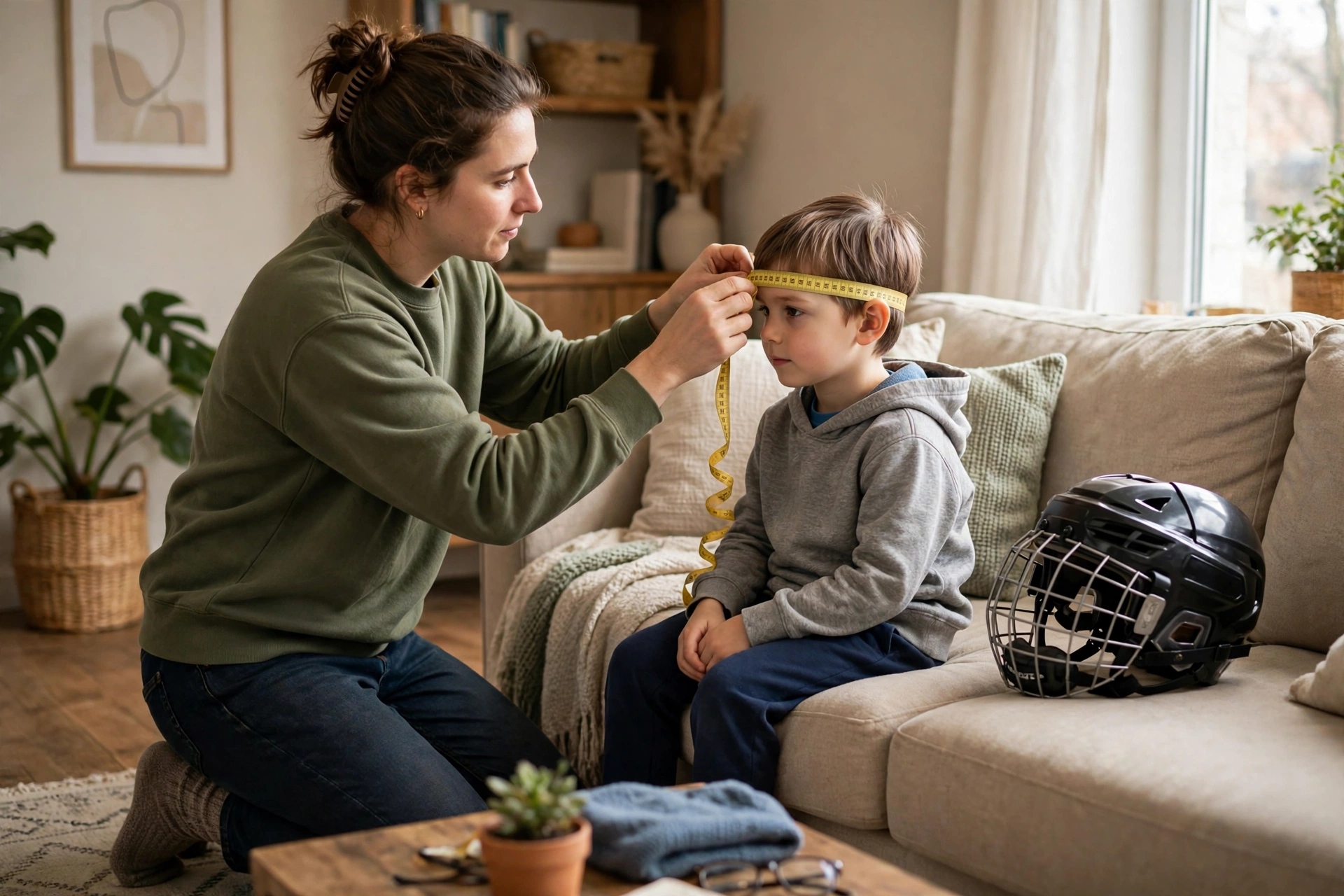
Run the standard fit check, and run it more than once a season. The helmet should sit level on the head, with the front edge low — just above the eyebrows — and it should feel snug all round without squeezing. With the chin strap fastened, the helmet should not rock side to side or tip back when your child shakes and nods their head.
- Position: front edge sits high on the forehead instead of low over the brows
- Coverage: ears no longer sit inside the ear covers, or the back of the head is exposed
- Straps: chin strap at full extension, or the J-clips pulled to their limit
- Comfort: red marks, pressure complaints, or the helmet being pushed around during play
Check at the start of the season, again after any obvious growth spurt, and any time your child mentions the helmet feeling different. A two-minute check in the kitchen beats discovering a bad fit in the third period.
Does the Certification Sticker Limit How Long It Can Be Used?
Yes, it can. Certified youth helmets carry a certification sticker — HECC in the United States, CSA in Canada — and in general terms that sticker includes an expiry element, because certification is treated as time-limited rather than permanent. Once that date passes, the helmet can no longer be shown to meet the requirement most leagues check for, however good it looks.
That is why hand-me-downs and second-hand helmets need extra care. Before an older helmet goes to a younger sibling, check three things: the sticker is present, legible, and in date; the helmet genuinely fits the new wearer; and its history is known — a helmet that has taken a serious impact should not be passed on at all.
If the sticker is missing or unreadable, treat the helmet as uncertified for league purposes. For sizing games at home it may still be a helmet, but organised hockey runs on that sticker.
When Should You Replace a Youth Helmet Even If It Still Fits?
Damage is the main reason. Replace the helmet after any significant impact — a hard fall, a collision with the boards, a puck strike — that leaves a mark, a dent, or cracked or compressed foam, because impact damage is often hidden inside the liner and the helmet cannot be trusted to perform the same way twice. Angled impacts add a twisting, rotational element too, which is what low-friction liner systems described in this guide to what MIPS is for helmets are designed to reduce — and no liner system works properly in a helmet whose foam is already damaged.
Wear is the other reason. Cracked or crumbling foam, a liner coming loose from the shell, frayed or stretched straps, rusted or bent hardware, and ear covers that no longer attach properly all mean the helmet is no longer the one that was tested. Comfort pads can sometimes be replaced; the protective structure cannot.
The simple rule to teach young players: the helmet gets replaced when it stops fitting, goes out of certification date, or takes damage — whichever comes first. For most kids, growth wins that race, and that is normal and expected.
Frequently Asked Questions
Q: Should I buy a youth helmet a size big so it lasts longer?
A: No. A helmet bought to grow into rocks, tips, and can shift or come off in a fall, which costs far more protection than an extra season saves. Buy the size that fits correctly now; most youth models have pads or dials that allow some adjustment as your child grows within that size.
Q: Can an older sibling’s helmet be handed down?
A: It can, with checks: the certification sticker must be present, legible, and in date; the helmet must fit the younger child properly; and its history must be known, with no significant impacts or hidden damage. If any of those cannot be confirmed, buy new.
Q: How often should I recheck the fit during the season?
A: At the start of the season as a minimum, again after any growth spurt, and whenever your child says the helmet feels tight, loose, or different. Young players can outgrow a helmet mid-season, and the two-minute level-and-shake check catches it.

Olivia
Writer at Helmet Today, covering helmet reviews, fit and riding safety.