Yes, a BMX helmet can work for mountain biking, but whether it works well depends on the type of BMX helmet and the type of mountain biking you are doing. In general terms, an open face BMX helmet is a reasonable fit for gentle trails and casual mountain biking, while a full face BMX helmet may suit steep, fast downhill trails better. The key is matching the helmet to the speed, terrain, and risk of the ride, not just to the label on the box.
BMX helmets and mountain bike helmets overlap more than many riders expect. Both are made to protect your head in a fall, both should fit snugly and sit level, and both need to be certified for cycling use. The differences lie in coverage, ventilation, weight, and features such as visors or extra rear coverage. Understanding those differences helps you decide whether the BMX helmet you already own is good enough for the trail, or whether a mountain bike-specific helmet would serve you better.
What Is the Difference Between a BMX Helmet and a Mountain Bike Helmet?
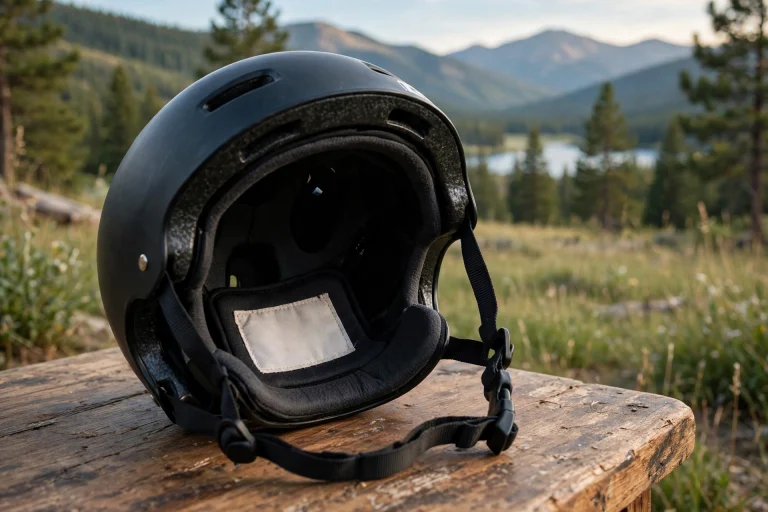
BMX helmets come in two main styles: open face and full face. Open face BMX helmets cover the top and sides of the head and leave the face open. They are light, well ventilated, and easy to wear for long periods. Full face BMX helmets add a chin bar that protects the jaw and lower face, and they are usually worn with goggles for dusty or fast riding.
In practice, the gap between a BMX helmet and a mountain bike helmet is often smaller than the gap between a good fit and a poor fit. A well-fitting BMX helmet that is certified for cycling and in good condition is, in general terms, a far better choice than a mountain bike helmet that rocks, slides, or sits too high on your forehead. Fit and condition matter more than the category name printed on the helmet.
Does a BMX Helmet Protect You Enough on a Mountain Bike Trail?
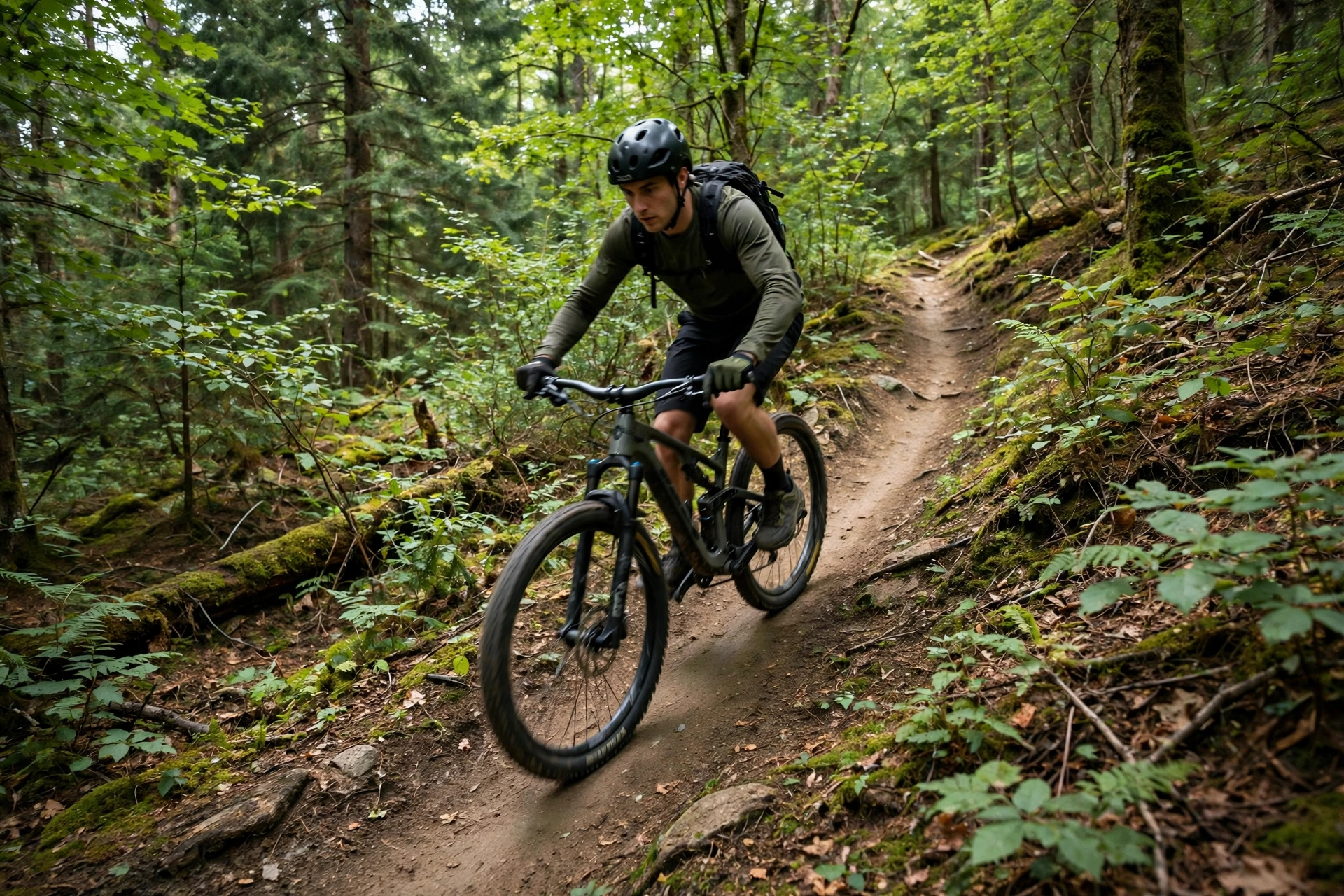
For gentle forest trails, fire roads, and smooth singletrack ridden at a relaxed pace, an open face BMX helmet usually provides similar coverage to a basic trail helmet. The falls most likely on this kind of terrain are lower-speed slips, slow tip-overs, and brushes with branches. An open face helmet covers the areas most likely to hit the ground in those falls, and its light weight and airflow are genuine advantages on a long ride.
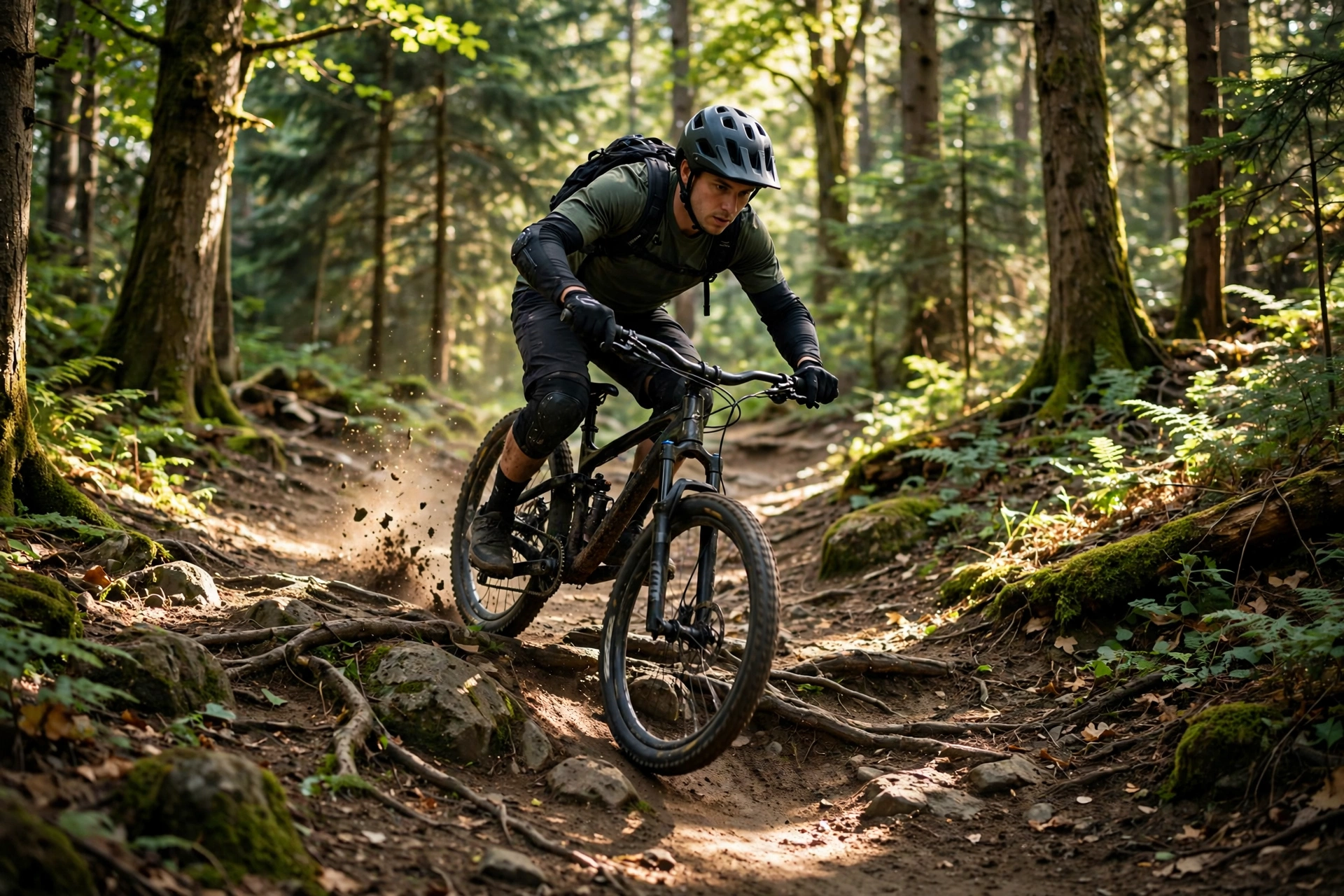
As trails get steeper, rougher, and faster, the picture changes. Technical singletrack with roots, rocks, drops, and tight corners raises the chance of a higher-speed fall, including a fall over the handlebars. On those trails, the extra rear coverage of some mountain bike helmets, and the chin protection of a full face helmet, become more relevant. An open face BMX helmet does not suddenly stop working on a harder trail, but it offers less protection in exactly the areas where a harder trail increases the risk.
When Does a BMX Helmet Work Best for Mountain Biking?
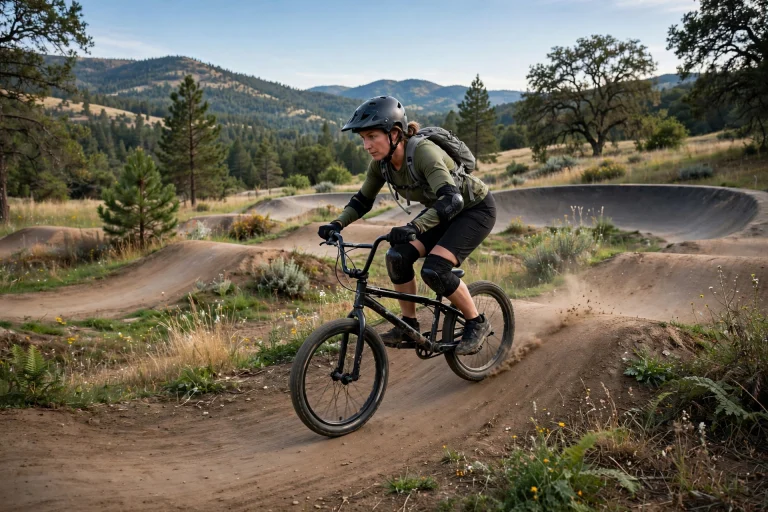
A BMX helmet works best for mountain biking when the riding is closer to BMX-style riding: short, punchy trails, dirt jumps in the woods, pump-style sections, and smooth singletrack where speed is moderate and the surface is predictable. If you are riding a hardtail or a dirt jump bike on trails that feel like an extended BMX track, a BMX helmet is a natural fit.
It also works well as a starting point. If you are trying mountain biking for the first time and already own a BMX helmet, using it for your first gentle trail rides is sensible. You can learn how mountain biking feels, how long you ride, and what kind of trails you enjoy, before deciding whether you need a different helmet. There is no need to buy new gear before you know whether you will stick with the sport.
When Should You Choose a Mountain Bike Helmet Instead?
You should consider a mountain bike-specific helmet when your riding regularly involves steep descents, technical terrain, long climbs in hot weather, or speeds that feel closer to downhill riding than to trail cruising. In those settings, features such as extended rear coverage, a larger visor, and ventilation designed for climbing and descending can make a real difference to comfort and protection.
A full face mountain bike helmet is worth considering if you are riding downhill trails, bike park runs, or enduro-style routes with jumps and drops. These helmets are built for higher-speed falls and often pair with goggles for dust and mud protection. A BMX full face helmet can also work here, but a downhill mountain bike helmet may offer a better balance of weight, venting, and coverage for longer descents.
How Do You Check Whether Your BMX Helmet Is Suitable for the Trail?
Start with the basics: check that the helmet is certified for cycling, has no cracks, dents, or crushed foam, and has never taken a serious impact. A helmet that has already absorbed a hard crash should be replaced, even if it looks fine from the outside. Check the straps and buckle too, since worn straps can loosen during a ride and let the helmet shift in a fall.
Next, check the fit on your head, not just in the shop mirror. Put the helmet on, fasten the strap snugly, and shake your head gently from side to side and front to back. It should move with your head, not slide around on its own. It should sit level, covering your forehead without blocking your vision. If it tips back, exposes too much forehead, or presses painfully in one spot, try a different size or model before you head for the trail.
Finally, learn what MIPS does if your helmet has that feature, so you understand what it is designed to add and what it is not designed to replace. MIPS, fit, certification, and sensible riding all work together; none of them alone makes a ride safe. Take a short test ride on easy ground first, and pay attention to heat, vision, and comfort, before taking the helmet on a longer or more technical trail.
Frequently Asked Questions
Q: Can I use an open face BMX helmet for mountain biking?
A: Yes, for gentle trails and casual riding at a relaxed pace, an open face BMX helmet can work well. For steep, fast, or technical trails, a helmet with more coverage, such as a full face helmet, may be a better choice.
Q: Is a full face BMX helmet good for downhill mountain biking?
A: In general terms, yes. A full face BMX helmet offers chin and face protection that suits fast downhill trails. A downhill mountain bike helmet may be more comfortable for long descents, but a well-fitting BMX full face helmet is a reasonable option.
Q: Do I need to buy a new helmet to try mountain biking?
A: No, not for your first gentle trail rides. If you already own a certified, undamaged BMX helmet that fits well, use it to start with. Upgrade to a mountain bike-specific helmet once you know what kind of trails and riding you enjoy most.

Olivia
Writer at Helmet Today, covering helmet reviews, fit and riding safety.