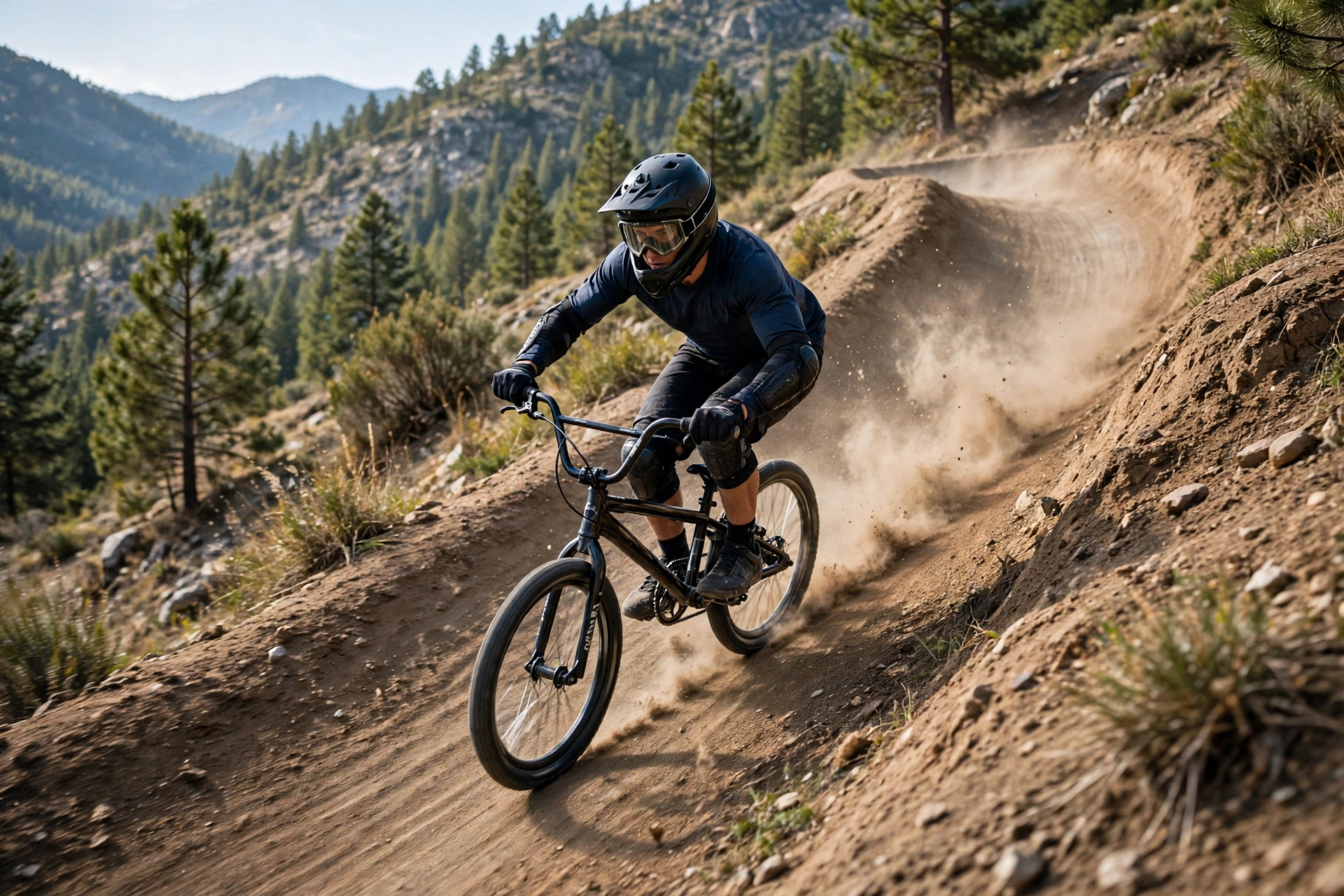
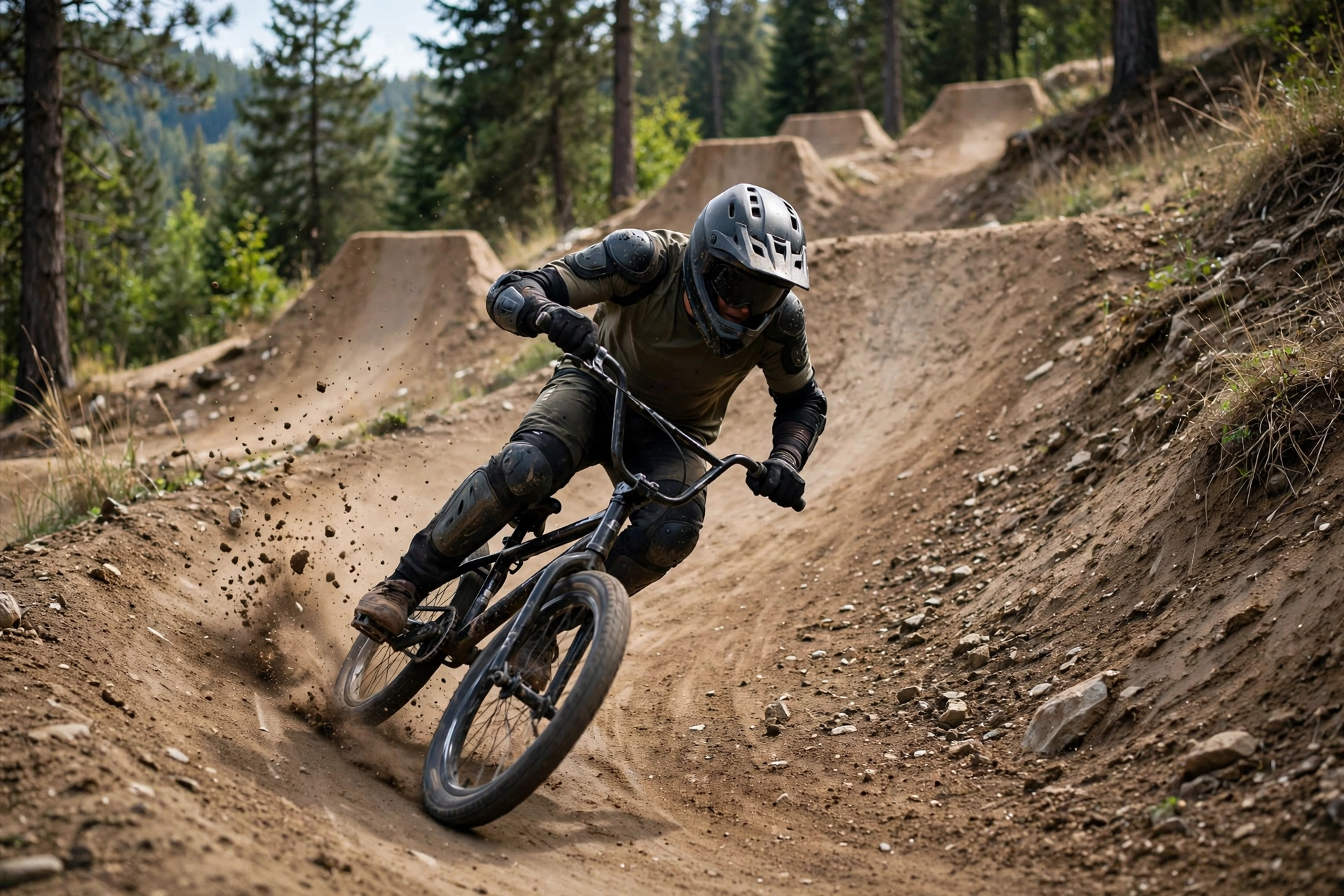
No, a full face BMX helmet is not automatically overkill for a downhill dirt track. In general terms, the faster the descent, the steeper the track, and the harder the surface, the more sense full face coverage makes. For gentle, slow dirt paths, it may feel like more helmet than you need, but for a proper downhill dirt track, it is often a sensible choice rather than an exaggerated one.
The key question is not whether a full face helmet looks serious. It is whether the risks on that particular track match the protection it offers. A downhill dirt track changes the equation compared with flat ground, a pump track, or a skatepark. Speed builds quickly, the ground is uneven, and a fall can send you forward over the bars. When that happens, your face and jaw are much closer to the dirt, rocks, and roots than they would be in a slow-speed tip-over.
What Makes a Downhill Dirt Track Different From Other BMX Riding?
A downhill dirt track is defined by gravity. You are not just pedalling along; you are managing speed that keeps increasing unless you brake, steer, and choose a line. Berms, jumps, rollers, and ruts all arrive faster than they do on flat ground, and mistakes have less time to correct. That combination raises both the chance of a fall and the force involved if you do fall.
The surface also matters. Dirt tracks are rarely smooth. Loose soil, gravel, exposed roots, and hard-packed sections can change grip from one metre to the next. A wheel can wash out in loose dirt, catch in a rut, or bounce off a root. In general terms, these are the kinds of incidents that can pitch a rider forward, which is exactly when chin and face protection becomes relevant.
What Does a Full Face Helmet Actually Protect?
A full face helmet extends protection around the chin, jaw, mouth, and lower face, in addition to the top and sides of the head covered by an open face helmet. That chin bar is the main difference. It is designed to take impact in the area that an open face helmet leaves exposed, and it also helps keep dirt, stones, and branches away from your face during a slide or tumble.
It is important to be clear about what a helmet cannot do. No helmet, full face or otherwise, makes a crash harmless, and no helmet removes the need for good technique, sensible speed, and a track within your ability. In general terms, a helmet is there to reduce the severity of head and face injuries in a fall, not to guarantee safety. Thinking of it that way helps you judge whether the extra coverage is worth it for the track in front of you.
When Is a Full Face Helmet Overkill?
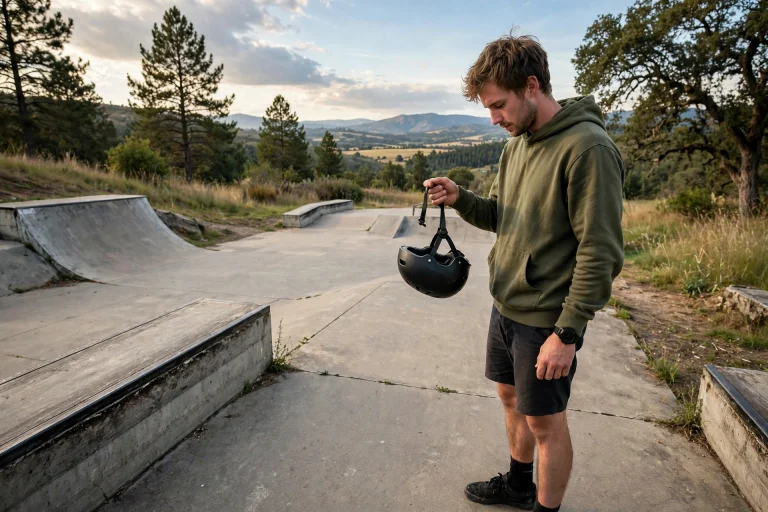
There are situations where a full face helmet may be more than you need. If you are riding slowly on a gentle dirt path, practising basic skills on flat ground, or cruising a smooth trail with no jumps or steep sections, an open face helmet may be perfectly reasonable. In those settings, the main risks are lower-speed falls, and the extra weight, warmth, and reduced airflow of a full face helmet can become a real drawback.
Visibility and hearing can also feel different in a full face helmet, particularly if you are not used to one. The chin bar sits in your lower field of view, and goggles can narrow what you see at the edges. Most riders adapt quickly, but if your riding is slow, relaxed, and low-risk, that adjustment may not be worth making. Overkill, in this sense, is not about the helmet being bad. It is about the protection exceeding the risk of the ride.
What Are the Downsides of Wearing a Full Face Helmet Downhill?
The main downsides are weight, heat, and cost, and they are worth weighing honestly. A full face helmet is usually heavier than an open face helmet, and that weight sits on your neck for the whole ride. On a long downhill run, or on repeated climbs to the start, that can add fatigue. A heavier helmet can also feel less natural if you are used to the freedom of an open face design.
Ventilation is another trade-off. Full face helmets do have vents, but they cannot match the airflow of an open face helmet. On a hot day, sweat builds up faster, goggles can fog, and you may need to stop more often. Good vent design helps, and so does choosing a helmet that fits well rather than one that is simply the most heavily padded option available.
How Do You Choose the Right Full Face Helmet for Dirt Tracks?
Fit comes first. A helmet should sit level on your head, feel snug all the way around without painful pressure points, and stay in place when you shake your head gently. The chin strap should be snug enough that you can fit only a finger or two underneath it. If the helmet rocks, slides, or lifts at the front, it is not the right size or shape for you, no matter how good it looks.
Look for a helmet made for the kind of riding you actually do. Some full face helmets are built for downhill mountain biking, some for BMX racing, and some for dirt jumping, and their weight, venting, and coverage can differ. In general terms, a helmet designed for dirt and downhill use will balance protection with the airflow and visibility you need on a dirt track. Check that it is certified for cycling use and that it has not been damaged or dropped heavily, since a damaged helmet may not protect as intended.
It is also worth learning what MIPS does before you buy, because some helmets include a low-friction layer designed to help manage rotational forces in certain angled impacts. That feature does not replace fit, certification, or sensible riding, but understanding it can help you compare helmets on more than price and appearance alone. Try the helmet on with the goggles you plan to wear, if you use them, so you know the combination works together before you reach the track.
Frequently Asked Questions
Q: Do I need a full face helmet for every dirt track?
A: No. For gentle, slow dirt riding, an open face helmet may be enough. A full face helmet makes most sense on steep, fast downhill tracks with jumps, berms, and loose or hard surfaces where a forward fall is more likely.
Q: Is a full face helmet hotter than an open face helmet?
A: In general terms, yes. Full face helmets cover more of your head and face, so they trap more heat. Vent design and fit can help, but on a warm day you should expect to feel warmer than you would in an open face helmet.
Q: Can I wear a full face helmet for other types of BMX riding?
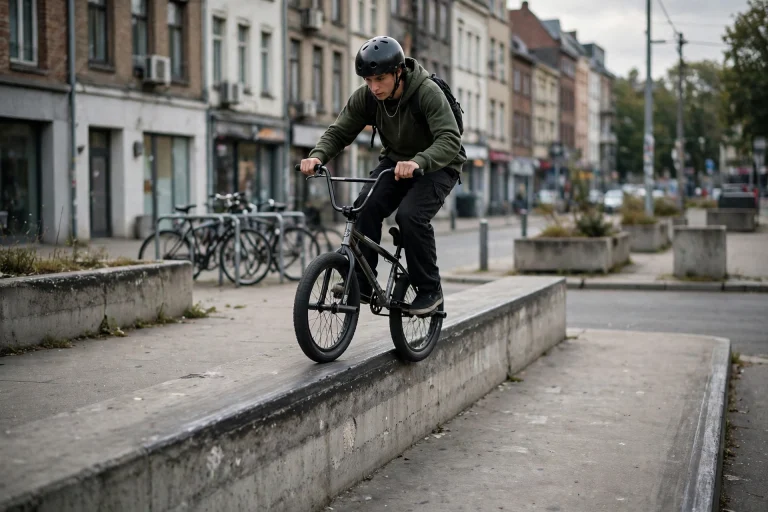
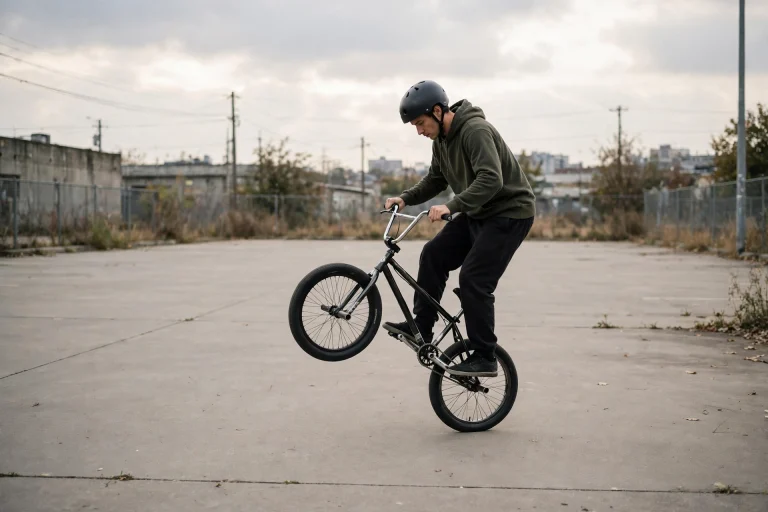
A: Yes, you can, but it may feel unnecessary for slow, flat riding. Many riders keep a full face helmet for downhill and faster dirt tracks and use an open face helmet for park riding, pump tracks, and relaxed cruising.

Olivia
Writer at Helmet Today, covering helmet reviews, fit and riding safety.