Your first BMX helmet checklist is simple: choose a helmet made for BMX riding, make sure it fits snugly and sits level on your head, fasten the straps correctly, and check it for damage before every ride. If any of those points fails, sort it out before you drop in.
Starting BMX can feel overwhelming, with new terms, new tricks and plenty of gear to think about. In general terms, though, picking a first helmet does not need to be complicated. You do not need the most advanced model, and you do not need to understand every technical detail before your first session. You need a clear, repeatable way to check fit, comfort and condition, so you can focus on learning.
What should a beginner check before buying a BMX helmet?
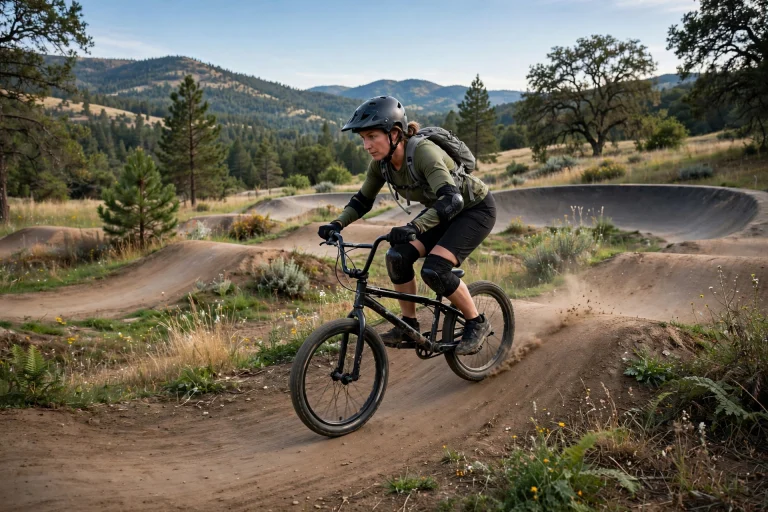
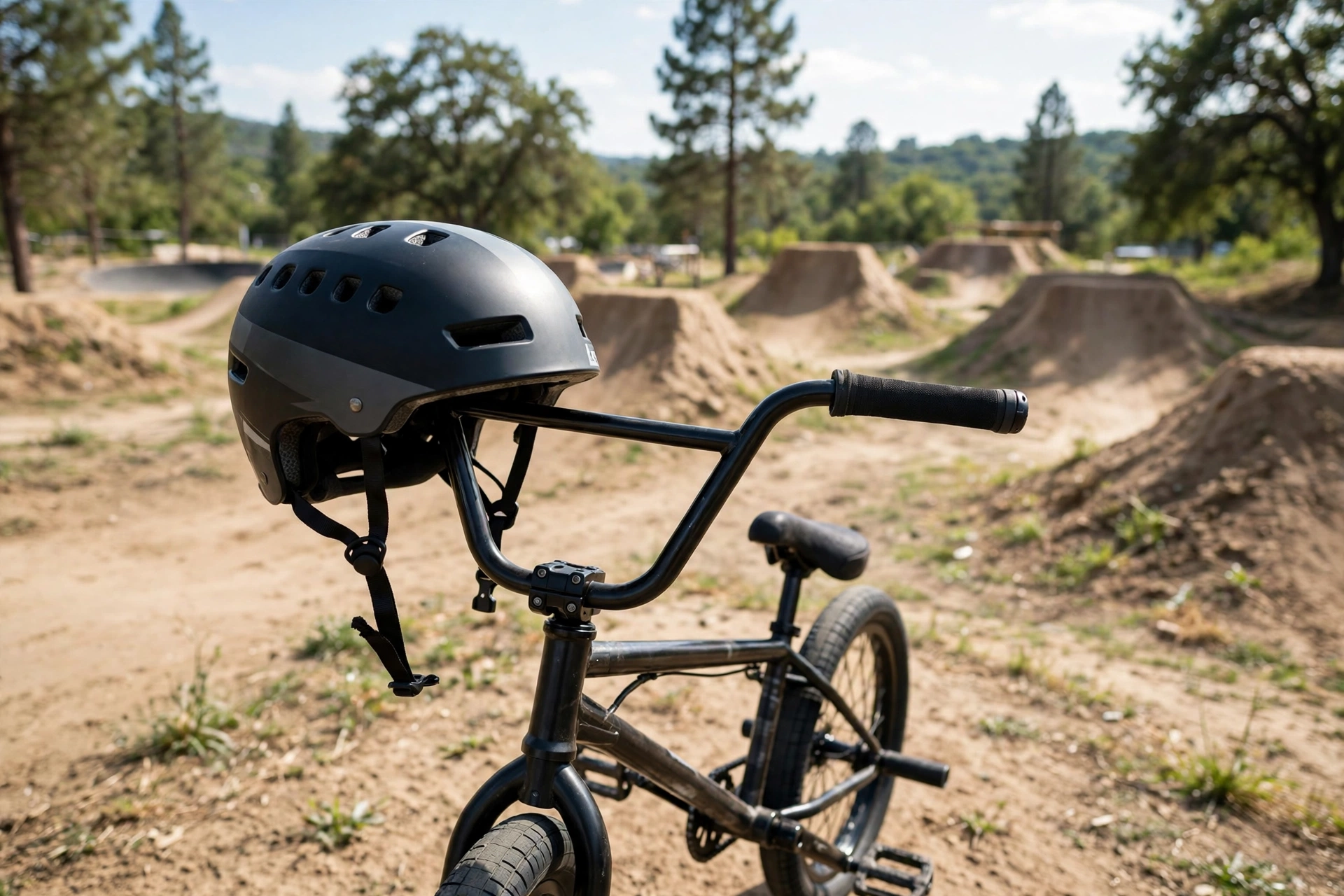
Start with the riding you plan to do. BMX covers everything from cruising around a skatepark to practising jumps and learning tricks, and different styles place different demands on a helmet. In general terms, a helmet designed for BMX or skate-style riding is a sensible starting point for most beginners, because it is made with that kind of riding in mind rather than adapted from another sport. Check the product description and make sure it matches the riding you actually plan to do.
Next, check sizing. Measure around your head just above your eyebrows and ears, then compare that measurement with the size guide for the helmet you are considering. Size guides vary between models, so try the helmet on for several minutes if you can. A helmet that already hurts is unlikely to become comfortable, and one that feels loose is unlikely to become secure.
- Confirm the helmet is intended for BMX or skate-style riding.
- Measure your head and compare it with the model’s own size guide.
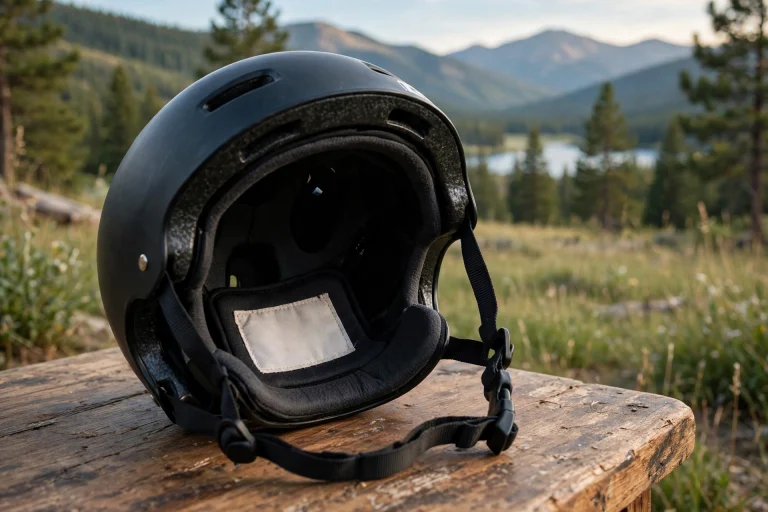
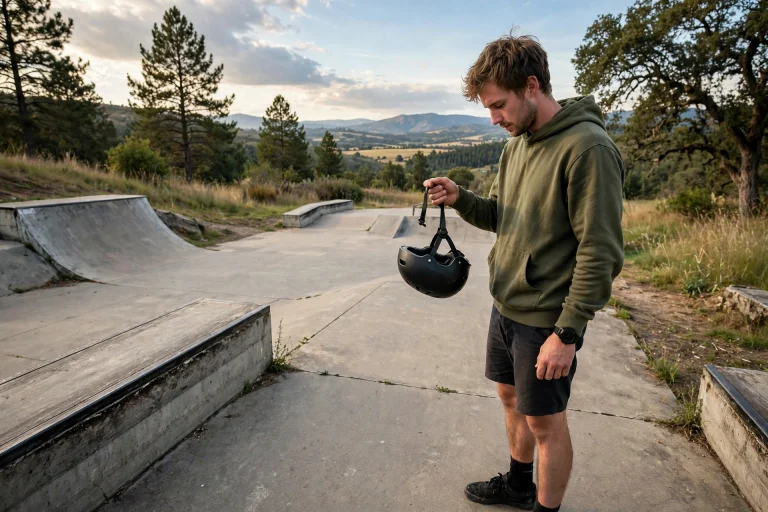
- Check the shell, padding, straps and buckle for damage or looseness.
- Make sure you can see clearly in every direction while wearing it.
How should a BMX helmet fit a beginner rider?
A good fit starts with position. The helmet should sit level on your head, covering your forehead without sliding down over your eyes or tipping back and exposing your forehead. In general terms, it should feel snug all the way around, with even pressure rather than a tight spot in one place and a gap somewhere else. When you shake your head gently, the helmet should move with your head rather than sliding around on its own.
Padding and any fit adjustment system play a big part here. Adjust them patiently, a little at a time, and recheck after each change. Comfort matters more than beginners often expect: a helmet that pinches or presses on your ears will distract you while you are learning. Wear it around the house for a short while before your first session, so you can spot pressure points calmly.
What safety features should beginners look for?
For a beginner, the most important safety feature is a helmet that fits correctly and is in good condition, because protection works best when it stays where it should during a fall. Beyond fit, look for a sturdy outer shell, secure inner padding, straps that hold their adjustment, and enough ventilation to stay comfortable on a warm day. A helmet you keep wearing for the whole session serves you better than one you keep taking off.
Some helmets include additional rotational-impact technology, and it is worth understanding the options before you choose. Learning what MIPS does in general terms can help you decide whether that kind of feature matters to you, without getting lost in technical claims. Also check for a recognised safety certification, usually shown inside the helmet or in its product information, but remember that certification is not a substitute for correct fit.
How do you check straps, buckles and pads at home?
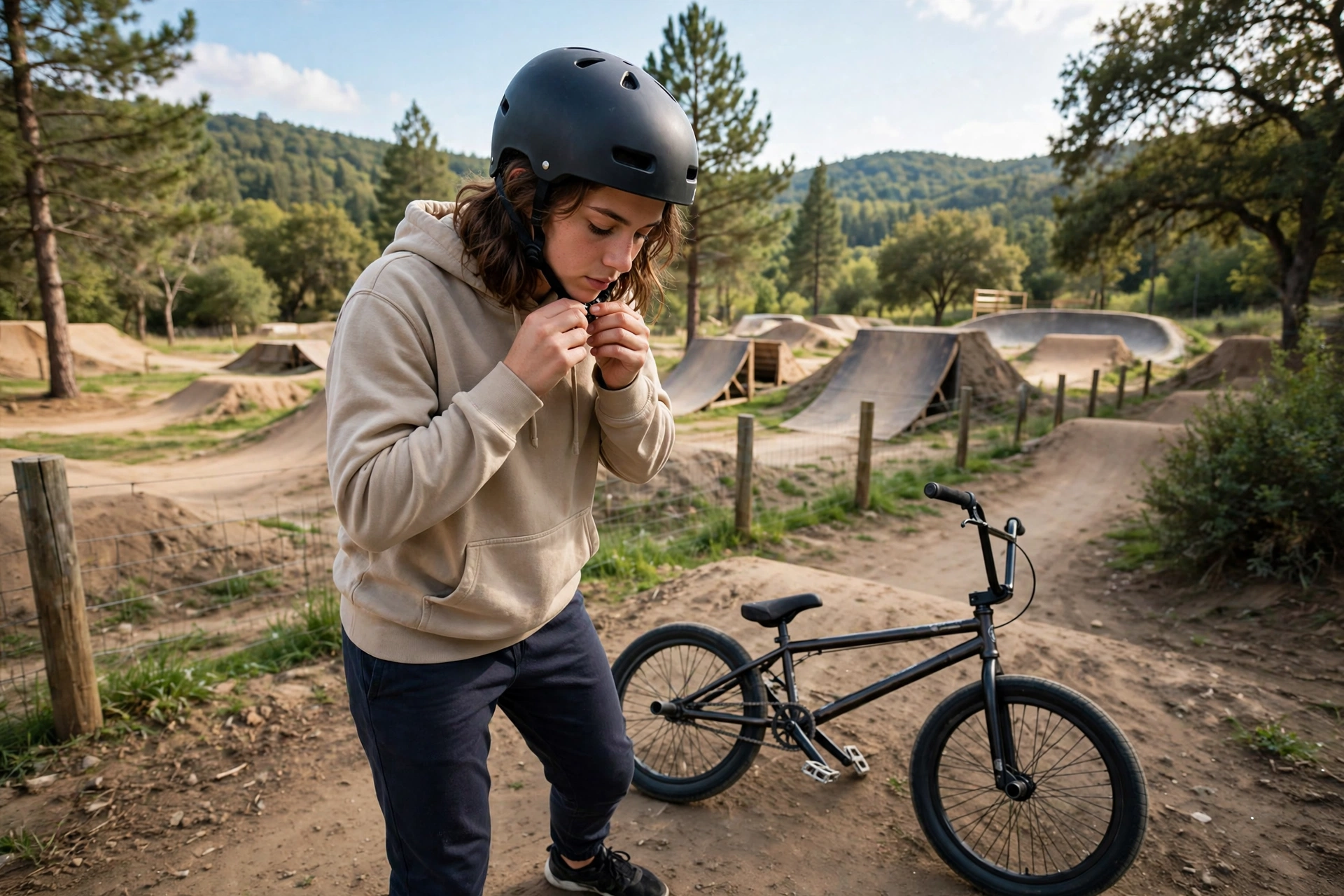
Start by fastening the chin strap so it feels snug but not uncomfortable. In general terms, you should be able to fit about one or two fingers between the strap and your chin, and the strap should not twist or dig in. Side straps should sit neatly around your ears, with the adjusters just below each ear rather than sliding towards your neck or up over your ears.
Test the buckle: it should click closed firmly and open only when you intend it to. Secure loose strap ends so they cannot flap or snag. Finally, press the pads gently and look for flat spots, tears or pads that have come loose. Removable pads can usually be cleaned, and worn pads should be replaced with the correct parts for your model, since fresh pads can make a real difference to how secure a helmet feels.
What common beginner mistakes should you avoid?
One common mistake is wearing the helmet too far back, like a cap, which leaves the forehead exposed. Another is leaving the straps too loose because a snug strap feels unfamiliar at first. Both reduce how well the helmet stays in place. Check position and straps in a mirror, or ask another rider, until the correct setup becomes habit.
Another mistake is borrowing a helmet without checking its fit or history. A helmet that fits someone else may not fit you, and one that has already taken a hard impact may be damaged in ways you cannot see. In general terms, use your own helmet, fitted to you, and replace a helmet after a significant impact even if damage is not obvious. Store it somewhere cool and dry, and check it regularly for cracks, worn pads or frayed straps.
With this checklist in hand, your first BMX helmet choice becomes much less stressful. Measure, try, adjust and recheck, and you will head to the park knowing your helmet fits and is ready for the session ahead.
Frequently Asked Questions
Q: Does a beginner need a full-face BMX helmet?
A: Not necessarily. In general terms, many beginners start with a skate-style helmet, while riders progressing to bigger jumps may later consider more coverage. Choose based on the riding you actually do.
Q: How often should a beginner check their BMX helmet fit?
A: Check the fit before every ride, and do a fuller check of straps, pads and shell condition regularly, especially after a fall. Fit can change as pads wear in, so a quick check each session is a good habit.
Q: Can a beginner use a second-hand BMX helmet?
A: It is risky in general terms, because you may not know whether it has been dropped or involved in an impact, and hidden damage is hard to spot. Choose a new helmet if anything about its history is uncertain.

Olivia
Writer at Helmet Today, covering helmet reviews, fit and riding safety.