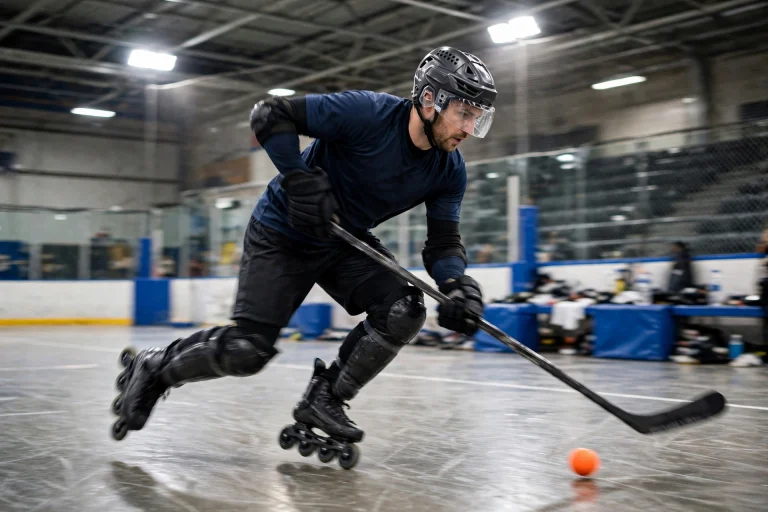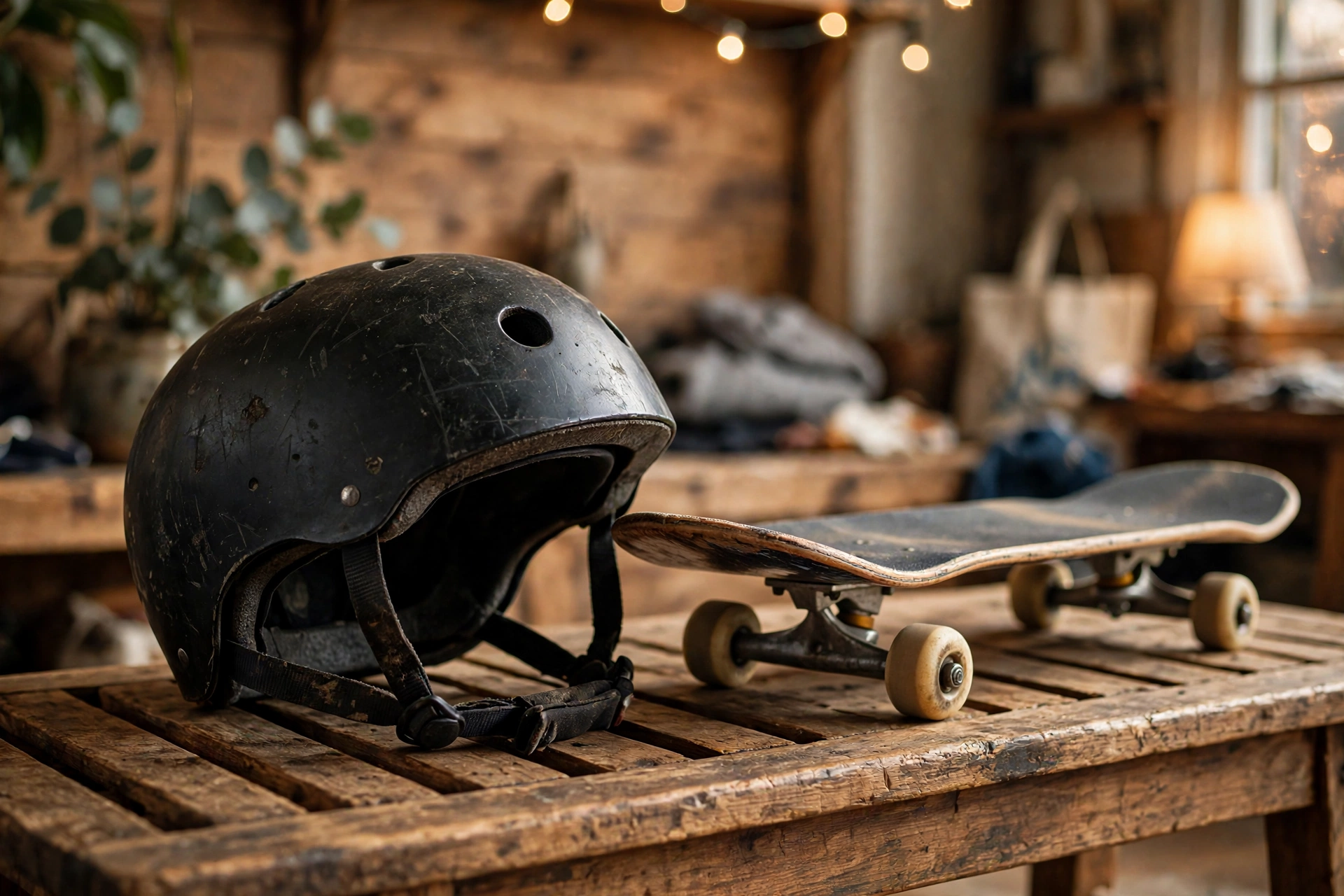
In general terms, a skate helmet that has never crashed can still be expected to last several years of regular use — but its foam liner, padding, and straps all age, so “no crash” does not mean “lasts forever.” How long it lasts depends on how often you skate, how you store it, and how well you look after it. A lightly used helmet stored indoors will outlast a daily-use helmet left in a hot car.
Many skaters keep a helmet until it visibly falls apart, which is too late. This guide explains what ages inside a helmet even without a crash, the signs that its life is over, and how to make a good helmet last as long as it safely can.
What Ages Inside a Skate Helmet Without a Crash?
The energy-absorbing foam liner is the main concern. That foam is designed to crush in an impact, but it also slowly hardens and becomes more brittle with age, heat, and exposure to sunlight. A foam liner that has hardened absorbs less energy than a fresh one, even if the helmet has never hit the ground.
Comfort padding ages faster and more visibly. It compresses with use, absorbs sweat, and gradually stops holding the helmet snug. A helmet that once fitted perfectly can become loose purely through padding wear, and a loose helmet protects poorly because it can shift in a fall.
Straps and buckles wear too. Straps fray at the edges, stretch slightly over time, and pick up grime that weakens the fibres. Buckles can develop cracks or lose their positive click. The shell itself can be weakened by ultraviolet light, heat, and contact with solvents or fuels — all common in a skater’s life.
None of this happens on a fixed date. Ageing is gradual, which is why there is no single expiry date printed on most skate helmets. Instead, the helmet’s condition — and its age combined with its use — tells you when it is time to replace it.
How Does Use and Storage Affect Helmet Life?
Frequency of use is the biggest factor. A helmet worn several times a week, dropped on concrete, tossed in a bag, and sweated in will age much faster than one worn a few times a year. Heavy use compresses padding, stresses straps, and accumulates small knocks that add up even without a single big crash.
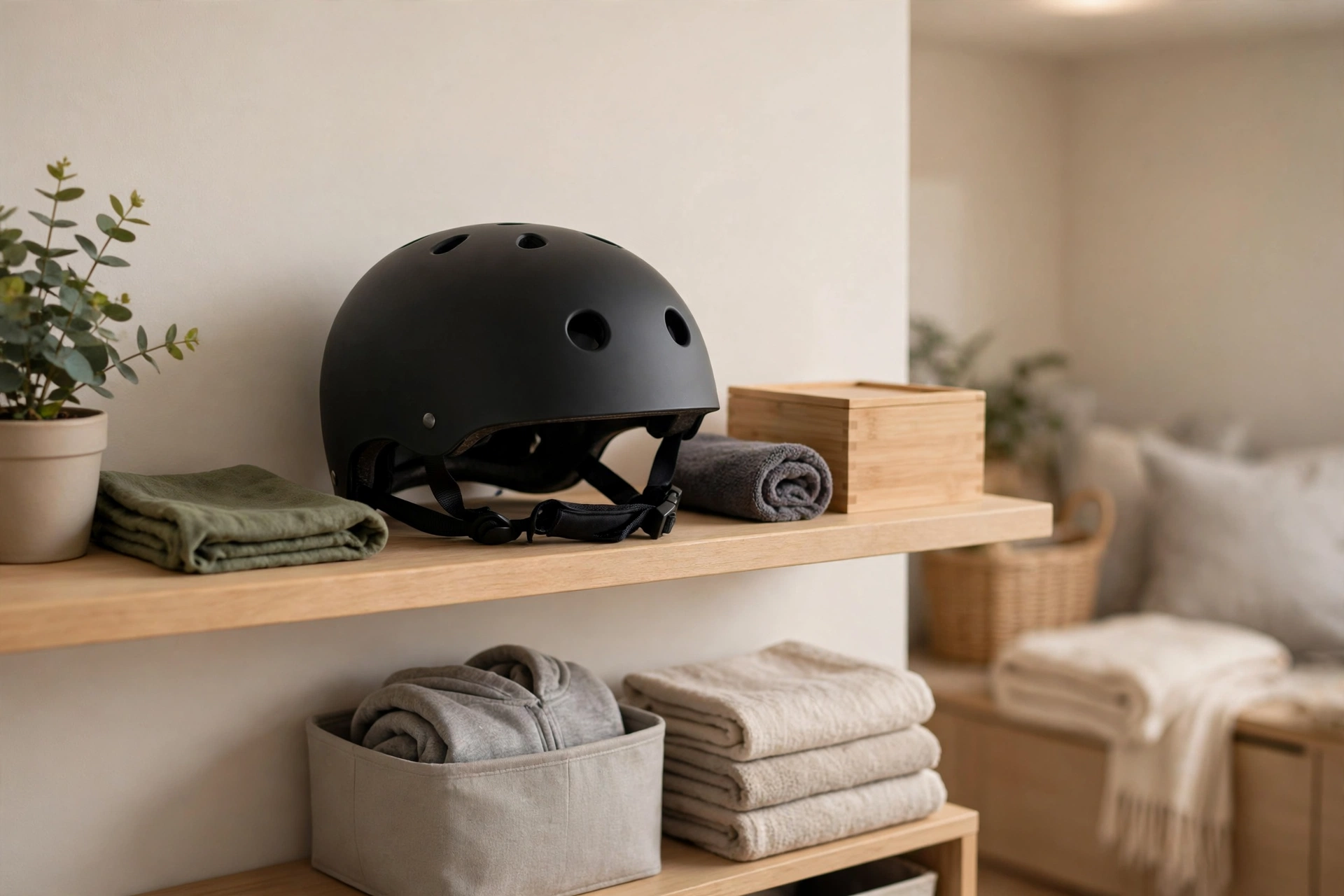
Storage matters almost as much. Heat is the enemy: a helmet left in a car boot or a sun-baked garage all summer ages faster than one kept indoors at room temperature. Direct sunlight degrades both the shell and the foam, so a helmet left on a dashboard or a sunny windowsill is ageing even while it sits still.
Chemicals are a quieter threat. Solvents, fuels, strong cleaning products, and even some insect repellents can attack helmet materials. Keep your helmet away from the garage shelf where those products live, and clean it only with mild soap and water.
Sweat and moisture play a part too. A helmet that is never dried out after sessions can develop odour and padding breakdown, and damp storage encourages mould in the padding. Let your helmet air-dry after skating, and store it somewhere dry and ventilated.
What Are the Signs a Skate Helmet Needs Replacing?
Looseness is the first sign most skaters notice. If a helmet that once sat snug now rocks, slides, or lifts when you shake your head — and adjusting the straps and fit system no longer fixes it — the padding has compressed beyond useful life. Do not compensate by wearing a beanie underneath to take up slack; replace the padding if possible, or replace the helmet.
Visible damage is a clear signal. Cracks in the shell, even small ones, mean the helmet’s structure is compromised. Crushed, crumbling, or dented foam inside the helmet is equally serious, since that foam is the part that absorbs impact. Frayed straps or a buckle that no longer clicks firmly are also replacement triggers.
Age plus heavy use is a softer but real signal. In general terms, a helmet that has been ridden hard for several years, shows worn padding and straps, and feels less snug than it once did is a candidate for replacement even without a crash. Think of it as a consumable item with a service life, not a permanent possession.
Can You Make a Skate Helmet Last Longer?
Yes, with simple habits. Store the helmet indoors, away from heat and direct sun. Let it dry after every session. Clean it gently with mild soap and water, and remove and wash the padding if the maker allows it. Avoid dropping it unnecessarily, and do not hang it by its straps from a hook, which stretches them unevenly.
Use a helmet bag if you carry it around a lot. A bag protects the shell from knocks and scratches in transit, and it keeps the helmet away from sharp objects that could gouge the shell. It is a small investment that pays off in helmet life.
Rotate if you skate daily. Two helmets in rotation each last longer than one worn every day, because each gets time to dry out fully between sessions. That is not practical for everyone, but for daily skaters it is worth considering.
Keep the helmet’s certification in mind too. A certified helmet starts from a tested baseline, and good care preserves that baseline for longer. For more on how helmets are designed to manage impact forces, see this guide to what MIPS means for helmets.
Should You Replace a Helmet After a Small Knock?
Not every knock means replacement. Dropping an empty helmet onto a soft floor, or a light bump against a wall, is unlikely to damage the foam. The concern is impacts where your head was inside the helmet and force was transferred through it — a fall onto concrete, a collision, or a hard knock at speed.
When in doubt, inspect the helmet. Look inside for crushed or cracked foam, and check the shell for dents or cracks at the impact point. If anything looks damaged, or if the fall was hard enough that your head hurt afterwards, replace the helmet. The cost of a new helmet is small compared with the protection it provides.
For children, be stricter. Children fall often, their helmets take frequent knocks, and they may not report a hard fall accurately. Inspect a child’s helmet regularly and replace it generously — a helmet is cheap, a head injury is not.
Frequently Asked Questions
Q: Does a skate helmet expire on a specific date?
A: In general terms, no — most skate helmets have no fixed expiry date. Their life depends on age, use, storage, and condition, so inspect yours regularly and replace it when it shows wear or looseness.
Q: Can I keep using a helmet that looks fine after five years?
A: If it fits snugly, shows no cracks or crushed foam, and has been stored well, it may still be serviceable. But a heavily used helmet of that age deserves a close inspection, and any looseness or damage means replacement.
Q: Does replacing the padding extend a helmet’s life?
A: Yes, fresh padding can restore fit and comfort, and it is worth trying before replacing the whole helmet. But padding cannot fix a cracked shell, crushed foam, or worn straps — those mean a new helmet.

Olivia
Writer at Helmet Today, covering helmet reviews, fit and riding safety.