In general terms, before buying a cricket helmet you should check its safety certification, the fit, the faceguard coverage, and the condition of its padding and shell — a helmet that meets a recognised standard and fits properly is the one that gives you real protection at the crease. Cricket helmets are not all built to the same level, and a helmet chosen on looks or price alone may leave gaps in protection exactly where a fast ball can reach.
Whether you are buying your first helmet or replacing an old one, the checks in this guide take only a few minutes and can make a genuine difference. They cover the standard, the fit, the grill, and the wear and damage that mean a helmet should be retired rather than reused.
What Safety Standards Apply to Cricket Helmets?
Cricket helmets in many markets are tested against a recognised safety standard, and the label inside the helmet or on its packaging should state which standard it meets. In general terms, a helmet that carries a current standard mark has been tested for impact absorption and for the strength of its faceguard, while an unmarked helmet has no such assurance.
Standards are updated from time to time as testing improves, so a helmet bought many years ago may meet an older version rather than the current one. When buying new, accept nothing less than the current standard — check the label and ask the retailer if it is missing or unclear.
Be wary of helmets that claim protection without naming a standard, or that use vague wording such as “safety tested” with no detail. A genuine standard mark is specific: it names the standard and usually the testing body. If a seller cannot tell you which standard a helmet meets, treat that as a reason to look elsewhere.
How Should a Cricket Helmet Fit?
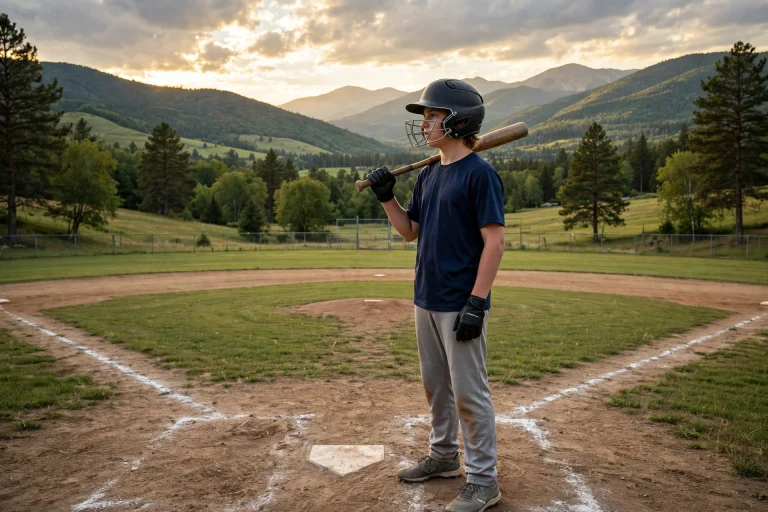
Fit is the second check, and it matters as much as the standard. A cricket helmet should sit level on the head, covering the forehead down to just above the eyebrows, with the shell sitting snugly all round and no rocking or sliding when you shake your head. The chin strap should hold it firmly without pinching, and the internal padding should touch the head evenly rather than pressing in one spot.
Most helmets come in sizes, and some use adjustable padding or a dial system to fine-tune the fit. Try it on with anything you normally wear underneath, such as a sweatband, because that changes the fit. If you wear glasses, check that the helmet works with them and that the grill does not press the frames into your face.
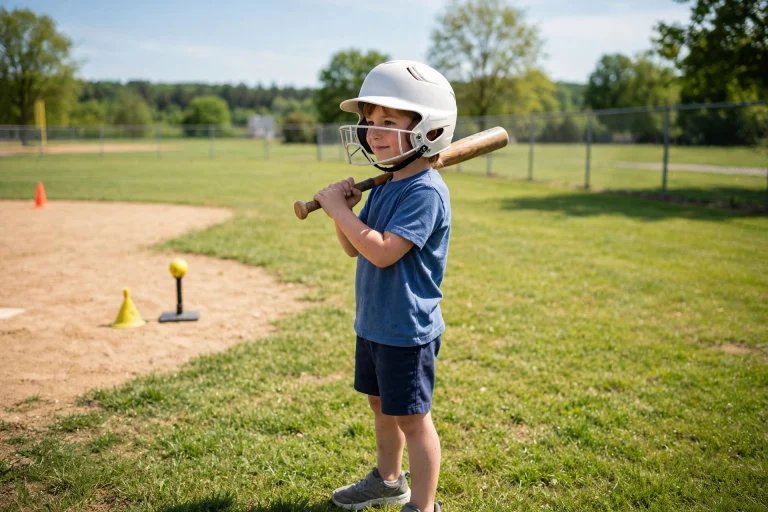
Junior players need particular care with fit, because a helmet that is too big is a common problem when parents buy a size to “grow into”. A helmet that is too large can shift on impact and expose the forehead or temple, which defeats its purpose. Buy the size that fits now, and replace it as the player grows.
What Should You Check on the Faceguard?
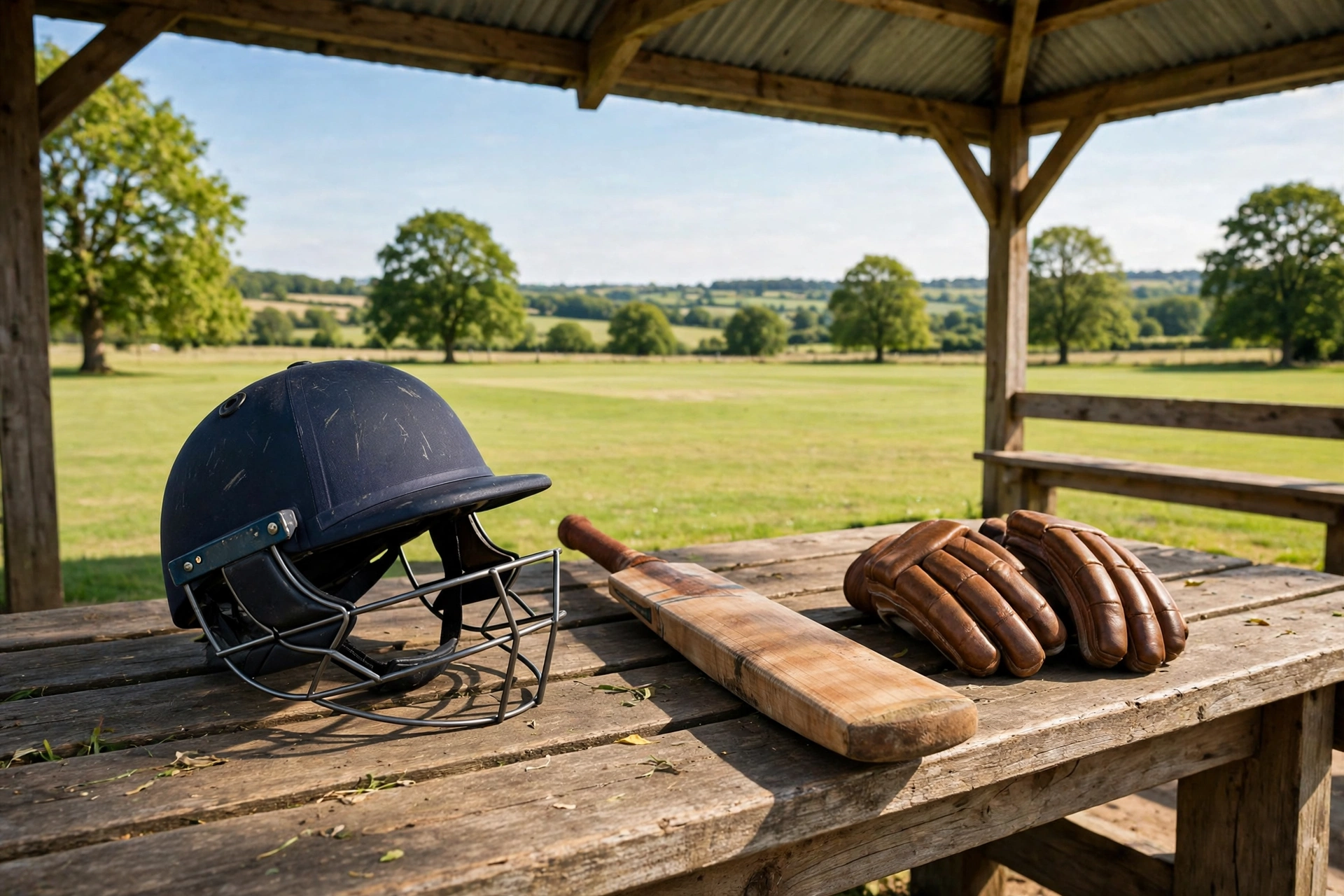
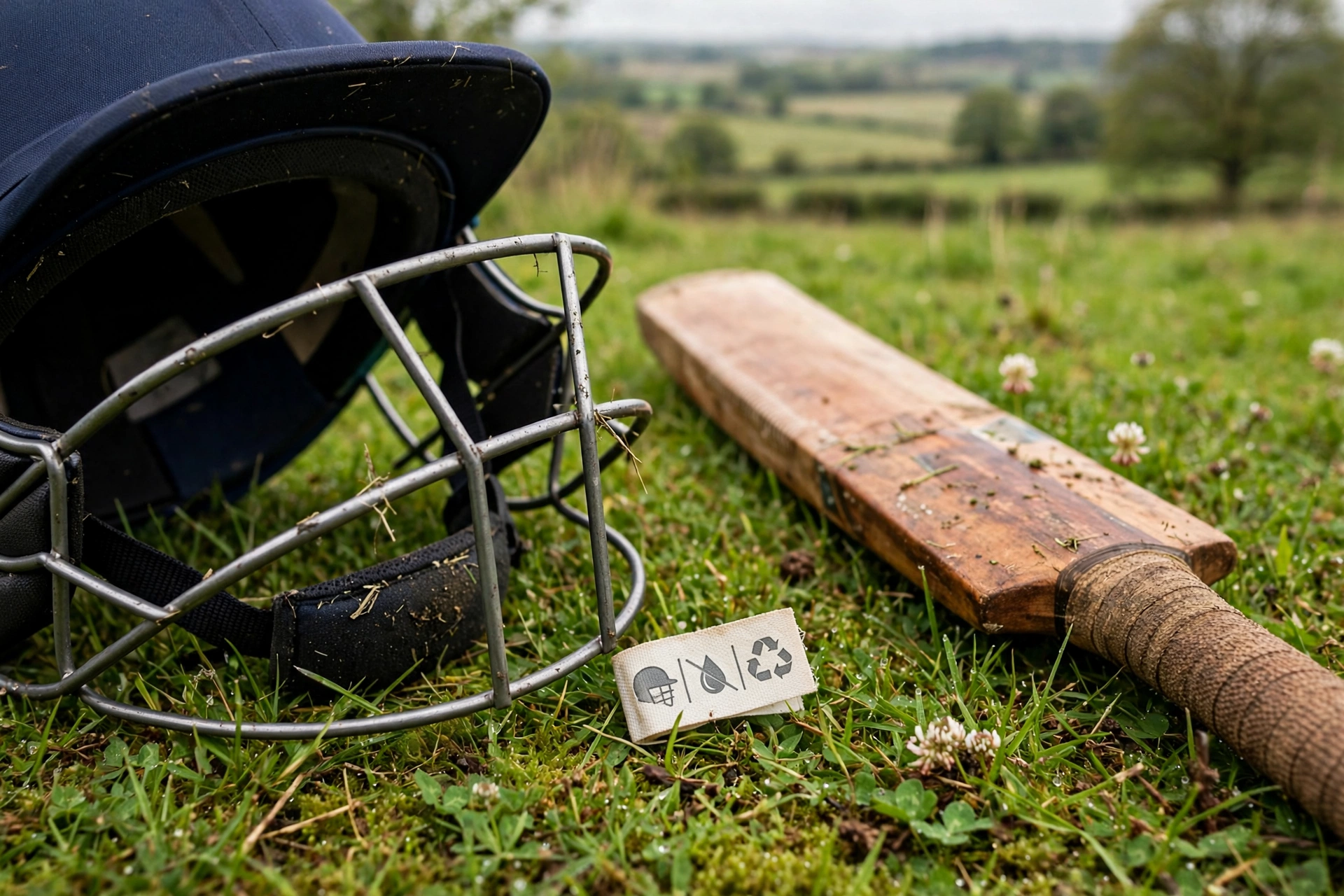
The faceguard, or grill, is the part of the helmet that protects your face and jaw, and it deserves its own check. The gaps between the bars should be small enough that a cricket ball cannot pass through them — in general terms, the gap is designed so that a ball cannot squeeze between the bars and reach the face. Check that the bars are straight, firmly fixed, and free of cracks or bends.
The grill should also sit at the right distance from your face: close enough to protect, but not so close that it touches your nose or chin when you move your head. Grill styles vary — some offer wider vision, others more jaw and ear coverage — so choose by position and preference.
Check how the grill attaches to the shell. The fixings should be tight and complete, with no missing bolts or clips. A grill that wobbles or rattles is not just annoying; it may not hold its position in an impact. Replacement grills are available for many helmets, so a damaged grill does not always mean replacing the whole helmet, but never play with a grill that is bent, cracked, or loose.
What About the Shell, Padding and Straps?
The shell is the helmet’s outer layer, and it should be free of cracks, dents, and deep scratches. Hairline cracks can be hard to spot, so inspect the shell in good light and run your fingers over it. Any helmet that has taken a hard blow — a ball strike to the helmet, or a fall onto a hard surface — should be checked carefully, and replaced if there is any doubt about its condition.
The internal padding absorbs impact and keeps the helmet comfortable, and it degrades over time. Padding that is flattened, crumbling, or coming away from the shell no longer does its job properly. Sweat and heat also break padding down, so a helmet used heavily for several seasons may need new pads even if the shell looks fine. Many manufacturers sell replacement padding, which is worth fitting if the shell and grill are still sound.
Straps and buckles are easy to overlook but essential: a chin strap that slips or a buckle that does not hold means the helmet can come off or shift at the worst moment. Test the strap and buckle before every season, and replace them if they fray, stretch, or fail to lock securely.
When Should You Replace a Cricket Helmet?
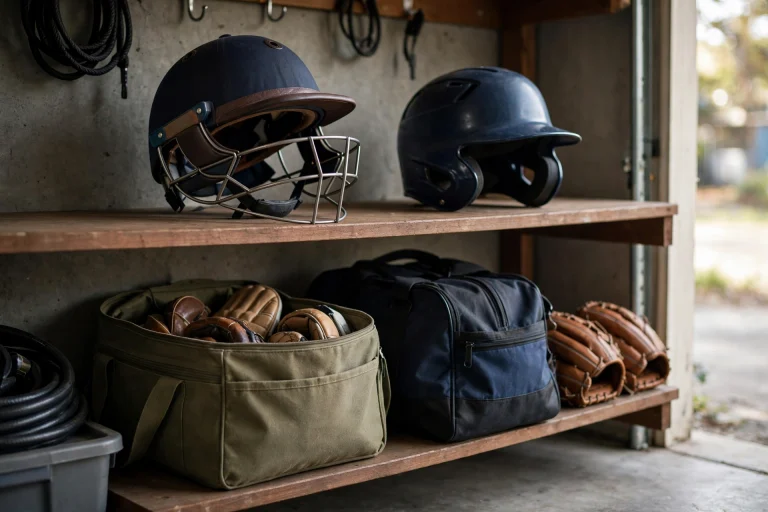
In general terms, a cricket helmet should be replaced after a significant impact, when the shell or grill is damaged, when the padding has degraded, or when it no longer fits the player. No single expiry date applies to every helmet, but age, use, and storage all affect it — a helmet left in a hot car boot or damp kit bag ages faster than one stored properly.
Parents should also watch for growth: a junior helmet that fitted last season may be too small this season, and a helmet that is too tight can be just as problematic as one that is too loose, because it may sit too high and leave the forehead exposed. Check the fit at the start of every season, not just when buying.
Finally, remember that a helmet is part of a wider approach to head protection, and that its fit and condition are what make its protection work — including systems that address angled impacts, as explained in this guide to what MIPS means for helmets. Buy a helmet that meets a current standard, fits well, and is in good condition, and check it regularly through the season.
Frequently Asked Questions
Q: Do all cricket helmets meet the same safety standard?
A: No — helmets vary, and some carry no recognised standard mark at all. Always check the label inside the helmet or on its packaging, and choose one that meets a current recognised standard.
Q: How do I know if a cricket helmet fits properly?
A: It should sit level, cover the forehead to just above the eyebrows, feel snug all round with no rocking, and stay put when you shake your head. The chin strap should hold it firmly without pinching.
Q: Should I replace a helmet after it is hit by a ball?
A: In general terms, yes if the impact was hard or if there is any visible damage to the shell, grill, or padding. When in doubt, replace it — a helmet’s job is to absorb one serious impact well.

Olivia
Writer at Helmet Today, covering helmet reviews, fit and riding safety.