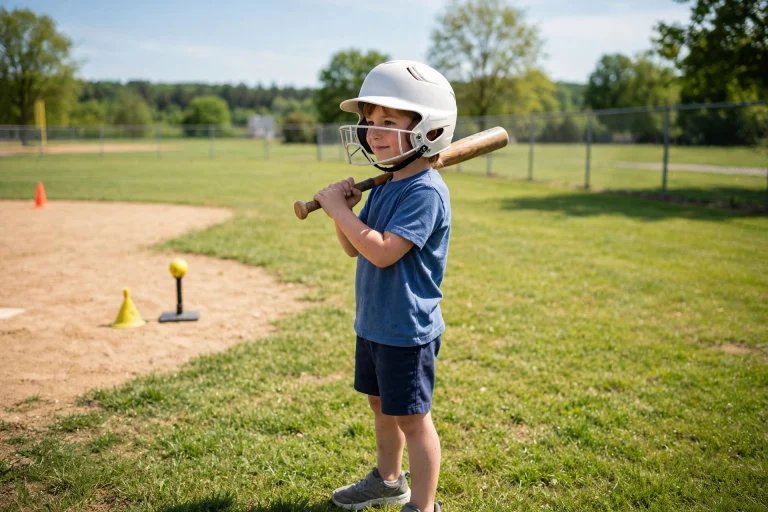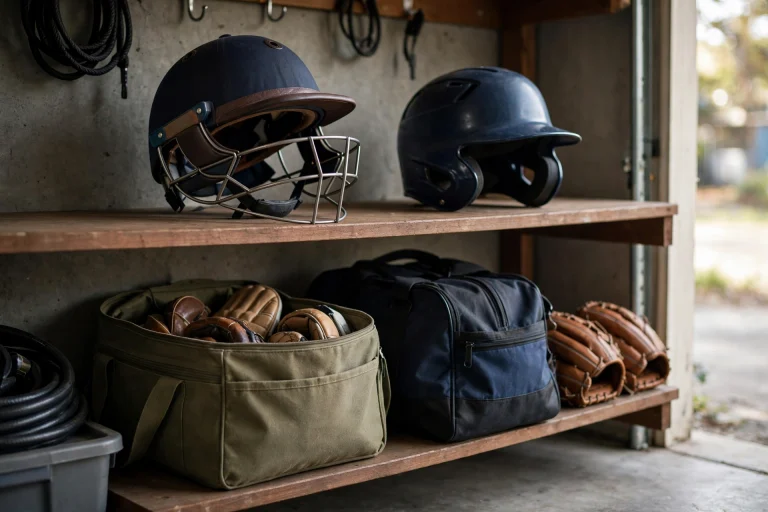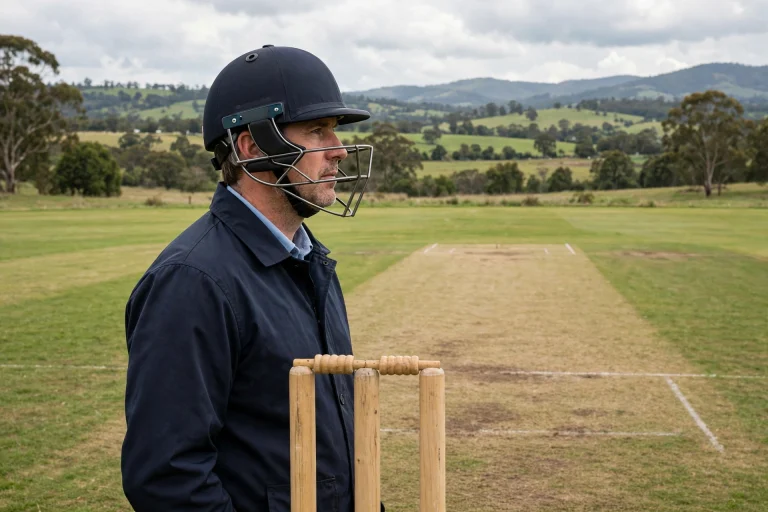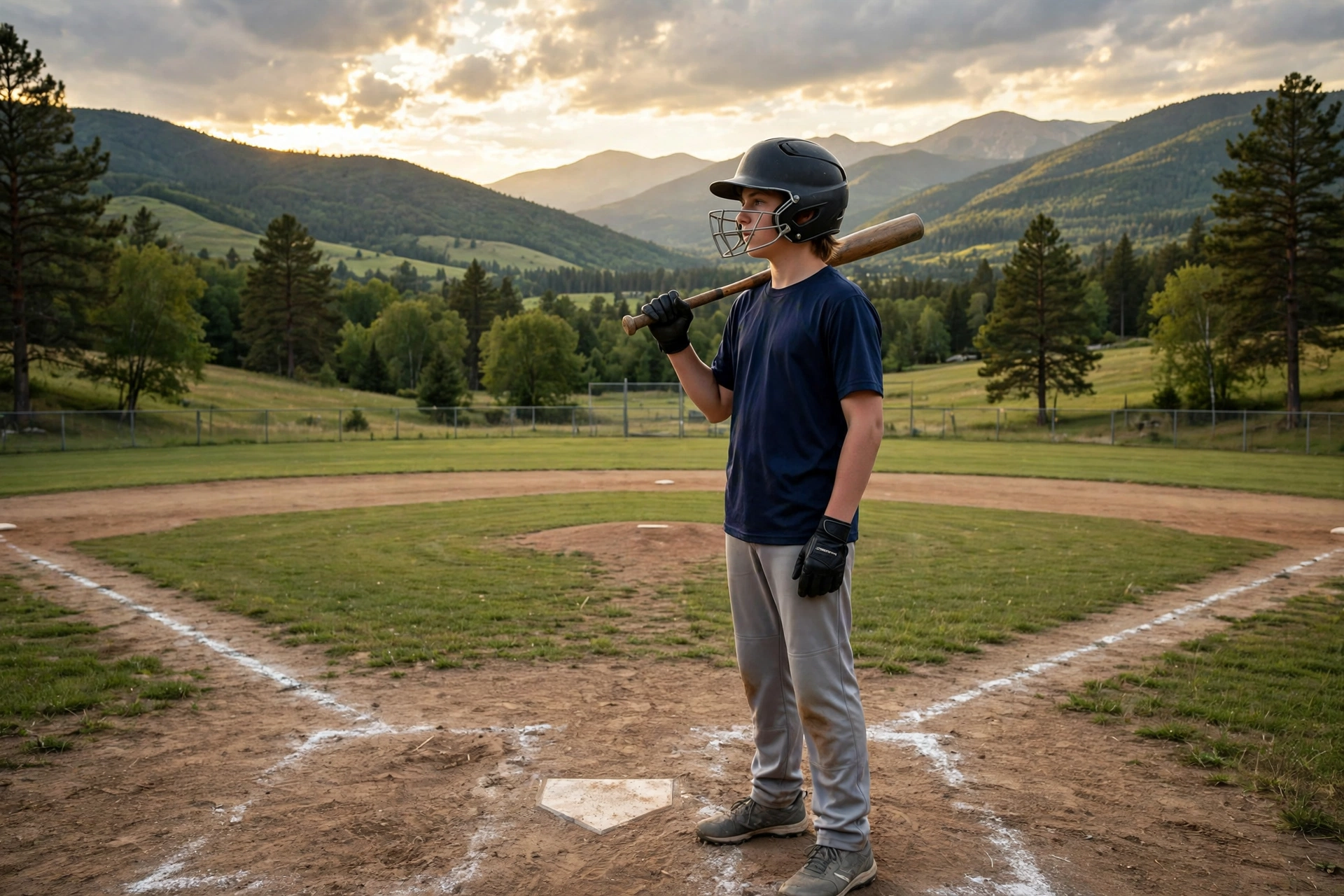
In general terms, face guard rules for youth baseball helmets vary by league: many youth leagues require a face guard or jaw guard on batting helmets for younger age groups, while others leave it to the player or parent — so always check your league’s rules before buying, and consider a face guard even where it is optional, because it protects the face and jaw from batted and thrown balls. Young players are still learning to track the ball and react to wild pitches, which makes face protection particularly valuable at youth level.
This guide explains the rules, the types of face guard, and how to choose one that your child will actually wear.
Do Youth Leagues Require Face Guards?
Many youth leagues do, at least for younger age groups. Leagues for the youngest players often require a face guard on every batting helmet, because young batters are more likely to be hit by a pitch or to turn into a ball. As players get older and more experienced, some leagues drop the requirement and leave the choice to the player or parent.
Softball youth leagues are often stricter than baseball youth leagues, and some require face guards for all batters up to a certain age. Tournament rules can also be stricter than regular league rules, so a helmet that satisfies your league may not satisfy a tournament — check both if your child plays tournaments.
Even where face guards are not required, coaches and parents often encourage them. A league that does not mandate a face guard is not saying it is unnecessary; it is leaving the decision to the family, and the sensible decision for a young player is usually to wear one.
What Types of Face Guard Are There?
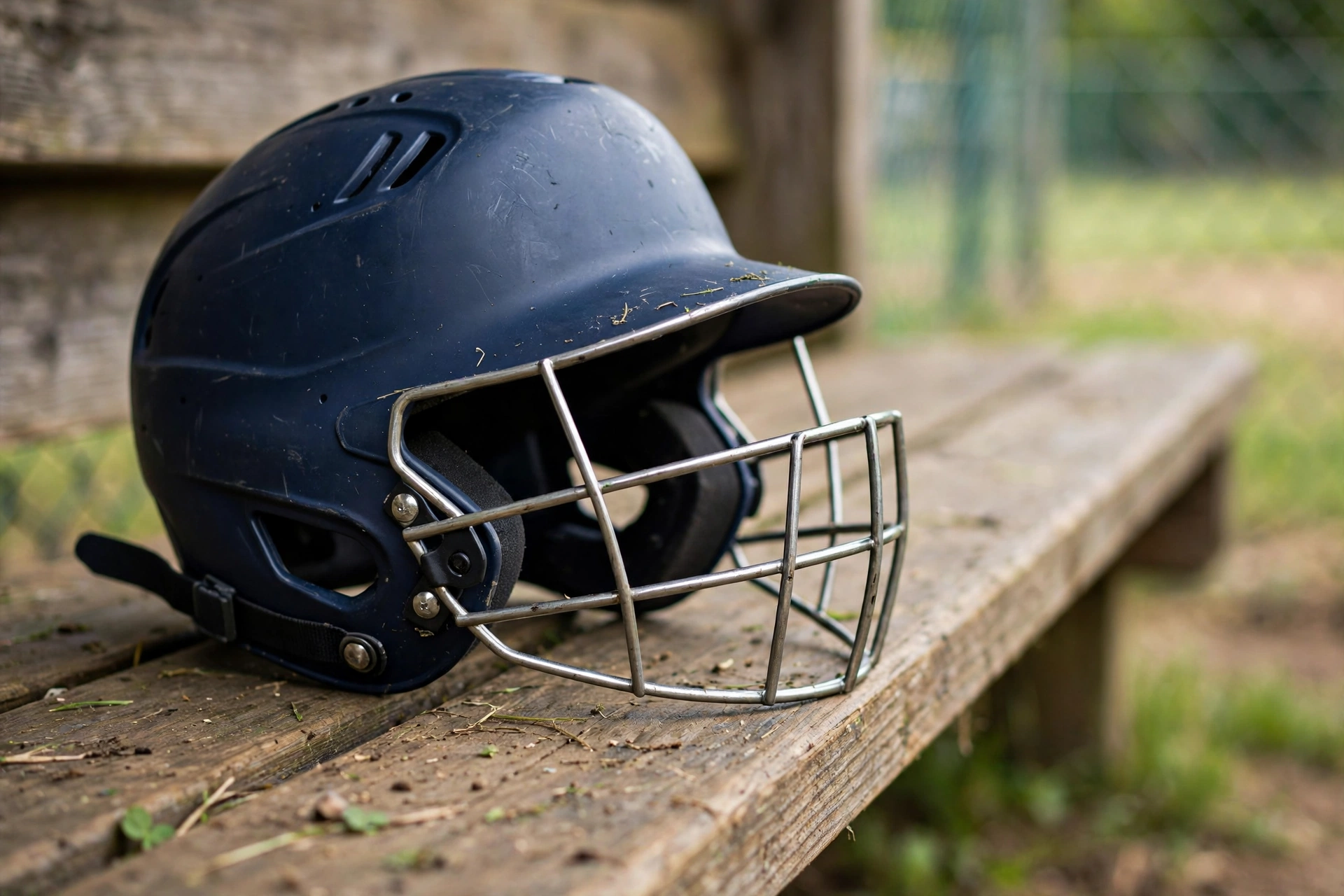
The most common type is a metal face guard that attaches to the batting helmet and covers the face with bars, similar to a grill. It protects the face, eyes, and jaw while leaving gaps for vision and breathing. Metal face guards are durable and widely available, and they fit most standard youth batting helmets.
Another type is a jaw guard, sometimes called a C-flap, which attaches to one side of the helmet and covers the jaw and cheek on that side. Jaw guards are popular among older youth players who want protection for the jaw — the area most often struck by a pitch — without the full coverage of a face guard. They are lighter and less obstructive, but they protect a smaller area.
Some helmets come with an integrated face guard already fitted, while others accept an attachable guard bought separately. If you buy a guard separately, check that it is compatible with your child’s helmet model — a guard designed for one brand may not fit another, and a poorly fitted guard can shift or obstruct vision.
How Do You Choose the Right Face Guard?
Start with your league’s rules: find out whether a face guard is required, and if so, whether any type is specified. That narrows the choice immediately and avoids buying a guard that is not allowed.
Then consider your child’s age, position, and confidence. Younger players, and players who are nervous about being hit, benefit most from full face coverage, while older, more confident players may prefer a jaw guard. Pitchers and infielders who also bat may want a guard that works for both batting and fielding, though in general terms batting helmets are not worn in the field.
Fit and vision matter as much as coverage. The guard should sit at a sensible distance from the face, should not press on the nose or chin, and should not block the view of the ball. Have your child try the helmet with the guard fitted, practise a swing, and check that they can see the ball clearly from the batter’s box.
Do Face Guards Affect Batting?
Some players worry that a face guard will obstruct their vision or feel heavy, and that it will affect their batting. In general terms, a well-fitted face guard has little effect on batting once the player is used to it — the bars are thin, the field of view is wide, and the weight is small compared with the helmet itself.
The adjustment period is real, though. A player trying a face guard for the first time may find it distracting for a few sessions, and it is worth practising with it in training before using it in a game. Most young players adapt quickly, and the confidence that comes from knowing the face is protected can actually improve batting, because the player is less likely to flinch or bail out.
If a face guard genuinely obstructs vision or feels uncomfortable, try a different style or a different fit before giving up on face protection. A jaw guard, or a face guard with a different bar layout, may suit your child better than the first one tried.
What Else Should Parents Check?
Check the guard’s condition regularly. Metal guards can bend if struck by a ball, and a bent guard may sit closer to the face or obstruct vision. Check the fixings too: bolts and clips should be tight and complete, and a guard that wobbles should be refitted or replaced.
Also check that the helmet itself still fits. A face guard adds a small amount of weight to the front of the helmet, which can change how it sits, so re-check the fit and the chin strap after fitting a guard. And remember that fit is what makes any helmet’s protection work — including systems that address angled impacts, as explained in this guide to what MIPS means for helmets.
Frequently Asked Questions
Q: Are face guards required in youth baseball?
A: It depends on the league and age group — many leagues require them for younger players, while others leave it optional. Always check your league’s rules before buying.
Q: What is the difference between a face guard and a jaw guard?
A: A face guard covers the whole face with bars, while a jaw guard (C-flap) covers only the jaw and cheek on one side. Face guards protect more; jaw guards are lighter and less obstructive.
Q: Will a face guard affect my child’s batting?
A: In general terms, a well-fitted face guard has little effect once the player is used to it, and the confidence it gives can actually help batting. Practise with it in training first.

Olivia
Writer at Helmet Today, covering helmet reviews, fit and riding safety.