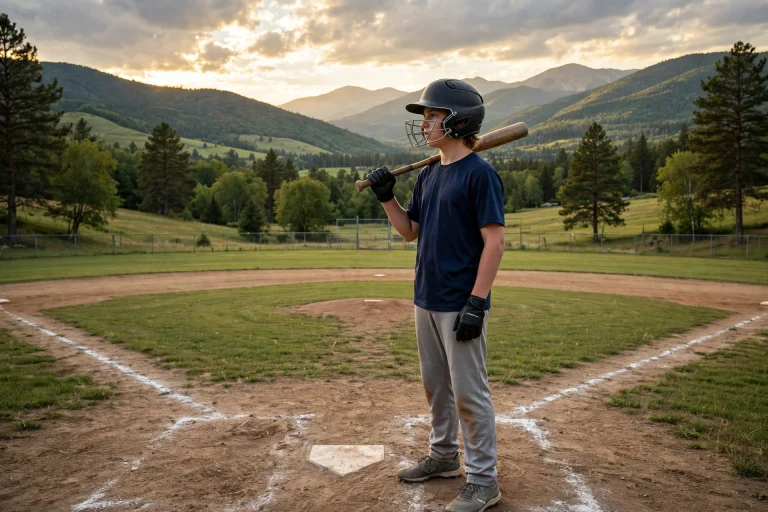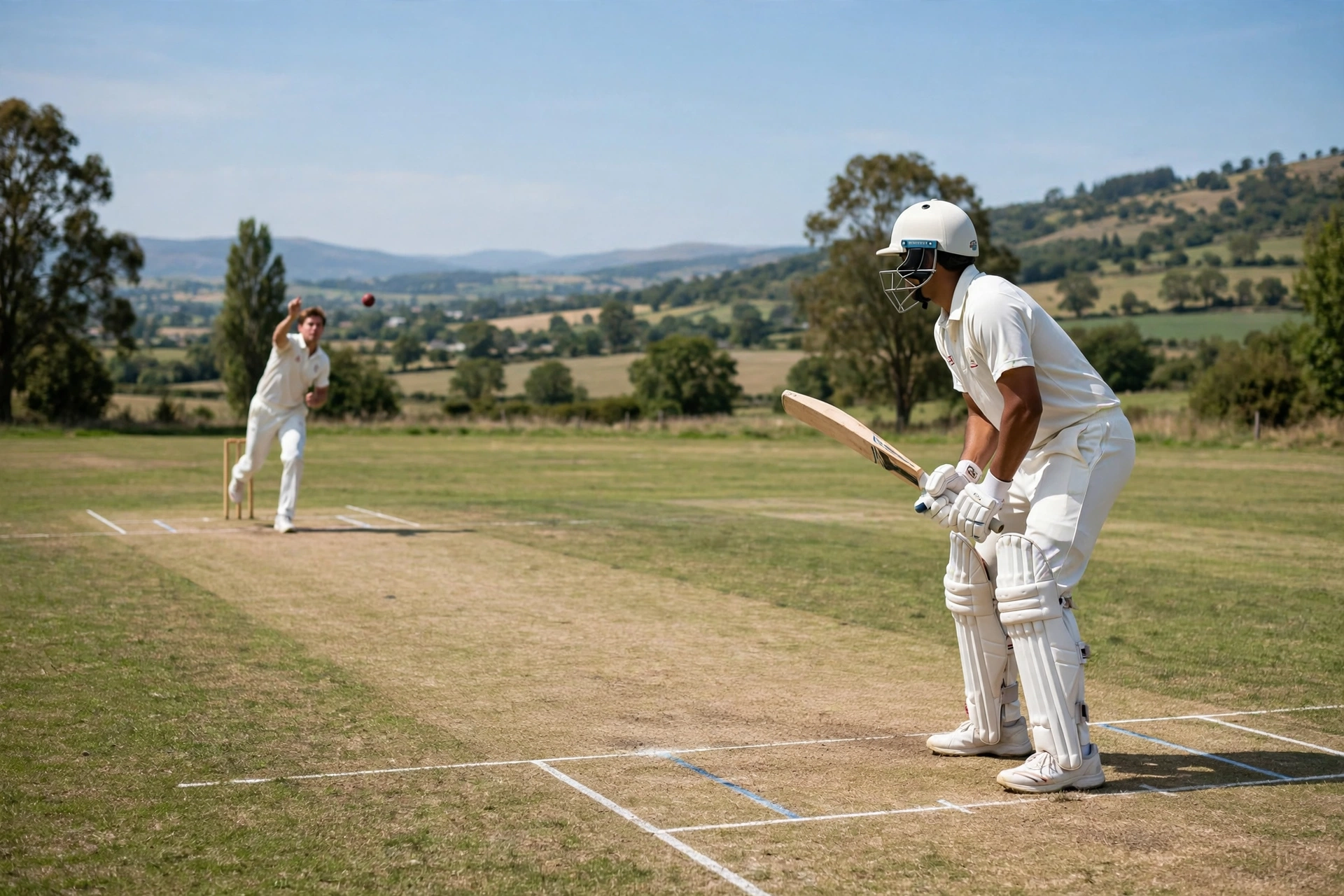
In general terms, a batsman facing fast bowling needs a helmet that meets a current safety standard, fits snugly, and has a full faceguard with bars close enough that a ball cannot pass through — fast bowling leaves almost no time to react, so the helmet has to do its job without any help from the batsman. Facing a fast bowler is one of the most demanding situations in cricket, and the helmet is the batsman’s main protection against a ball that can arrive at the head in a fraction of a second.
This guide covers what makes a helmet suitable for fast bowling, how to fit it, and the habits that keep a batsman safe against pace.
Why Is Fast Bowling Different for Helmet Choice?
Speed changes everything. Against a fast bowler, the ball reaches the batsman far more quickly than against medium pace or spin, which means there is less time to duck, sway, or take evasive action. A ball that rises unexpectedly off the pitch can reach head height before the batsman has fully reacted, and that is exactly the situation a helmet is designed for.
The ball can also deviate. Seam movement, swing, and uneven bounce mean the ball does not always go where the batsman expects, and a delivery that looks safe can climb or cut in towards the head. A helmet with good coverage — including the temples, the back of the head, and the jaw — protects against the ball that does not behave as expected, not just the one that does.
Fast bowling also means repeated exposure. A batsman facing a full spell of fast bowling will face many deliveries, and the risk accumulates over the innings. That is why the helmet’s condition and fit matter so much: a helmet that is slightly loose or slightly damaged may survive one ball but fail on the next, and there is no way to know which ball will be the dangerous one.
What Should You Look for in a Helmet for Fast Bowling?
Start with the standard. A helmet for fast bowling should meet a current recognised safety standard, and the label should be clear. Helmets designed for higher levels of play are usually built and tested with faster bowling in mind, so if you regularly face genuine pace, choose a helmet aimed at that level rather than a basic junior or recreational model.
Coverage is the next check. The shell should cover the forehead, temples, and the back of the head, and the faceguard should protect the face and jaw with bars spaced closely enough that a ball cannot squeeze through. Some helmets offer additional coverage around the ears and the back of the head, which is worth considering if you face fast bowling regularly.
Some batsmen also use additional protection, such as a neck guard or a stem guard that attaches to the back of the helmet and protects the back of the neck. In general terms, extra neck protection is a personal choice, but it is increasingly common among players who face fast bowling, and it is worth discussing with a coach or retailer if you are concerned about balls that rise towards the neck area.
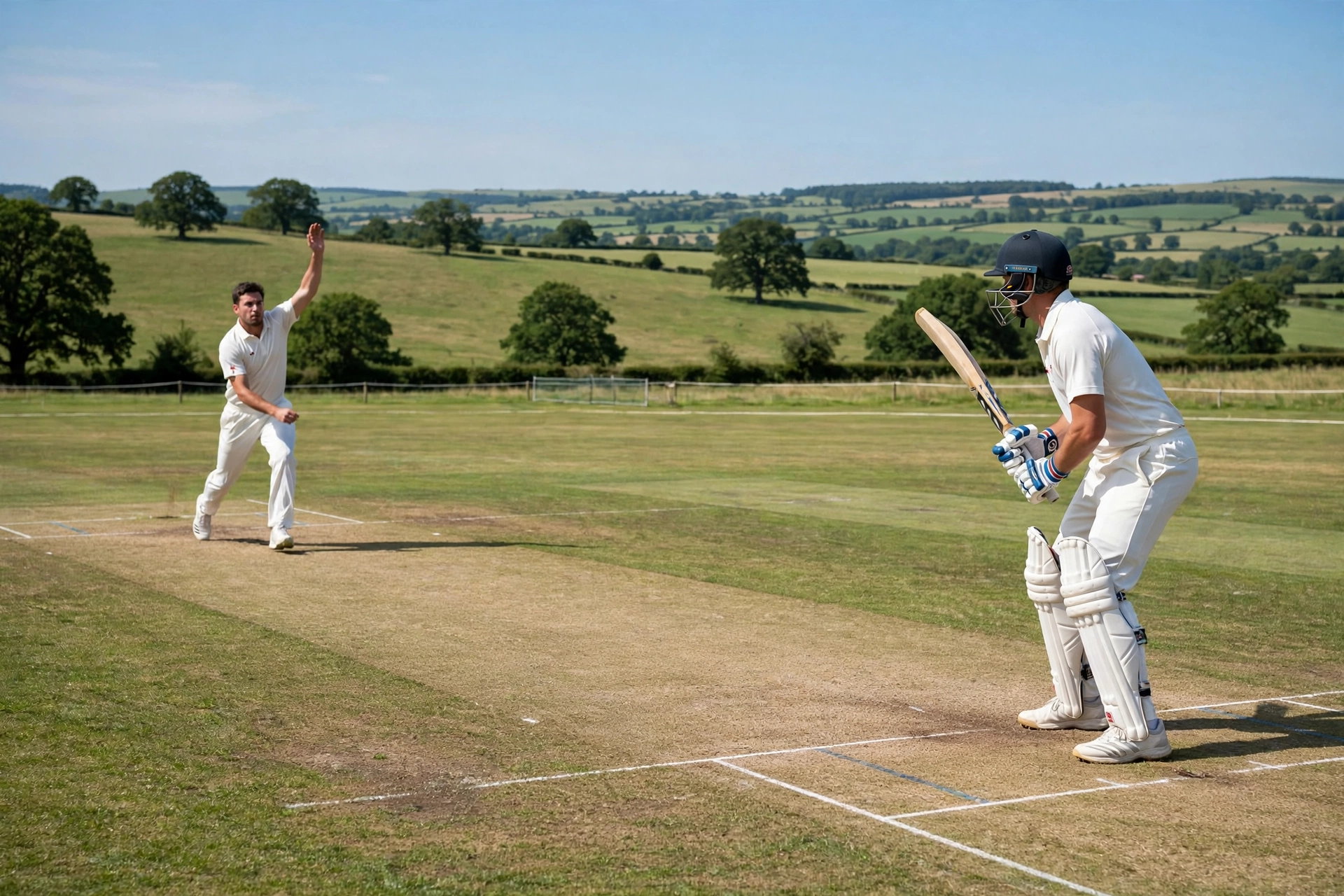
How Should the Helmet Fit Against Pace?
Fit is critical against fast bowling, because a helmet that shifts on impact leaves gaps in protection. The helmet should sit level, cover the forehead to just above the eyebrows, and feel snug all round with no rocking when you shake your head. The chin strap should be fastened firmly — a loose strap lets the helmet move, and a moving helmet can expose the forehead or temple at the moment of impact.
Test the fit in batting conditions, not just standing still. Put the helmet on, take guard, practise a few defensive shots and a duck, and check that it stays in place. If it slides when you move your head quickly, adjust the padding or the strap, and if it still slides, the helmet is the wrong size or shape for you.
Also check the grill distance. The faceguard should sit close enough to protect the face without touching the nose or chin, and it should not obstruct your vision when you are watching the ball. A grill that is too far from the face leaves room for the ball to deflect inwards, while one that is too close is uncomfortable and distracting — either problem is worse against fast bowling, where concentration matters.
What Habits Help Against Fast Bowling?
Technique is part of protection. A batsman who watches the ball closely, plays with soft hands, and knows when to duck or sway is less likely to be hit than one who turns away or closes their eyes. Coaches often work on the “duck and sway” for short balls, and on keeping the head still and the eyes level — habits that reduce the chance of a ball striking the helmet in the first place.
Knowing the bowler and the pitch helps too. A pitch with uneven bounce, or a bowler who regularly bowls short, calls for extra care and sometimes extra protection. Batsmen should also be honest about their own limits: if you are facing pace well beyond your experience, tell your captain or coach, because no helmet makes an unprepared batsman safe against genuinely fast bowling.
Finally, check the helmet before every innings, not just at the start of the season. Look for cracks in the shell, bent or loose grill bars, worn padding, and a strap that holds. A helmet that has taken a hard blow should be inspected carefully, and replaced if there is any doubt — in general terms, a helmet that has absorbed a serious impact may not absorb the next one as well.
Should Young Players Face Fast Bowling in a Helmet?
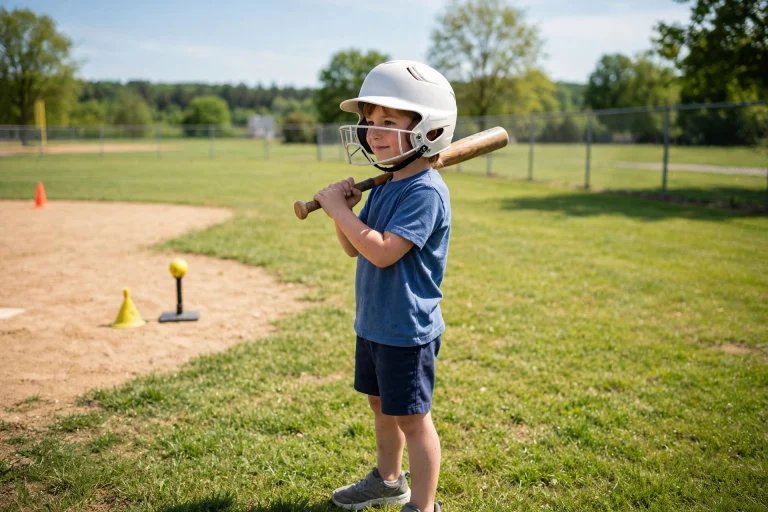
Young players facing fast bowling need helmets that fit them now, not helmets they will grow into. A junior helmet that is too large can shift on impact and expose the forehead, which is a particular risk against pace. Parents and coaches should check junior helmets at the start of every season and replace them as the player grows.
Junior cricket often has rules about which age groups may face fast bowling and what protection is required, so check your league’s rules. Coaches should also manage exposure: young players should face pace gradually, with appropriate coaching, rather than being thrown in against the fastest bowler in the league. And remember that fit is what makes any helmet’s protection work — including systems that address angled impacts, as explained in this guide to what MIPS means for helmets.
Frequently Asked Questions
Q: Do I need a special helmet for fast bowling?
A: In general terms, you need a helmet that meets a current standard, fits snugly, and has full faceguard coverage — helmets aimed at higher levels of play are usually built with faster bowling in mind.
Q: How close should the faceguard sit to my face?
A: Close enough to protect the face and jaw without touching your nose or chin, with bars spaced so a ball cannot pass through. It should not obstruct your vision when watching the ball.
Q: Should I replace my helmet after being hit on the helmet by a fast ball?
A: Inspect it carefully for cracks, bent bars, or damaged padding, and replace it if there is any doubt. A helmet that has absorbed a hard impact may not protect as well next time.

Olivia
Writer at Helmet Today, covering helmet reviews, fit and riding safety.