In general terms, auto racing helmet certifications are standards set by testing bodies that prove a helmet has passed impact, penetration, fire-resistance, and retention tests — and the two names you will see most often are Snell SA and FIA. They are not brands, and they are not interchangeable: each standard tests the helmet in its own way, and each racing series accepts particular standards.
Certification labels can look like alphabet soup to a newcomer, but they matter enormously. A scrutineer will check your helmet’s label before you race, and a helmet without the right certification for your series will not be allowed on track, however new or expensive it is. This guide explains Snell SA and FIA in plain terms, without inventing rule details that vary by series and year.
What Does Snell SA Certification Mean?
Snell is an independent testing organisation based in the United States, and SA is its standard for auto racing helmets. The SA standard tests helmets for the conditions found in car racing: high-speed impacts, penetration by sharp objects, fire resistance, and the strength of the chin strap and retention system.
One of the defining features of the SA standard is its fire test. The helmet’s interior materials must resist flame for a set period, giving a driver time to escape a car after a crash. That is a key reason SA helmets differ from motorcycle or karting helmets, which are tested to different standards and may not include the same fire requirements.
Snell updates its SA standard periodically, and each version is identified by its year. Older versions are gradually phased out by racing series, so a helmet that was legal a decade ago may no longer be accepted today. Always check which versions your series currently accepts, and check the label inside the helmet — not just the seller’s description — before you buy.
What Does FIA Certification Mean?
FIA is the international governing body for motorsport, and its helmet standards are used by racing series around the world. In general terms, FIA standards are written with international competition in mind, and they cover the same broad areas as Snell — impact, penetration, fire, and retention — but with their own test methods and limits.
FIA standards are often associated with higher levels of competition, and some series accept only FIA-certified helmets. Others accept both FIA and Snell SA helmets, giving drivers a choice. The practical point for a club racer is the same either way: find out which standards your series accepts, and buy a helmet that carries one of them.
FIA-certified helmets are also designed to work with the wider safety system in a race car, including head restraint devices. If you use a head restraint, your helmet needs the correct anchor points, and those are part of what the certification covers. A helmet without them cannot be used with that system, even if it is otherwise well made.
How Do Snell SA and FIA Differ in Practice?
In practice, the biggest difference for most drivers is acceptance, not protection. Both standards demand a high level of protection, and a helmet meeting either one is a serious piece of safety equipment. The question that matters at scrutineering is not which standard is “better” in the abstract, but which standards your series lists as accepted.
Test details do differ — for example, in how impacts are measured, how many impact sites are tested, and how fire resistance is assessed — but those details are set by engineers and are not something a driver needs to compare line by line. What a driver needs is a helmet that fits, that carries an accepted label, and that is within its accepted date range.
Weight and comfort can also differ between helmets built to each standard, but that variation has more to do with the manufacturer and model than with the standard itself. Two helmets meeting the same standard can feel very different on your head, which is why trying helmets on matters more than comparing standards on paper.
How Do You Check a Helmet’s Certification?
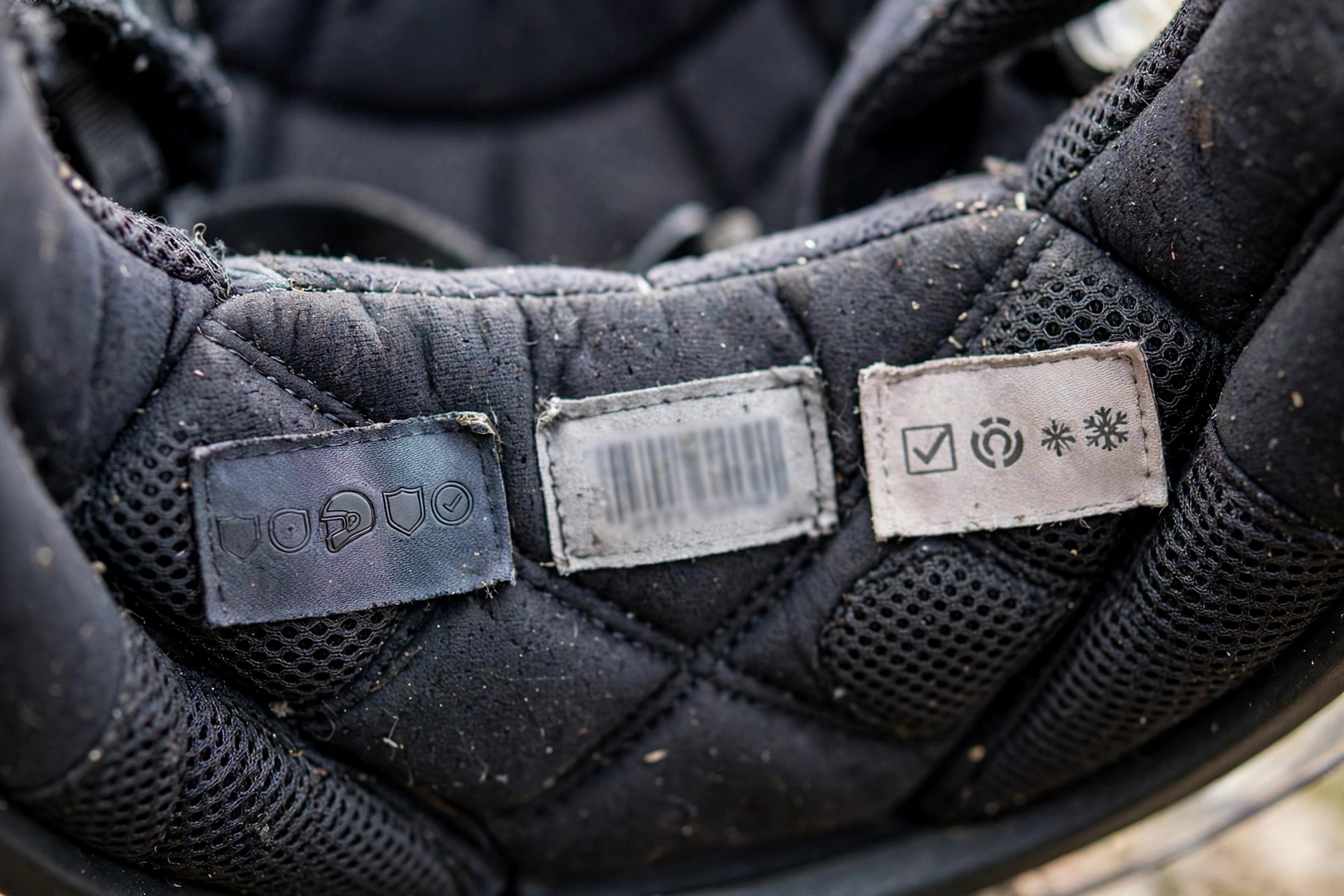
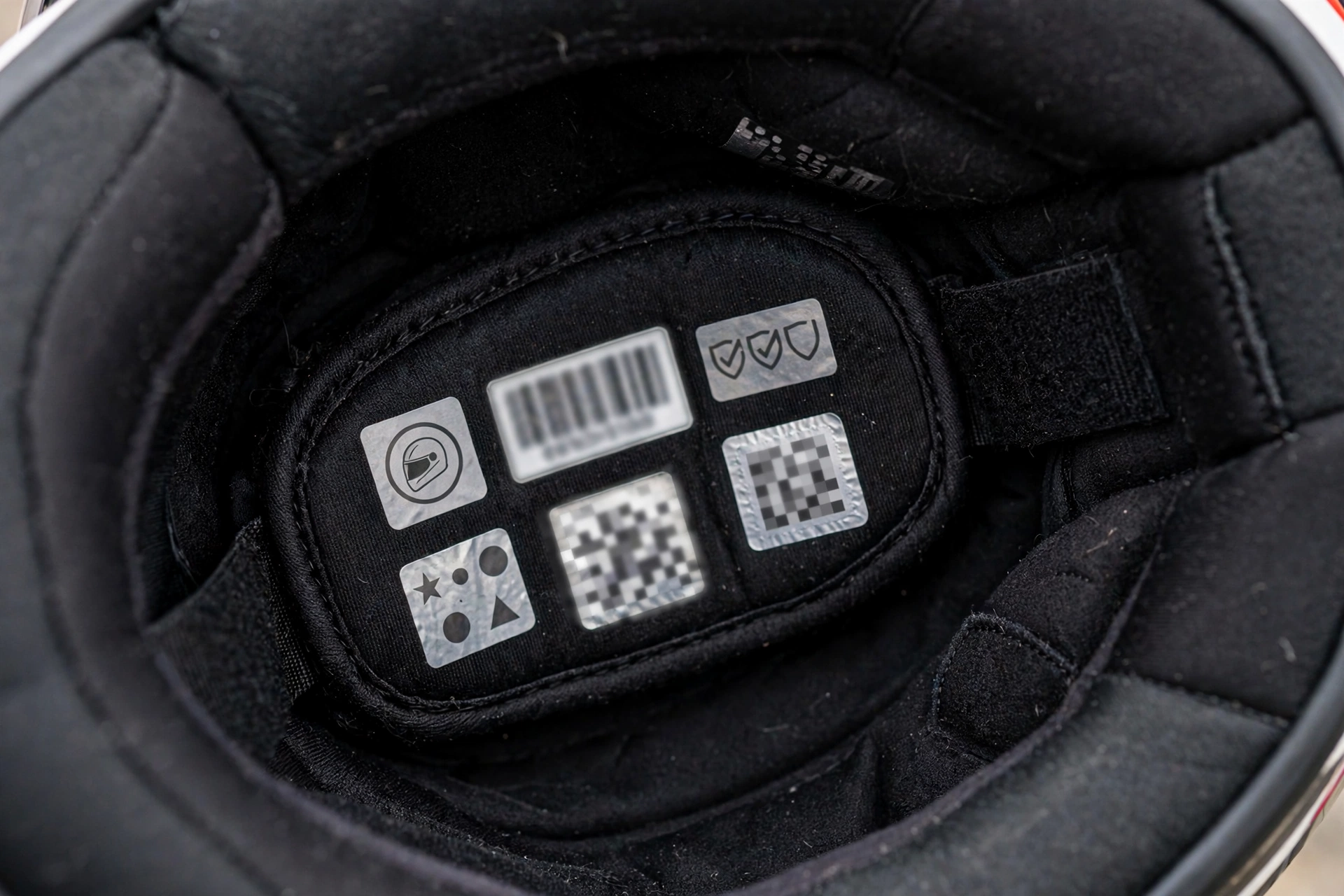
Look inside the helmet for its certification label, usually sewn into the lining or stuck to the shell under the padding. The label names the standard and its version, and it is the document a scrutineer will ask to see. Keep the label intact and readable — a label that has been removed or worn away can cause problems at scrutineering, even if the helmet itself is fine.
Be careful with second-hand helmets. A used helmet may carry a valid label but have an unknown history: it may have been crashed, dropped, or stored badly, and none of that shows on the label. In general terms, buying a new helmet from a reputable seller is the safer route, because you know its history from day one.
Also check the helmet’s date. Certifications have acceptance windows, and series update their accepted lists over time. A helmet bought today should be current for the racing you plan to do, but if you are buying for a series you have not joined yet, confirm its accepted list first rather than assuming.
Which Certification Should You Choose?
Choose the certification your series accepts, in a helmet that fits you well. If your series accepts both Snell SA and FIA, choose on fit, comfort, weight, and price — not on the label alone. A helmet that fits perfectly and meets an accepted standard is the right helmet, whichever standard it carries.
If you plan to race in more than one series, check the accepted lists for all of them before buying. Some drivers end up needing a second helmet because their first, perfectly good helmet is not accepted in a new series. A little research before purchase saves that expense and frustration.
Finally, remember that certification is the starting point, not the whole story, and that fit is what makes any helmet’s protection work — including systems that address angled impacts, as explained in this guide to what MIPS means for helmets. Buy a certified helmet, keep its label readable, inspect it regularly, and replace it after any hard impact.
Frequently Asked Questions
Q: Is a Snell SA helmet accepted everywhere?
A: In general terms, no. Acceptance depends on the series and its current rules. Many series accept Snell SA, some accept only FIA, and some accept both — always check your series’ accepted list before race day.
Q: Can I use a motorcycle helmet for auto racing?
A: In general terms, no. Motorcycle helmets are tested to different standards and usually lack the fire resistance and head-restraint compatibility that auto racing requires. A scrutineer will normally turn one away.
Q: Does certification expire?
A: The label itself does not carry a simple expiry date, but series phase out older standard versions over time, and helmets wear out with use. Check your series’ current accepted versions and replace a helmet after a crash or when it shows wear.

Olivia
Writer at Helmet Today, covering helmet reviews, fit and riding safety.