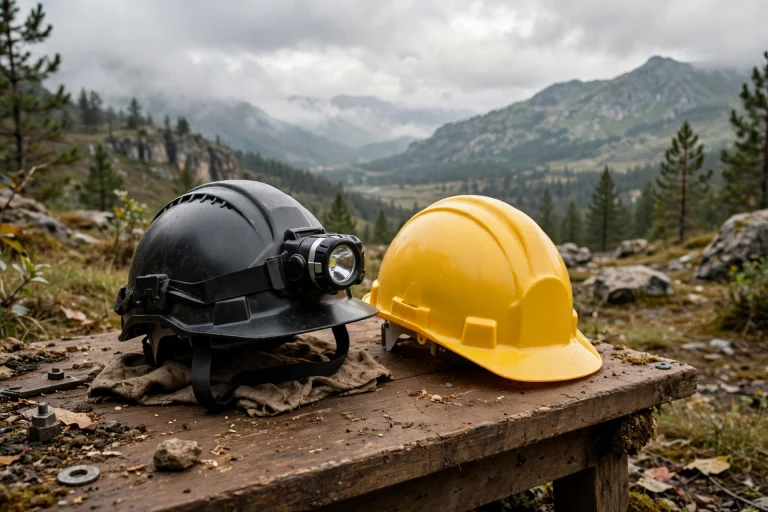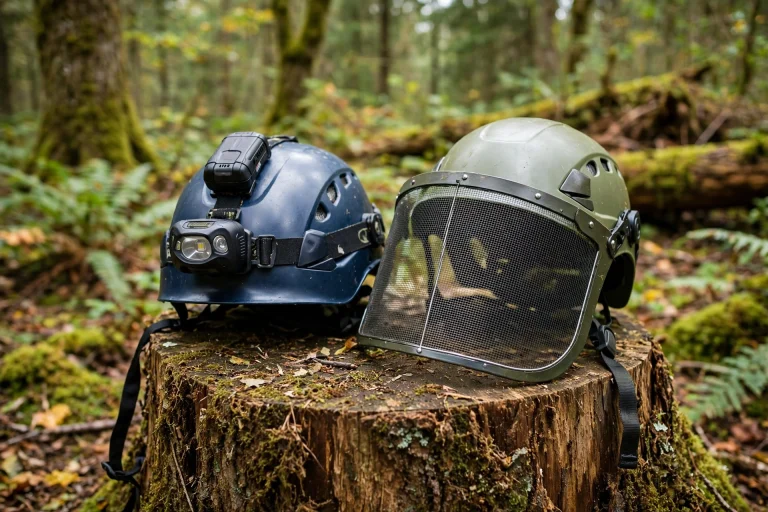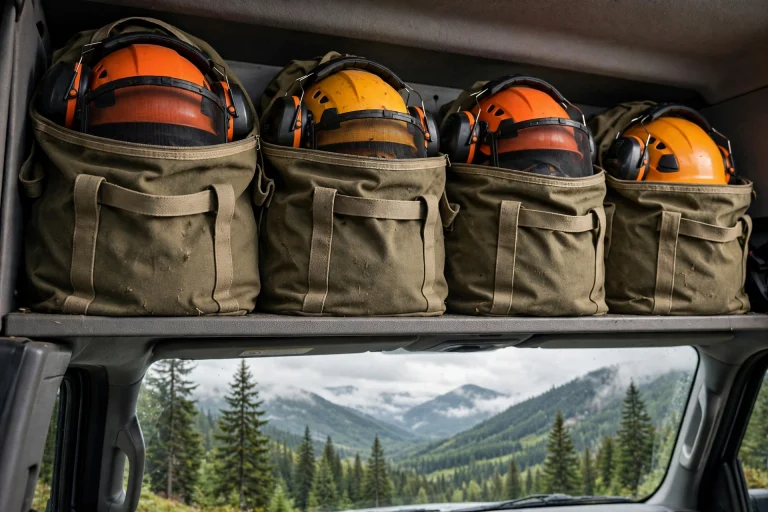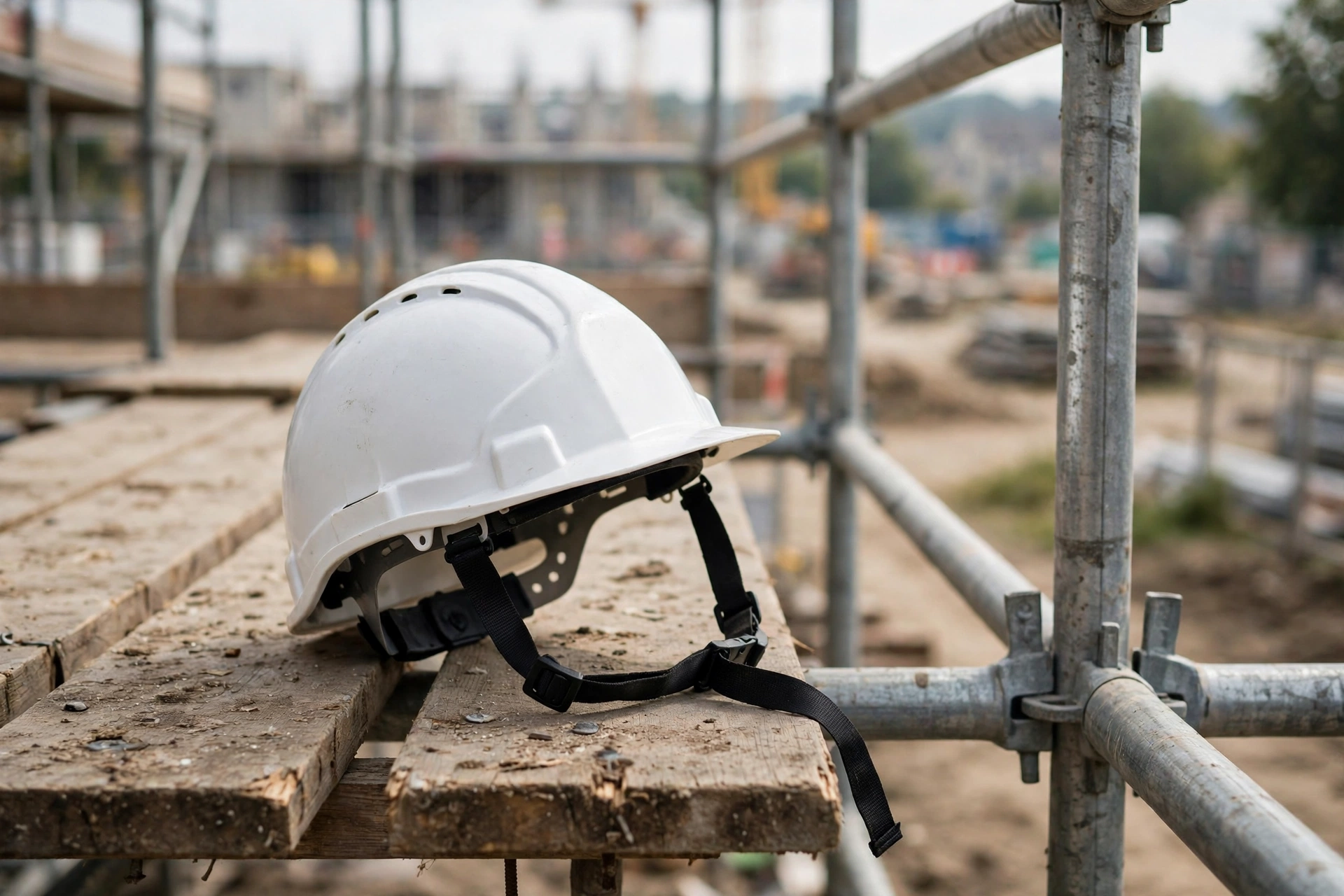
For scaffolders, the best helmet is one that stays put, protects the sides of the head as well as the top, and can be worn comfortably for a full shift: look for a secure chin strap, side impact protection, a good fit with your other protective equipment, and a shell in good condition. A basic hard hat without a chin strap may be fine for general site work, but scaffolding brings extra risks — working at height, bending, climbing, and looking up — that make a more complete helmet worth choosing.
Scaffolders spend much of their day above ground level, moving on narrow boards, climbing ladders, and handling tubes and boards overhead. A helmet that slips or falls off at height is no protection at all, and a falling object is not the only risk: a slip, a knock against a tube, or a fall can strike the side of the head too. This guide explains what to look for so you can choose a helmet that suits the work properly.
Why Do Scaffolders Need a Different Helmet From a Standard Hard Hat?
A standard hard hat is designed mainly for protection from falling objects striking the top of the head. That is an important hazard on any site, but it is not the whole picture for scaffolders. When you are climbing, leaning through a guardrail gap, or turning your head to check a lift, the impact may come from the side, and a helmet designed only for top impact may not cover that risk as well. In general terms, helmets made for work at height tend to be tested for side and rear impact as well as top impact, which better matches the way scaffolders actually move and work.
The other key difference is retention. A standard hard hat often sits on the head with no chin strap, or with a strap that is rarely used. On the ground that may be acceptable, but on a scaffold, bending down to pick up a fitting or looking up at the lift above can easily dislodge a loose helmet. A helmet that falls from height becomes a hazard to people below as well as leaving the wearer unprotected. For that reason, scaffolding work generally calls for a helmet with a chin strap that is actually worn fastened.
What Should You Look For in a Scaffolder Helmet?
Start with the basics: the helmet should fit your head properly, stay in place when you move, and be compatible with the other equipment you wear. Beyond that, a few features matter more for scaffolders than for other site workers. Use this checklist when comparing helmets:
- Chin strap: a strong, adjustable strap with a buckle that is easy to fasten with gloves on, and that keeps the helmet on when you bend or look up.
- Side and rear protection: a design tested for impacts from more than just the top, since knocks against tubes and ledgers often come from the side.
- Fit system: an adjustable cradle or dial that lets you fine-tune the fit, and that works with a beanie or balaclava in cold weather.
- Ventilation: vents that keep you cooler on long shifts, provided they do not compromise the protection the helmet is rated for.
- Accessory slots: side slots for ear defenders or a visor if your work needs them, and a way to attach a lamp for early starts or winter afternoons.
- Weight and balance: a helmet you barely notice is one you will keep wearing; a heavy or front-heavy helmet becomes a nuisance by midday.
Comfort is not a luxury here. A helmet that pinches, slips, or makes you sweat excessively will be adjusted, removed, or worn loosely — and any of those defeats its purpose. If possible, try the helmet on with the rest of your kit before committing to it for daily use.

How Important Is the Chin Strap?
Very important — for scaffolders it is arguably the single most important feature after the shell itself. A chin strap keeps the helmet on your head during a slip, a sudden movement, or a fall, and it stops the helmet dropping onto people working below. In general terms, a helmet that comes off during an incident cannot protect you, however good its shell is.
Look for a strap that is easy to adjust and comfortable under the chin, with a buckle that can be operated with gloves. Some straps are a simple two-point design, while others use a four-point system that holds the helmet more evenly. If the strap irritates your chin or jaw, you will be tempted to leave it loose — so comfort matters as much as strength. Check the strap regularly for fraying, stretched elastic, or a buckle that no longer holds, and replace it if it is worn.
How Should a Scaffolder Helmet Fit?
A good fit means the helmet sits level on your head, covering the forehead without sliding down over your eyes, and stays put when you shake your head gently. The cradle or suspension should contact your head evenly, with no pressure points. Adjust the fit system before you start work, not halfway up a ladder, and re-check it if you add a liner or change what you wear underneath.
Fit also means compatibility. Your helmet has to work with your eye protection, hearing protection, and any high-visibility clothing hood. If your safety glasses push the helmet forward or your ear defenders will not seal because of the helmet’s shape, something needs to change — either the helmet or the accessory. Some modern helmets include features such as a low-friction layer designed to reduce rotational forces in an angled impact; reading about what MIPS is for helmets can help you understand whether that feature matters for your work. Whatever you choose, the whole combination should feel natural and stay in place together.
How Often Should You Replace a Scaffolder Helmet?
Helmets do not last forever. The shell and suspension age with use, sunlight, and knocks, even if no obvious damage is visible. As a general guide, many manufacturers suggest replacing a helmet after a few years of regular use, and sooner if it has taken a significant impact, shows cracks, or has brittle or faded plastic. Always follow the guidance printed inside your own helmet, since materials and designs differ.
Inspect your helmet regularly: look for cracks, dents, deep scratches, and any damage to the cradle, straps, or buckle. A helmet that has been dropped from height or struck hard should be taken out of service and checked, even if it looks fine — damage to the inner structure is not always visible. Keep a record of when the helmet entered service if you can, and store it away from direct sunlight, chemicals, and extreme heat when not in use. A helmet left on a dashboard in summer or in a chemical store will age faster than one stored properly.
Frequently Asked Questions
Q: Can I use a standard hard hat for scaffolding?
A: In general terms, a standard hard hat protects against falling objects, but for scaffolding a helmet with a chin strap and side impact protection is usually a better match for the risks, and site rules may require it.
Q: Does a chin strap really make that much difference?
A: Yes. Without a fastened chin strap, a helmet can fall off when you bend, climb, or look up — exactly the movements scaffolders make all day — leaving you unprotected and creating a hazard below.
Q: Should my scaffolder helmet have vents?
A: Vents improve comfort on long shifts, but check that the helmet still meets the protection your work requires. Some helmets offer vents that can be closed when working in conditions where debris could enter from above.

Olivia
Writer at Helmet Today, covering helmet reviews, fit and riding safety.