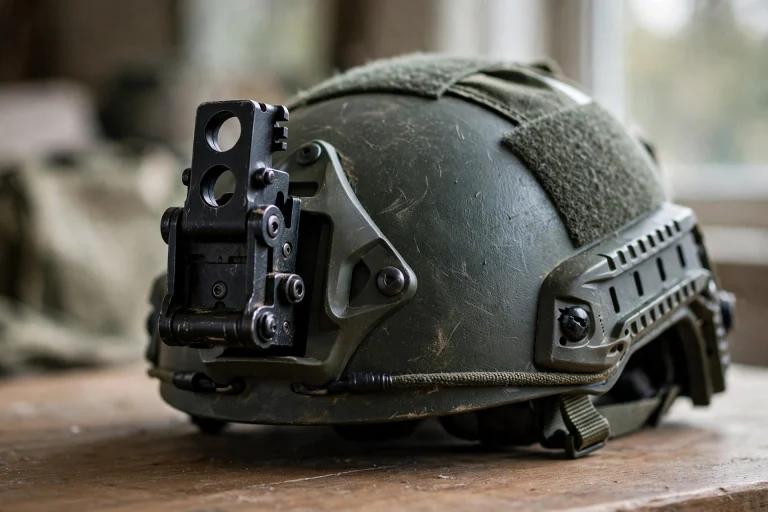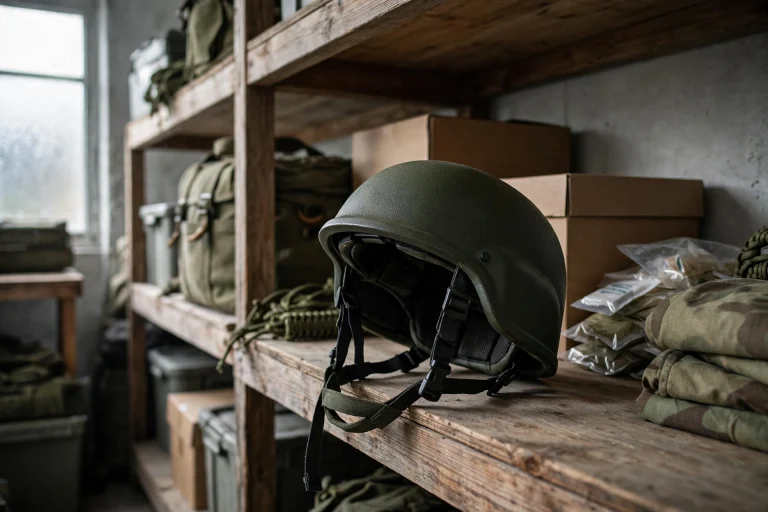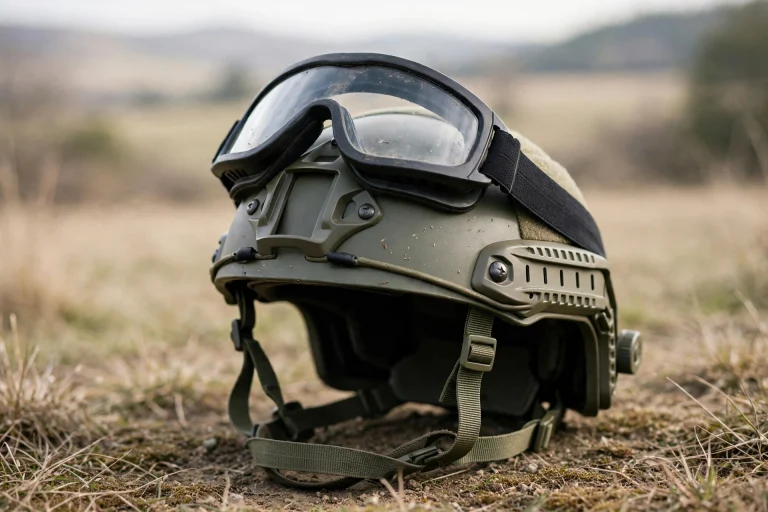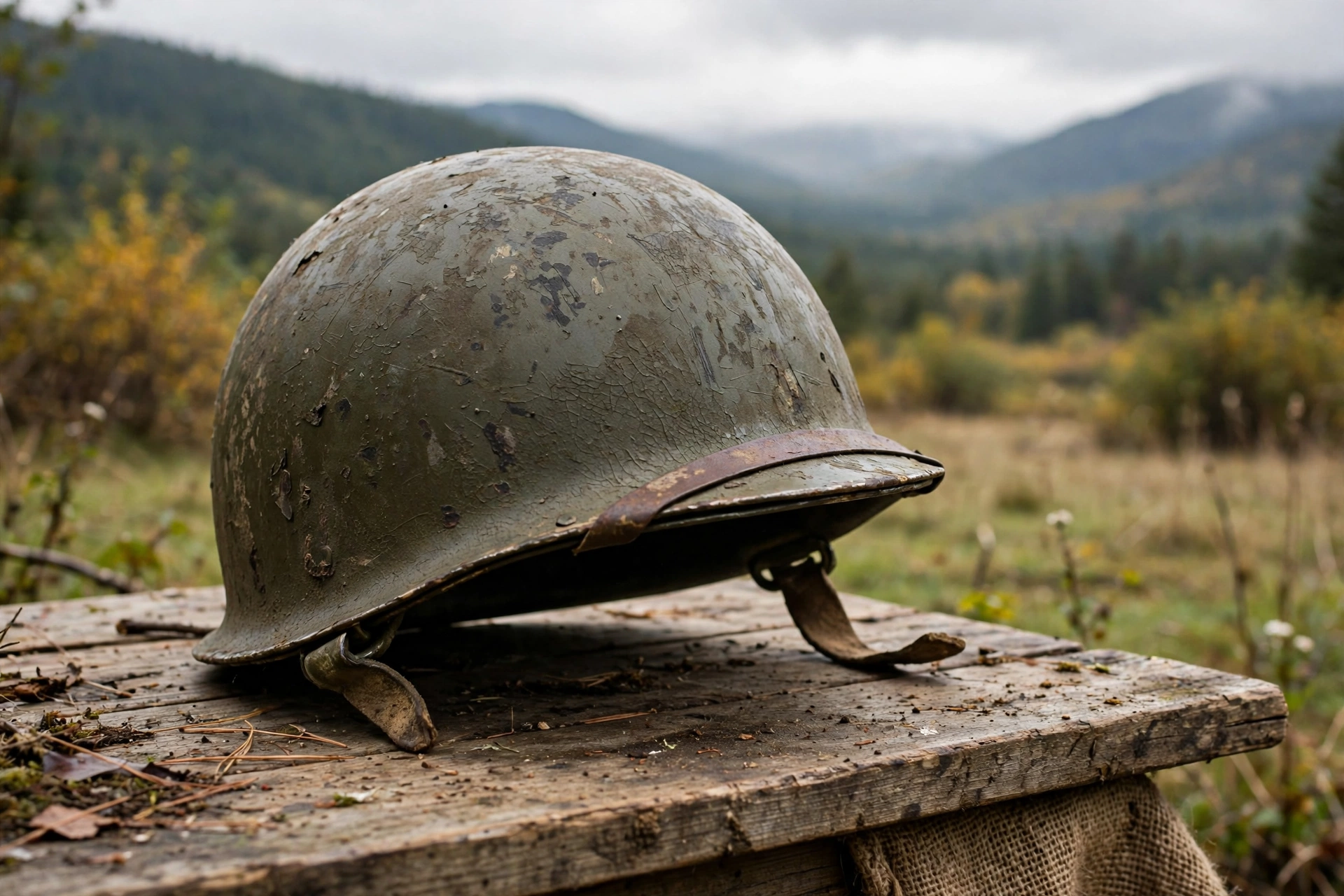
In general terms, a surplus military helmet may be safe to use only if it is a genuine, undamaged helmet with a known history, in good condition, and suited to the job you want it for — and many surplus helmets fail one or more of those tests, so they should never be assumed safe. Surplus covers everything from unissued stock in original packaging to helmets that have seen hard service, been stored badly, or been copied by imitators. The label “military” alone tells you very little about the protection a particular helmet can still offer.
Buyers are often drawn to surplus helmets by price and appearance, and some surplus helmets are perfectly serviceable. Others, however, are worn out, damaged, or simply old, and a helmet’s protective ability cannot be judged by looking at the outside alone. This guide explains, in general terms, what surplus means, what to inspect, and when to walk away.
What Does “Surplus” Actually Mean for a Helmet?
Surplus means the helmet was released from military stock, but the route it took matters. Some surplus helmets are genuinely unissued: they were made, stored, and later sold without ever being worn. Others were issued, used in training or service, and then returned, refurbished, or sold on. A third group never served at all: commercial copies made to look military, sometimes sold alongside real surplus by sellers who blur the distinction.
The problem for a buyer is that these categories often look alike in a listing photograph. An unissued helmet and a heavily used one may share the same model name and outward shape, while a copy may carry convincing markings. In general terms, a trustworthy seller should be able to say whether the helmet is unissued or used, give its approximate age, and show clear photographs of the shell, liner, straps, and markings. Vague descriptions and stock photos are a warning sign. It is also worth asking whether the helmet comes with its original pads and suspension, since missing or mixed parts can hint at a harder life than the listing suggests, and they add to the cost of making the helmet usable. A seller who answers such questions plainly is usually a better bet than one who brushes them aside.
Can an Older Military Helmet Still Protect You?
Age alone does not automatically make a helmet useless, but materials do degrade over time. Shell fibres, resins, foams, and webbing all age, and the rate depends on use, storage, and exposure to heat, sunlight, and moisture. A helmet stored well in a dry depot may age slowly, while one left in a hot vehicle or damp warehouse may degrade much faster, even if it looks intact.
There is also the question of what the helmet was designed to protect against. Military helmets are typically designed around fragment and ballistic threats, not around the impact standards used for motorcycle or sports helmets. A surplus helmet used for a different purpose — riding, climbing, or construction work, for example — may not meet the standard that job requires, even if it is in good condition. In general terms, match the helmet to its intended job, and do not assume military origin covers every use.
What Should You Inspect Before Buying a Surplus Helmet?
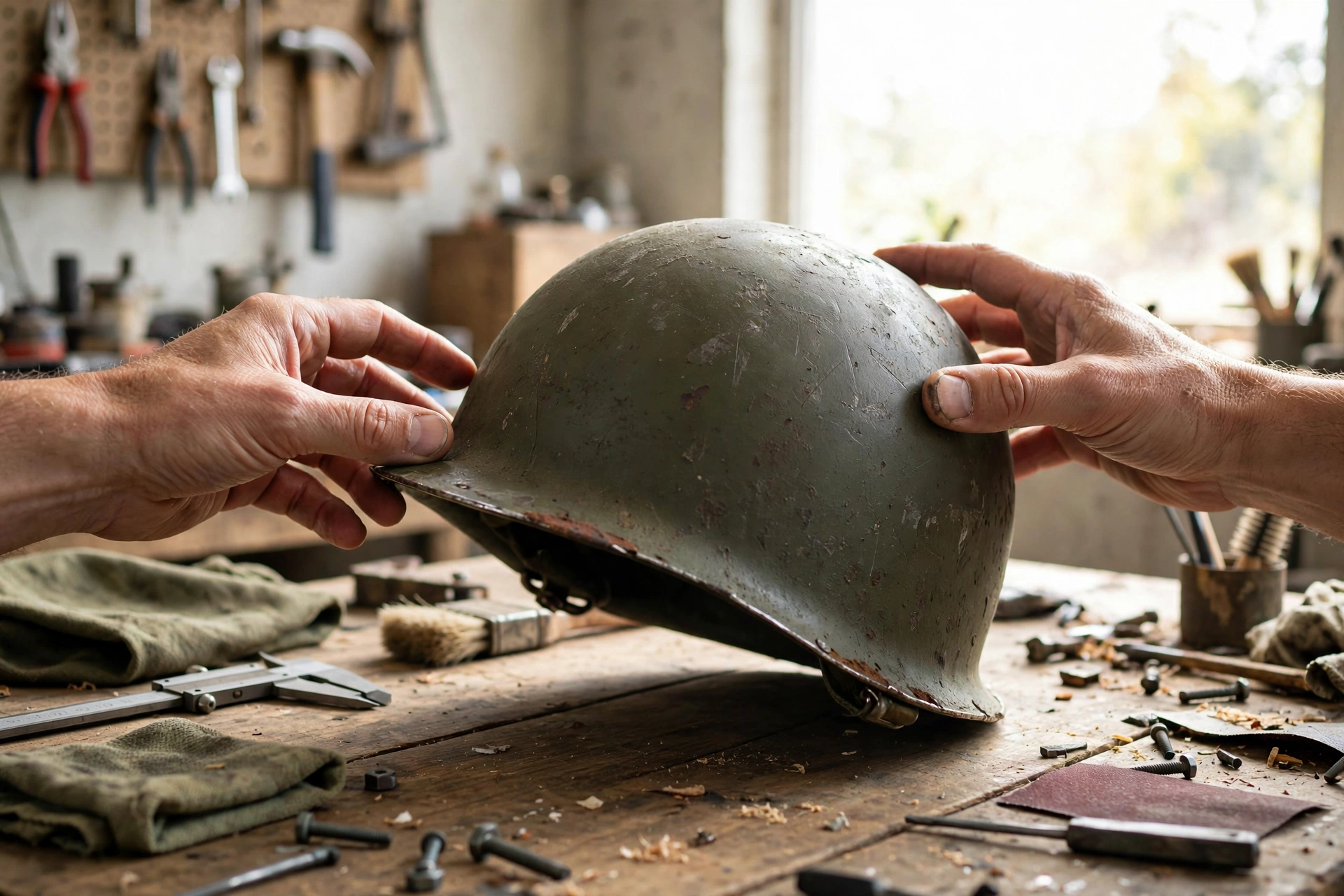
Start with the shell. Look for cracks, deep dents, chips, or any sign that layers are separating or delaminating. Run a hand over the surface for soft spots or bulges, and check the edges for fraying fibres. A shell that has taken a serious impact may show little outside damage, which is why history matters: a helmet with unknown service history carries unknown impact history too.
Next, check the inside. Pads should be resilient, not hardened, crumbling, or compressed flat. Straps and buckles should be intact, with no fraying, fading, or stiffness that suggests heat or chemical damage. Check the suspension or pad system for missing parts, and confirm the helmet fits you properly — a surplus helmet in the wrong size is no bargain. If the seller will not show detailed photographs or allow inspection, treat that as a reason to look elsewhere.
When Should You Avoid a Surplus Helmet?
Walk away if the helmet shows impact damage, delamination, or badly degraded pads and straps, or if the seller cannot say whether it is genuine, used, or unissued. Avoid helmets with missing liners, replaced parts of unknown origin, or markings that look added or inconsistent. Be especially cautious with helmets sold very cheaply for their model, since a low price often reflects a problem the listing does not mention.
Also avoid using a surplus helmet for a purpose it was not designed for, or in place of a certified helmet where a standard is required. A helmet that is fine as a collector’s item or for display may not be suitable for live use at all. If you need a helmet for real protection, a new helmet from a reputable maker, with a known standard and a warranty, is usually the safer and simpler choice. For a sense of how modern helmets are built to manage impacts, this guide to helmet liner technology explains what sits between the shell and your head.
What About Cleaning and Refurbishing a Surplus Helmet?
Light cleaning is usually straightforward: wipe the shell with a damp cloth and mild soap, air-dry the pads, and clean the straps gently. Avoid solvents, abrasive materials, and high heat, all of which can damage shell coatings and adhesives. Replacement pads and straps from reputable suppliers can improve comfort and fit, but they do not restore a damaged shell.
Be wary of refurbishment claims that promise to restore ballistic protection. A repainted shell may look new while hiding cracks or delamination underneath, and no cleaning or new pads can reverse fibre ageing or undetected impact damage. In general terms, refurbishment improves appearance and comfort; it does not reset a helmet’s protective life. Buy surplus helmets for what they verifiably are, not for what a fresh coat of paint suggests.
Frequently Asked Questions
Q: Is an unissued surplus helmet as good as a new one?
A: In general terms, an unissued helmet in good condition is closer to new than a used one, but age and storage still matter. Inspect it carefully and check its age before relying on it.
Q: Can I wear a surplus helmet for motorcycling?
A: Not as a substitute for a certified motorcycle helmet. Military helmets are designed and tested for different threats, so use a helmet certified for the activity you are doing.
Q: How can I tell a genuine surplus helmet from a copy?
A: Look for consistent markings, quality of materials and stitching, and a seller who gives a clear history. If the price, markings, or description do not add up, seek advice before buying.

Olivia
Writer at Helmet Today, covering helmet reviews, fit and riding safety.