In general terms, a tactical helmet made for airsoft differs from one made for real use mainly in what it is built and tested to protect against: airsoft helmets are typically lighter, cheaper replicas or sport helmets designed for low-energy plastic pellets and bumps, while real ballistic helmets are built and tested to reduce the risk from fragments and projectiles — and the two should never be confused. The difference is not just quality; it is a different design purpose altogether.
Airsoft players often wear helmets that look very much like real tactical helmets, with rails, mounts, and covers. That similarity is the source of confusion — and of risk, if someone mistakes a replica for real protection. This guide explains, in general terms, what changes between the two and why the distinction matters.
What Is an Airsoft Tactical Helmet Made For?
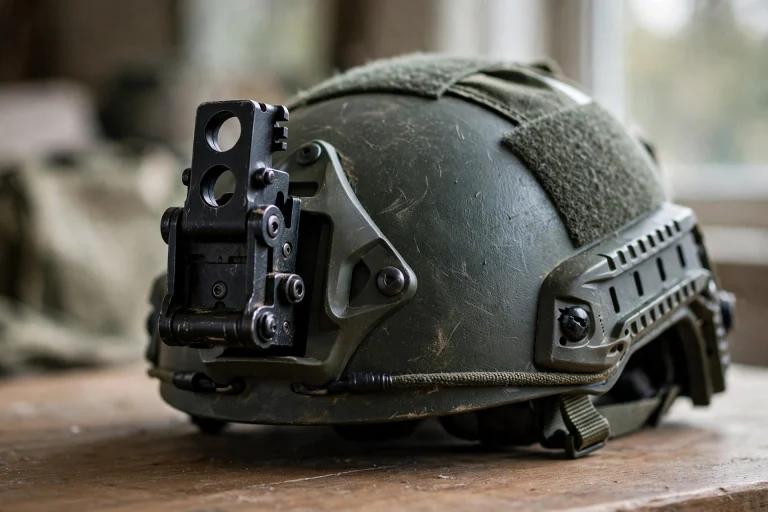
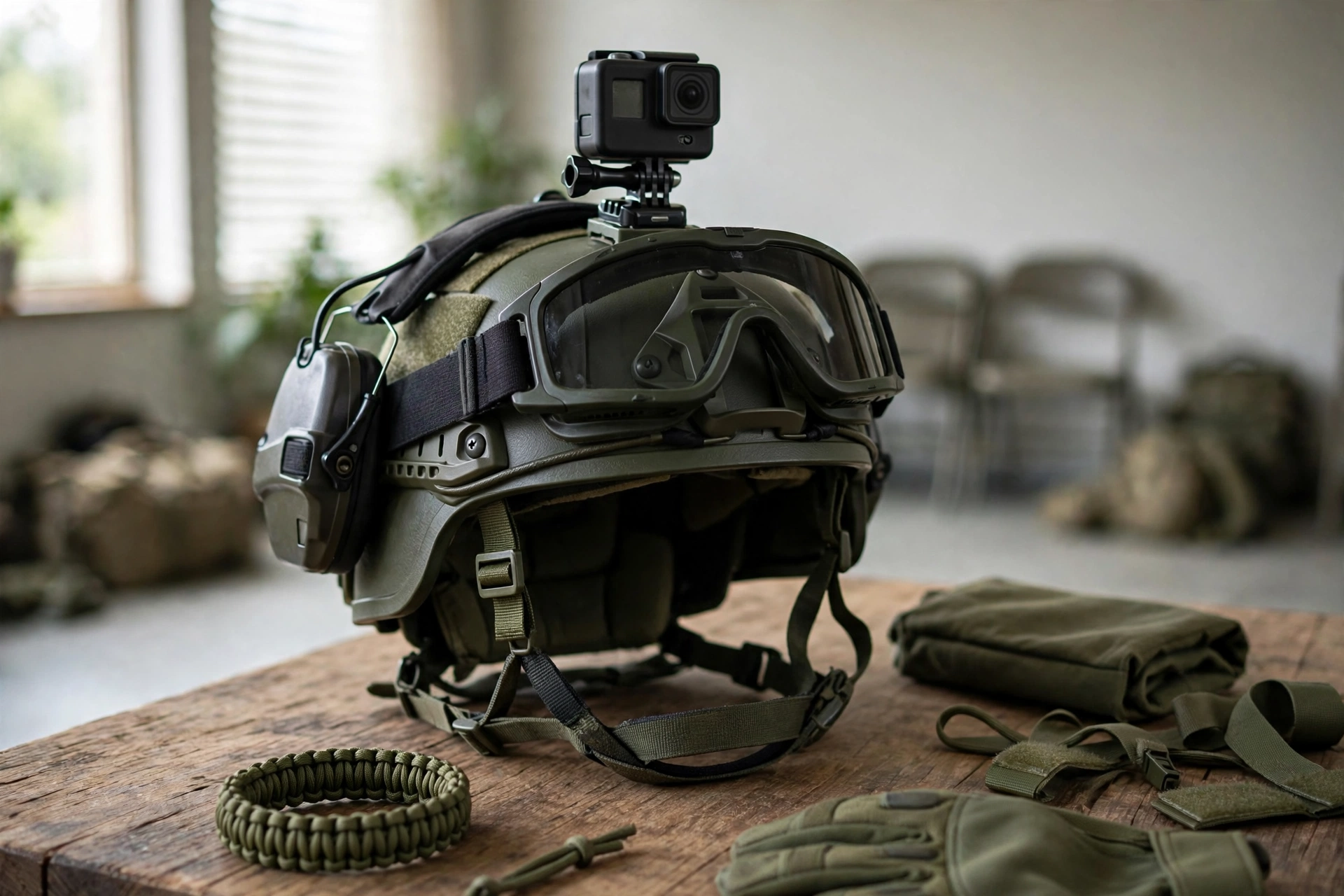
An airsoft helmet is made for a sport. Its job is to protect against low-energy plastic pellets, bumps, and knocks during games, and to provide a platform for accessories such as cameras, lights, and communication headsets. Many are made from lightweight plastic, and some are replicas of real helmet shells produced for appearance and accessory compatibility rather than for ballistic protection.
Because the threats in airsoft are low-energy, the helmet does not need the layered fibre construction of a ballistic shell. That keeps it light, comfortable, and affordable, which suits a sport where players wear the helmet for hours of running and movement. In general terms, an airsoft helmet is sport protective equipment, in the same family as a paintball mask or a skate helmet — designed for its game, not for real-world threats.
What Changes in a Real Tactical Helmet?
A real tactical helmet is built around a ballistic shell: layers of aramid fibres or ultra-high-molecular-weight polyethylene bonded with resin, shaped under heat and pressure, and tested against a defined set of threats. That construction is heavier, more expensive, and more strictly controlled than a plastic replica. The shell, padding, retention system, and mounts are all part of a tested system, and the helmet carries a rating that states what it is designed to protect against.
The testing is a key difference. A ballistic helmet is tested against specific threats at specific speeds, and its rating is the result of that testing. An airsoft helmet is not tested against ballistic threats at all, because it is not designed for them. In general terms, there is no test result, label, or claim on an airsoft helmet that makes it suitable for real protection — and any seller suggesting otherwise should not be trusted.
The accessory question also differs. Airsoft players mount cameras and lights for fun and for recording games, and they often swap accessories between games without a second thought. Real users mount equipment that is part of their job — communications, lights, and vision devices — and every mount is checked for security, because a loose accessory in the field is a liability rather than an inconvenience. The mounts may look the same, but the standard they are held to is not.
Can You Tell Them Apart by Looking?
Often, no — and that is the problem. Replica helmets are deliberately made to look like real ones, with the same shape, rails, and mounts. Weight is one clue: a ballistic helmet is noticeably heavier than a plastic replica of the same size. Labelling is another: a real ballistic helmet carries markings about its rating, manufacturer, and date of manufacture, while a replica may carry no ballistic rating at all or a vague description.
The reliable way to tell is documentation, not appearance. A real helmet comes with a specification stating what it is rated for, from a manufacturer that stands behind that rating. If a helmet’s description talks only about airsoft, sport, or costume use, or if it makes no specific protection claim, treat it as sport equipment. When in doubt, assume a helmet that looks tactical is a replica unless its documentation proves otherwise.
Is It Safe to Use an Airsoft Helmet for Real Protection?
No. An airsoft helmet is not designed or tested for fragments or projectiles, and relying on it for real protection could leave the wearer seriously unprotected. The risk is not just that it might fail — it is that it looks like protection, which can create false confidence. The same principle applies in reverse: a real ballistic helmet is heavier and more expensive than any sport requires, and using one for airsoft is unnecessary, though it is not unsafe in the way the reverse is.
This is also why organisations that issue real helmets control them carefully: they need to know that every helmet in use meets the same standard and is within its service life. A replica that finds its way into a real kit issue would break that chain of assurance. Some modern helmets include a low-friction layer intended to reduce rotational forces in angled impacts; reading about what MIPS is for helmets can help you understand that kind of feature, which is a property of the helmet itself, not of a replica shell.
What Should You Check Before Buying Either Type?
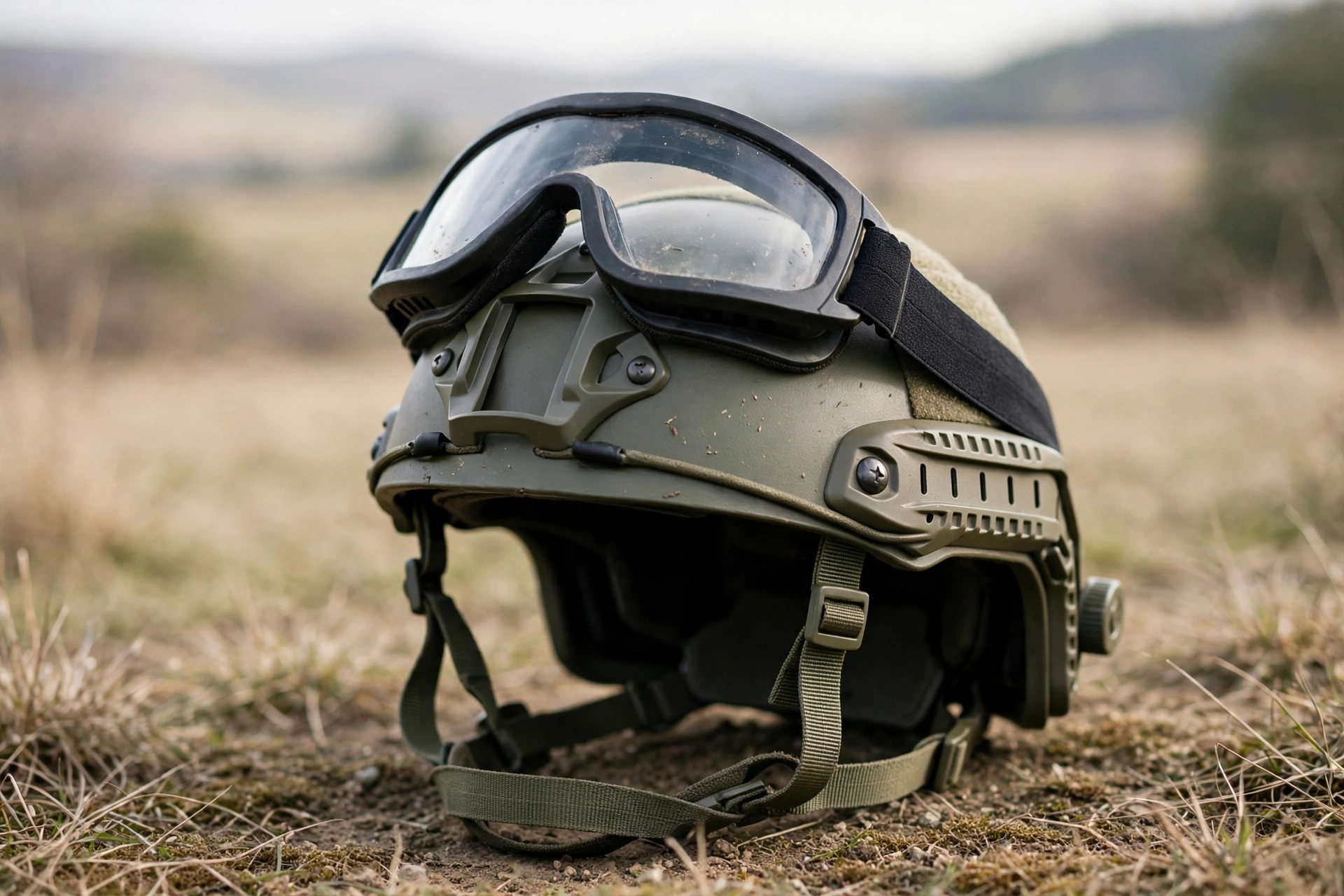
First, be clear about the purpose. If the helmet is for airsoft, look for a comfortable, well-fitting sport helmet with the accessory mounts you need, and check that it works with your eye protection — eye protection is the critical safety item in airsoft, and the helmet should not interfere with it. If the helmet is for real protective use, it should come from a reputable manufacturer with a clear, specific protection rating, and it should be part of a proper procurement and maintenance system.
Second, read the description carefully. Words like “replica”, “airsoft”, “sport”, or “costume” mean the helmet is not ballistic protection, however realistic it looks. A genuine ballistic helmet’s description will state its rating plainly. If a listing is vague about protection while showing a tactical-looking helmet, that vagueness is itself a warning sign.
Frequently Asked Questions
Q: Can I use a real ballistic helmet for airsoft?
A: In general terms, yes, but it is heavier and more expensive than a sport helmet, and it is unnecessary for the low-energy threats in airsoft. Most players use a lighter sport helmet instead.
Q: How can I tell if a helmet is a replica?
A: Check the documentation: a real ballistic helmet states its protection rating and manufacturer, while a replica usually makes no specific ballistic claim. Weight is also a clue — ballistic shells are noticeably heavier than plastic replicas.
Q: Does an airsoft helmet protect against real threats?
A: No. Airsoft helmets are designed for low-energy pellets and bumps in a sport, and they are not tested against fragments or projectiles. Never rely on one for real protection.

Olivia
Writer at Helmet Today, covering helmet reviews, fit and riding safety.